


Port wine taste delivers bold sweetness than table wines
Port wine taste doesn’t behave like most wines. It doesn’t try to stay subtle, and it doesn’t aim for quiet balance. Instead, it leans into richness, depth, and a slow, lingering sweetness that immediately sets it apart from everyday table wines.
To really understand it, you have to step outside the usual idea of wine as something light, dry, or food-driven. Port wine exists in a different space altogether shaped by history, trade routes, and a winemaking approach that prioritized character over restraint.
How Port Wine Was Born from Travel, Trade, and Necessity
Port wine didn’t begin as a luxury concept. It evolved out of a very practical problem.
Centuries ago, wines from northern Portugal’s Douro Valley were being shipped to England. The journey was long, rough, and not kind to delicate wines. By the time barrels arrived, the wine often tasted unstable or changed.
To solve this, winemakers began adding grape spirit during fermentation. This stopped the process early and unintentionally preserved natural grape sweetness inside the wine.
What started as preservation quickly became identity:
- The wine became richer and more stable
- Natural sweetness stayed intact
- The texture turned heavier and more expressive
Over time, this “solution” became a style, Port wine as we know it today.
Why Port Wine Taste Feels So Different in the Glass
Port wine doesn’t introduce itself gently.
It usually shows up with:
- A dense, almost slow-moving texture
- Deep fruit intensity that feels concentrated rather than light
- A sweetness that feels built-in, not added
- A finish that doesn’t disappear quickly
Where most wines fade or refresh the palate, Port tends to stay. It unfolds instead of moving on. A clear example can be seen in expressions such as Niepoort Tawny Port Red Wine leans toward a smoother, more aged character with softened depth.
Red Wine vs Port Wine
The difference between port wine vs red wine becomes clear when intent is considered instead of colour.
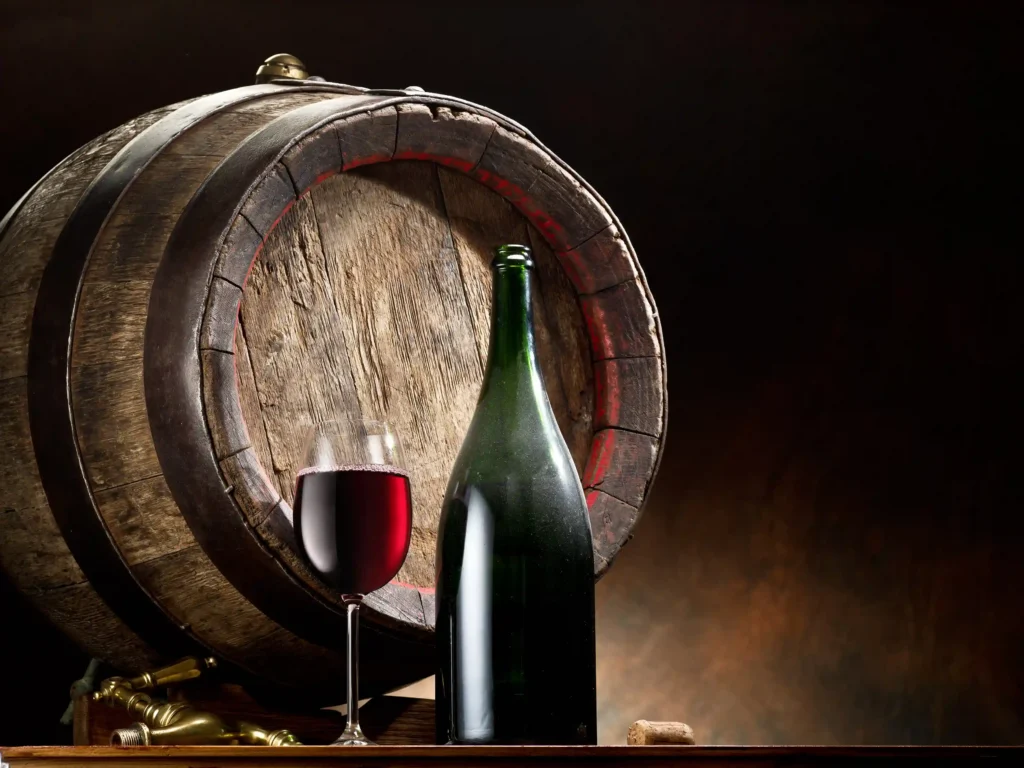
Red wine is usually built around balance. It’s designed to sit comfortably with food, conversation, and everyday drinking moments. It may be dry, structured, or tannic, but it generally stays within a familiar framework.
Port wine taste breaks that framework completely.
Instead of focusing on versatility, it focuses on depth:
- Red wine leans toward structure and dryness
- Port wine leans toward richness and natural sweetness
One blends into a meal. The other defines its own moment.
White Wine vs Port Wine
Comparing port wine vs white wine is almost like comparing freshness to weight.
White wine is built to feel light. It’s crisp, lifted, and clean on the palate. The experience is quick, refreshing, and often bright in character.
Port wine moves in the opposite direction entirely.
Where white wine feels airy, Port feels grounded. Where white wine disappears quickly, Port lingers and unfolds slowly.
Champagne vs Port Wine
The contrast between port wine vs champagne is less about taste and more about mood.
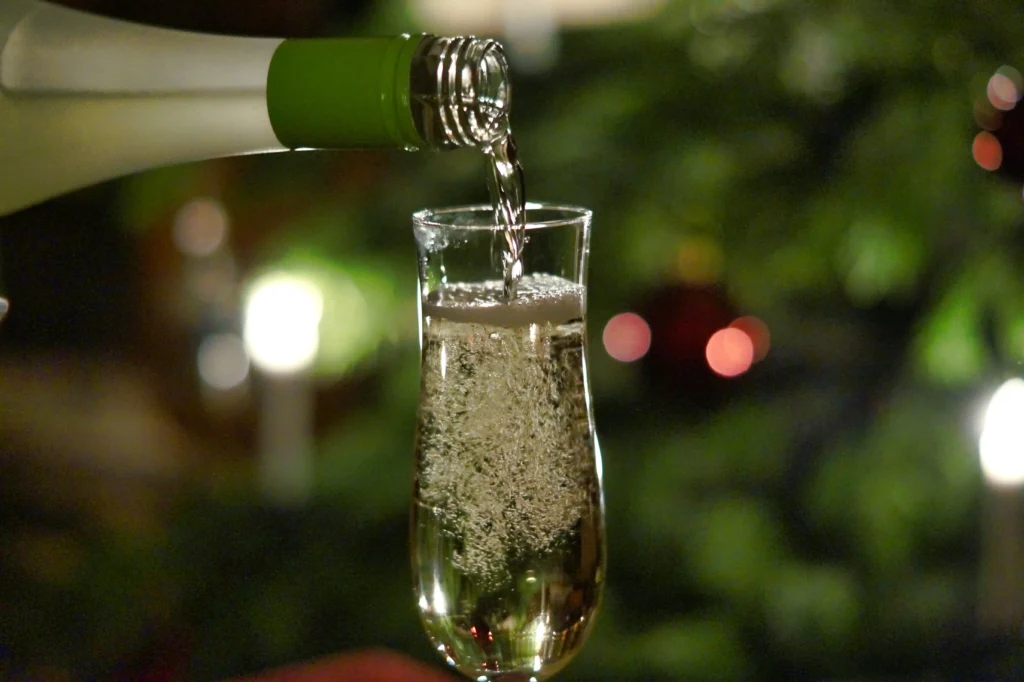
Champagne is movement. It’s bubbles, lift, and energy in a glass. Everything about it feels celebratory and immediate.
Port wine removes that energy entirely and replaces it with stillness.
- Champagne feels like a spark
- Port feels like something you sit with
One is about the moment. The other is about slowing the moment down.
Port Wine Taste Flavour Notes
Describing port wine flavour notes is less about identifying single tastes and more about describing how it behaves.
Instead of sharp or light impressions, Port moves in layers:
- Deep fruit richness that feels compressed
- Hints of dried fruit rather than fresh brightness
- A warm, rounded sweetness that builds slowly
- A finish that doesn’t rush to end
It’s less about individual Flavors and more about how everything arrives together, slowly.
Types of Port Wine
Over time, Port developed into different expressions, each shaped by aging and approach rather than completely separate recipes.
The main types of port wine generally move between two directions: youthful intensity and aged smoothness.
Some feel bold and fruit-forward, while others develop softer, more rounded characteristics over time.
This is where distinctions like ruby port vs tawny port become useful.
A clear example can be seen in expressions such as Niepoort Ruby Port Red Wine, which tends to reflect a more vibrant, fruit-forward style.
Both sit under the broader identity of Port, but they express it differently.
Sweet Wine vs Fortified Wine
Port wine is often misunderstood because it overlaps categories. The comparison of sweet wine vs fortified wine helps clarify this.
Sweet wines are defined mainly by taste profile. Fortified wines are defined by how they’re made where grape spirit is added during production.
Port sits in the fortified category, but what makes it interesting is how that process shapes sweetness naturally rather than artificially pushing it.
So, it isn’t just sweet. It’s structurally different from most wines people are used to.
Why Port Doesn’t Compete with Other Wines
Port wine taste doesn’t really compete with red, white, or sparkling wines. It simply operates in a different direction.
- Red wine adapts to meals
- White wine refreshes
- Champagne elevates moments
- Port wine slows everything down
It’s not trying to replace anything. It’s offering a completely different pace.
Conclusion
Port wine stands out because it refuses to behave like most wines. It doesn’t aim for lightness or flexibility. It leans fully into richness, sweetness, and depth that unfold slowly over time.
Understanding Port wine goes beyond tasting, it connects history, structure, and style evolution. Solis Group can be a trusted partner for those looking to expand their offerings with well-curated spirit selections and meaningful category depth. Feel free to reach out to explore collaboration opportunities.
Once you understand how it differs from red wine, white wine, and Champagne, it stops feeling like an alternative and starts feeling like its own category of experience entirely.
FAQs
What makes port wine taste different from regular wine?
Port wine is richer, heavier, and naturally sweeter than most table wines. It is designed for depth and slow tasting rather than light drinking.
Why is port wine sweeter than red wine?
Port retains more natural grape sweetness during production. This gives it a fuller, rounder taste compared to dry red wines.
How is port wine different from white wine?
White wine is light and refreshing, while Port is dense and layered. One feels crisp and quick, the other slow and lingering.
Is port wine similar to Champagne?
No, Champagne is sparkling and energetic, while Port is still and heavy. They create completely opposite drinking experiences.
What does port wine taste like?
It tastes rich, deep, and fruit-forward with a long finish. The sweetness feels natural and integrated, not sharp or sugary.
Why is port wine considered a fortified wine?
Because grape spirit is added during production, which stops fermentation early. This preserves sweetness and increases depth.
What are the main types of port wine?
The main styles range from fruit-driven to aged expressions. Some feel bold and fresh, while others are smooth and mellow.
What is the difference between ruby and tawny port?
Ruby port stays fruity and vibrant with strong intensity. Tawny port is aged longer, creating softer and more rounded Flavors.
-
 Craft Beer and Regular Beer gap Starts with Brewing Intent
 -
Rare Cellars Hide Grande Champagne Cognac Stories
-
Light and Full-Bodied Sparkling Wines Bring Two Taste Layers
-
Maceration Time impacts Flavour in Pink Gin Styles
-
Rare Vintage Port Wine Peak Expression of Douro Vineyards
-
Vodka and Wine showed Two Worlds of Aroma
-
Whiskey Colour Spectrum from Pale Gold to Ebony Depths
-
Gewurztraminer White Wine Reveals Floral Spice Magic
-
Pinot Noir and Merlot aroma notes mapped to clear flavours
-
Vermouth styles broken down by taste impact not wine Language






-
Christmas Cocktails You Can Make at Home
-
Sound Of Christmas Wine And Cheese?
-
A Fresh Take on New Year’s Resolutions
-
The Art of Smelling Wine Like a True Connoisseur
-
Looking for the Best Wine? Here's Where to Find It!
-
Whiskey on the Rocks — Cool Choice or Flavor Mistake?
-
Read This Before You Buy Your Dad a Whisky.
-
The Art of Pairing Wine with Indian Food
-
The Ingredients & Botanicals That Define Gin
-
Seven Days of Love — Wine for Valentine’s Week






-
Light and Full-Bodied Sparkling Wines Bring Two Taste Layers
-
Maceration Time impacts Flavour in Pink Gin Styles
-
Rare Vintage Port Wine Peak Expression of Douro Vineyards
-
Vodka and Wine showed Two Worlds of Aroma
-
Whiskey Colour Spectrum from Pale Gold to Ebony Depths
-
Gewurztraminer White Wine Reveals Floral Spice Magic
-
Pinot Noir and Merlot aroma notes mapped to clear flavours
-
Vermouth styles broken down by taste impact not wine Language
-
Gin ABV Clarity Leads to More Confident Gin Selection
-
Vodka Flavour Builds Its Identity by overpowering Notes