
Cognac flavour notes outshine everything printed on the label
A premium label can attract attention, but it does not always reflect true quality. The real story of Cognac lives in its flavour notes. These subtle layers of aroma and taste reveal how carefully the spirit was crafted, aged, and blended.
Understanding Cognac flavour notes allows you to recognize depth, balance, and refinement without relying on brand names or age statements alone. This guide works as a simple Cognac tasting guide to help you read quality through every layer.
What Are Cognac flavour notes?
Cognac flavour notes describe the combined experience of aroma, taste, and finish. They develop in layers and evolve over time, shaping the full picture of aroma and flavour in Cognac.
Primary Notes
These come from the grapes and include light fruit tones like apple, pear, or citrus.
Secondary Notes
These develop during fermentation and distillation. Floral hints and soft herbal tones often appear here.
Tertiary Notes
These emerge during aging in oak barrels. Common examples include vanilla, spice, nuts, and toasted wood.
High-quality Cognac shows a smooth transition between all three layers rather than sharp or disconnected flavours.
How Cognac flavour notes Develop Over Time
Grapes Shape the Foundation
Cognac starts with specific white grapes that create a clean and neutral base. This allows subtle flavours to develop during later stages without interference.
Distillation Refines the Character
Traditional double distillation for cognac enhances purity and texture. It helps concentrate delicate aromas while removing rough elements.
Oak Aging Builds Complexity
Time spent in oak barrels transforms the spirit. It adds structure, depth, and signature notes such as caramel, spice, and toasted wood, highlighting the oak influence on Cognac taste. Slow interaction with air further softens and integrates these flavours, especially through aging Cognac methods.
Key Cognac flavour notes that Indicate High Quality
Balanced Fruit Notes Show Natural Depth
Quality Cognac often carries both fresh and dried fruit notes such as apricot, fig, or baked apple. These fruit spice notes in Cognac feel natural and smooth, not sharp or artificial.
Spice Notes Add Layered Complexity
Hints of cinnamon, clove, or nutmeg suggest careful aging. These notes should feel warm and integrated rather than overpowering.
Vanilla and Caramel Reflect Proper Oak Aging
Soft vanilla and light caramel tones come from the barrel. In high-quality Cognac, these flavours blend seamlessly with others instead of standing out too strongly.
Floral Notes Signal Elegance
Light floral aromas such as jasmine or orange blossom indicate refined distillation and balance. These often appear as part of evolving Cognac aroma layers.
Nutty and Rancio Notes Mark Advanced Aging
Nutty tones like almond or walnut, along with deeper earthy complexity, often appear in well-aged Cognac. These nutty flavours in aged Cognac reflect maturity and patience in the aging process.
Subtle Oak Presence Supports the Profile
Oak influence should enhance the spirit, not overpower it. Light toasted or woody notes add structure while allowing other flavours to shine.
Cognac flavour notes that Suggest Lower Quality
Certain flavour characteristics can indicate imbalance or lack of refinement:
- Strong alcohol sensation that hides other flavours
- Flat taste with little variation
- Artificial sweetness or overly sugary profile
- Heavy bitterness from excessive oak influence
- Very short finish with no lasting impression
These signs often point to limited aging or poor blending.
Using Cognac flavour notes to Guide Better Choices
Flavour descriptions provide valuable insight when exploring different options. Words like “balanced,” “layered,” and “smooth” often indicate thoughtful craftsmanship.
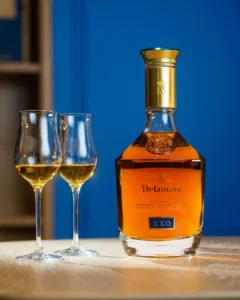
Instead of focusing only on labels, understanding fruit spice notes in Cognac and the oak influence on Cognac taste helps in making more informed and confident selections. Well-aged examples such as Delamain Xxo Grande Champagne Cognac often showcase how complexity develops through careful aging.
Balance and Harmony in Cognac flavour notes
Quality Cognac is defined by harmony. No single note dominates the experience. Instead, flavours move smoothly from one layer to another.
The transition from aroma to taste and then to finish should feel connected. This balance is a key indicator of expert craftsmanship.
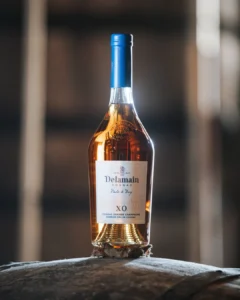
Following a structured Cognac tasting guide improves recognition of subtle differences over time. For instance, expressions like Delamain Pale And Dry Xo Grande Champagne Cognac can help illustrate how balance and subtlety appear in refined profiles.
The Finish Where Flavour Notes Reveal True Quality
The finish refers to how long flavours remain after tasting. It is one of the clearest indicators of quality.
- A long finish suggests depth and structure
- Evolving flavours show complexity
- A smooth, warming sensation reflects balance
Short or fading finishes often signal a simpler spirit.
Age and Cognac flavour notes
Older aged Cognac tends to develop deeper and more complex flavour notes. However, age alone does not guarantee quality.
Blending plays a critical role. A well-balanced younger Cognac can feel more refined than an older one with poor integration. The key factor is how flavours come together, not just how long the spirit has aged.
How to Identify Cognac flavour notes Step by Step
- Observe the Appearance
Notice the colour, which can range from light gold to deep amber. This gives clues about aging.
- Explore the Aroma
Gently smell the Cognac to detect initial notes. Take time to notice how aromas evolve within the Cognac aroma layers.
- Taste Slowly
Allow a small sip to move across the palate. This reveals different flavour layers and enhances understanding of aroma and flavour in Cognac.
- Notice the Development
Pay attention to how flavours change from the first taste to the finish.
- Evaluate the Finish
Focus on how long the flavours last and how they fade.
Serving Factors That Influence Cognac flavour notes
Glass Shape Matters
A tulip-shaped glass helps concentrate aromas and enhances the tasting experience.
Temperature Affects Expression
Moderate temperature allows flavours to open naturally. Excess heat can hide subtle notes.
Gentle Handling Preserves Balance
Avoid aggressive swirling or warming, as it can disturb the structure of the spirit and its delicate Cognac flavour notes.
Common Mistakes When Evaluating Cognac flavour notes
- Rushing through the tasting process
- Ignoring aroma and focusing only on taste
- Expecting only sweet flavours
- Comparing different styles without context
Avoiding these mistakes leads to a clearer understanding of quality.
Training Your Palate to Recognize Cognac flavour notes
Developing a strong sense of taste takes time and consistency.
- Start with simple notes like fruit and vanilla
- Gradually explore spice and oak characteristics
- Compare different age categories
- Keep personal tasting notes to track progress
Quick Cognac flavour notes Cheat Sheet
Beginner Level
- Vanilla
- Caramel
- Fresh fruit
Intermediate Level
- Spice
- Floral tones
- Toasted oak
Advanced Level
- Nutty depth
- Earthy richness
- Complex aged character including nutty flavours in aged Cognac
Conclusion
Cognac flavour notes offer a clear window into the spirit’s quality. They reflect the journey from grape to glass, shaped by careful distillation and patient aging, including the role of French oak aging Cognac.
Reading Cognac through its flavour notes brings a different level of precision to decision-making. Solis Group collaborates with businesses building with that mindset. Connect with us to explore how informed selection can support your portfolio growth.
By focusing on balance, complexity, and finish, it becomes easier to recognize true craftsmanship. With time and attention, these details turn every tasting into a deeper and more informed experience.
FAQs
What do Cognac flavour notes reveal?
They show how the spirit was distilled, aged, and blended over time. Balanced, layered notes indicate craftsmanship, while flat profiles suggest lower refinement.
How can you identify quality Cognac quickly?
Focus on balance, smoothness, and how flavours evolve across the palate. A long, layered finish is a clear sign of higher-quality Cognac.
Why is the finish important in Cognac tasting?
The finish reveals depth and structure beyond the first sip. Long, evolving finishes indicate complexity, while short ones suggest simplicity.
What are common high-quality Cognac flavour notes?
Look for integrated fruit, soft spice, light vanilla, and subtle oak. Nutty and earthy tones often appear in well-aged, refined expressions.
What flavour notes indicate poor Cognac quality?
Harsh alcohol burn, excessive bitterness, or artificial sweetness are warning signs. A flat taste with no progression usually reflects limited aging or weak blending.
Does older Cognac always taste better?
Age adds depth, but balance matters more than years. A well-blended younger Cognac can feel smoother than an unbalanced older one.
How does oak aging affect Cognac flavour?
Oak adds structure with notes like vanilla, spice, and light toast. Proper aging integrates these flavours smoothly without overpowering the spirit.
Why do Cognac flavours change over time?
Oxidation and barrel aging gradually reshape the flavour profile. This process creates layered notes that evolve from fresh to complex.
-
 Pale Rose Wine change Impression in Tasting Surprise
 -
London Dry Gin Holds Its Classic Appeal than Modern Gin
-
Prestige Cuvée Champagne Showcases Winemaking Vision
-
Pinot Grigio and Sauvignon Blanc Meets Flavour Intensity
-
Understanding Pink Gin Texture with Different Temperatures
-
International Vodka Day Works Beyond Party Stereotypes
-
French Vermouth Styles Hides Herbs in Silky Wine Base
-
Oak Aged Red Wine delivers smoky warm finish
-
Rich Layered Taste Profile Dominates Blanc de Noirs
-
Vodka Taste Differ Even When Recipes Match


-
Christmas Cocktails You Can Make at Home
-
Sound Of Christmas Wine And Cheese?
-
A Fresh Take on New Year’s Resolutions
-
The Art of Smelling Wine Like a True Connoisseur
-
Looking for the Best Wine? Here's Where to Find It!
-
Read This Before You Buy Your Dad a Whisky.
-
Whiskey on the Rocks — Cool Choice or Flavor Mistake?
-
The Art of Pairing Wine with Indian Food
-
The Ingredients & Botanicals That Define Gin
-
Seven Days of Love — Wine for Valentine’s Week






-
Pale Rose Wine change Impression in Tasting Surprise
-
London Dry Gin Holds Its Classic Appeal than Modern Gin
-
Pinot Grigio and Sauvignon Blanc Meets Flavour Intensity
-
Understanding Pink Gin Texture with Different Temperatures
-
International Vodka Day Works Beyond Party Stereotypes
-
French Vermouth Styles Hides Herbs in Silky Wine Base
-
Oak Aged Red Wine delivers smoky warm finish
-
Vodka Taste Differ Even When Recipes Match
-
Light and Full-Bodied Sparkling Wines Bring Two Taste Layers
-
Maceration Time impacts Flavour in Pink Gin Styles