

Breaking Down Champagne Styles to Identify Label
Champagne is known worldwide, yet its labels often confuse even curious readers. Many bottles include terms that are not easy to decode without context.
This confusion exists because Champagne styles are built on a structured system. Each word reflects production choices, grape composition, and aging decisions.
This guide simplifies that system. It acts as both a Champagne labelling guide and a practical Champagne wine guide, helping you understand labels clearly and confidently.
What Defines Champagne Styles at the Core
To understand Champagne styles, it is important to begin with its origin.
Champagne comes from a defined region in France with a cool climate and chalk-rich soils. These conditions influence acidity, freshness, and overall structure, making Champagne regions France a key concept.
Three grapes shape most styles:
- Chardonnay offers elegance and crispness
- Pinot Noir contributes body and strength
- Pinot Meunier adds softness and fruit character
These are the primary Champagne grape varieties that influence every blend.
Champagne also follows a traditional production method, where a second fermentation occurs inside the bottle. This process creates bubbles and adds layers of complexity over time.
Champagne Styles and the Role of Blending
Blending is one of the defining features of Champagne.
Most bottles are non-vintage. This means they combine wines from multiple years, reflecting the idea of vintage vs non-vintage Champagne.
Reserve wines are often included in blends. These older wines help maintain consistency and depth.
Different producers develop their own style. Some focus on freshness, while others aim for richness or structure.
Understanding blending gives deeper insight into what a label represents.
Champagne Sweetness Levels Explained Clearly
Sweetness is an essential part of Champagne labelling.
After aging, a small amount of sugar may be added. This process, called dosage, balances acidity.
Common sweetness levels include:
- Brut Nature
- Extra Brut
- Brut
- Extra Dry
- Sec
- Demi-Sec
- Doux
The difference between Brut vs Extra Dry Champagne often causes confusion, as the naming does not always match expectations.
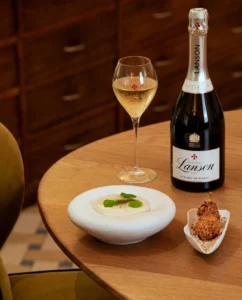
For example, Lanson Le White Label Sec Nv Champagne reflects a sweeter style category, showing how labelling connects directly to sweetness levels.
Sweetness is not only about sugar content. Acidity plays a role in how sweetness is perceived.
Champagne Styles by Grape Composition
Grape composition gives clear clues about style.
Blanc de Blancs
Made entirely from Chardonnay, this style is known for freshness and precision.
Blanc de Noirs
Produced from darker grapes, these wines are fuller and more textured.
The comparison of Blanc de Blancs vs Blanc de Noirs highlights how grape selection changes the wine’s character.
Rosé Champagne
Rosé styles are created either by blending or skin contact. They often show red fruit notes and added depth.
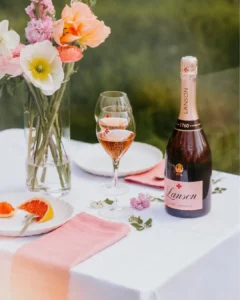
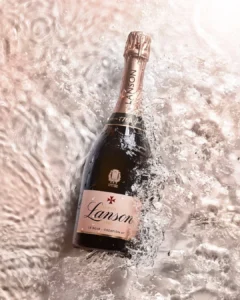
A well-known example like Lanson Le Rose Nv Champagne reflects how rosé styles balance structure with fruit expression.
Vintage vs Non-Vintage Champagne Styles
Labels often indicate whether a Champagne is vintage or non-vintage.
Non-Vintage
Blended across years for consistency.
Vintage
Produced from a single harvest, emphasizing conditions of that year and reinforcing the concept of vintage vs non-vintage Champagne.
Vintage Champagnes usually undergo longer aging, resulting in greater complexity.
Prestige Cuvée
This term is often used for a producer’s top-tier expression, showcasing their highest level of craftsmanship.
Aging and Its Impact on Champagne Styles
Aging is central to Champagne’s identity.
During aging, Champagne rests on yeast cells. This process develops Flavors such as:
- Toast
- Nuts
- Creamy textures
Some producers extend aging beyond the minimum requirements. Labels may hint at this extended process.
For instance, styles similar to Lanson Le Black Creation Nv Champagne highlight how non-vintage blends can still achieve depth through careful aging.
Vineyard Classification in Champagne Labels
Champagne uses a classification system based on vineyard origin.
- Grand Cru
- Premier Cru
- Other villages
These classifications are closely tied to Champagne regions France and their historical rankings.
While helpful, these terms do not always define the final style. They are one factor among many.
Understanding Champagne Producer Codes
Small codes on labels can reveal useful details.
Common ones include:
- NM (large producers)
- RM (grower-producers)
- CM (cooperatives)
These codes indicate who made the Champagne and how it was produced.
Grower-producers often focus on specific vineyards. Larger producers typically blend across multiple sources.
Key Champagne styles Terms You Should Know
Certain terms appear frequently on labels.
Cuvée
Can refer to a blend or the first press of juice.
Prestige or Special Selection
These are not strictly regulated but suggest higher-tier expressions.
Bottle Size
Larger formats can influence how the wine ages over time.
Each term adds another layer of understanding.
Regional Differences in Champagne Styles
Different parts of the Champagne region produce distinct styles.
- Montagne de Reims: structured and bold
- Côte des Blancs: fresh and mineral-focused
- Vallée de la Marne: fruit-forward
- Aube: richer and expressive
These differences show how geography shapes Champagne styles.
How to Read Champagne Labels Step by Step
Reading labels becomes easier with a clear method.
Look for:
- Producer type
- Sweetness level
- Vintage or non-vintage
- Grape composition
- Vineyard classification
- Special terms
This structured approach supports anyone learning how to read Champagne labels effectively.
Common Champagne styles Misconceptions
Many terms are misunderstood.
- “Extra Dry” is not the driest style, reinforcing confusion around Brut vs Extra Dry Champagne
- Vintage does not always indicate superiority
- Prestige terms are not strictly defined
- Large producers can still create complex wines
Avoiding these misconceptions improves clarity.
Conclusion
Champagne labels may seem complex at first. However, they follow a logical system.
Each term reflects decisions about grapes, blending, and aging. With the right understanding, labels become easier to interpret.
In-depth understanding of Champagne styles can shape how businesses position themselves. Solis Group supports partners who prioritize informed growth in wine and spirits. Start a conversation to see where aligned thinking can lead.
This guide works as both a Champagne labelling guide and a structured Champagne wine guide, helping you build lasting knowledge.
FAQs
What does “Brut” mean on a Champagne label?
“Brut” indicates a dry style with low sugar added after fermentation. It balances high acidity, making the wine taste crisp rather than sweet.
Why is “Extra Dry” not actually dry?
“Extra Dry” contains more sugar than Brut despite its name. The term is historical, not literal, which often leads to confusion.
What is the difference between Blanc de Blancs and Blanc de Noirs?
Blanc de Blancs uses only white grapes, typically Chardonnay, giving a lighter profile. Blanc de Noirs uses dark grapes, resulting in a fuller and more structured style.
How can you tell if Champagne is vintage or non-vintage?
Vintage Champagne shows a single harvest year on the label. Non-vintage blends multiple years and usually does not display a year.
What does dosage mean in Champagne?
Dosage is the sugar added after aging to balance acidity. It directly determines the final sweetness category on the label.
What do NM and RM codes indicate on labels?
NM refers to large producers who blend wines from multiple sources. RM indicates grower-producers who make wine from their own vineyards.
Does “Grand Cru” guarantee better Champagne?
Grand Cru refers to grapes from top-rated villages, not guaranteed quality. Final style still depends on blending, aging, and producer decisions.
Why are most Champagnes non-vintage?
Non-vintage blending ensures consistent taste across years. Producers use reserve wines to maintain a stable house style.
-
 Rich Layered Taste Profile Dominates Blanc de Noirs
 -
Vodka Taste Differ Even When Recipes Match
-
Craft Beer and Regular Beer gap Starts with Brewing Intent
-
Rare Cellars Hide Grande Champagne Cognac Stories
-
Light and Full-Bodied Sparkling Wines Bring Two Taste Layers
-
Maceration Time impacts Flavour in Pink Gin Styles
-
Rare Vintage Port Wine Peak Expression of Douro Vineyards
-
Vodka and Wine showed Two Worlds of Aroma
-
Whiskey Colour Spectrum from Pale Gold to Ebony Depths
-
Gewurztraminer White Wine Reveals Floral Spice Magic


-
Christmas Cocktails You Can Make at Home
-
Sound Of Christmas Wine And Cheese?
-
A Fresh Take on New Year’s Resolutions
-
The Art of Smelling Wine Like a True Connoisseur
-
Looking for the Best Wine? Here's Where to Find It!
-
Read This Before You Buy Your Dad a Whisky.
-
Whiskey on the Rocks — Cool Choice or Flavor Mistake?
-
The Art of Pairing Wine with Indian Food
-
The Ingredients & Botanicals That Define Gin
-
Seven Days of Love — Wine for Valentine’s Week




-
Vodka Taste Differ Even When Recipes Match
-
Light and Full-Bodied Sparkling Wines Bring Two Taste Layers
-
Maceration Time impacts Flavour in Pink Gin Styles
-
Rare Vintage Port Wine Peak Expression of Douro Vineyards
-
Vodka and Wine showed Two Worlds of Aroma
-
Whiskey Colour Spectrum from Pale Gold to Ebony Depths
-
Gewurztraminer White Wine Reveals Floral Spice Magic
-
Pinot Noir and Merlot aroma notes mapped to clear flavours
-
Vermouth styles broken down by taste impact not wine Language
-
Gin ABV Clarity Leads to More Confident Gin Selection