
Beer Debate Settled with Real Lager and ale taste Secrets
The Beer lager and ale taste debate has stayed alive for years, not because it is complex, but because it is often explained in the wrong way. Many comparisons focus on colour, bitterness, or strength. These factors only tell part of the story.
A pale beer can be either lager or ale. A dark beer can also belong to both categories. Bitterness varies widely across styles, making it an unreliable guide. This confusion leaves many beer lovers relying on guesswork instead of understanding.
The real difference lies deeper. It starts with how each beer is made and how that process shapes taste, aroma, and texture. Once this connection becomes clear, the debate becomes much easier to understand, especially through a clear lager and ale taste comparison.
Beer Lager and ale taste difference Starts with Fermentation
The foundation of Beer lager and ale taste comes from fermentation. This single step creates two distinct taste paths and defines the difference between them.
Lager Fermentation Explained Simply
Lagers use yeast that works at cooler temperatures. This slower process creates a clean and controlled profile. The yeast produces fewer flavour-active compounds, which allows subtle notes to stand out.
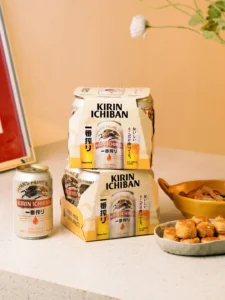
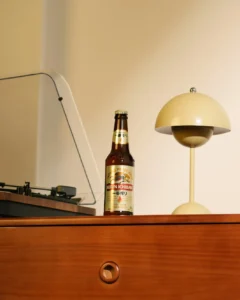
The result is a beer that feels crisp, smooth, and balanced. This is the signature trait of lager beer, often reflected in refined examples like Kirin Ichiban Beer where clarity and precision define the experience.
Ale Fermentation Explained Simply
Ales ferment at warmer temperatures. This faster activity creates more flavour compounds. The yeast becomes more expressive, adding fruity or slightly spicy notes.
This leads to a beer that feels richer and more layered, which is why styles like pale ale stand out for their character.
Why Fermentation Shapes Taste Directly
Fermentation is not just a technical step. It defines what you experience in the glass. Cooler fermentation limits complexity but enhances clarity. Warmer fermentation increases complexity and aroma intensity.
This is the real starting point of the Beer lager and ale taste difference.
Real Beer Lager and ale taste Secrets You Can Notice
Understanding taste differences becomes easier when broken into clear sensory elements. This is where a practical beer taste chart approach helps decode what you feel.
Flavour Profile Differences
Lagers focus on clean flavours. You may notice soft grain notes, light sweetness, or a gentle bitterness. The taste stays controlled and consistent.
Ales offer more variety. Fruity hints, mild spice, or deeper malt tones often appear. The flavour feels more dynamic, as seen across beer styles lager and ale.
Aroma That Shapes First Impressions
Aroma plays a major role in perception. Lagers tend to have a light and fresh smell. Nothing feels overwhelming.
Ales often present stronger aromas. You may detect fruit-like or floral notes even before the first sip.
Mouthfeel and Texture
Lagers feel crisp and light on the palate. The texture supports easy flow without heaviness.
Ales often feel fuller. The texture can be soft, rounded, or slightly rich depending on the style.
Finish and Aftertaste
Lagers usually end with a clean and short finish. The taste fades quickly, leaving a refreshing impression.
Ales tend to linger. The aftertaste can evolve and stay longer, adding to the overall experience.
How Ingredients Influence Beer Lager and ale taste flavour
While fermentation leads the difference, ingredients shape how that difference appears.
Malt Character
Lagers highlight base malts. This creates subtle sweetness and a clean grain profile.
Ales use malt to build layers. This can lead to deeper or more varied taste notes.
Hop Expression
In lagers, hops are often balanced and restrained. They support the overall profile without taking control.
In ales, hops can vary widely. Some styles emphasize aroma and bold character, while others stay balanced.
Yeast as the Flavour Driver
Yeast plays the most important role in Beer lager vs ale. It does more than convert sugar. It creates the compounds that define aroma and taste.
Understanding yeast helps explain why two beers with similar ingredients can taste completely different, strengthening any lager and ale taste comparison.
What a Brewing History Shaped Beer Lager and ale taste Styles
The origins of Beer lager and ale connect closely to climate and tradition.
Ales developed in regions where warmer conditions supported faster fermentation. This made them easier to produce in earlier times.
Lagers evolved in colder regions. Brewers used low temperatures to control fermentation, creating cleaner profiles.
Over time, these methods became defining traits. Today, they still influence how each beer tastes.
Popular Beer Lager and ale taste Styles Explained
Each category includes multiple beer styles that highlight its core traits.
Lager Styles
- Pilsner: light, crisp, slightly bitter
- Helles: smooth, balanced, mild sweetness
- Dunkel: darker, soft malt focus
- Bock: richer body with deeper malt character
These are classic examples of lager beer diversity, with well-crafted references like Kirin Ichiban Beer showcasing how precision brewing enhances subtle flavour clarity.
Ale Styles
- Pale Ale: balanced with noticeable aroma
- India Pale Ale: bold, aromatic, layered
- Stout: dark, rich, roasted notes
- Belgian Ale: complex with fruity or spicy hints
Styles like pale ale highlight how expressive ales can be across beer styles lager and ale.
Choosing Beer Lager and ale taste based on Taste Preference
Preference plays a key role in this comparison.
When Lager Fits Better
- You enjoy clean and simple flavours
- You prefer a crisp and refreshing finish
- You want consistency in taste
When Ale Fits Better
- You enjoy bold and layered flavours
- You notice aroma differences easily
- You prefer a richer mouthfeel
There is no better option. The choice depends on what your palate values.
Food Pairing Logic Behind Beer Lager vs Ale
Pairing works best when flavour intensity matches.
Lager Pairing Approach
Lagers pair well with lighter or salty foods. Their clean finish balances richness without overpowering the dish.
Ale Pairing Approach
Ales complement richer or more complex foods. Their layered profile interacts well with strong flavours.
How to Train Your Palate for Beer Lager vs Ale
Recognizing differences becomes easier with a simple approach.
- Start with aroma before tasting
- Take a slow sip and notice texture
- Focus on how the taste ends
- Compare two styles side by side
This method builds awareness over time. A structured beer taste chart mindset helps identify patterns faster, making any beer guide more useful.
Why the Beer Lager and ale taste debate Still Exists
The debate continues because taste is personal.
Some people prefer clarity and balance. Others enjoy complexity and variation. Branding and perception also influence choices.
Without understanding the process, many rely on surface traits. This keeps the discussion active even today.
Conclusion
The Beer lager and ale taste debate is not about which is better. It is about understanding how each style delivers a different experience.
Lagers offer clarity, balance, and crispness. Ales bring depth, aroma, and complexity.
Understanding lager vs ale goes beyond taste, it builds sharper product awareness. Solis Group brings a thoughtful approach to sourcing across global categories. Connect to strengthen your business with a more informed approach.
Once the real taste drivers become clear, choosing between them feels natural. A well-structured beer guide removes confusion and replaces it with clarity.
FAQs
What defines lager vs ale in beer?
The defining factor is fermentation method and temperature, not colour or strength. Lager’s ferment cold for clean profiles, while ales ferment warm for expressive flavours.
Why do lagers taste cleaner than ales?
Cold fermentation limits ester and phenol production during brewing. This results in a smoother, more refined flavour with minimal aroma complexity.
Why are ales more aromatic than lagers?
Warmer fermentation encourages yeast to produce flavour-active compounds. These compounds create fruity, spicy, and layered aromas in ales.
Is bitterness higher in lager or ale?
Bitterness depends on style, not category alone. Some ales are highly bitter, while many lagers maintain balanced bitterness.
Does yeast impact beer flavour significantly?
Yeast is the primary driver of aroma and flavour development. It creates esters and phenols that define the sensory profile of beer.
Why do ales feel heavier than lagers?
Ales often retain more complex compounds from warmer fermentation. This creates a fuller body and richer texture on the palate.
How does fermentation temperature affect beer taste?
Lower temperatures produce clean, subtle flavours with less variation. Higher temperatures increase complexity, aroma, and flavour depth.
Are all light beers lagers?
No, colour does not determine whether a beer is lager or ale. Both categories include light and dark styles with varied flavour profiles.
-
 Fins Bois Cognac Delivers Character Without Spotlight
 -
Sherry Casks Add Rich Layers to Scotch Whisky Maturation
-
Pale Rose Wine change Impression in Tasting Surprise
-
London Dry Gin Holds Its Classic Appeal than Modern Gin
-
Prestige Cuvée Champagne Showcases Winemaking Vision
-
Pinot Grigio and Sauvignon Blanc Meets Flavour Intensity
-
Understanding Pink Gin Texture with Different Temperatures
-
International Vodka Day Works Beyond Party Stereotypes
-
French Vermouth Styles Hides Herbs in Silky Wine Base
-
Oak Aged Red Wine delivers smoky warm finish
-
Christmas Cocktails You Can Make at Home
-
Sound Of Christmas Wine And Cheese?
-
A Fresh Take on New Year’s Resolutions
-
The Art of Smelling Wine Like a True Connoisseur
-
Looking for the Best Wine? Here's Where to Find It!
-
Read This Before You Buy Your Dad a Whisky.
-
Whiskey on the Rocks — Cool Choice or Flavor Mistake?
-
The Art of Pairing Wine with Indian Food
-
The Ingredients & Botanicals That Define Gin
-
Seven Days of Love — Wine for Valentine’s Week




-
Sherry Casks Add Rich Layers to Scotch Whisky Maturation
-
Pale Rose Wine change Impression in Tasting Surprise
-
London Dry Gin Holds Its Classic Appeal than Modern Gin
-
Pinot Grigio and Sauvignon Blanc Meets Flavour Intensity
-
Understanding Pink Gin Texture with Different Temperatures
-
International Vodka Day Works Beyond Party Stereotypes
-
French Vermouth Styles Hides Herbs in Silky Wine Base
-
Oak Aged Red Wine delivers smoky warm finish
-
Vodka Taste Differ Even When Recipes Match
-
Light and Full-Bodied Sparkling Wines Bring Two Taste Layers