
Vodka Taste Differ Even When Recipes Match
Vodka is often assumed to be uniform because most labels highlight simple compositions. On paper, many spirits share the same structure: neutral base alcohol and water. Yet the real experience tells a different story.
The vodka taste difference becomes clear when sensory factors are compared closely. Even when the base composition looks identical, the way it is processed creates a distinct identity in texture, smoothness, and finish.
This is why two vodkas can feel unrelated in experience, even when they start from similar foundations.
Understanding Vodka Ingredients Beyond the Label
The idea of vodka ingredients being simple often hides the complexity behind production. Most vodkas rely on basic inputs, but the transformation process defines the outcome.
The vodka water base plays a critical role in shaping softness and structure. Water is not just dilution; it influences how the spirit carries across the palate.
This is the first stage where vodka taste difference begins to form, even before distillation or filtration begins.
Why Vodka Taste Difference Starts at the Raw Material Stage
Even when the same category of grain or potato is used, the result is not identical. This is where the contrast between grain vodka vs potato vodka becomes relevant.
Grain-based spirits often feel lighter and sharper in structure, while potato-based spirits tend to feel rounder and slightly heavier on the palate. However, these are not fixed rules but general sensory directions.
This early variation becomes the foundation of why vodkas taste different, even before processing begins.
Vodka Production Process and Its Impact on Final Character
The vodka production process determines how raw materials are transformed into finished spirit. Small adjustments at each stage influence clarity, structure, and mouthfeel.
Key stages include fermentation, distillation, and blending. Each step contributes to the final sensory outcome rather than just alcohol strength or purity.
This is where subtle but consistent vodka taste difference begins to appear across brands using similar ingredients.
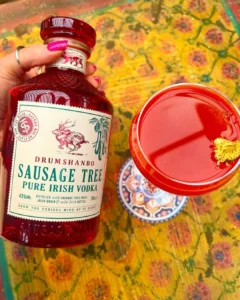
A good example of controlled structure and balance can be seen in premium expressions such as Sausage Tree Pure Irish Vodka where production precision defines clarity and smoothness rather than raw intensity.
Vodka Distillation Cycles and Purity Control
The number of vodka distillation cycles directly influences how refined or structured the spirit becomes. More cycles generally lead to higher purity, but they also affect body and texture.
A highly distilled vodka may feel extremely clean, while fewer cycles can retain slight character and depth.
This balance plays a major role in defining why vodkas taste different, even when starting from similar raw inputs.
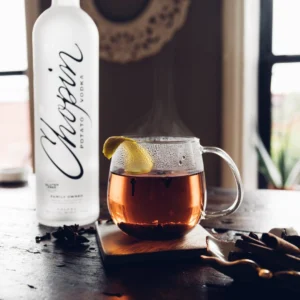
Some expressions, such as Chopin Potato Vodka, show how potato-based distillation can still retain a soft structural body while maintaining refinement.
Vodka Filtration Methods That Change Texture
Filtration is one of the most important shaping stages in vodka production. Different vodka filtration methods remove impurities and influence smoothness in different ways.
Among these, charcoal filtered vodka is widely known for producing a cleaner and more refined profile. However, filtration intensity also impacts body and mouthfeel.
Stronger filtration often leads to lighter texture, while moderate filtration can retain subtle structure. This directly affects vodka mouthfeel texture and overall experience.
Even within the same production family style, expressions like Chopin Family Reserve Vodka highlight how controlled filtration and extended refinement can shift texture toward a more layered and structured feel.
Vodka Taste Difference Comparison Across Styles
Smoothness is often the first quality people notice, but it is also one of the most misunderstood.
A vodka smoothness comparison shows that smoothness is not just absence of harshness. It is the balance between entry, mid-palate flow, and finish control.
Even vodkas made from similar vodka ingredients can feel very different depending on refinement levels. Smoothness is therefore a structural outcome, not just a surface impression.
Vodka Finish Differences and Aftertaste Behaviour
The ending sensation of vodka plays a major role in perception. Vodka finish differences can range from quick and clean fade to a slightly lingering dry structure.
Finish is shaped by filtration, distillation precision, and water composition. It is not an added feature but a result of production decisions.
This is where long-term perception of quality is often formed in a tasting experience.
Vodka Taste Difference Profile and Subtle Sensory Signals
The vodka flavour profile is typically subtle, but it still exists in small variations. Some spirits show faint grain sweetness, while others remain completely neutral.
These differences are not strong flavours but gentle impressions in texture and finish. They become more noticeable when comparing multiple vodkas side by side.
This is also where structured evaluation tools like a vodka tasting guide help in identifying small sensory shifts.
Vodka Comparison Guide Differences Become Clear
A structured vodka comparison guide helps isolate key sensory elements rather than relying on general impressions.
When comparing two vodkas, focus shifts across:
- Entry mouth feels on the palate
- Mid-palate texture movement
- Finish length and clarity
- Mouthfeel consistency
These checkpoints highlight how vodka mouthfeel texture and notes vary even when ingredients remain similar.
Why Vodkas Taste Different Even with Similar Ingredients
The final explanation lies in layered production differences rather than ingredient lists. Small variations in filtration, distillation, and water composition accumulate into noticeable sensory changes.
This is the core of why vodkas taste different in real experience. The spirit is shaped more by process than by base composition alone.
Even when two vodkas share similar foundations, their sensory identity becomes unique through production design.
Conclusion
Vodka may begin with similar vodka ingredients, but the journey from raw material to finished spirit defines everything that follows. Differences in vodka production process, vodka distillation cycles, and vodka filtration methods create variation in texture, smoothness, and finish.
This topic helps understand how production choices shape vodka character beyond ingredients. Solis Group works with curated spirits that reflect such depth in process and structure. Connect with us to discuss potential business collaboration and curated spirit selection support.
Understanding these layers makes it clear why vodka cannot be judged by composition alone. The experience is shaped by transformation, not just ingredients.
FAQs
Why do similar vodkas taste different?
Even similar vodkas differ due to distillation, filtration, and water structure. These production steps change texture and finish, not ingredients.
Does vodka ingredient type change taste?
Yes, grain or potato bases create different body and mouthfeel. Grain feels lighter, while potato often feels rounder and fuller.
What affects vodka smoothness most?
Smoothness depends more on filtration and distillation than ingredients. Refinement level controls how sharp or soft the spirit feels.
Do more distillation cycles always improve vodka?
More cycles increase purity but can reduce body and structure. Balance matters more than maximum refinement.
How does filtration change vodka taste?
Filtration removes impurities but also shapes texture. Heavy filtration creates cleaner vodka, while lighter methods preserve slight character.
Is vodka flavour always neutral?
Vodka is neutral in strong taste but not in subtle perception. Small differences appear in sweetness, dryness, and finish feel.
What creates vodka finish differences?
Finish is shaped by distillation precision and water balance. It determines whether vodka fades quickly or lingers softly.
Why does vodka feel different on the tongue?
Texture differences come from water base and production control. These factors affect entry feel and mid-palate structure.
-
 Rich Layered Taste Profile Dominates Blanc de Noirs
 -
Vodka Taste Differ Even When Recipes Match
-
Craft Beer and Regular Beer gap Starts with Brewing Intent
-
Rare Cellars Hide Grande Champagne Cognac Stories
-
Light and Full-Bodied Sparkling Wines Bring Two Taste Layers
-
Maceration Time impacts Flavour in Pink Gin Styles
-
Rare Vintage Port Wine Peak Expression of Douro Vineyards
-
Vodka and Wine showed Two Worlds of Aroma
-
Whiskey Colour Spectrum from Pale Gold to Ebony Depths
-
Gewurztraminer White Wine Reveals Floral Spice Magic



-
Christmas Cocktails You Can Make at Home
-
Sound Of Christmas Wine And Cheese?
-
A Fresh Take on New Year’s Resolutions
-
The Art of Smelling Wine Like a True Connoisseur
-
Looking for the Best Wine? Here's Where to Find It!
-
Read This Before You Buy Your Dad a Whisky.
-
Whiskey on the Rocks — Cool Choice or Flavor Mistake?
-
The Art of Pairing Wine with Indian Food
-
The Ingredients & Botanicals That Define Gin
-
Seven Days of Love — Wine for Valentine’s Week







-
Vodka Taste Differ Even When Recipes Match
-
Light and Full-Bodied Sparkling Wines Bring Two Taste Layers
-
Maceration Time impacts Flavour in Pink Gin Styles
-
Rare Vintage Port Wine Peak Expression of Douro Vineyards
-
Vodka and Wine showed Two Worlds of Aroma
-
Whiskey Colour Spectrum from Pale Gold to Ebony Depths
-
Gewurztraminer White Wine Reveals Floral Spice Magic
-
Pinot Noir and Merlot aroma notes mapped to clear flavours
-
Vermouth styles broken down by taste impact not wine Language
-
Gin ABV Clarity Leads to More Confident Gin Selection