
Oak Aged Red Wine delivers smoky warm finish
Oak Aged Red wine often surprises people with how different it can taste even when it comes from similar grapes. The main reason is not always the grape variety itself. The real difference comes from how the wine is treated after fermentation.
Some wines are placed in oak barrels for aging, while others are kept in neutral containers without any wood contact. This single choice creates two completely different tasting styles.
One style becomes soft, layered, and rich. The other stays bright, crisp, and fruit-focused. This contrast is the foundation of understanding modern red wine styles.
Oak Aged Red Wine Adds Smooth Richness Through Controlled Barrel Aging
Oak aging is one of the most important traditional methods in winemaking. It is used to shape structure, improve texture, and build complexity over time.
How oak barrels influence the wine aging process
Oak barrels are not just storage containers. They actively interact with wine during the wine aging process. Tiny amounts of oxygen pass through the wood, allowing slow and controlled maturation.
This gentle oxygen exposure softens red wine tannins and reduces sharp edges in the wine. It also helps flavours merge more smoothly, creating a balanced structure.
At the same time, oak contributes natural compounds that gradually change aroma and taste.
Flavour transformation inside oak aged red wine
Oak aging introduces additional layers of flavour that are not present in freshly fermented wine. These include:
- Vanilla-like softness
- Warm baking spice notes
- Toasted wood character
- Light smoky undertones
- Subtle caramel depth
These elements sit alongside the natural fruit character of the wine, creating a more complex drinking experience.
How oak changes texture and mouthfeel
Oak aging has a strong impact on texture. Over time, tannins become rounder and less aggressive.
This leads to:
- A smoother mouthfeel
- A fuller body
- Reduced sharpness in acidity
- A longer, more structured finish
The result is a wine that feels more polished and layered.
Unoaked Red Wine Emphasizes Acidity Freshness
Unoaked red wines take a completely different approach. Instead of developing in wood, they are matured in stainless steel or neutral tanks that do not add flavour.
Pure grape expression without wood influence
Without oak contact, the wine remains closer to its natural state. The focus stays on grape character rather than external influence.
This allows the true identity of the fruit to remain clear and direct.
Fresh and fruit-forward flavour profile
Unoaked wines typically show bright and lively flavours such as:
- Fresh cherry
- Red berry notes
- Juicy plum character
- Light floral hints
- Clean fruit finish
These wines feel more vibrant and less layered compared to oak aged styles.
Why acidity stands out more in unoaked wines
Acidity plays a stronger role when oak is not present. Since there is no barrel softening effect, the structure feels sharper and more direct.
This creates:
- A crisp mouthfeel
- A lively taste profile
- A refreshing finish
- A lighter overall structure
This is where the contrast with oak aged wines becomes very clear.
Oak Aged vs Unoaked Red Wine Flavour Differences Explained
The difference between both styles becomes most visible when comparing structure, aroma, and taste side by side.
Structure and body comparison
- Oak aged red wine: full-bodied, rounded, and smooth
- Unoaked red wine: light-bodied, crisp, and energetic
Flavour intensity comparison
- Oak aged wines: layered flavours with spice, smoke, and depth
- Unoaked wines: direct fruit flavours with bright clarity
This is one of the clearest examples of wine flavour differences in modern winemaking.
Aromatic profile contrast
- Oak aged wines: vanilla, toasted wood, spice, cocoa-like tones
- Unoaked wines: fresh berries, cherry, and clean fruit aromas
The aroma structure is often the first indicator of style.
Finish and aftertaste difference
- Oak aged wines: long, smooth, and warming finish
- Unoaked wines: short, crisp, and refreshing finish
How Oak Aging Builds Depth and Complexity Over Time
Oak aging is a slow transformation process that gradually changes wine structure.
Gradual development inside barrels
Wine evolves slowly inside oak due to controlled oxygen exposure. This slow process allows flavours to integrate naturally instead of remaining separate.
Over time, harsh edges soften and the wine becomes more stable.
Layered complexity in structured wines
Oak aging builds multiple layers of flavour. Instead of a single dominant taste, the wine develops depth and dimension.
This is especially noticeable in structured wines like Cabernet Sauvignon oak aging, where tannins and oak interact over extended periods.
Improved aging potential
Wines aged in oak often develop better long-term structure. The barrel influence helps stabilize the wine, allowing it to evolve further after bottling.
A good example of this style contrast can also be seen in wines like Hobnob Pinot Noir Red Wine, where subtle oak influence can gently shape softness and fruit balance.
Why Unoaked Red Wines Focus on Freshness and Simplicity
Unoaked wines highlight clarity and direct expression without additional influence.
Grape-first identity
Without oak interference, the grape remains the central focus. This makes the wine easier to understand and more transparent in style.
Crisp and energetic drinking style
Unoaked wines feel livelier due to their fresh fruit expression and noticeable acidity.
This creates a style that is:
- Bright
- Light
- Clean
- Direct
Simple and clear flavour structure
Unoaked wines are easier to interpret because they have fewer layers of complexity. The taste reflects the grape more directly without external influence.
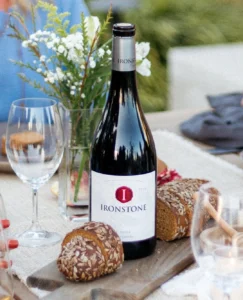
A clear expression of this unoaked style can be seen in wines like Ironstone Pinot Noir Red Wine, which highlights fruit-driven character with minimal barrel influence.
Oak Aged vs Unoaked Red Wine Key Differences
Taste direction
- Oak aged: rich, smoky, spicy, and layered
- Unoaked: fruity, fresh, clean, and bright
Texture difference
- Oak aged: smooth and rounded
- Unoaked: crisp and light
Style identity
- Oak aged wines focus on depth and complexity
- Unoaked wines focus on freshness and purity
When Each Red Wine Style Fits Best
Oak aged red wine suits when
It is preferred for:
- Deep, layered structure
- Smooth texture
- Long, complex finish
- Mature flavour style
Unoaked red wine suits when
It is preferred for:
- Fresh fruit expression
- Light and crisp structure
- Simple flavour profile
- Bright acidity
Conclusion
Oak aged and unoaked red wines represent two different winemaking philosophies. One builds richness through time, oxygen, and wood influence. The other preserves freshness by avoiding external impact.
Oak aged and unoaked red wines highlight how aging style defines richness, freshness, and structure in wine. Solis Group brings global wine expertise and curated selections to support evolving market needs in India. Let us connect to explore collaboration opportunities that help strengthen and grow your wine business network.
The comparison between oak aged red wine and unoaked red wine shows how aging style shapes aroma, texture, and taste more than anything else. Both styles remain important, offering completely different ways to experience red wine.
FAQs
What changes in oak aged red wine?
Oak aging adds oxygen contact and wood compounds. This softens tannins and builds deeper, layered flavours over time.
Why does unoaked red wine taste fresher?
Unoaked wine avoids barrel influence completely. This keeps acidity and natural fruit notes more direct and brighter.
How does oak affect red wine flavour?
Oak introduces spice, vanilla, and light smoky tones. It shifts wine from simple fruit to multi-layered complexity.
How does oak change wine aroma?
Oak builds a richer aroma profile with spice and toasted notes. It also adds depth beyond natural fruit aromas.
Which grapes make the best rosé wine?
Varieties like Grenache, Syrah, Sangiovese, and Tempranillo are commonly used, but almost any red grape can make rosé wine.
Does oak aging reduce acidity?
Yes, oak aging softens perceived acidity through slow oxygen exposure. This creates a rounder, smoother mouthfeel in the wine.
Why do oak aged wines feel smoother?
Tannins integrate slowly during barrel aging. This reduces sharp edges and creates a velvety texture.
What defines unoaked red wine character?
It focuses on pure grape expression without external influence. Fruit, acidity, and freshness remain the core tasting elements.
-
 French Vermouth Styles Hides Herbs in Silky Wine Base
 -
Oak Aged Red Wine delivers smoky warm finish
-
Rich Layered Taste Profile Dominates Blanc de Noirs
-
Vodka Taste Differ Even When Recipes Match
-
Craft Beer and Regular Beer gap Starts with Brewing Intent
-
Rare Cellars Hide Grande Champagne Cognac Stories
-
Light and Full-Bodied Sparkling Wines Bring Two Taste Layers
-
Maceration Time impacts Flavour in Pink Gin Styles
-
Rare Vintage Port Wine Peak Expression of Douro Vineyards
-
Vodka and Wine showed Two Worlds of Aroma


-
Christmas Cocktails You Can Make at Home
-
Sound Of Christmas Wine And Cheese?
-
A Fresh Take on New Year’s Resolutions
-
The Art of Smelling Wine Like a True Connoisseur
-
Looking for the Best Wine? Here's Where to Find It!
-
Read This Before You Buy Your Dad a Whisky.
-
Whiskey on the Rocks — Cool Choice or Flavor Mistake?
-
The Art of Pairing Wine with Indian Food
-
The Ingredients & Botanicals That Define Gin
-
Seven Days of Love — Wine for Valentine’s Week




-
French Vermouth Styles Hides Herbs in Silky Wine Base
-
Oak Aged Red Wine delivers smoky warm finish
-
Vodka Taste Differ Even When Recipes Match
-
Light and Full-Bodied Sparkling Wines Bring Two Taste Layers
-
Maceration Time impacts Flavour in Pink Gin Styles
-
Rare Vintage Port Wine Peak Expression of Douro Vineyards
-
Vodka and Wine showed Two Worlds of Aroma
-
Whiskey Colour Spectrum from Pale Gold to Ebony Depths
-
Gewurztraminer White Wine Reveals Floral Spice Magic
-
Pinot Noir and Merlot aroma notes mapped to clear flavours