
French Vermouth Styles Hides Herbs in Silky Wine Base
French vermouth styles are built around one clear idea: balance over intensity. It belongs to the category of aromatized wines, where wine is infused with botanicals, but the French approach keeps everything restrained and elegant.
Instead of loud bitterness or aggressive spice, this style focuses on smooth integration. The wine remains clearly visible, while herbs and aromatics work in the background to shape depth. The result is a refined drinking profile that feels layered, controlled, and polished.
What makes it stand apart is not what is added, but how quietly everything comes together. Nothing feels forced. Every note has space, yet no note dominates.
The Core Identity of French Vermouth Style
French vermouth style is defined by restraint, clarity, and softness. It is designed to support rather than overpower.
Core identity pillars:
- Wine remains the central structure
- Botanicals are subtle and well-integrated
- Sweetness is balanced, not dominant
- Bitterness is controlled and soft
- Texture is smooth and rounded
This identity makes it highly versatile and easy to integrate into different drinking formats without disrupting balance.
The Silky Wine Base as the Foundation
The most important element in French vermouth style is the wine base. It determines how every other component behaves.
A carefully chosen white wine base brings:
- Texture and mouthfeel
The wine creates a silky structure that feels smooth on the palate. It avoids sharp edges and keeps the experience fluid.
- Flavour neutrality with character
The base is expressive enough to contribute freshness but neutral enough to allow botanicals to blend naturally.
- Structural balance
Acidity is controlled so that it supports herbal infusion instead of clashing with it.
- Seamless integration
Herbs do not sit on top of the wine; they dissolve into it, creating a unified profile.
This wine-first philosophy is what gives French vermouth style its signature softness.
Delicate Herbal Architecture in French Vermouth Styles
Unlike bold vermouth styles where botanicals are immediately noticeable, French vermouth style uses a layered and hidden approach.
Herbal structure is built in layers:
Base layer
Soft herbal tones that form the background structure. These are not immediately identifiable but shape depth.
Middle layer
Gentle floral and citrus notes that add brightness and lift.
Top layer
Very light aromatic hints that appear briefly and fade smoothly.
Common flavour directions:
- Chamomile-like softness
- Citrus peel brightness without sharp acidity
- Mild spice warmth without heat
- Light herbal freshness resembling meadow herbs
The key is integration. Herbs are blended so well that they feel like part of the wine itself.
A classic reference point for richer formulations is Dolin blanc Vermouth where herbal depth is still controlled but slightly more expressive within the same stylistic family.
Flavour Structure and Sensory Progression
The experience of French vermouth style follows a smooth journey that unfolds in stages. This is where vermouth flavour structure becomes clearly visible.
Stage 1: Opening impression
The first contact is wine-forward. It feels fresh, clean, and lightly fruity. There is no immediate bitterness or spice hit.
Stage 2: Mid-palate development
Subtle herbs begin to emerge. The texture becomes slightly more complex, with gentle floral and herbal layering building depth.
Stage 3: Structural balance point
At this stage, wine and botanicals feel fully integrated. No single element stands out. Everything feels aligned.
Stage 4: Finish
The finish is smooth, soft, and slightly aromatic. It fades gradually without harshness or dryness.
This slow progression defines the controlled elegance of French vermouth style.
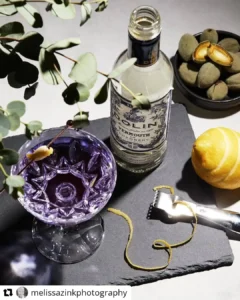
Crafting Process Behind French Vermouth Style
The production process is carefully controlled to maintain elegance and prevent overpowering extraction. This is part of the broader vermouth production process used in refined styles.
Step 1: Wine selection
Neutral or lightly expressive white wines are chosen to ensure balance and flexibility.
Step 2: Botanical design
Herbs, roots, and citrus elements are selected in controlled proportions. The focus is harmony, not intensity.
Step 3: Controlled infusion
Botanicals are infused slowly to avoid harsh extraction. Time is used as a tool to build subtlety.
Step 4: Fortification
A neutral spirit is added to stabilize the blend and lock in structure without altering softness.
Step 5: Resting and integration
The mixture rests to allow all elements to merge. This stage is critical for achieving smoothness.
This process ensures the final profile is layered but never heavy.
French Vermouth Style vs Other Vermouth Expressions
Understanding French vermouth style becomes clearer when seen through vermouth styles comparison.
French vermouth style:
- Light and wine-forward structure
- Subtle botanical presence
- Smooth, elegant finish
- Focus on harmony and balance
Stronger vermouth styles:
- Bold and bitter-driven profile
- Pronounced herbal intensity
- More aggressive spice structure
- Stronger finish impact
French vermouth style is about control and subtlety, while other styles focus on impact and strength.
Why French Vermouth Style Feels “Hidden but Complex”
A defining feature of French vermouth style is its ability to feel simple on the surface but complex underneath.
Reasons for this perception:
- Herbs are layered, not isolated
- Wine masks and carries botanical structure
- No single dominant flavour creates clarity
- Balance creates depth without heaviness
This creates a refined white vermouth profile where subtlety becomes the main strength.
A good example of this balance can be seen in expressions like Dolin Dry Vermouth, where softness and herbal layering stay closely integrated with the wine base.
Role in Modern Cocktail Structure
French vermouth styles play an important supporting role in modern mixology.
Functional roles:
- Adds softness to spirit-forward drinks
- Creates balance in layered recipes
- Enhances aroma without overwhelming taste
- Smooths harsh edges in strong spirits
It is often used as a structural ingredient rather than a dominant one, which makes it highly flexible.
Sensory Pairing Contexts
French vermouth style aligns well with lighter sensory profiles where subtlety is important.
Compatible directions:
- Light seafood preparations with delicate seasoning
- Fresh vegetable-based dishes with mild dressing
- Soft cheeses with creamy textures
- Mild herbal or citrus-based profiles
The key compatibility factor is balance rather than intensity matching.
Serving Approach and Sensory Control
Serving technique plays a role in preserving its refined character.
Best practices:
- Maintain chilled conditions for freshness
- Use clean glassware to preserve aroma clarity
- Avoid aggressive mixing that disrupts structure
- Allow controlled handling to protect texture integrity
These steps help maintain its layered profile without distortion.
Common Misinterpretations of French Vermouth Style
“It lacks depth”
Depth exists but is delivered through layering, not intensity.
“It is too light”
Lightness is intentional and designed for balance, not weakness.
“It is simple in composition”
Composition is highly controlled, requiring precision to maintain harmony.
Why French Vermouth Styles Remains Relevant
French vermouth style continues to stay relevant because it aligns with modern preferences for balanced and refined flavour structures.
Its strength lies in adaptability. It does not compete with other ingredients. Instead, it supports them, creating harmony across different combinations.
This makes it a lasting reference point in the world of aromatized wines.
Conclusion
French vermouth style is defined by restraint, balance, and seamless integration. Its silky wine base carries delicate herbs in a way that feels natural and controlled rather than bold or aggressive.
French vermouth styles reflect a layered approach where subtle botanicals and wine structure stay in harmony. Solis Group continues to work with premium beverage categories built on quality sourcing and refined taste profiles. For business discussions around imports and curated selections, reach out to explore potential partnership opportunities.
The result is a structured yet soft profile where complexity exists in layers rather than force. This quiet sophistication is what makes French vermouth style stand out as one of the most refined expressions in aromatized wine traditions.
FAQs
What defines French vermouth style?
French vermouth style is defined by a smooth wine-forward base with soft herbal layering. It avoids sharp bitterness and focuses on balance, elegance, and controlled flavour integration.
Why is French vermouth style so smooth?
Its smoothness comes from a refined white wine base that carries botanicals gently. Herbs are infused in a way that blends into texture instead of sitting on top.
How are herbs used in French vermouth style?
Herbs are layered subtly instead of being dominant or aggressive. They create background complexity while the wine remains the main structure.
How does it differ from other vermouth styles?
It focuses on softness and integration, unlike bold and bitter-forward styles. Other styles push intensity, while French vermouth style prioritizes balance.
Why does it feel less bitter?
Bitterness is intentionally controlled during infusion and blending. This allows floral and herbal notes to stay soft and layered.
What does the production process focus on?
The process focuses on slow infusion and controlled botanical extraction. This prevents overpowering flavours and preserves smooth integration.
Why is French vermouth style popular in cocktails?
It blends easily without overpowering spirits or mixers in recipes. This makes it ideal for balanced, refined cocktail structures.
What role does the wine base play?
Most rosé wine are best enjoyed young, but certain high-quality styles can age gracefully.
-
 French Vermouth Styles Hides Herbs in Silky Wine Base
 -
Oak Aged Red Wine delivers smoky warm finish
-
Rich Layered Taste Profile Dominates Blanc de Noirs
-
Vodka Taste Differ Even When Recipes Match
-
Craft Beer and Regular Beer gap Starts with Brewing Intent
-
Rare Cellars Hide Grande Champagne Cognac Stories
-
Light and Full-Bodied Sparkling Wines Bring Two Taste Layers
-
Maceration Time impacts Flavour in Pink Gin Styles
-
Rare Vintage Port Wine Peak Expression of Douro Vineyards
-
Vodka and Wine showed Two Worlds of Aroma




-
Christmas Cocktails You Can Make at Home
-
Sound Of Christmas Wine And Cheese?
-
A Fresh Take on New Year’s Resolutions
-
The Art of Smelling Wine Like a True Connoisseur
-
Looking for the Best Wine? Here's Where to Find It!
-
Read This Before You Buy Your Dad a Whisky.
-
Whiskey on the Rocks — Cool Choice or Flavor Mistake?
-
The Art of Pairing Wine with Indian Food
-
The Ingredients & Botanicals That Define Gin
-
Seven Days of Love — Wine for Valentine’s Week








-
French Vermouth Styles Hides Herbs in Silky Wine Base
-
Oak Aged Red Wine delivers smoky warm finish
-
Vodka Taste Differ Even When Recipes Match
-
Light and Full-Bodied Sparkling Wines Bring Two Taste Layers
-
Maceration Time impacts Flavour in Pink Gin Styles
-
Rare Vintage Port Wine Peak Expression of Douro Vineyards
-
Vodka and Wine showed Two Worlds of Aroma
-
Whiskey Colour Spectrum from Pale Gold to Ebony Depths
-
Gewurztraminer White Wine Reveals Floral Spice Magic
-
Pinot Noir and Merlot aroma notes mapped to clear flavours