
Sherry Casks Add Rich Layers to Scotch Whisky Maturation
Scotch whisky maturation is more than the passage of time. It is a gradual process in which the spirit interacts with oak, develops new aromas, and gains layers of character. Among the casks used for this process, sherry casks hold a special place because their wood, seasoning history, and previous use can shape the whisky in distinctive ways.
Sherry cask Scotch whisky can develop notes associated with dried fruit, nuts, spice, and rich oak. However, the influence is not the same in every whisky. The type of oak, sherry seasoning, previous cask use, warehouse conditions, and original spirit all affect the final result. Understanding these factors helps explain why two Scotch whiskies matured in sherry casks can develop very different aromas and flavours.
Understanding Sherry Casks in Scotch Whisky Maturation
A sherry cask is a wooden cask associated with the production, ageing, or seasoning of sherry wine. In Scotch whisky production, sherry-seasoned casks are valued for the character they can contribute during maturation.
The term does not describe one fixed type of wood or one guaranteed flavour profile. A sherry cask may be made from American oak or European oak, and its influence depends on how the wood was prepared and how the cask was used.
What Makes a Cask a Sherry Cask?
Oak casks are used in both wine production and whisky maturation because wood allows controlled interaction between the spirit and its surroundings. A cask can also contribute compounds that influence colour, aroma, and flavour.
Sherry casks have an additional element in their history. The wood may have been seasoned with sherry before it was prepared for whisky maturation. During this process, the wine interacts with the oak and can influence the compounds present in the wood.
When Scotch whisky enters the cask, it begins a different stage of development. The spirit interacts with the oak and the cask’s previous history over time. This process can help create aromas associated with raisins, nuts, dried fruit, and spice.
It is important to distinguish traditional sherry transport casks from casks made or prepared specifically for seasoning. Modern sherry-seasoning practices can differ from historical methods, so the term alone does not reveal the complete story behind a cask.
How Sherry Casks Reach Scotch Whisky Distilleries
Cask preparation connects Spanish sherry production with Scotch whisky maturation in Scotland.
Cooperages make casks from selected oak and prepare them according to their intended use. In sherry-seasoning programmes, sherry is held in the casks for a planned period. The wine interacts with the wood before the casks are used for whisky maturation.
The process involves several important factors:
- Oak selection: The species and quality of the wood affect its structure and the compounds it can contribute.
- Cask construction: Toasting, charring where applicable, and other preparation methods can change the wood’s properties.
- Seasoning wine: The style of sherry used can influence the cask’s history.
- Seasoning duration: The time spent seasoning the cask affects the interaction between the wine and the wood.
- Cask condition: The wood’s condition and previous use affect its potential influence on the spirit.
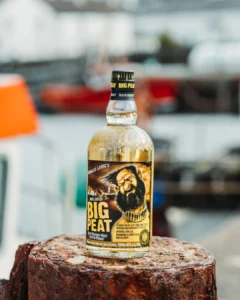
These factors explain why sherry casks cannot all be treated as identical. Big Peat Islay Blended Malt Scotch Whisky brings together the bold, smoky character associated with Islay, offering a distinctive profile shaped by peat, maritime influences, and layered malt character.
Two casks seasoned with the same style of sherry may still contribute different characteristics to Scotch whisky.
The Role of Oak in Sherry Cask Maturation
Oak provides much of the structure behind cask maturation. It contains compounds that can contribute vanilla-like, spicy, woody, and toasted notes. Its physical structure also allows gradual movement and interaction between the spirit and the wood.
During maturation, the whisky undergoes extraction and chemical changes. Some compounds move from the wood into the spirit, while other reactions help change the character of the spirit over time.
Sherry seasoning adds another layer to this process. The cask’s history may influence the compounds available to interact with the whisky, but oak remains a central part of the maturation journey.
The final character comes from the combined influence of the original spirit, oak, cask preparation, and the environment in which maturation takes place.
How Cask Compounds Shape Whisky Aroma
Aroma develops through several connected processes. Oak can release compounds that contribute woody, spicy, vanilla-like, and toasted notes. Compounds linked to the cask’s seasoning history may also influence the spirit’s aromatic profile.
At the same time, the whisky changes through chemical reactions during maturation. Oxidation and other reactions can alter the balance of compounds already present in the spirit or extracted from the wood.
This means that the sherry cask maturation process is not simply a transfer of sherry’s smell into Scotch whisky. The wine, wood, spirit, and maturation environment interact in more complex ways.
The original spirit also matters. A Single Cask Whisky spirit with a delicate character may develop differently from a robust spirit, even when both mature in similar casks.
How Sherry Casks Influence Scotch Whisky Colour
Colour is one of the visible changes associated with Scotch whisky maturation. As the spirit interacts with the wood, compounds can move from the cask into the whisky and influence its appearance.
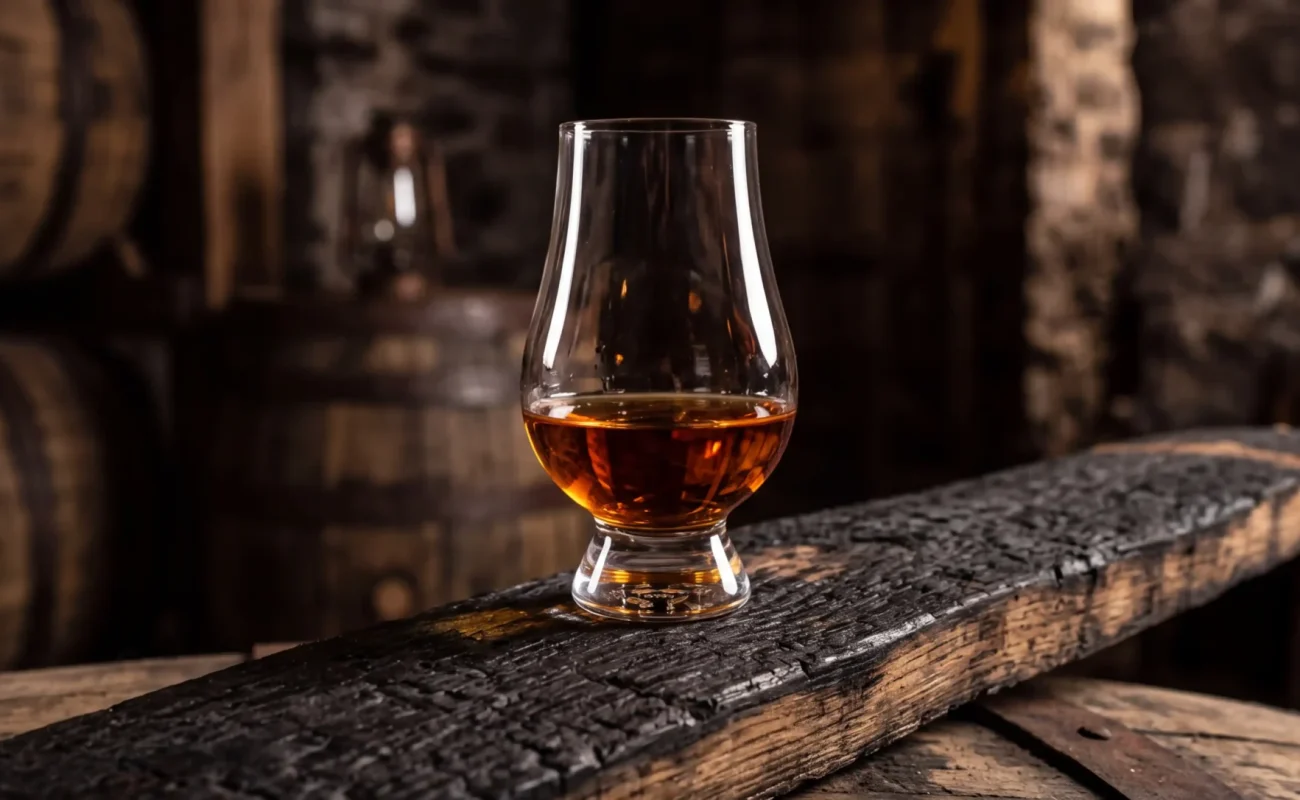
Sherry casks may contribute shades ranging from golden amber to deeper copper or brown. The result depends on several factors, including the wood, seasoning history, cask use, and maturation conditions.
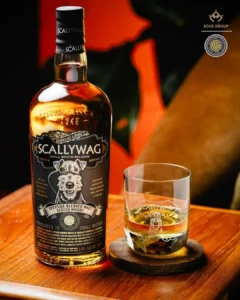
Colour alone cannot reliably establish how long a whisky has matured or how complex its aroma will be. A darker whisky is not automatically older, better, or more flavourful than a lighter one. Scallywag Speyside Blended Malt Scotch Whisky reflects Speyside’s richer side, bringing together notes of dried fruit, warming spice, and sherry-led character in a layered expression of regional malt whisky.
The cask’s influence should therefore be understood alongside the whisky’s age statement, production details, and sensory characteristics rather than judged by appearance alone.
Oloroso vs Pedro Ximénez Casks in Scotch Whisky Maturation
Oloroso and Pedro Ximénez, often shortened to PX, are two sherry styles associated with distinct sensory characteristics. When used in cask seasoning, they can influence the direction of Scotch whisky maturation.
However, the resulting whisky does not necessarily reproduce the taste of the sherry itself. The oak, seasoning process, original spirit, and maturation conditions all contribute to the final profile.
Oloroso Sherry Casks and Their Distinctive Character
Oloroso is an oxidative style of sherry. Its character is commonly associated with nuts, dried fruit, and rich, developed aromas.
Casks seasoned with Oloroso may contribute to Scotch whiskies described with notes of walnuts, raisins, spice, and oak. These characteristics can create a profile that feels structured and layered.
The final result depends on the cask’s preparation and condition. A first-fill cask may contribute a different level of oak influence from a refill cask. The character of the original spirit also affects which aromas remain noticeable.
Oloroso-seasoned casks are therefore best understood as one possible influence on maturation, rather than a guarantee of a particular taste.
Pedro Ximénez Casks and Their Rich, Sweet-Associated Notes
Pedro Ximénez is a sherry style known for its naturally sweet character and associations with raisins, dates, figs, and treacle.
When a cask has been seasoned with PX, its history may contribute to the development of Scotch whisky with rich, dark-fruit-associated aromas. Such descriptions are common in discussions of Pedro Ximénez casks, although the result varies with the wood and maturation process.
The original spirit remains important. A cask may add a pronounced layer of character, or its influence may remain more subtle.
PX seasoning should not be taken to mean that the finished Scotch whisky is simply sherry in another form. Whisky maturation involves a different spirit and a distinct set of chemical interactions.
First-Fill vs Refill Sherry Casks in Scotch Whisky Maturation
A cask’s previous use is another important factor in understanding Scotch whisky maturation. First-fill and refill casks can produce different levels of oak influence, even when their seasoning histories are similar.
First-Fill Sherry Casks and Their Stronger Cask Influence
In Scotch whisky terminology, first-fill sherry casks are generally casks being used for whisky maturation for the first time after their sherry-seasoning preparation.
Such a cask may have greater potential to contribute readily extractable oak compounds. This can lead to a more pronounced cask influence, including wood-derived spice, colour, and other aromatic characteristics.
However, first-fill does not automatically mean better quality or a richer flavour profile. The quality of the wood, seasoning method, cask condition, and original spirit all affect the result.
A strongly active cask may also dominate a delicate spirit if the maturation is not managed carefully.
Refill Sherry Casks and Their More Subtle Influence
Refill sherry casks have previously been used for whisky maturation. Some of the more readily extractable compounds in the wood may have been reduced during earlier use.
As a result, refill casks can offer a more restrained contribution from the oak. This may allow more of the distillery’s original spirit character to remain noticeable while still contributing to maturation.
Refill does not mean that the cask has no influence. The wood continues to interact with the spirit, and the cask’s previous history remains relevant.
The outcome depends on how many times the cask has been used, its condition, and the characteristics of the spirit placed inside it.
How Maturation Time Changes Cask Influence
As whisky matures, oak compounds can be extracted and chemical reactions can change the spirit’s character. Over time, some aromas may become more integrated, while other characteristics may become more noticeable.
The relationship between time and flavour is not linear. A longer maturation period does not always create a better or more balanced result.
A cask may reach a point where oak influence begins to overshadow the original spirit. Another cask may develop more gradually because its previous use has reduced its extractive strength.
This is why maturation decisions depend on the character of each cask rather than age alone.
Why Two Sherry Casks Rarely Produce Identical Results
No two casks are perfectly identical in every relevant detail. Variations in wood grain, seasoning, previous use, cask size, storage position, and spirit character can all influence maturation.
As a result, two casks filled at the same time may develop different aromas and levels of oak influence.
Distillers and blenders assess casks according to their developing character. This approach allows them to understand which casks suit a particular style and which may work better as part of a blend.
How to Understand Sherry Cask Descriptions in Scotch Whisky
Cask terminology can reveal useful information about maturation, but it is important to understand what each term actually describes.
Reading Cask Terms on Whisky Labels
Several terms commonly appear in descriptions of sherry-matured Scotch whisky:
- Sherry cask matured: Indicates maturation in a cask associated with sherry.
- Sherry cask finished: Indicates an additional maturation stage in a sherry-seasoned cask after earlier maturation elsewhere.
- First-fill sherry cask: Generally, describes the first whisky maturation use of a cask after its seasoning preparation.
- Refill sherry cask: Describes a sherry cask that has previously been used for whisky maturation.
- Oloroso-seasoned cask: Identifies the sherry style used in the cask’s seasoning history.
- PX-seasoned cask: Identifies Pedro Ximénez as the sherry style associated with seasoning.
These terms describe different aspects of a cask’s history. They should not be treated as guarantees of a particular aroma, colour, or quality.
Conclusion
Sherry casks can play an important role in shaping the aroma, colour, and flavour of Scotch whisky. Their influence comes from the interaction between oak, seasoning history, the original spirit, and the environment in which maturation takes place.
Oloroso and PX seasoning can be associated with different aromatic directions. First-fill and refill casks can also offer different levels of oak influence, while American and European oak bring their own potential characteristics. Yet none of these factors works in isolation.
Explore how sherry cask maturation shapes the depth, aroma, and character of Scotch whisky. Solis Group curate’s distinctive wines and spirits, bringing together craftsmanship, provenance, and character from across the world. Reach out to us to explore opportunities to grow your business through thoughtful industry partnerships.
Ultimately, the story of a sherry cask is not just about the wine that once occupied it. It is about how the cask’s complete history interacts with Scotch whisky over time.
FAQs
How do sherry casks affect Scotch whisky?
Sherry casks influence whisky through oak extraction and their previous seasoning history, shaping its colour, aroma, and flavour. The final character depends on the original spirit, cask condition, and maturation environment.
What aromas do sherry casks add to whisky?
Sherry-seasoned casks can contribute aromas associated with raisins, figs, nuts, and warming spices. These notes vary with the oak type, seasoning method, and previous cask use.
How do Oloroso and PX casks differ?
Oloroso casks are commonly associated with nutty, dried-fruit, and spicy notes, while PX casks are linked to raisins, dates, and richer fruit aromas. Neither style guarantees a specific flavour profile.
What makes first-fill sherry casks different?
First-fill sherry casks are generally used for whisky maturation for the first time after seasoning, offering greater potential for oak extraction. Their influence can be more pronounced than that of comparable refill casks.
Why are refill sherry casks used?
Refill sherry casks can provide a subtler oak influence because some extractable compounds have already been removed during earlier use. This can help preserve more of the original spirit's character.
Does oak type change sherry cask whisky?
Yes, American oak can contribute vanilla and coconut-like notes, while European oak is often associated with spice and tannin. Cask preparation and seasoning history also influence the final profile.
What is sherry cask finishing?
Sherry cask finishing involves transferring whisky matured in another cask into a sherry-seasoned cask for an additional period. This creates another opportunity to develop aromas and modify the whisky's existing character.
Does longer sherry cask maturation improve whisky?
Not always. Extended maturation can deepen oak influence, but excessive wood extraction may overpower the spirit's original character and reduce the overall balance.
-
 Fins Bois Cognac Delivers Character Without Spotlight
-
Sherry Casks Add Rich Layers to Scotch Whisky Maturation
-
Pale Rose Wine change Impression in Tasting Surprise
-
London Dry Gin Holds Its Classic Appeal than Modern Gin
-
Prestige Cuvée Champagne Showcases Winemaking Vision
-
Pinot Grigio and Sauvignon Blanc Meets Flavour Intensity
-
Understanding Pink Gin Texture with Different Temperatures
-
International Vodka Day Works Beyond Party Stereotypes
-
French Vermouth Styles Hides Herbs in Silky Wine Base
-
Oak Aged Red Wine delivers smoky warm finish
-
Christmas Cocktails You Can Make at Home
-
Sound Of Christmas Wine And Cheese?
-
A Fresh Take on New Year’s Resolutions
-
The Art of Smelling Wine Like a True Connoisseur
-
Looking for the Best Wine? Here's Where to Find It!
-
Read This Before You Buy Your Dad a Whisky.
-
Whiskey on the Rocks — Cool Choice or Flavor Mistake?
-
The Art of Pairing Wine with Indian Food
-
The Ingredients & Botanicals That Define Gin
-
Seven Days of Love — Wine for Valentine’s Week





-
Sherry Casks Add Rich Layers to Scotch Whisky Maturation
-
Pale Rose Wine change Impression in Tasting Surprise
-
London Dry Gin Holds Its Classic Appeal than Modern Gin
-
Pinot Grigio and Sauvignon Blanc Meets Flavour Intensity
-
Understanding Pink Gin Texture with Different Temperatures
-
International Vodka Day Works Beyond Party Stereotypes
-
French Vermouth Styles Hides Herbs in Silky Wine Base
-
Oak Aged Red Wine delivers smoky warm finish
-
Vodka Taste Differ Even When Recipes Match
-
Light and Full-Bodied Sparkling Wines Bring Two Taste Layers