
Understanding Pink Gin Texture with Different Serving Temperatures
Pink gin is often discussed for its flavour profile, but the real shift happens in texture. Temperature changes how it feels on the palate, how aromas unfold, and how smooth or sharp the overall experience becomes. Even the same bottle can feel completely different depending on how it is served.
Serving temperature controls three key elements: aroma release, alcohol perception, and mouthfeel structure. When these three shift together, the texture moves from crisp and light to rich and heavy. Understanding this range explains why pink gin can feel refreshing in one setting and dense in another.
Understanding Pink Gin Texture and Composition
Pink gin is built on a classic gin base infused with fruit or floral elements that create its signature pink tone and softer aromatic profile. These added notes influence how texture is perceived on the tongue.
Texture in spirits is not physical thickness alone. It is a combination of:
- Perceived viscosity on the palate
- Alcohol warmth and intensity
- Botanical coating effect
- Sweetness or fruit softness
Even without added sugar, fruit-forward botanicals can create a smoother and rounder mouthfeel compared to traditional dry gin.
How Temperature Affects Pink Gin Texture and Mouthfeel
Temperature plays a direct role in how aromatic compounds behave. It also changes how alcohol interacts with taste receptors.
At lower temperatures:
- Aromas stay compact and controlled
- Alcohol sharpness feels reduced but tighter
- Texture feels lighter and more structured
At higher temperatures:
- Aromas expand quickly
- Alcohol heat becomes more noticeable
- Texture feels fuller and heavier
This shift defines the overall temperature and maceration time effect on gin, where even small variations reshape mouthfeel and aromatic balance.
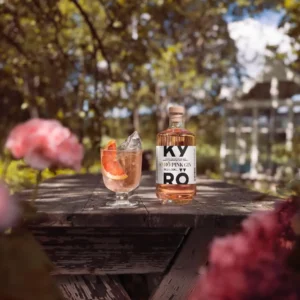
Chilled Pink Gin Texture (0°C to 6°C): Crisp and Minimalist Feel
At very low temperatures, pink gin takes on a clean and tightly structured texture.
Texture Profile
- Light-bodied feel on the palate
- Sharp and focused mouthfeel
- Minimal coating effect
Aroma and Flavour Behaviour
- Floral and fruit notes stay subtle
- Citrus elements feel restrained
- Overall profile remains controlled and crisp
Sensory Character
Chilled serving emphasizes clarity over depth. The palate experiences a fast, clean finish with limited lingering texture. Alcohol perception is softened but feels more linear.
Cool Pink Gin Texture (7°C to 12°C): Smooth and Balanced Structure
This temperature range is often where pink gin feels most balanced in texture.
Texture Profile
- Medium-light body
- Soft, smooth mouthfeel begins to develop
- Gentle coating effect without heaviness
Aromatic Expression
- Fruit and floral notes become more visible
- Botanical structure feels layered rather than flat
- Alcohol presence stays controlled
Sensory Character
This range creates harmony between freshness and softness. The texture feels rounded without becoming heavy, aligning closely with a structured spirits tasting temperature guide approach.
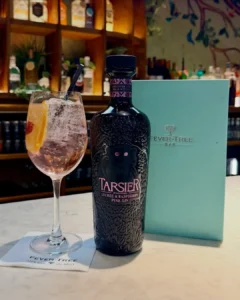
Room Temperature Pink Gin Texture (18°C to 22°C): Full and Aromatic Body
At room temperature, pink gin shows its most expressive and textured form.
Texture Profile
- Noticeably fuller mouthfeel
- Slightly syrup-like perception from aromatics
- Stronger palate coating effect
Aromatic Expansion
- Fruit notes become richer and more dominant
- Floral layers open up significantly
- Botanicals feel deeper and more complex
Sensory Character
This range highlights depth over freshness. The texture becomes more immersive, with longer presence on the palate and increased aromatic density. It also reflects how room conditions influence overall structure in spirits like Kyro Pink Gin, where botanical expression becomes more rounded and pronounced.
Warm Pink Gin Texture (Above 22°C): Heavy and Alcohol-Forward Feel
When temperature increases beyond room level, the texture shifts significantly.
Texture Profile
- Dense and heavier mouthfeel
- Reduced crispness and clarity
- Strong coating sensation
Aromatic Behaviour
- Sweet fruit notes may feel amplified
- Citrus brightness becomes less defined
- Alcohol warmth becomes more prominent
Sensory Character
The structure loses definition as warmth dominates perception. The texture feels slower and more intense, with reduced freshness.
Temperature Comparison of Pink Gin Texture
A clear comparison helps highlight the full range:
- Chilled: Light, crisp, minimal coating
- Cool: Smooth, balanced, structured
- Room Temperature: Full-bodied, aromatic, rich
- Warm: Heavy, dense, alcohol-forward
Each range offers a different interpretation of the same liquid, shaped by controlled serving conditions similar to those used in premium styles like Tarsier Oriental Pink Gin.
How Ice and Dilution Influence Pink Gin Texture
Ice does more than cool the drink. It continuously changes texture over time.
Initial Stage
- Strong chill effect
- Tight texture with reduced aroma release
Melting Stage
- Gradual softening of mouthfeel
- Increased aromatic expansion
- Smoother texture development
Final Stage
- Dilution creates lighter body
- Texture becomes more fluid and less structured
Ice acts as a dynamic modifier rather than a static cooling element.
Role of Glassware in Texture Perception
Glass shape also influences how texture is experienced.
Narrow Glass
- Concentrates aromas
- Enhances structured feel
- Maintains sharper texture profile
Wide Glass
- Expands aroma diffusion
- Softens perceived structure
- Enhances rounded mouthfeel
Even without changing temperature, glassware alters how texture is interpreted.
Botanical Influence on Texture Across Temperatures
Pink gin botanicals respond differently depending on serving conditions.
Floral Notes
- More restrained when chilled
- More expressive at cooler range
- More dominant at warmer temperatures
Fruit Elements
- Crisp and light when cold
- Balanced in cool range
- Rich and bold at room temperature
This interaction explains why floral expression shifts significantly across temperature zones.
Conclusion
Pink gin texture is not fixed. It evolves based on serving temperature, ice interaction, and aromatic behaviour. From crisp and sharp at low temperatures to rich and heavy at warmer levels, each range reveals a different side of the same spirit.
Understanding temperature-driven texture changes adds depth to how spirits are evaluated beyond flavour alone. Solis Group focuses on sourcing and representing curated wine and spirit with a quality-first approach. If you are looking to expand market reach or explore partnership opportunities, we are open to connect.
Understanding this transformation helps explain why temperature control is essential in shaping mouthfeel, aroma release, and overall sensory structure.
FAQs
How does temperature change pink gin texture?
Temperature controls aroma release and alcohol perception, which directly alters mouthfeel. Cold keeps it tight and crisp, while warmth makes it fuller and heavier.
What happens to texture at room temperature?
Room temperature expands aromatics, increasing perceived body and richness. The result is a fuller, more coating mouthfeel with longer finish.
Does ice improve pink gin texture?
Ice gradually softens texture by controlled dilution during melting. It shifts the profile from sharp and structured to smoother over time.
Why does warm pink gin feel heavier?
Higher temperatures intensify alcohol warmth and flatten freshness. This makes the texture feel denser and less defined on the palate.
Which temperature gives best balance?
Cool range (7°C–12°C) balances aroma release and alcohol smoothness. It delivers a structured yet soft mouthfeel without losing clarity.
How does temperature affect botanical notes?
Cold suppresses floral and fruit expression, keeping them subtle. Warmer conditions amplify these notes but reduce structural sharpness.
Why does pink gin feel different over time in glass?
As ice melts, dilution continuously reshapes texture and aroma strength. This creates a shifting mouthfeel from crisp to rounded.
Why is temperature control important in pink gin?
Because texture, aroma, and alcohol balance all depend on thermal state. Small temperature changes can completely redefine the drinking experience.
-
 Understanding Pink Gin Texture with Different Temperatures
 -
International Vodka Day Works Beyond Party Stereotypes
-
French Vermouth Styles Hides Herbs in Silky Wine Base
-
Oak Aged Red Wine delivers smoky warm finish
-
Rich Layered Taste Profile Dominates Blanc de Noirs
-
Vodka Taste Differ Even When Recipes Match
-
Craft Beer and Regular Beer gap Starts with Brewing Intent
-
Rare Cellars Hide Grande Champagne Cognac Stories
-
Light and Full-Bodied Sparkling Wines Bring Two Taste Layers
-
Maceration Time impacts Flavour in Pink Gin Styles


-
Christmas Cocktails You Can Make at Home
-
Sound Of Christmas Wine And Cheese?
-
A Fresh Take on New Year’s Resolutions
-
The Art of Smelling Wine Like a True Connoisseur
-
Looking for the Best Wine? Here's Where to Find It!
-
Read This Before You Buy Your Dad a Whisky.
-
Whiskey on the Rocks — Cool Choice or Flavor Mistake?
-
The Art of Pairing Wine with Indian Food
-
The Ingredients & Botanicals That Define Gin
-
Seven Days of Love — Wine for Valentine’s Week





-
Understanding Pink Gin Texture with Different Temperatures
-
International Vodka Day Works Beyond Party Stereotypes
-
French Vermouth Styles Hides Herbs in Silky Wine Base
-
Oak Aged Red Wine delivers smoky warm finish
-
Vodka Taste Differ Even When Recipes Match
-
Light and Full-Bodied Sparkling Wines Bring Two Taste Layers
-
Maceration Time impacts Flavour in Pink Gin Styles
-
Rare Vintage Port Wine Peak Expression of Douro Vineyards
-
Vodka and Wine showed Two Worlds of Aroma
-
Whiskey Colour Spectrum from Pale Gold to Ebony Depths