
Rare Vintage Port Wine Peak Expression of Douro Vineyards
Rare Vintage Port Wine releases occupy a unique position in the world of fine wine, where time, geography, and climate converge into a single decisive moment. Each bottle represents more than craftsmanship; it reflects a specific year in the Douro Valley when nature reached a rare balance of intensity and harmony.
In vintage port production, only exceptional harvest years are declared. This selectivity is what makes these wines an authentic expression of place and time. The result is not routine consistency but expressive rarity shaped by vineyard conditions, traditional methods, and long-term aging potential of vintage port wine.
Understanding Vintage Port Wine Releases from the Douro Valley
Rare Vintage Port Wine releases are defined by their origin from a single declared harvest year in the Douro Valley. Unlike blended styles that combine multiple years, these ports preserve the identity of one specific season, often described within the broader category of Douro valley port wine.
The Douro Valley’s steep terraces and schist-based soils create naturally low yields. This forces vines to develop deep root systems, concentrating flavour intensity in the grapes. When a declared vintage aligns with ideal weather conditions, the result is a structured and expressive wine that reflects the valley’s raw geography.
The rarity comes not from marketing design but from strict selection. Only a small portion of production is deemed worthy of vintage declaration within vintage port wine classifications.
Douro Valley Terroir and Its Role in Peak Wine Expression
The Douro Valley is one of the world’s most distinctive vineyard landscapes. Its steep gradients, rocky soils, and extreme climate variations create challenging but rewarding growing conditions for Douro valley port wine.
Key terroir influences include:
- Schist soils that retain heat and stress vines naturally
- Hot summers that encourage ripening and concentration
- Cold winters that allow vines to rest and regenerate
- Old vine parcels that produce lower yields with greater depth
These conditions force the vine to work harder, which directly contributes to intensity, structure, and aromatic complexity in the final wine.
Why Vintage Declaration Defines Rarity in Port Production
Not every harvest year is declared a vintage year. This decision is guided by the overall quality of grapes, balance of acidity and sugar, and consistency across vineyard sites, all central to the port wine production process.
A declared vintage reflects:
- Exceptional fruit concentration across multiple vineyard zones
- Balanced climatic conditions during the growing season
- Strong aging potential identified through early evaluation
- Structural integrity suitable for long-term bottle development
This selective approach ensures that only the most expressive harvests are bottled as vintage port, reinforcing their rarity within the port production process.
Crafting Vintage Port Wine Releases from Vineyard to Cellar
The creation of vintage port follows a traditional and carefully controlled process that prioritizes extraction, structure, and longevity.
The process includes:
- Hand harvesting to protect grape integrity
- Foot treading in Lagares for gentle and complete extraction
- Short fermentation windows to retain natural sweetness balance
- Early fortification to preserve structure and aromatic depth
- Strict parcel selection where only top-quality fruit is included
Examples such as Niepoort LBV Port Red Wine reflect how structured styles can retain vintage character, while Niepoort Ruby Port Red Wine highlights youthful fruit expression within broader port categories.
Each step is designed to preserve the identity of the harvest year while enhancing its natural intensity.
The Expression of Time and Aging Potential of Vintage Port
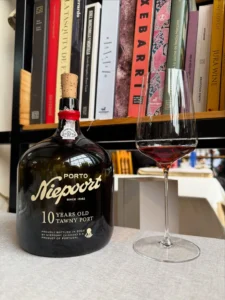
One of the defining characteristics of Rare Vintage Port Wine releases is their ability to evolve significantly over time, a key aspect of port wine aging.
Bottle aging gradually transforms structure and aroma:
- Youthful stages show dense fruit concentration and firm tannins
- Mid-aging reveals layered complexity and integrated structure
- Mature stages develop refined texture and tertiary aromas
Sediment formation is a natural part of this evolution and reflects minimal intervention in production. Over time, the wine shifts from power-driven intensity to layered refinement, showcasing the depth of port wine aging.
What Defines Peak Douro Expression
Rare Vintage Port Wine releases are known for their concentrated and multi-layered sensory profile. The identity is shaped by both grape variety and terroir influence, often captured in detailed port wine tasting notes.
Common characteristics include:
- Deep dark fruit tones such as blackberry and plum
- Subtle spice elements emerging with aging
- Firm tannic structure that supports long development
- Mineral undertones reflecting schist soils
- Extended finish with evolving complexity
Each vintage expresses these traits differently depending on seasonal conditions, forming unique port wine sweetness over time.
The Role of Indigenous Grapes in Vintage Port Complexity
The Douro Valley relies heavily on native grape varieties that contribute to structural balance and aromatic depth.
Key varieties include:
- Touriga Nacional: Provides structure and floral intensity
- Touriga Franca: Adds elegance and aromatic lift
- Tinta Roriz: Contributes body and fruit depth
The combination of these grapes creates a layered composition that defines the identity of vintage port.
Rarity and Allocation in Global Wine Culture
Rare Vintage Port Wine releases are naturally limited due to strict selection and small production volumes. This limited availability creates structured allocation across markets and collectors.
Factors influencing rarity include:
- Limited declared vintages across decades
- Small production volumes from top vineyard parcels
- Long aging requirements before release
- High global demand from collectors and cellars
This controlled scarcity reinforces the cultural significance of vintage port in fine wine circles.
Vintage Port vs Other Port Styles
Vintage port differs significantly from other styles produced in the Douro Valley, especially when comparing vintage port vs tawny and tawny vs ruby styles.
- Ruby Port focuses on youthful fruit expression and accessibility
- Tawny Port develops through oxidative aging in wood
- Late Bottled Vintage (LBV) represents a more approachable version of vintage-style structure
- Vintage Port remains the most expressive and age-driven style from a single harvest
These comparisons such as vintage port vs tawny and tawny vs ruby highlight why vintage port stand apart in structure and longevity.
Collector Perspective of Long-Term Cellar Evolution
Vintage port is often stored for extended periods, allowing gradual development of complexity. Proper storage conditions ensure slow, stable evolution.
Key aspects of cellaring include:
- Consistent temperature and humidity control
- Horizontal bottle storage to preserve cork integrity
- Minimal disturbance to sediment formation
- Long observation of aging phases over decades
Over time, each bottle becomes a unique expression of its harvest year.
Conclusion
Rare Vintage Port Wine releases represent the highest expression of the Douro Valley’s vineyard identity. They are shaped by strict selection, traditional craftsmanship, and long-term evolution rather than uniform production.
Understanding Rare Vintage Port Wine offers insight into how exceptional years define lasting value in wine. Solis Group focuses on aligning such distinctive expressions with partners who appreciate long-term brand building. For businesses aiming to strengthen their offering, a strategic connection can create meaningful growth.
Each declared vintage reflects a moment when nature and cultivation align perfectly, preserving the character of a single harvest in its most concentrated form.
FAQs
What defines a Rare Vintage Port Wine release?
A Rare Vintage Port Wine release comes from a single exceptional harvest declared only in top-quality years. It reflects precise climatic balance, strong structure, and long-term aging potential.
Why are vintage ports not produced every year?
Vintage declaration depends on strict quality benchmarks across vineyards and weather conditions. Only years with consistent ripening and structural balance qualify for vintage status.
How does Douro terroir influence vintage port quality?
Schist soils, steep slopes, and climate extremes create concentrated, low-yield grapes. This results in deeper structure, mineral character, and long aging capability.
What makes vintage port different from other port styles?
Vintage port is bottled from a single harvest and evolves in the bottle over decades. Other styles rely on blending or wood aging, which changes their development path.
How does the port production process impact quality?
Traditional methods like foot treading ensure controlled extraction and balanced structure.
Early fortification preserves natural sweetness while maintaining intensity.
What happens during port wine aging in the bottle?
Tannins soften while complex aromas gradually develop over time. The wine shifts from bold fruit to layered, mature character with depth.
What do port wine tasting notes typically include?
They often show dark fruit layers, spice tones, and a structured finish. With age, these notes evolve into more refined and complex expressions.
How do indigenous grapes shape vintage port structure?
Local varieties provide balance between tannin, aroma, and body. Their natural adaptation to the Douro climate enhances depth and consistency.
-
 Prestige Cuvée Champagne Showcases Winemaking Vision
 -
Pinot Grigio and Sauvignon Blanc Meets Flavour Intensity
-
Understanding Pink Gin Texture with Different Temperatures
-
International Vodka Day Works Beyond Party Stereotypes
-
French Vermouth Styles Hides Herbs in Silky Wine Base
-
Oak Aged Red Wine delivers smoky warm finish
-
Rich Layered Taste Profile Dominates Blanc de Noirs
-
Vodka Taste Differ Even When Recipes Match
-
Craft Beer and Regular Beer gap Starts with Brewing Intent
-
Rare Cellars Hide Grande Champagne Cognac Stories




-
Christmas Cocktails You Can Make at Home
-
Sound Of Christmas Wine And Cheese?
-
A Fresh Take on New Year’s Resolutions
-
The Art of Smelling Wine Like a True Connoisseur
-
Looking for the Best Wine? Here's Where to Find It!
-
Read This Before You Buy Your Dad a Whisky.
-
Whiskey on the Rocks — Cool Choice or Flavor Mistake?
-
The Art of Pairing Wine with Indian Food
-
The Ingredients & Botanicals That Define Gin
-
Seven Days of Love — Wine for Valentine’s Week






-
Pinot Grigio and Sauvignon Blanc Meets Flavour Intensity
-
Understanding Pink Gin Texture with Different Temperatures
-
International Vodka Day Works Beyond Party Stereotypes
-
French Vermouth Styles Hides Herbs in Silky Wine Base
-
Oak Aged Red Wine delivers smoky warm finish
-
Vodka Taste Differ Even When Recipes Match
-
Light and Full-Bodied Sparkling Wines Bring Two Taste Layers
-
Maceration Time impacts Flavour in Pink Gin Styles
-
Rare Vintage Port Wine Peak Expression of Douro Vineyards
-
Vodka and Wine showed Two Worlds of Aroma