
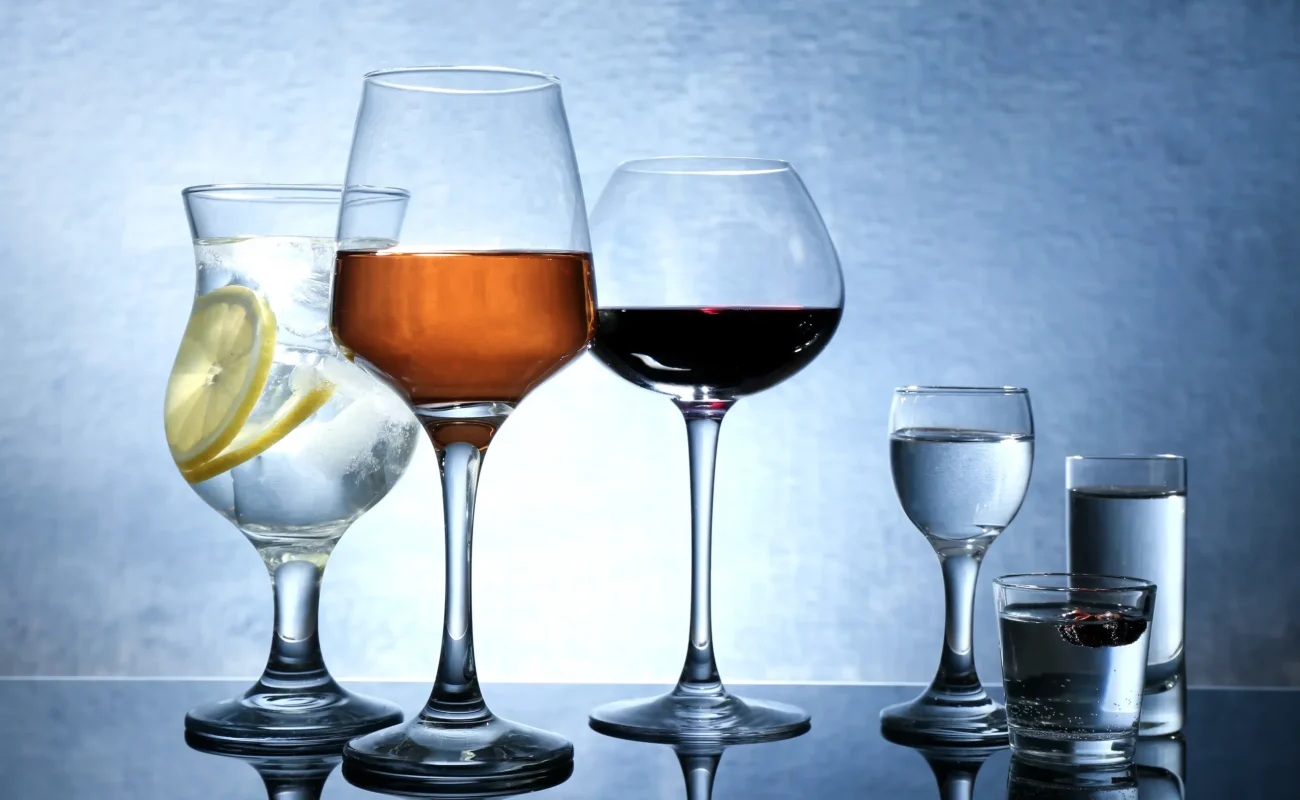
Vodka and Wine showed two worlds of Aroma
The comparison between vodka and wine often starts with taste, but the real difference begins much earlier in aroma. One is often described as lingering and evolving, while the other feels clean and disappears quickly from sensory memory.
This contrast is not about strength or preference. It is about how each beverage is structured at a molecular level and how those structures interact with human perception over time.
Vodka and wine sit on opposite ends of the aroma spectrum, making them an interesting study in sensory design.
Understanding Aroma in Vodka and Wine
Aroma is created by volatile compounds that evaporate and reach the nose. These compounds determine how long a scent stays noticeable and how complex it feels.
Wine is produced through fermentation, which naturally generates a wide range of aroma compounds such as esters, acids, and phenolic elements. These layers continue to interact even after the liquid is poured.
Vodka, on the other hand, is typically refined through a controlled vodka production process designed to remove most aromatic compounds. This creates a neutral profile with very few lingering volatile elements.
The result is a clear structural difference in how aroma behaves between the two.
Why Wine Aroma Lingers Longer in Sensory Perception
Wine is built for aromatic depth. Its structure supports gradual release rather than instant evaporation.
Several factors contribute to its lingering presence:
- Fermentation creates complex aromatic molecules
- Oxygen exposure after pouring enhances aroma development
- Acidity supports continued aromatic lift
- Phenolic compounds extend sensory duration
As wine interacts with air, its aroma continues to evolve. New notes emerge while earlier impressions slowly fade, creating a layered sensory experience.
This evolution is why wine often feels like it “stays” in the glass longer, even when no longer being actively smelled.
Why Vodka Aroma Fades Quickly After Exposure
Vodka is designed for clarity and neutrality. The vodka distillation process removes most compounds that contribute to long-lasting aroma.
Key reasons for its quick fade include:
- High purification reduces aromatic density
- Minimal congeners limit scent complexity
- Volatile compounds evaporate rapidly
- Lack of structural elements prevents aroma layering
Once exposed to air, any subtle scent in vodka disperses quickly. The sensory impression is short, direct, and clean, leaving little after-effect on the nose.
This also influences vodka taste perception, where neutrality becomes the defining characteristic.
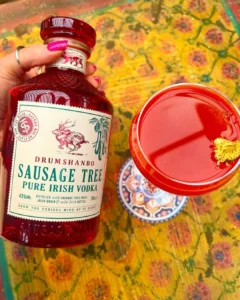
Examples across styles further highlight this contrast. Spirits like Sausage Tree Pure Irish Vodka and Chopin Potato Vodka represent refined neutrality in vodka expression, where aroma is intentionally subtle and short-lived.
These differences are intentional and define how each behaves in aroma perception.
Neither is superior. They are simply built for different sensory outcomes.
Vodka and Wine Aroma Timeline Comparison
Aroma does not behave the same way over time for both beverages. Their sensory timelines differ significantly.
In wine:
- Initial aroma is strong and expressive
- Mid-phase reveals deeper layered notes
- Finish continues to evolve even after swirling stops
In vodka:
- Initial aroma is mild and restrained
- Mid-phase shows little change
- Finish is nearly neutral with minimal residue
This is a core point in the broader vodka and wine aroma comparison, where structural design defines sensory behaviour.
How Texture and Composition Shape Aroma Longevity
Texture plays an indirect but important role in aroma perception.
Wine has a more textured mouthfeel due to natural acids, sugars, and tannins. These elements help carry aroma compounds longer, both in the glass and in sensory memory.
Vodka has a smooth and lightweight structure often described in discussions around best vodka texture. While this creates a clean impression, it also means fewer compounds remain to extend aroma presence.
In simple terms:
- Wine holds aroma through structure
- Vodka releases aroma quickly due to neutrality
This also reflects the broader wine and vodka taste difference seen in sensory evaluation.
Sensory Memory and Why Wine Feels More Persistent
Human perception does not end when tasting stops. The brain stores aroma impressions in short-term sensory memory.
Wine tends to create stronger memory signals because of:
- Layered aromatic complexity
- Continuous evolution of scent
- Longer exposure to volatile compounds
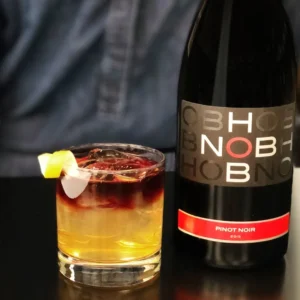
Different red wine varieties also influence this experience. Structured wines such as Hobnob Pinot Noir Red Wine show how Pinot Noir expressions can carry soft yet lingering aromatic traces that stay in sensory recall longer than neutral spirits.
Vodka creates a shorter sensory imprint. Its neutrality means fewer signals are stored for recall, making it feel like it fades quickly in comparison.
This difference also shapes expectations in wine tasting aroma sessions.
Role of Glassware and Air Exposure in Aroma Behaviour
The environment around the beverage strongly influences aroma performance.
Wine glasses are designed with wider bowls that increase surface area. This allows aroma compounds to gather and release gradually, enhancing persistence.
Vodka is typically less dependent on glass shape because its aroma profile is minimal. Even with increased exposure, there are fewer compounds available to sustain long-lasting scent development.
Air interaction remains a key divider between the two.
Vodka and Wine as Opposite Ends of Aroma Design
Vodka and wine represent two distinct approaches to sensory construction.
Wine focuses on:
- Complexity
- Evolution
- Layered aroma development
Vodka focuses on:
- Purity
- Clarity
- Minimal sensory residue
Vodka and Wine making process
Alcohol content plays a major role in how aroma behaves in both vodka and wine, but it does not define aroma complexity.
Wine typically has moderate alcohol levels developed through fermentation of grapes. The process naturally preserves aromatic compounds formed during fermentation. This is why wine retains layered sensory depth even at lower alcohol strength.
Vodka, in contrast, is produced through multiple distillation and filtration stages. This removes impurities and reduces aromatic compounds significantly, creating a cleaner sensory profile. The result is a spirit that feels sharp in entry but fades quickly in aroma perception.
In terms of process:
- Wine is fermented, where natural sugars convert into alcohol while retaining aroma compounds
- Vodka is distilled, where alcohol is purified and neutralized through repeated refinement
This structural difference explains why wine maintains aromatic evolution while vodka delivers a brief sensory presence. Gin and vodka may look similar in a glass, but they are fundamentally different.
Conclusion
The reason wine aroma lingers while vodka fades quickly is rooted in structure, not perception bias.
Wine contains a wide range of natural compounds that continue to evolve in air, creating a lasting sensory trail. Vodka is refined for neutrality, which reduces lingering aromatic presence.
Together, they illustrate two extremes of beverage design one built for evolution, the other for clarity.
Studying vodka and wine aroma behaviour helps build stronger sensory understanding in beverage selection and planning. Solis Group brings curated expertise across international wine and spirit sourcing for trade partners. Connect with us to explore potential business alignment and long-term category growth opportunities.
This is why comparisons like this continue to be widely explored in sensory discussions.
FAQs
Why does wine aroma last longer than vodka?
Wine contains fermentation compounds like esters and phenolics that release slowly in air. Vodka is highly distilled, leaving almost no aromatic structure to sustain smell.
What makes vodka aroma disappear quickly?
Vodka is filtered to remove most volatile compounds during production. This creates a neutral profile that evaporates from sensory perception almost instantly.
Does alcohol strength decide aroma persistence?
No, aroma persistence depends on compound complexity, not alcohol level. Even high-alcohol vodka fades faster than lower-alcohol wine due to structure differences.
How does fermentation affect wine aroma?
Fermentation creates layered aromatic molecules that continue reacting with oxygen. This ongoing reaction is what keeps wine aroma evolving over time.
Why does wine smell change after pouring?
Exposure to oxygen activates aroma compounds in stages. This creates a shifting aroma profile instead of a fixed scent.
How does vodka production process affect aroma?
Multiple distillation and filtration cycles strip most congeners and esters. This is why vodka maintains a clean but short-lived aroma profile.
What role does glass shape play in aroma difference?
Wine glasses trap and concentrate volatile compounds for slower release. Vodka glasses offer less surface interaction, reducing aroma retention.
Why do some wines feel more aromatic than others?
Different grape structures and styles affect aromatic density. For example, lighter styles may fade faster while structured wines retain aroma longer.
-
 Prestige Cuvée Champagne Showcases Winemaking Vision
 -
Pinot Grigio and Sauvignon Blanc Meets Flavour Intensity
-
Understanding Pink Gin Texture with Different Temperatures
-
International Vodka Day Works Beyond Party Stereotypes
-
French Vermouth Styles Hides Herbs in Silky Wine Base
-
Oak Aged Red Wine delivers smoky warm finish
-
Rich Layered Taste Profile Dominates Blanc de Noirs
-
Vodka Taste Differ Even When Recipes Match
-
Craft Beer and Regular Beer gap Starts with Brewing Intent
-
Rare Cellars Hide Grande Champagne Cognac Stories


-
Christmas Cocktails You Can Make at Home
-
Sound Of Christmas Wine And Cheese?
-
A Fresh Take on New Year’s Resolutions
-
The Art of Smelling Wine Like a True Connoisseur
-
Looking for the Best Wine? Here's Where to Find It!
-
Read This Before You Buy Your Dad a Whisky.
-
Whiskey on the Rocks — Cool Choice or Flavor Mistake?
-
The Art of Pairing Wine with Indian Food
-
The Ingredients & Botanicals That Define Gin
-
Seven Days of Love — Wine for Valentine’s Week





-
Pinot Grigio and Sauvignon Blanc Meets Flavour Intensity
-
Understanding Pink Gin Texture with Different Temperatures
-
International Vodka Day Works Beyond Party Stereotypes
-
French Vermouth Styles Hides Herbs in Silky Wine Base
-
Oak Aged Red Wine delivers smoky warm finish
-
Vodka Taste Differ Even When Recipes Match
-
Light and Full-Bodied Sparkling Wines Bring Two Taste Layers
-
Maceration Time impacts Flavour in Pink Gin Styles
-
Rare Vintage Port Wine Peak Expression of Douro Vineyards
-
Vodka and Wine showed Two Worlds of Aroma