
Maceration Time impacts Flavour in Pink Gin Styles
Pink gin styles are defined less by a single ingredient and more by how botanicals are treated over time. Among all variables, maceration time plays the most decisive role in shaping Flavour depth, aroma layering, and visual tone.
A shorter maceration creates a lighter, brighter profile. A longer maceration builds structure, complexity, and intensity. The difference is not just technical it directly influences how the final profile is experienced, from the first aroma to the lingering finish.
This blog explains how maceration time influences every layer of pink gin styles, focusing on extraction behaviour, sensory impact, and balance.
Understanding Maceration Time in Pink Gin Flavour Development
Maceration is the process where botanicals are immersed to release their natural compounds. These compounds include aromatic oils, pigments, and Flavour molecules that define the final profile.
Maceration time determines how much of these elements are extracted. A shorter duration pulls lighter compounds, while extended exposure releases deeper, heavier notes.
The process is dynamic. It evolves continuously, meaning each stage produces a different sensory outcome rather than a fixed result. This is a key part of pink gin maceration and overall botanical expression.
How Maceration Time Influences Botanical Extraction
Extraction does not happen all at once. It unfolds in phases, with each stage contributing different characteristics.
Early Phase: Light and Fresh Extraction
In the initial stage, lighter aromatic compounds are released quickly. These create:
- Crisp and fresh notes
- Subtle fruit hints
- A clean and sharp profile
Colour remains soft, often appearing as a pale blush.
Mid Phase: Balanced Flavour Development
As maceration continues, more complex compounds begin to emerge. This stage delivers:
- Balanced fruit and floral notes
- Smoother integration of aromas
- A more rounded mouthfeel
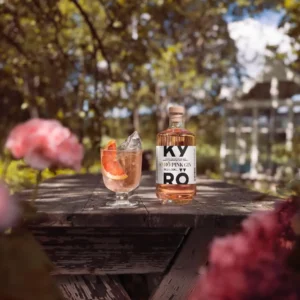
Colour deepens slightly, reflecting a more complete extraction. This stage is often reflected in refined expressions such as Kyro Pink Gin, where balance becomes the defining feature.
Extended Phase: Deep and Structured Profiles
Longer maceration pulls heavier compounds and pigments. This stage leads to:
- Rich, layered Flavour depth
- Fuller texture and weight
- Stronger Colour intensity
Without control, this phase can also introduce bitterness or overly dense notes.
Flavour Depth in Pink Gin Styles Depends on Maceration Time
Flavour depth is not only about intensity. It is about how Flavours unfold across the palate.
Short maceration produces a linear profile. The Flavour appears quickly and fades just as fast.
Extended maceration creates a layered experience. The profile evolves from entry to finish, revealing multiple notes over time.
This difference defines maceration time pink gin outcomes and overall structure.
Aroma Complexity Changes with Maceration Time
Aroma is the first indicator of maceration impact.
Short maceration highlights top notes. These are bright, fresh, and immediate.
Longer maceration introduces base notes. These are deeper, more persistent, and often more complex.
A well-managed maceration balances both, creating a multi-layered aromatic profile that evolves rather than peaks instantly, supporting better Flavour layering in pink gin cocktails.
Colour Development Reflects Maceration Time
Colour is a visible marker of extraction depth.
Natural pigments, especially from fruit botanicals, release gradually. As maceration time increases:
- Pale tones shift into soft pinks
- Soft pinks develop into richer hues
- Rich hues indicate deeper extraction
Colour intensity often aligns with Flavour depth, though excessive extraction can create imbalance.
Botanical Behaviour Across Different Maceration Durations
Each botanical reacts differently to maceration time. Understanding this behaviour is key to controlling the final profile.
Fruit Botanicals
- Release Colour and Flavour quickly
- Contribute to perceived richness
- Can dominate if left too long
Floral Botanicals
- Provide delicate aromatics
- Require shorter maceration to retain freshness
- Lose clarity if over-extracted
Herbal and Spice Elements
- Extract more slowly
- Add depth and structure over time
- Become overpowering in extended maceration
This reflects the broader botanical infusion process used in structured Flavour creation.
Balancing Maceration Time for Desired Pink Gin Styles
There is no single ideal duration. The right maceration time depends on the intended profile.
Short Maceration Approach
- Focuses on freshness and clarity
- Delivers lighter, brighter styles
- Maintains clean and defined notes
- Closely linked with short maceration vs long maceration contrast
Moderate Maceration Approach
- Creates balance between brightness and depth
- Produces well-rounded profiles
- Offers versatility in sensory experience
Extended Maceration Approach
- Builds strong, layered complexity
- Enhances texture and richness
- Requires precise control to avoid harshness
The goal is not maximum extraction, but controlled extraction guided by Flavour extraction time gin principles, as seen in profiles similar to Tarsier Oriental Pink Gin where depth is carefully managed.
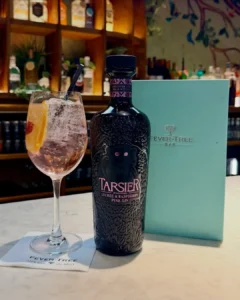
Risks of Improper Maceration Time in Pink Gin Styles
Maceration time must be managed carefully to avoid unwanted outcomes:
- Over-extraction leading to bitterness
- Loss of fresh aromatic notes
- Imbalance between Flavour and Colour
- Inconsistent results across batches
Evaluating Flavour Depth Created by Maceration Time
Sensory evaluation helps assess whether maceration time has achieved the desired outcome.
Aroma Evaluation
- Identify freshness versus depth
- Observe how aromas evolve over time
Palate Structure
- Assess entry, mid-palate, and finish
- Evaluate smoothness and layering
Visual and Texture Indicators
- Check Colour clarity and intensity
- Observe perceived weight and body
These elements define overall pink gin Flavour development.
Modern Techniques for Controlling Maceration Time
Advancements in process control allow more precision in managing maceration:
- Timed extraction monitoring
- Small-batch testing for refinement
- Controlled environments for consistency
- Data-backed adjustments for repeatable results
These approaches ensure consistent outcomes in structured infusion systems.
Comparing Pink Gin Styles Based on Maceration Time
Different maceration durations create distinct style categories:
- Light styles with crisp and fresh profiles
- Balanced styles with integrated fruit and floral notes
- Deep styles with rich, layered complexity
Each style reflects a specific maceration strategy.
Choosing the Right Maceration Time for Flavour Depth
Selecting the correct maceration time requires a structured approach:
- Define the desired Flavour profile
- Match botanicals with appropriate extraction duration
- Test and refine through repeated evaluation
- Align Colour, aroma, and texture with the intended outcome
Consistency comes from controlled experimentation and observation.
Conclusion
Maceration time acts as the foundation of Flavour development in pink gin styles. It controls how botanicals express themselves, how Flavours evolve, and how the final profile is perceived.
This guide highlights how timing in maceration defines consistency, depth, and sensory evolution in pink gin styles. Solis Group collaborates with partners to bring clarity and direction to evolving category demands. Reach out to discuss how strategic portfolio alignment can support your next phase of growth.
A shorter duration highlights freshness. A longer duration builds depth. The most refined results come from balance, where extraction is guided with precision rather than extended without purpose.
FAQs
What does maceration time control in pink gin styles?
Maceration time controls how deeply botanicals release aroma, colour, and flavour compounds. Longer durations create layered profiles, while shorter ones keep flavours light and direct.
Why does maceration time affect flavour depth?
Different compounds extract at different speeds, starting with light aromatics and ending with heavier elements. This staged extraction builds complexity and defines overall depth.
What happens during extended maceration?
Extended maceration extracts deeper pigments and heavier flavour compounds. This increases richness but can introduce bitterness if not controlled.
How does maceration time impact aroma complexity?
Short durations produce sharp, immediate aromas with limited evolution. Longer durations create layered aromas that unfold gradually over time.
Is colour a reliable indicator of maceration depth?
Colour intensity reflects the level of pigment extraction from botanicals. Darker tones usually indicate longer maceration and deeper extraction.
Which botanicals react fastest during maceration?
Fruit-based botanicals extract quickly, releasing both colour and flavour early. Floral and herbal elements develop more slowly and require careful timing.
What is the risk of over-maceration?
Over-maceration pulls excessive tannins and plant compounds. This can result in harsh, bitter, or unbalanced flavour profiles.
How is the ideal maceration time determined?
It depends on the desired balance between freshness and depth. Controlled testing and sensory evaluation guide the optimal timing.
-
 Pale Rose Wine change Impression in Tasting Surprise
 -
London Dry Gin Holds Its Classic Appeal than Modern Gin
-
Prestige Cuvée Champagne Showcases Winemaking Vision
-
Pinot Grigio and Sauvignon Blanc Meets Flavour Intensity
-
Understanding Pink Gin Texture with Different Temperatures
-
International Vodka Day Works Beyond Party Stereotypes
-
French Vermouth Styles Hides Herbs in Silky Wine Base
-
Oak Aged Red Wine delivers smoky warm finish
-
Rich Layered Taste Profile Dominates Blanc de Noirs
-
Vodka Taste Differ Even When Recipes Match

-
Christmas Cocktails You Can Make at Home
-
Sound Of Christmas Wine And Cheese?
-
A Fresh Take on New Year’s Resolutions
-
The Art of Smelling Wine Like a True Connoisseur
-
Looking for the Best Wine? Here's Where to Find It!
-
Read This Before You Buy Your Dad a Whisky.
-
Whiskey on the Rocks — Cool Choice or Flavor Mistake?
-
The Art of Pairing Wine with Indian Food
-
The Ingredients & Botanicals That Define Gin
-
Seven Days of Love — Wine for Valentine’s Week







-
Pale Rose Wine change Impression in Tasting Surprise
-
London Dry Gin Holds Its Classic Appeal than Modern Gin
-
Pinot Grigio and Sauvignon Blanc Meets Flavour Intensity
-
Understanding Pink Gin Texture with Different Temperatures
-
International Vodka Day Works Beyond Party Stereotypes
-
French Vermouth Styles Hides Herbs in Silky Wine Base
-
Oak Aged Red Wine delivers smoky warm finish
-
Vodka Taste Differ Even When Recipes Match
-
Light and Full-Bodied Sparkling Wines Bring Two Taste Layers
-
Maceration Time impacts Flavour in Pink Gin Styles