
Hidden Flavour Edge Between Draft Beer and Bottled Beer Revealed
The discussion around draft beer and bottled beer often remains limited to simple ideas like freshness or convenience. In reality, the difference is much deeper. Flavour is never shaped by a single factor. It is the result of multiple elements working together, how the beer is stored, how it is handled, the way it is served, and even the environment in which it is experienced. Each step quietly influences aroma, texture, and balance, creating noticeable differences that often go unrecognized.
This article acts as a beer flavour comparison guide while helping you explore how a true beer flavour profile is shaped beyond basic assumptions.
Draft Beer and Bottled Beer Flavour Edge
The idea of a “flavour edge” goes beyond taste alone. It includes:
- Aroma before the first sip
- Texture and mouthfeel
- Balance across flavour notes
- The length of the aftertaste
Even when the same recipe is used, the final experience can feel different. The journey from production to serving plays a major role in shaping that difference.
The Journey Draft Beer and Bottled Beer from Brewery to Glass
Draft Beer Path
Draft beer is stored in sealed kegs and delivered through pressurized tap systems. This method keeps the liquid in a controlled setting with limited external contact.
In many serving environments, beers such as Kirin Ichiban Beer highlight how controlled handling can preserve clarity in flavour.
Bottled Beer Path
Bottled beer is packaged individually and moves through transport, storage, and shelving before use.
During this process, exposure to light, temperature shifts, and time can gradually influence the final taste.
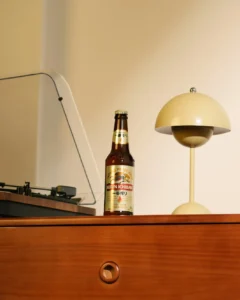
Draft Beer and Bottled Beer Freshness and Its Quiet Impact on Taste
Freshness strongly affects how beer feels.
Draft beer is often served where turnover is steady, meaning it is used relatively quickly. This helps maintain a livelier character.
Bottled beer may remain stored for longer periods depending on handling conditions. Over time, certain notes can soften.
These beer freshness factors play a key role in how vibrant or subdued a beer appears.
Powerful Influence of Oxygen Exposure
Oxygen quietly affects flavour development.
- Draft systems reduce exposure through sealed handling
- Bottled beer may interact with small amounts of air over time
Even slight exposure can influence how fresh or flat a beer feels. This helps explain why draft beer feels better in terms of overall brightness.
Temperature Control and Flavour Expression
Temperature shapes how flavour is experienced.
Draft beer is usually stored under consistent conditions. This helps preserve balance.
Bottled beer depends on storage before it reaches the consumer. Changes in temperature can:
- Reduce flavour clarity
- Alter perceived bitterness
- Shift overall balance
Stable temperature supports a more consistent experience.
Draft Beer and Bottled Beer Carbonation and Mouthfeel Differences
Carbonation affects texture and perception.
Draft beer often delivers a draft beer smoother taste, creating a softer and more rounded mouthfeel.
Bottled beer may feel sharper due to more pronounced carbonation. This can slightly change how flavours are experienced.
Light Exposure and Its Effect on Bottled Beer
Light exposure mainly affects bottled formats.
Clear and green bottles allow more light interaction, which can gradually influence flavour.
Kegs used in draft systems are fully sealed and protected. This helps maintain the original taste more effectively.
The Deciding Factor for Draft Beer is Tap System Quality
Draft beer relies heavily on proper system maintenance.
- Clean systems support clarity and balance
- Poor maintenance can impact flavour negatively
This makes handling conditions at the serving point extremely important.
Draft Beer and Bottled Beer Aroma and Serving Style
Aroma plays a strong role in overall perception.
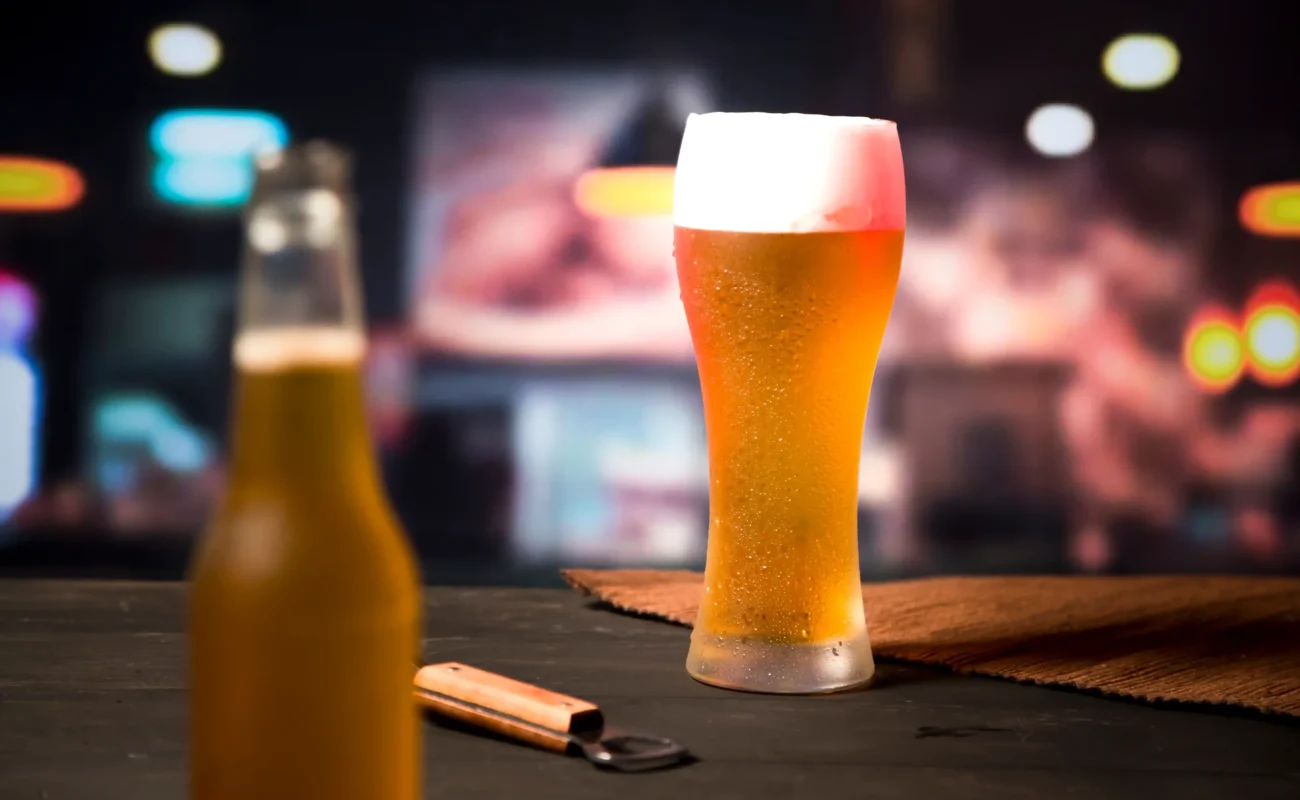
Draft beer is usually served in a glass, allowing aromas to develop fully.
Bottled beer is sometimes consumed directly, limiting aroma exposure and reducing sensory depth.
Perception and Environment
The setting influences how flavour is experienced.
Draft beer is often linked with social spaces and shared environments, reflecting elements of beer culture and cocktails.
At the same time, beverage experiences may also connect with cocktail culture, were presentation and variation shape expectations differently.
Consistency vs Variation in Flavour Experience
Bottled beer provides consistency due to sealed packaging.
Draft beer may vary depending on:
- Storage conditions
- Equipment quality
- Serving practices
This creates a contrast between reliability and variability
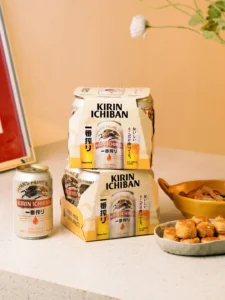
When Bottled Beer Has the Advantage
Bottled beer performs well when stability is important.
- It does not depend on serving systems
- It can be stored in controlled conditions
- It delivers consistent results
Some styles are also suited for longer storage periods.
Bottled beer varieties cover a wide spectrum of styles, each shaped by ingredients, brewing approach, and storage behaviour. From light and crisp lagers to fuller-bodied ales, wheat-based styles, and darker malty profiles, the bottled format allows these variations to remain consistent across different settings.
The sealed environment helps maintain structure, while factors like bottle type and storage conditions influence how Flavors evolve over time. This makes bottled beer a format where diversity and stability often come together, offering a reliable way to experience different taste profiles.
When Draft Beer Shows a Clear Flavour Edge
Draft beer stands out under proper handling.
- Controlled storage limits external influence
- Faster turnover maintains liveliness
- Proper serving enhances aroma and texture
In these situations, beers like Kirin Ichiban Beer often feel more expressive when served through a well-maintained draft system.
The Real Hidden Flavour Edge Explained
The true difference comes down to one concept:
Control versus exposure
- Draft beer remains in a controlled environment
- Bottled beer faces more external variables
This difference directly shapes the beer flavour profile and explains variations in experience.
How to Notice the Difference in Everyday Situations
Small observations reveal clear differences.
- Notice the texture on the palate
- Pay attention to aroma before tasting
- Observe how flavours develop and fade
This approach acts as a practical beer flavour comparison guide in real situations.
Conclusion
No single format is always better. The outcome depends on handling, storage, and serving conditions.
Draft beer can offer a more dynamic experience when managed well. Bottled beer provides stability and predictability.
Understanding these beer freshness factors also helps place beer in a wider context, including comparisons like beer flavour vs cocktail flavour.
Understanding how draft and bottled formats shape flavour is not just knowledge, it influences how customers experience your offerings. At Solis Group, we engage with partners who look beyond basics to refine that experience. Thoughtful collaboration in this space can support more meaningful growth over time.
With this perspective, the difference between draft beer and bottled beer becomes easier to recognize through everyday experiences.
FAQs
Why does draft beer taste fresher?
Draft beer stays in a sealed, pressurized system that limits exposure to oxygen and light. This helps preserve volatile flavour compounds that fade during storage in bottles.
What affects bottled beer flavour the most?
Light exposure, temperature changes, and storage time are the biggest factors. These elements slowly alter the original flavour balance before the bottle is opened.
Why is draft beer smoother in texture?
Draft systems control carbonation levels during dispensing. This creates finer bubbles, resulting in a softer and more rounded mouthfeel.
Why does bottled beer sometimes taste sharper?
Bottled beer often retains more aggressive carbonation. This sharper texture can amplify bitterness and make flavours feel less balanced.
How does temperature impact beer flavour?
Inconsistent temperature can mute delicate flavours and distort balance. Stable serving conditions help maintain clarity and intended taste structure.
Does the glass make a difference in taste?
Serving in a glass allows aromas to expand and reach the nose. This enhances flavour perception, which is limited when drinking directly from a bottle.
Why does draft beer feel more aromatic?
Pouring into a glass releases volatile compounds more effectively. This creates a stronger connection between aroma and perceived flavour.
What is the real difference between draft and bottled beer?
The key difference is control versus exposure during storage and serving. Draft beer remains protected, while bottled beer faces more external influences over time.
-
 French Vermouth Styles Hides Herbs in Silky Wine Base
 -
Oak Aged Red Wine delivers smoky warm finish
-
Rich Layered Taste Profile Dominates Blanc de Noirs
-
Vodka Taste Differ Even When Recipes Match
-
Craft Beer and Regular Beer gap Starts with Brewing Intent
-
Rare Cellars Hide Grande Champagne Cognac Stories
-
Light and Full-Bodied Sparkling Wines Bring Two Taste Layers
-
Maceration Time impacts Flavour in Pink Gin Styles
-
Rare Vintage Port Wine Peak Expression of Douro Vineyards
-
Vodka and Wine showed Two Worlds of Aroma


-
Christmas Cocktails You Can Make at Home
-
Sound Of Christmas Wine And Cheese?
-
A Fresh Take on New Year’s Resolutions
-
The Art of Smelling Wine Like a True Connoisseur
-
Looking for the Best Wine? Here's Where to Find It!
-
Read This Before You Buy Your Dad a Whisky.
-
Whiskey on the Rocks — Cool Choice or Flavor Mistake?
-
The Art of Pairing Wine with Indian Food
-
The Ingredients & Botanicals That Define Gin
-
Seven Days of Love — Wine for Valentine’s Week



-
French Vermouth Styles Hides Herbs in Silky Wine Base
-
Oak Aged Red Wine delivers smoky warm finish
-
Vodka Taste Differ Even When Recipes Match
-
Light and Full-Bodied Sparkling Wines Bring Two Taste Layers
-
Maceration Time impacts Flavour in Pink Gin Styles
-
Rare Vintage Port Wine Peak Expression of Douro Vineyards
-
Vodka and Wine showed Two Worlds of Aroma
-
Whiskey Colour Spectrum from Pale Gold to Ebony Depths
-
Gewurztraminer White Wine Reveals Floral Spice Magic
-
Pinot Noir and Merlot aroma notes mapped to clear flavours