
Brut to Doux Champagne sweetness changes Taste game
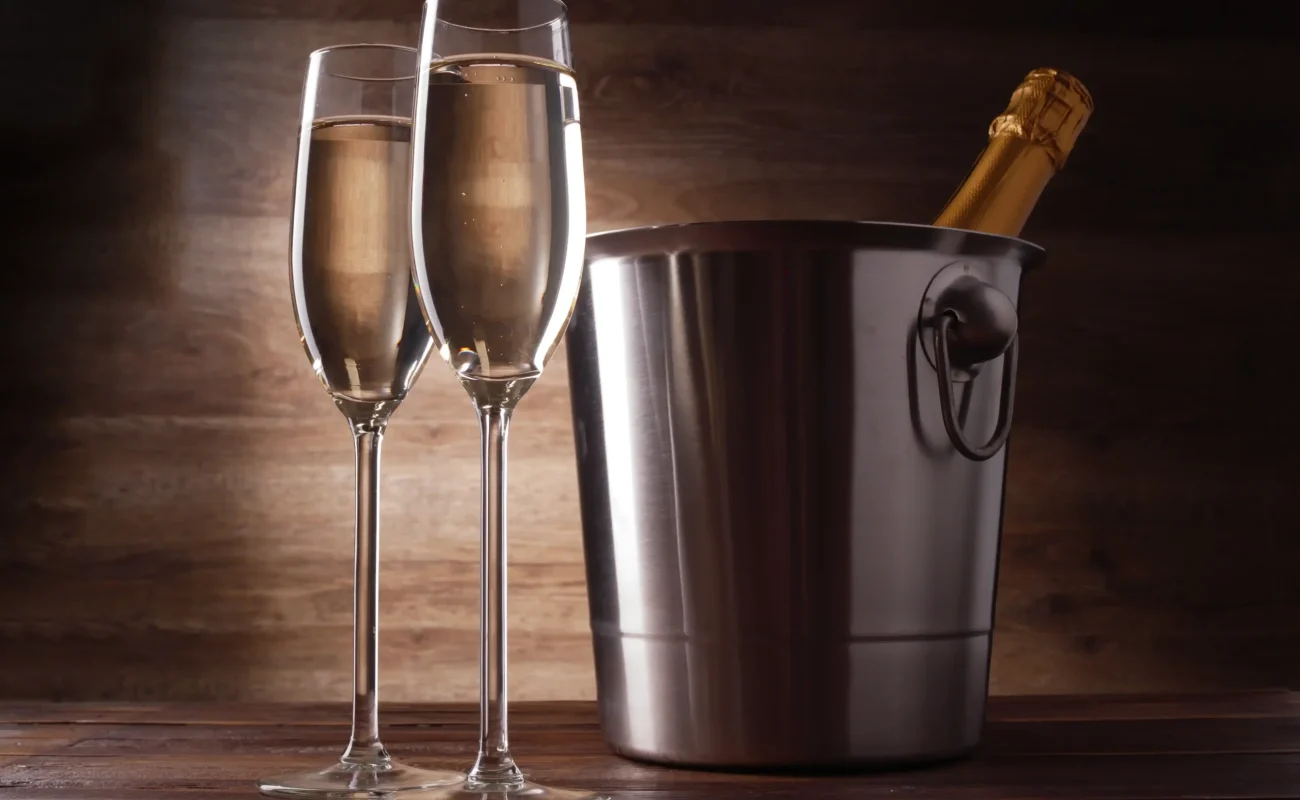
Champagne is often described as crisp, fresh, and refined. Yet, the real story sits in its sweetness levels. From the driest Brut Nature to the richest Doux, each style changes how Champagne feels, smells, and tastes.
This spectrum is not just about sugar. It is about balance. Acidity, fruit, and texture work together to create a complete experience. Once you understand Champagne sweetness levels, every label becomes clearer and every glass becomes more expressive.
What Champagne Sweetness Levels Actually Mean
Champagne sweetness levels are defined by dosage. This is a small addition of sugar after fermentation. This process, often referred to as Champagne dosage explained, adjusts the final balance of the wine.
Sweetness is measured in grams per litre. But numbers alone do not tell the full story. High acidity in Champagne often makes even slightly sweet styles feel fresh and structured.
A dry Champagne can still show fruit notes like apple or pear. A sweeter style can still feel lively due to its acidity. This balance shapes the overall Champagne flavour profile.
Champagne Sweetness Levels from Brut Nature to Doux
The Champagne spectrum moves from very dry to fully sweet. Each step adds more softness and depth to the character, clearly showing the contrast between Brut Nature vs Doux.
Brut Nature Champagne Sweetness Level
- 0 to 3 grams of sugar per litre
- Sharp, clean, and mineral-driven
- Highlights purity and structure
Extra Brut Champagne Sweetness Level
- 0 to 6 grams per litre
- Very dry with slight softness
- Balanced with subtle fruit hints
Brut Champagne Sweetness Level
- 0 to 12 grams per litre
- The most common style
- Fresh, balanced, and widely appreciated
Extra Dry Champagne Sweetness Level
- 12 to 17 grams per litre
- Slightly sweet despite the name
- Rounder texture with gentle fruit notes
Sec Champagne Sweetness Level
- 17 to 32 grams per litre
- Noticeable sweetness with freshness intact
- More fruit-forward and smooth
Demi-Sec Champagne Sweetness Level
- 32 to 50 grams per litre
- Rich and soft with layered sweetness
- Fuller texture and ripe fruit expression
Doux Champagne Sweetness Level
- 50 grams and above
- The sweetest and rarest style
- Deep, smooth, and dessert-like profile
How Champagne Sweetness Levels Shape Taste and Texture
Sweetness changes how Champagne feels in the mouth. Drier styles feel crisp and tight. Sweeter styles feel softer and fuller.
Aromas also shift across the spectrum. Dry Champagne often shows citrus and mineral notes. As sweetness increases, fruit becomes riper and more pronounced.
This contrast between dry vs sweet Champagne defines how each style is experienced. The finish evolves too, shaping the overall Champagne taste guide for enthusiasts.
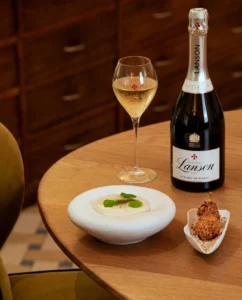
A slightly softer expression can be experienced in styles similar to Lanson Le White Label Sec Nv Champagne, where sweetness introduces a rounder and more fruit-forward profile without losing freshness.
Why Brut Champagne Sweetness Level Dominates Today
Brut remains the most widely preferred style. It offers balance without leaning too sharp or too sweet.
Its versatility makes it suitable across many settings. The flavour profile feels complete without overwhelming the palate.
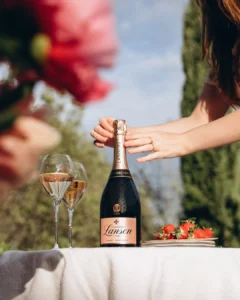
A classic example of this balance is seen in Lanson Le Black Creation Nv Champagne, where freshness and structure come together in a refined Brut expression.
Even so, other sweetness levels hold equal importance. They reflect history, tradition, and a broader range of taste experiences.
Common Misconceptions About Champagne Sweetness
Many labels create confusion. Extra Dry often sounds like the driest option, yet it contains more sugar than Brut.
Sweetness is also not a sign of lower quality. Each level represents a different style, not a hierarchy.
Understanding Champagne labels explained correctly removes these misconceptions and improves clarity when choosing.
How to Read Champagne Sweetness Levels on Labels
Champagne grape varieties and labels clearly state the sweetness level. Terms like Brut, Sec, or Demi-Sec indicate the sugar range.
Learning these terms helps predict the taste before opening the bottle. It removes uncertainty and builds confidence in selection.
Over time, understanding Champagne sugar levels becomes second nature.
Champagne Sweetness and Food Pairing Balance
Sweetness plays a key role in pairing. Dry styles complement salty and savoury foods. Their acidity cuts through richness.
Medium styles work well with dishes that have a touch of spice or creaminess. Sweeter Champagne aligns with desserts or bold flavour.
The key is balance. Matching intensity creates a more complete experience, guided by a deeper Champagne taste guide understanding.
How Taste Preferences Change Across Champagne Sweetness
Many people begin with softer styles. As the palate develops, drier Champagne becomes more appealing.
This shift happens naturally. Repeated exposure builds sensitivity to subtle differences.
The journey across Champagne sweetness levels is personal and evolves with experience.
Strengths and Considerations of Champagne Sweetness Levels
Strengths
- Clear sweetness levels make Champagne easier to understand and position across different preferences. This structured classification allows both businesses and consumers to make informed selections without relying on guesswork.
- The range from Brut Nature to Doux offers flexibility in portfolio building. It supports diverse use cases, from crisp, dry profiles to richer, softer expressions suited for varied dining environments.
- High acidity across all styles maintains freshness, even in sweeter variants. This ensures balance, preventing sweetness from feeling overwhelming or heavy on the palate.
- Defined labelling standards create consistency in global markets. This helps maintain trust and predictability when introducing Champagne across different regions and audiences.
- Sweetness variation enhances pairing adaptability. Different levels complement a wide spectrum of cuisines, allowing better integration into curated menus and experiences.
Considerations
- Label terminology can be misleading, especially terms like Extra Dry. Without proper understanding, this may lead to incorrect expectations and selection mismatches.
- Consumer awareness around sweetness levels is still evolving. Many rely on brand familiarity rather than understanding style differences, limiting exploration across the spectrum.
- Overemphasis on Brut styles may restrict portfolio diversity. While popular, it can overshadow other expressions that offer unique value and differentiation.
- Perception of sweetness varies based on acidity and serving conditions. Temperature and context can influence how sweetness is experienced, requiring careful presentation.
- Balancing inventory across multiple sweetness levels requires strategic planning. Demand may vary by region, occasion, and audience preference, making selection alignment important.
This balance of strengths and considerations highlights how understanding Champagne sweetness levels can support more thoughtful selection, positioning, and long-term portfolio development.
Conclusion
Champagne sweetness levels are central to its identity. They shape texture, aroma, and overall expression.
A deeper understanding of Champagne sweetness levels brings more precision to selection and positioning. Solis Group supports businesses with thoughtfully curated wine and spirits portfolios. Start a conversation to see how the right selection can strengthen your business direction.
From the sharp precision of Brut Nature to the richness of Doux, each style offers a distinct experience. The contrast between dry vs sweet Champagne highlights how diverse this category truly is.
FAQs
What defines Champagne sweetness levels?
Sweetness is defined by dosage added after fermentation, measured in grams per litre. It balances acidity, shaping taste, texture, and overall structure.
Which is the driest Champagne style?
Brut Nature is the driest, with almost no added sugar. It highlights sharp acidity, minerality, and a clean, precise finish.
Why does Extra Dry taste sweeter than Brut?
Extra Dry contains more sugar than Brut despite its name. The label reflects tradition, not the actual sweetness perception.
How does sweetness affect Champagne texture?
Lower sugar creates a crisp, tight mouthfeel. Higher sugar adds roundness, softness, and a fuller body.
Does sweetness change Champagne aroma?
Yes, dryness emphasizes citrus and mineral notes. Sweeter styles enhance ripe fruit and softer aromatic layers.
Is sweeter Champagne lower in quality?
No, sweetness indicates style, not quality level. Balance, structure, and craftsmanship define overall excellence.
What is the difference between Brut and Demi-Sec?
Brut is dry and structured with subtle fruit expression. Demi-Sec is richer, softer, and more pronounced in sweetness.
How can you identify sweetness from the label?
Terms like Brut, Sec, and Demi-Sec indicate sugar levels. These labels help predict taste before opening the bottle.
-
 Rich Layered Taste Profile Dominates Blanc de Noirs
 -
Vodka Taste Differ Even When Recipes Match
-
Craft Beer and Regular Beer gap Starts with Brewing Intent
-
Rare Cellars Hide Grande Champagne Cognac Stories
-
Light and Full-Bodied Sparkling Wines Bring Two Taste Layers
-
Maceration Time impacts Flavour in Pink Gin Styles
-
Rare Vintage Port Wine Peak Expression of Douro Vineyards
-
Vodka and Wine showed Two Worlds of Aroma
-
Whiskey Colour Spectrum from Pale Gold to Ebony Depths
-
Gewurztraminer White Wine Reveals Floral Spice Magic


-
Christmas Cocktails You Can Make at Home
-
Sound Of Christmas Wine And Cheese?
-
A Fresh Take on New Year’s Resolutions
-
The Art of Smelling Wine Like a True Connoisseur
-
Looking for the Best Wine? Here's Where to Find It!
-
Read This Before You Buy Your Dad a Whisky.
-
Whiskey on the Rocks — Cool Choice or Flavor Mistake?
-
The Art of Pairing Wine with Indian Food
-
The Ingredients & Botanicals That Define Gin
-
Seven Days of Love — Wine for Valentine’s Week




-
Vodka Taste Differ Even When Recipes Match
-
Light and Full-Bodied Sparkling Wines Bring Two Taste Layers
-
Maceration Time impacts Flavour in Pink Gin Styles
-
Rare Vintage Port Wine Peak Expression of Douro Vineyards
-
Vodka and Wine showed Two Worlds of Aroma
-
Whiskey Colour Spectrum from Pale Gold to Ebony Depths
-
Gewurztraminer White Wine Reveals Floral Spice Magic
-
Pinot Noir and Merlot aroma notes mapped to clear flavours
-
Vermouth styles broken down by taste impact not wine Language
-
Gin ABV Clarity Leads to More Confident Gin Selection