
Smarter Cognac Storage Keeps Every Notes Alive
Opening a bottle of Cognac carries a sense of intent. Aromas unfold in layers, the texture feels composed, and the finish lingers with quiet depth. Yet once the bottle is opened, that balance begins to shift. Not abruptly, but steadily.
Cognac does not spoil in the way wine does, but it does lose precision over time. The focus is simple: preserve cognac storage character for as long as possible. With mindful storage, each pour can remain close to its original expression.
What Happens to Cognac Right After Opening bottle
The moment the seal is broken, oxygen enters the bottle. This interaction is subtle but continuous.
Aromatic compounds, which define the personality of Cognac, are the most delicate. Over time, they begin to soften. Structure becomes less defined, the finish shortens, and the overall profile feels less layered. These gradual changes reflect the natural Cognac air exposure effects that begin immediately.
This is not instant damage. It is a slow transformation, and its pace depends entirely on how the bottle is handled after opening.
Why Proper Cognac Storage Matters More Than You Think
Storage is not only about keeping the bottle safe. It directly shapes how long Cognac retains its depth.
- Air exposure drives oxidation
- Heat accelerates breakdown of flavour compounds
- Light weakens aromatic complexity
- Loose sealing allows evaporation to continue
Even small inconsistencies can reduce character over time. Following structured alcohol storage tips helps slow this progression and preserve the intent behind the spirit.
Ideal Conditions for Cognac storage after Opening
Stable Temperature Keeps Structure Intact
Cognac performs best within a steady range of 15–20°C.
Frequent temperature changes create internal stress. Warmer conditions speed up oxidation, while fluctuations disturb balance. A stable environment allows the spirit to retain its structure.
Protect from Light to Preserve Aroma
Light, especially direct sunlight, has a quiet but lasting impact.
Ultraviolet exposure gradually breaks down aromatic compounds. The result is a softer nose and reduced depth. A shaded cabinet offers better protection than open display, reinforcing careful Cognac bottle storage.
Always Store the Bottle Upright
Unlike wine, Cognac should always remain upright.
This prevents prolonged contact between liquid and cork, avoiding deterioration and maintaining purity. Upright positioning is essential for consistent Cognac bottle storage and long-term quality.
Seal the Bottle Properly After Every Use
The seal plays a critical role in slowing oxidation.
- Ensure the cork or stopper fits tightly after each use
- Avoid leaving the bottle open longer than necessary
- Replace the cork if it shows signs of wear
An effective seal limits oxygen entry and supports efforts around how to reduce oxidation in Cognac.
For refined expressions such as Delamain Xxo Grande Champagne Cognac, even slight exposure differences can influence how long the layered aromas remain intact.
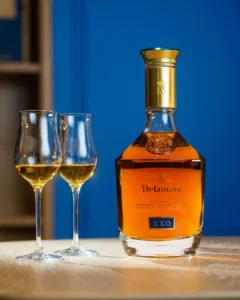
Managing Air Space Inside the Bottle
As the liquid level drops, the volume of air inside increases. This accelerates oxidation.
A nearly full bottle changes slowly, while a half-filled one evolves faster.
To manage this:
- Transfer remaining Cognac into a smaller glass bottle
- Keep headspace minimal
- Limit unnecessary exposure during pouring
These practical steps help maintain balance and support how to reduce oxidation in Cognac over time.
When handling bottles like Delamain Pale and Dry Xo Grande Champagne Cognac, managing air space becomes especially important due to its lighter, more delicate aromatic profile.
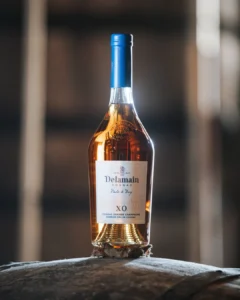
Common Mistakes That Reduce Cognac storage Quality
Even small habits can impact quality if repeated over time.
- Leaving the bottle open during extended serving
- Storing near heat sources such as kitchens or appliances
- Displaying bottles in direct light
- Assuming refrigeration improves preservation
Each of these increases Cognac air exposure effects, accelerating the loss of structure and aroma.
How Long Does Opened Cognac Stay at Its Best
There is no fixed timeline, but storage quality defines the outcome.
- A well-sealed, nearly full bottle can retain its profile for months to years
- A bottle with lower fill levels may show changes within a few months
The key is controlling exposure to maintain how to keep Cognac fresh effectively.
A well-preserved Delamain Xxo Grande Champagne Cognac can retain its depth longer when stored with consistency and care.
Signs Your Cognac storage is Losing Its Character
Changes often appear gradually.
- Aroma becomes less expressive
- Taste feels softer with fewer layers
- Finish shortens and loses persistence
Colour may remain unchanged, but the experience becomes less defined. These are clear indicators tied to challenges in how to keep Cognac fresh.
Simple Cognac Storage Routine for Consistent Quality
Consistency creates results.
- Open only when needed
- Pour efficiently and reseal immediately
- Store in a cool, dark, stable space
- Monitor the fill level over time
These steps require little effort but protect the integrity of the spirit.
Maintaining this routine ensures expressions like Delamain Pale and Dry Xo Grande Champagne Cognac continue to reflect their intended elegance.
Cellaring Cognac After Opening for Long-Term Stability
Cellaring opened Cognac requires a controlled environment that prioritizes stability over display. A cool, dark space with minimal temperature fluctuation helps preserve structure, while keeping bottles upright protects the cork and liquid integrity. Humidity should remain moderate to avoid drying the closure, and movement should be limited to prevent unnecessary agitation.
For longer holding periods, reducing air space through smaller glass bottles can slow oxidation further. With consistent conditions and minimal exposure, cellaring allows Cognac to retain its balance and character over extended timeframes.
Does Cognac storage Improve After Opening
Cognac does not evolve positively after opening.
Cognac Aging stops at bottling. From that point onward, the focus shifts to preservation. Any noticeable change usually reflects a loss of intensity rather than improvement.
Understanding this helps align expectations with reality.
Storage Tips for Enthusiasts and Collectors
Managing multiple bottles requires structure.
- Label bottles with opening dates
- Prioritize those with lower fill levels
- Keep storage conditions consistent
This approach ensures each bottle is enjoyed at the right stage.
Conclusion
Cognac represents time, precision, and craftsmanship. Once opened, its future depends on how it is handled.
Proper storage is not complex. It is intentional. Small actions secure sealing, controlled environment, and minimal exposure make a meaningful difference.
Thoughtful Cognac storage protects aroma, depth, and overall character after opening. Solis Group partners with producers and businesses to strengthen presence in evolving markets. Reach out to us to explore opportunities that align with your business goals.
Handled with care, Cognac continues to express its depth well beyond the first opening.
FAQs
How should Cognac be stored after opening?
Keep the bottle upright in a cool, dark place with a tight seal. Stable temperature and minimal air exposure slow down flavour loss.
Does air exposure affect Cognac storage quality?
Yes, oxygen gradually breaks down aroma compounds and softens structure. The more air inside the bottle, the faster the decline in complexity.
Why should Cognac bottles stay upright?
Upright storage prevents prolonged contact with the cork. This avoids cork degradation and preserves the liquid’s purity.
What temperature is ideal for storing opened Cognac?
A consistent range of 15–20°C maintains balance and structure. Heat and fluctuations accelerate oxidation and reduce depth.
How can oxidation in Cognac be reduced?
Limit air space by keeping bottles full or transferring to smaller glass containers. Always reseal tightly and avoid repeated unnecessary exposure.
Does light damage Cognac after opening?
Yes, UV light weakens aromatic compounds over time. Dark storage protects both aroma intensity and overall balance.
How long does opened Cognac keep its flavour?
A well-stored bottle can hold its profile for months or longer. Lower fill levels lead to faster changes within a shorter time.
How to know if Cognac storage is losing quality?
A muted aroma, softer taste, and shorter finish are key signs. The spirit feels less layered even if the colour remains unchanged.
-
 Rich Layered Taste Profile Dominates Blanc de Noirs
 -
Vodka Taste Differ Even When Recipes Match
-
Craft Beer and Regular Beer gap Starts with Brewing Intent
-
Rare Cellars Hide Grande Champagne Cognac Stories
-
Light and Full-Bodied Sparkling Wines Bring Two Taste Layers
-
Maceration Time impacts Flavour in Pink Gin Styles
-
Rare Vintage Port Wine Peak Expression of Douro Vineyards
-
Vodka and Wine showed Two Worlds of Aroma
-
Whiskey Colour Spectrum from Pale Gold to Ebony Depths
-
Gewurztraminer White Wine Reveals Floral Spice Magic


-
Christmas Cocktails You Can Make at Home
-
Sound Of Christmas Wine And Cheese?
-
A Fresh Take on New Year’s Resolutions
-
The Art of Smelling Wine Like a True Connoisseur
-
Looking for the Best Wine? Here's Where to Find It!
-
Read This Before You Buy Your Dad a Whisky.
-
Whiskey on the Rocks — Cool Choice or Flavor Mistake?
-
The Art of Pairing Wine with Indian Food
-
The Ingredients & Botanicals That Define Gin
-
Seven Days of Love — Wine for Valentine’s Week




-
Vodka Taste Differ Even When Recipes Match
-
Light and Full-Bodied Sparkling Wines Bring Two Taste Layers
-
Maceration Time impacts Flavour in Pink Gin Styles
-
Rare Vintage Port Wine Peak Expression of Douro Vineyards
-
Vodka and Wine showed Two Worlds of Aroma
-
Whiskey Colour Spectrum from Pale Gold to Ebony Depths
-
Gewurztraminer White Wine Reveals Floral Spice Magic
-
Pinot Noir and Merlot aroma notes mapped to clear flavours
-
Vermouth styles broken down by taste impact not wine Language
-
Gin ABV Clarity Leads to More Confident Gin Selection