
Pale Rose Wine change Impression in Tasting Surprise
A pale pink colour often creates a certain expectation. It can make Rose wine look delicate, gentle and light in flavour. Some wine lovers may expect subtle fruit notes, a crisp finish and little depth on the palate. Yet the first sip can reveal something quite different.
Pale Rose wine can offer clear fruit aromas, lively acidity, layers of flavour and a texture that feels more substantial than its colour suggests. Its appearance tells only part of the story. The grape variety, growing conditions, winemaking choices and balance of different components all influence the final tasting experience.
This is what makes pale Rose wine interesting. Its appearance may create expectations, but Pale Rose Wine Flavour becomes clearer through its aroma, acidity, texture and finish. Understanding these elements helps explain why colour alone cannot tell the whole story of a wine.
Understanding Pale Pink, Blush and Salmon Shades
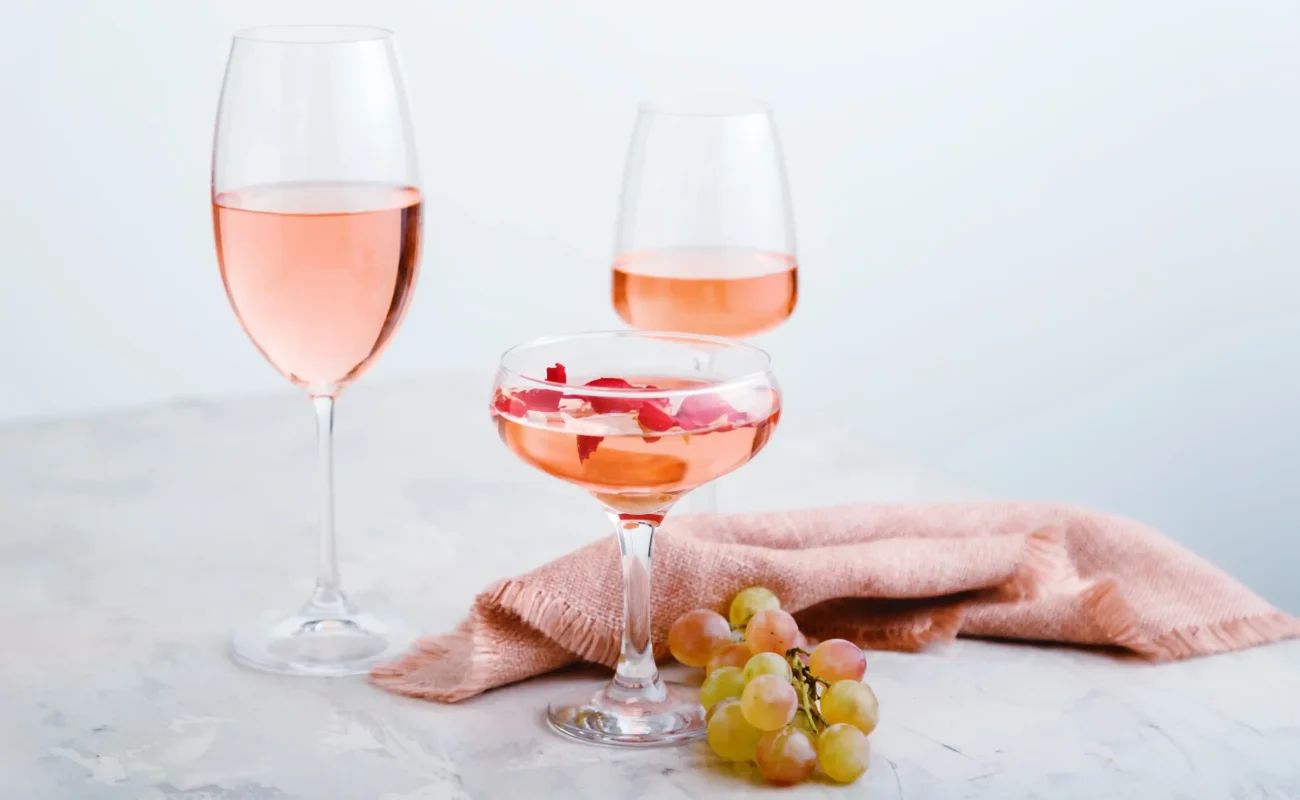
Pale Pink Rose Wine can display several delicate shades. Some look almost translucent pink, while others have a soft peach or salmon appearance.
These differences can depend on grape characteristics, the extraction of colour compounds during winemaking and other production choices. Lighting also affects how a wine appears. A glass viewed against a white background may look different from the same glass under warm indoor lighting.
The shape and thickness of the glass can influence the visual impression as well. A shallow pool of wine may appear lighter than a deeper pour, even when both contain the same wine. Rose Wine Colour is useful for describing appearance, but it should not be treated as a reliable measure of flavour strength, sweetness or body.

How Rose Wine Gets Its Colour
Rose wine generally gets its colour from contact with the skins of coloured grapes. These skins contain pigments called anthocyanins, which contribute red, pink and purple tones.
During Rose production, winemakers manage the extraction of these compounds to achieve the intended colour and style. The length and conditions of skin contact can influence the shade, although the final result also depends on grape characteristics and other winemaking decisions.
This helps explain why Rose wines made from coloured grapes can range from very pale to much deeper pink.
However, colour extraction and flavour extraction are not identical processes. A wine’s appearance cannot reveal every detail about the compounds that contribute to its aroma, acidity, texture or taste.
Pale Rose Wine Can Deliver More Flavour Than Its Colour Suggests
Flavour intensity and colour intensity are two different things. A wine can have a delicate appearance and still express noticeable aromas and flavours.
Colour Intensity Is Not the Same as Flavour Intensity
The pigments responsible for wine colour are not the only compounds that shape its sensory profile. Aroma compounds, acids, alcohol, residual sugar and other elements all contribute to the final experience.
This means a pale Rose can have a distinct flavour profile even when its colour is subtle. Its Rose Wine Flavour Profile may reveal more than its appearance suggests.
For example, one pale Rose may show fresh citrus and redcurrant notes, while another may reveal strawberry, watermelon or floral aromas. Both can look similarly light but offer different experiences.
Flavour intensity also depends on how a person perceives these characteristics. Some people notice delicate floral notes immediately, while others pay more attention to acidity or fruit flavours.
A lighter shade therefore does not automatically mean a wine has less flavour.
How Pale Rose Wine Expresses Different Fruit Notes
Fruit character is often an important part of the Rose tasting experience. Depending on the wine, possible descriptors include strawberry, raspberry, cherry, redcurrant, watermelon and citrus. These Rose Wine Fruit Notes can vary in intensity and character.
These descriptions refer to sensory impressions rather than actual pieces of fruit added to the wine.
Some wines present fresh, crisp fruit notes. Others may show riper fruit aromas or a combination of fruit and floral characteristics. The balance can vary with grape variety, growing conditions, ripeness and winemaking choices.
A pale Rose may express these notes with clarity rather than overwhelming intensity. The fruit character can feel precise and focused, even when the overall style remains delicate.
It is also important to separate fruitiness from sweetness. A wine can smell strongly of strawberries or ripe citrus without having a high level of residual sugar. Altozano Tempranillo Syrah Rose Wine provides a named wine reference when discussing how grape varieties and blending choices can shape a Rose’s character. Its actual colour and tasting notes should be assessed from reliable product information rather than inferred from its name.
This is why a single visual description cannot explain the full range of flavours found in pale Rose wine.

How Aroma Adds Depth to Pale Rose Wine
Aroma plays a major role in the way wine is experienced. Before tasting, the nose can reveal clues about the wine’s fruit character, floral notes and overall expression. Rose Wine Aroma is an important part of the tasting experience.
A pale colour may create a simple first impression, but the aroma can introduce several additional layers.
Fruit Aromas That Stand Out Without Deep Colour
Pale Rose wines can display aromas associated with strawberries, raspberries, watermelon, redcurrants and citrus fruits.
These aromas vary in intensity. Some may be delicate and fresh, while others can be more noticeable and riper. The absence of deep colour does not prevent these aromatic characteristics from being clear. Spanish Rose wine with a pale pink appearance may show a distinct strawberry aroma alongside a fresh citrus note. Another may lean towards redcurrant and subtle melon.
Recognising these differences helps move tasting beyond the visual impression.
Instead of simply describing a wine as light, consider which fruit aromas are present and how clearly, they appear. This creates a more useful description of its character.
Floral and Herbal Notes Add Another Layer
Fruit is not the only source of aromatic interest in Rose wine. Some examples may also display floral or herbal impressions.
Possible descriptors include rose petal, violet, fresh herbs and subtle spice. These characteristics depend on the individual wine and should not be expected in every bottle. Such Rose Wine Floral Notes can add another dimension to the overall sensory experience.
Floral aromas can make a wine seem delicate, while herbal notes may add a fresh or savoury dimension. When combined with fruit, they can create a more layered aromatic profile.
A wine does not need a deep colour to display this complexity. Its aroma may reveal details that its appearance could never communicate.
Acidity Versus Sweetness in Pale Rose Wine
Acidity and sweetness are different characteristics, although they can influence how a wine is perceived.
Sweetness relates to the wine’s residual sugar and its sensory impression of sugar. Acidity creates a tangy or fresh sensation. The balance between them can make a wine seem crisp, rounded or more fruit-focused. Understanding Rose Wine Sweetness helps separate fruity aromas from the actual sensation of sugar.
A Rose with noticeable strawberry or raspberry aromas is not necessarily sweet. Fruit aromas can create a ripe impression even when the wine tastes dry.
Likewise, acidity does not automatically mean a wine is low in sweetness. Both characteristics need to be considered separately.
Understanding this distinction helps explain why pale Rose wine can smell fruity, taste dry and still feel lively on the palate.
Understanding Light, Medium and Fuller Body
Body describes the overall weight or substance a wine seems to have on the palate.
A light-bodied wine may feel delicate and easy to distinguish from a fuller, more rounded wine. A fuller-bodied wine may create a greater sense of weight.
Several factors influence body, including alcohol level, residual sugar and other components of the wine. Their combined effect matters more than any single factor.
Pale Rose wine can have a light body, but its shade does not prove that it will. Two wines with similar colours may feel noticeably different in the mouth.
This is another reason to separate visual appearance from sensory structure.
Why Texture Is Different from Flavour
Flavour describes the impressions associated with aroma and taste. Texture describes how the wine feels in the mouth. Rose Wine Texture can range from crisp and lean to smooth and rounded.
Terms such as crisp, smooth, rounded, lean and slightly gripping help communicate these physical sensations.
For example, a pale Rose may have fresh strawberry aromas and a crisp texture. Another may show similar fruit notes but feel softer and rounder.
The flavour descriptions may overlap, yet the wines can still offer different experiences because their textures differ.
Paying attention to both elements creates a more complete tasting description.
How the Finish Changes the Overall Impression
The finish refers to the flavours and sensations that remain after the wine has been swallowed or spat out. The Rose Wine Finish can help reveal how its different components work together.
Some wines leave a brief impression, while others retain noticeable fruit, acidity or other characteristics for longer.
The finish can help explain why a wine feels more substantial than its initial appearance suggests. A pale Rose may begin with delicate aromas but leave a clear citrus or red fruit impression.
However, a long finish is not an automatic sign of quality. The balance, clarity and overall character of the wine are also important.
Looking beyond the first sip helps reveal how its different components work together.
Pale Rose Wine Versus Darker Rose
Comparing pale and darker Rose wines can help illustrate the difference between appearance and flavour. The important point is to compare their actual characteristics rather than treating colour as a quality ranking. Pale Rose vs Dark Rose is a useful comparison when it focuses on sensory differences rather than assumptions.
Colour Differences and Their Possible Causes
Pale Rose wines often show light pink, blush or salmon tones. Darker examples may display deeper pink or red hues.
These differences can reflect grape characteristics, pigment extraction and production choices. However, colour alone cannot reveal the full process behind a wine or determine its final sensory profile.
A darker wine is not necessarily sweeter, fuller-bodied or more intense. Similarly, a pale wine is not automatically lighter in flavour.
Colour is one part of the description, not a complete assessment.
Comparing Aroma, Acidity and Texture Instead of Appearance
A useful comparison considers several characteristics separately.
First, examine the aromas. Look for fruit, citrus, floral or herbal notes. Next, consider acidity and whether the wine feels crisp, soft or rounded. Finally, pay attention to body, texture and finish.
This approach creates a more detailed picture than simply labelling one wine pale and the other dark.
It also helps avoid assumptions about which style will taste stronger or more complex. Barone Ricasoli Albia Toscano Rose Wine can serve as a named reference when exploring how Rose wines may differ in style. Any specific comparison of its colour, aromas or palate should be based on verified tasting information.
Common Mistakes When Judging Pale Rose Wine
A few common assumptions can prevent wine lovers from recognising the full character of pale Rose.
Assuming pale colour means weak flavour. Colour and flavour intensity are not the same. A pale wine can display clear aromas and a distinct palate.
Confusing fruity aromas with sweetness. Strawberry, raspberry and citrus notes do not automatically mean a wine contains much residual sugar.
Treating darker colour as proof of greater body. Body depends on the combined effects of several wine components, not colour alone.
Assuming all pale Rose wines have similar acidity. Different wines can vary in freshness, balance and palate structure despite having similar shades.
Judging complexity by appearance alone. Aroma, flavour, texture and finish offer additional information that colour cannot provide.
Ignoring serving temperature. Temperature can change how noticeable certain aromas and sensations become.
Expecting every Rose to display the same fruit notes. Grape characteristics, growing conditions and winemaking choices create variation between wines.
Avoiding these assumptions makes tasting more informative. It also allows each wine to be understood on its own terms rather than judged against a fixed expectation.
Conclusion
Pale Rose wine shows why appearance should be only the beginning of a tasting experience. Its delicate colour may suggest subtlety, but its aroma, acidity, fruit character, texture and finish can reveal much more.
Some pale Rose wines express fresh citrus and red fruit. Others show floral notes, a rounded palate or a finish that remains noticeable after the first sip. These differences come from the individual character of each wine, not from colour alone.
Understanding what makes pale rosé wine distinctive through its colour, acidity, fruit notes and finish. Solis Group brings an informed perspective to the wine and spirits trade as an importer and curator. Connect with us to discuss shared interests and explore opportunities for future business growth.
The most useful approach is to observe the shade, explore the aroma and then pay attention to the palate. Separating these elements helps explain what makes each wine distinctive.
FAQs
What affects pale rosé wine flavour?
Pale rose wine flavour depends on grape variety, skin contact, acidity, and winemaking choices. These factors shape its fruit notes, floral aromas, texture, and finish.
Why can pale rosé taste different from its colour?
Colour mainly reflects pigment extracted from grape skins, not the wine’s complete flavour profile. A very pale rose can still offer noticeable citrus, berry, herbal, or floral notes.
What aromas are common in pale rose wine?
Pale rosé often shows aromas of strawberry, raspberry, watermelon, citrus, or white flowers. The exact combination varies with the grape variety, growing conditions, and winemaking style.
How does acidity affect pale rose wine?
Acidity gives pale rosé its freshness and helps balance fruit flavours and sweetness. Higher acidity often creates a crisp finish, while lower acidity can make the wine feel softer and rounder.
Is pale rose lighter in body than dark rose?
Not necessarily. A wine’s body depends on factors such as alcohol, grape variety, and winemaking, while colour is mainly influenced by pigment extraction.
What is the difference between pale rose and dark rose?
Pale rosé generally has less colour extracted from grape skins, while darker rosé often shows deeper pink or red tones. Their flavour differences depend on grape variety and winemaking, not colour alone.
How can you identify sweetness in pale rose?
Look for the wine’s stated sweetness level and assess whether the palate feels dry, off-dry, or sweet. Ripe fruit aromas alone do not prove that a rosé contains high residual sugar.
What should you notice when tasting pale rose?
Assess its aroma first, then note fruit flavours, acidity, sweetness, body, and texture. Finally, observe whether the finish is crisp, fruity, floral, or persistent to understand the wine beyond its colour.
-
 Pale Rose Wine change Impression in Tasting Surprise
 -
London Dry Gin Holds Its Classic Appeal than Modern Gin
-
Prestige Cuvée Champagne Showcases Winemaking Vision
-
Pinot Grigio and Sauvignon Blanc Meets Flavour Intensity
-
Understanding Pink Gin Texture with Different Temperatures
-
International Vodka Day Works Beyond Party Stereotypes
-
French Vermouth Styles Hides Herbs in Silky Wine Base
-
Oak Aged Red Wine delivers smoky warm finish
-
Rich Layered Taste Profile Dominates Blanc de Noirs
-
Vodka Taste Differ Even When Recipes Match

-
Christmas Cocktails You Can Make at Home
-
Sound Of Christmas Wine And Cheese?
-
A Fresh Take on New Year’s Resolutions
-
The Art of Smelling Wine Like a True Connoisseur
-
Looking for the Best Wine? Here's Where to Find It!
-
Read This Before You Buy Your Dad a Whisky.
-
Whiskey on the Rocks — Cool Choice or Flavor Mistake?
-
The Art of Pairing Wine with Indian Food
-
The Ingredients & Botanicals That Define Gin
-
Seven Days of Love — Wine for Valentine’s Week






-
Pale Rose Wine change Impression in Tasting Surprise
-
London Dry Gin Holds Its Classic Appeal than Modern Gin
-
Pinot Grigio and Sauvignon Blanc Meets Flavour Intensity
-
Understanding Pink Gin Texture with Different Temperatures
-
International Vodka Day Works Beyond Party Stereotypes
-
French Vermouth Styles Hides Herbs in Silky Wine Base
-
Oak Aged Red Wine delivers smoky warm finish
-
Vodka Taste Differ Even When Recipes Match
-
Light and Full-Bodied Sparkling Wines Bring Two Taste Layers
-
Maceration Time impacts Flavour in Pink Gin Styles