
International Vodka Day Works Beyond Party Stereotypes
International Vodka Day, observed globally on October 4, is more than a calendar moment for spirit enthusiasts. It reflects how vodka has moved beyond its long-standing association with nightlife and party culture into a space of craftsmanship, refinement, and global appreciation.
For years, vodka has been seen as a simple, neutral spirit linked mainly with social drinking occasions. However, modern drinking culture is shifting toward awareness, ingredient quality, and versatility. This change is reshaping how vodka is perceived across markets, bars, and cultural conversations.
Today, vodka stands not just as a beverage category, but as a representation of precision, adaptability, and evolving taste preferences.
How Vodka Became Defined by Party Culture Stereotypes
Vodka’s global image has long been influenced by nightlife marketing and social drinking trends. Over time, it became strongly associated with clubs, celebrations, and quick consumption formats, which narrowed public perception.
Several factors contributed to this stereotype:
- Heavy focus on nightlife advertising and bar culture visibility
- Popularity of vodka-based shots and simplified serving styles
- Limited consumer awareness of production complexity
- Mass-market positioning in earlier decades
This narrow framing overshadowed vodka’s deeper identity as a carefully crafted spirit with significant regional and technical variation.
Breaking this perception is now central to how the category is evolving.
Vodka as a Spirit of Precision and Craftsmanship
Vodka is defined not by complexity of flavour, but by precision in creation. It is produced through fermentation and distillation of raw materials such as grains, potatoes, or other agricultural bases. What makes vodka distinctive is the refinement process rather than bold flavour layering.
Key production elements include:
- Multiple distillation cycles for purity and balance
- Filtration techniques that refine texture and smoothness
- High focus on water quality to shape mouthfeel
- Controlled fermentation processes for consistency
This vodka production process ensures consistency across batches, while the vodka distillation process plays a critical role in shaping clarity and refinement.
The goal is not to remove identity, but to achieve a clean, structured spirit that serves as a foundation for multiple drinking experiences.

Why Neutrality in Vodka Is a Mark of Craft, Not Simplicity
Neutrality is often misinterpreted as lack of character. In reality, achieving a refined neutral profile requires technical expertise and consistency across batches.
Vodka makers carefully control:
- Temperature during fermentation
- Distillation timing and repetition
- Filtration materials and cycles
- Ingredient selection and sourcing quality
Even subtle variations in vodka ingredients can significantly influence the final structure of the spirit.
Craft expressions such as Chopin Family Reserve Vodka highlight how ingredient choice and distillation approach can shape texture, depth, and overall structure without relying on strong flavour intensity.
Modern craft producers have further elevated this approach by focusing on micro-production and ingredient transparency, adding depth to a category once viewed as uniform.
Vodka’s Global Cultural Identity Beyond Nightlife
Vodka carries deep cultural roots in several regions, particularly in Eastern and Northern Europe, where it has historically played a role in social gatherings, hospitality traditions, and ceremonial settings.
Over time, vodka expanded into global markets, adapting to different cultural interpretations:
- In some regions, it is part of formal dining traditions
- In others, it is integrated into social and celebratory rituals
- Globally, it has become a foundation for mixology innovation
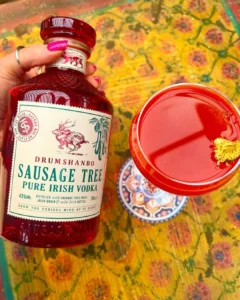
Expressions such as Sausage Tree Pure Irish Vodka reflect how new regions are contributing to vodka’s expanding identity, bringing local interpretation into a global category.
This cultural flexibility has helped vodka remain relevant across changing consumer behaviours and generations.
Vodka in Modern Mixology and Cocktail Evolution
Vodka is widely recognized for its adaptability in cocktail creation. Its neutral profile allows it to blend seamlessly with a wide range of ingredients, making it a preferred base for bartenders and mixologists.
Classic vodka-based cocktails include:
- Martini
- Bloody Mary
- Moscow Mule
- Cosmopolitan
In contemporary bars, vodka mixology trends continue to evolve, focusing on layered flavours and ingredient-driven experimentation. This has also given rise to refined modern vodka cocktails, where balance and texture play a more important role than intensity.
Vodka’s versatility allows creative expression without overpowering supporting ingredients.
The Shift Toward Premium Vodka Appreciation
Consumer preferences are increasingly moving toward quality-driven selections. This shift has repositioned vodka from a mass-market product to a premium category in many global markets.
Key drivers of this change include:
- Increased awareness of production methods
- Demand for authenticity and ingredient transparency
- Growth of craft spirit culture
- Focus on texture, purity, and refinement
Vodka tasting today is evaluated more carefully, with attention to vodka flavour profile and subtle same vodka tasting, which help define quality differences between styles and origins.
Innovation Reshaping the Vodka Category
Vodka continues to evolve through innovation in production and presentation. Distillers are experimenting with sustainable methods, alternative raw materials, and refined filtration technologies.
Emerging trends include:
- Use of organic and sustainably sourced ingredients
- Small-batch and limited production approaches
- Advanced filtration techniques for enhanced clarity
- Regional expression through locally sourced raw materials
These innovations are expanding vodka’s identity beyond traditional definitions.
Vodka in Contemporary Drinking Culture
Modern drinking culture is increasingly shaped by moderation, awareness, and experience-driven choices. Vodka fits into this shift due to its versatility and adaptability across different serving styles.
Key cultural shifts include:
- Growing interest in craft and origin stories
- Increased focus on experience over quantity
- Expansion of home-based cocktail culture
- Strong influence of global digital lifestyle trends
Vodka’s neutral profile allows it to integrate easily into evolving consumer expectations without losing relevance.
International Vodka Day as a Celebration of Craft and Evolution
The International Vodka Day celebration now serves as a moment to recognize vodka’s transformation. It highlights the category’s evolution from a simplified perception to a globally respected spirit with technical depth and cultural diversity.
The day is increasingly marked by:
- Educational tastings and curated experiences
- Industry discussions around craftsmanship
- Focus on production transparency
- Exploration of global vodka traditions
It reflects a broader movement toward understanding spirits beyond surface-level associations.
Conclusion
Vodka’s identity today is shaped by precision, adaptability, and global cultural integration. While it has long been associated with nightlife and simplified consumption, its true value lies in its craftsmanship and versatility.
Vodka’s journey, as reflected on International Vodka Day, shows how tradition and innovation together shape global spirit appreciation. Solis Group continues to work with global beverage networks to introduce carefully curated spirits into evolving market landscapes. For trade discussions or partnership opportunities, reach out us to explore long-term collaboration potential.
International Vodka Day reinforces this evolving narrative, encouraging a more informed understanding of the spirit’s role in modern culture. As consumer awareness grows, vodka continues to position itself not as a one-dimensional beverage, but as a refined and evolving category within the global spirit’s landscape.
FAQs
What is International Vodka Day about?
International Vodka Day recognizes vodka as a global spirit beyond nightlife culture. It highlights craftsmanship, diversity, and evolving appreciation of vodka.
What makes vodka different from other spirits?
Vodka is defined by purity, balance, and controlled distillation rather than strong flavour. Its neutrality allows it to adapt across multiple drinking styles.
How is vodka actually made?
Vodka is produced through fermentation and repeated distillation of ingredients like grains or potatoes. Filtration refines its clarity, texture, and smooth finish.
Why is vodka considered a craft spirit today?
Modern vodka focuses on ingredient quality, distillation control, and water purity. These factors make production highly technical and detail-driven.
What are common vodka ingredients?
Vodka can be made from grains, potatoes, corn, or even grapes depending on regional styles. Each base influences texture and mouthfeel subtly.
How is vodka used in cocktails today?
Vodka acts as a neutral base that supports layered flavours without overpowering them. It is central to both classic and modern cocktail innovation.
What are modern vodka trends in mixology?
Current trends focus on ingredient-led cocktails and lighter, balanced flavour profiles. Bartenders use vodka for creative infusions and refined presentations.
What defines vodka tasting notes?
Vodka tasting notes focus on texture, smoothness, and finish rather than strong aromas. Cleanness and mouthfeel are key indicators of quality.
-
 Understanding Pink Gin Texture with Different Temperatures
 -
International Vodka Day Works Beyond Party Stereotypes
-
French Vermouth Styles Hides Herbs in Silky Wine Base
-
Oak Aged Red Wine delivers smoky warm finish
-
Rich Layered Taste Profile Dominates Blanc de Noirs
-
Vodka Taste Differ Even When Recipes Match
-
Craft Beer and Regular Beer gap Starts with Brewing Intent
-
Rare Cellars Hide Grande Champagne Cognac Stories
-
Light and Full-Bodied Sparkling Wines Bring Two Taste Layers
-
Maceration Time impacts Flavour in Pink Gin Styles



-
Christmas Cocktails You Can Make at Home
-
Sound Of Christmas Wine And Cheese?
-
A Fresh Take on New Year’s Resolutions
-
The Art of Smelling Wine Like a True Connoisseur
-
Looking for the Best Wine? Here's Where to Find It!
-
Read This Before You Buy Your Dad a Whisky.
-
Whiskey on the Rocks — Cool Choice or Flavor Mistake?
-
The Art of Pairing Wine with Indian Food
-
The Ingredients & Botanicals That Define Gin
-
Seven Days of Love — Wine for Valentine’s Week








-
Understanding Pink Gin Texture with Different Temperatures
-
International Vodka Day Works Beyond Party Stereotypes
-
French Vermouth Styles Hides Herbs in Silky Wine Base
-
Oak Aged Red Wine delivers smoky warm finish
-
Vodka Taste Differ Even When Recipes Match
-
Light and Full-Bodied Sparkling Wines Bring Two Taste Layers
-
Maceration Time impacts Flavour in Pink Gin Styles
-
Rare Vintage Port Wine Peak Expression of Douro Vineyards
-
Vodka and Wine showed Two Worlds of Aroma
-
Whiskey Colour Spectrum from Pale Gold to Ebony Depths