
Rich World of Red Wine Styles Reflect the Spirit of Celebration
Celebrations bring together traditions, food, colours and cultural expressions. From family gatherings to seasonal festivals, every occasion carries its own character. Diwali, in particular, represents joy, togetherness and the beauty of shared traditions. These occasions also offer an opportunity to explore the cultural stories behind food and beverages from different parts of the world.
Red wine styles hold an interesting place in this global picture. Its identity extends far beyond its deep colour. Different grape varieties, growing regions and winemaking methods create a wide range of flavours, textures and structures. Some wines are known for their delicate fruit character, while others display rich flavours, firm tannins and greater depth.
As celebrations bring together different cultural influences, exploring these styles offers an interesting way to understand the diversity of international wine traditions.
How Different Red Wine Styles Develop Their Unique Character
Wine styles differ because several natural and technical factors shape their final character. Grape variety plays an important role, but the growing environment and winemaking process also influence the result. These elements determine the colour, aroma, acidity, tannins, body and flavour profile.
Understanding these factors helps explain why two wines can have very different characteristics, even when they belong to the same broad category.
Grape Variety: Each grape has its own natural characteristics. Some grapes produce delicate fruit expressions, while others develop a firmer structure and deeper fruit profile. These differences form the foundation of individual red wine varieties.
Climate and Growing Conditions: Temperature, sunlight, rainfall and soil conditions affect grape development. Cooler climates often preserve higher natural acidity and support fresher fruit characteristics. Warmer regions can encourage greater grape ripeness and more concentrated fruit flavours.
Tannins and Acidity: Red wine tannins contribute structure and a drying sensation, while red wine acidity brings freshness and balance. Their levels vary across grape varieties and winemaking methods. Together, they influence how a wine feels and develops on the palate.
Winemaking Techniques: Fermentation, grape skin contact and ageing all affect the final character. Longer skin contact can extract more colour and tannins. Oak ageing may introduce notes of vanilla, spice and toast, depending on the type of barrel and maturation period.
Body and Texture: The red wine body is commonly described as light, medium or full. These terms help explain the overall weight and structure. They also make it easier to understand the differences between individual varieties.
These factors work together to create the diversity found across international wine regions.
Light Bodied Red Wine Styles Reflect Freshness and Elegance
Light-bodied wines are recognised for their relatively delicate structure, fresh acidity and softer tannins. Their flavour profiles often highlight red fruits, floral notes and subtle earthy characteristics. These qualities distinguish them from more concentrated and heavily structured styles.
Several grape varieties demonstrate this category in different ways.
Pinot Noir: A Delicate Expression of Red Fruit
The grape associated with Burgundy in France is one of the most recognised examples of a light bodied red wine. It is also cultivated in regions such as Oregon, New Zealand and California.
Its flavour profile often includes cherry, raspberry, strawberry and cranberry. Depending on its origin and development, earthy, floral and mushroom-like notes may also appear.
This variety has relatively thin grape skins, which contribute to its lighter colour and generally softer tannin structure compared with thicker-skinned grapes.
Its character can vary considerably between regions. Burgundy expressions often highlight earthy complexity and subtle fruit, while some New World examples display more pronounced ripe berry characteristics.
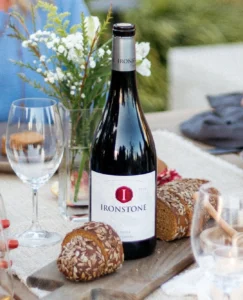
An example of this style is Ironstone Pinot Noir Red Wine, which adds a recognisable name to the wider discussion of international grape expressions.
Gamay: Fresh Fruit and Floral Characteristics
Gamay is another important light-bodied grape, best known for its association with Beaujolais in France.
It commonly displays flavours of red cherry, raspberry and strawberry, along with floral and sometimes subtle mineral notes. Its naturally expressive fruit character gives it a distinct identity among French wines.
The Beaujolais region also demonstrates how geographical differences influence wine styles. Wines from different areas can show varying levels of structure, concentration and complexity, even when they are made from the same grape.
Frappato: A Distinctive Sicilian Red Wine Style
Frappato is a traditional red grape variety from Sicily, Italy. It is recognised for its aromatic character, bright red fruit notes and relatively gentle tannins.
Common characteristics include strawberry, cherry, violet and floral aromas. Some expressions also reveal herbal and earthy elements.
Its profile reflects the Mediterranean environment in which the grape is cultivated. Frappato adds another dimension to the lighter category and highlights the diversity of Italian grape varieties.
Together, these grapes demonstrate how delicate expressions can highlight freshness, fruit and regional identity without relying on intense tannins or heavy structure.
Medium Bodied Red Wine Styles Bring Balance and Structure
Medium-bodied wines occupy an interesting position between delicate and powerful styles. They often combine noticeable fruit flavours with moderate tannins, balanced acidity and a more developed structure.
This category includes several internationally recognised grapes. Their characteristics also show how regional traditions and ageing methods influence the final wine.
Merlot: Smooth Texture and Ripe Fruit Character
Merlot is widely cultivated across major wine-producing regions, including Bordeaux in France, California, Chile and Australia.
Its flavour profile commonly features plum, black cherry, blackberry and subtle herbal notes. Some aged expressions may also develop hints of chocolate, tobacco and spice.
Merlot wine generally has softer tannins than Cabernet-based wines. However, its structure can vary depending on the climate, growing region and winemaking approach.
In Bordeaux, Merlot plays an important role in regional blends, particularly on the Right Bank. In other regions, it is also produced as a single-variety wine.
Its versatility makes Merlot an important example of how the same grape can express different characteristics across international wine regions.
Luz Maria Merlot Red Wine is another example that can be included when exploring the wider identity of this grape variety.
Sangiovese: Italian Heritage and Distinctive Acidity
Sangiovese is one of Italy’s most important red grape varieties. It forms the foundation of several well-known Tuscan wines, including Chianti and Brunello di Montalcino.
Its flavour profile often includes sour cherry, red plum, dried herbs and earthy notes. Higher natural acidity is one of its defining characteristics.
The grape also responds strongly to its growing environment. Different areas of Tuscany produce wines with varying levels of fruit concentration, tannin structure and complexity.
Sangiovese wine reflects the close relationship between Italian agriculture, regional food traditions and local winemaking practices.
Tempranillo: Spanish Character and Ageing Complexity
Tempranillo is a leading red grape variety in Spain. It is particularly important in regions such as Rioja and Ribera del Duero.
Its flavour profile can include red cherry, plum, blackberry and dried herbs. The ageing process may introduce additional notes of vanilla, leather, tobacco and spice.
Tempranillo also demonstrates how oak maturation influences wine styles. Wines aged in oak barrels can develop greater aromatic complexity and additional layers of flavour.
Tempranillo wine changes with climate, vineyard conditions and ageing practices. This makes it an important part of Spain’s diverse wine heritage.
Another interesting example of Italian winemaking is Barone Ricasoli Casalferro IGT Red Wine, which demonstrates how regional expertise and grape selection contribute to distinctive wine expressions.
These varieties show how medium-bodied styles combine fruit expression, acidity and structure. Their individual identities also reflect the traditions of the regions where they are cultivated.
Full Bodied Red Wine Styles Express Depth and Richness
Full-bodied wines are generally recognised for their greater weight, concentrated fruit characteristics and more pronounced tannins. They often have a deeper colour and a more substantial structure than lighter styles.
Climate, grape characteristics and winemaking techniques all contribute to this intensity.
Cabernet Sauvignon: Structure And Dark Fruit Complexity
This internationally recognised grape has a strong association with Bordeaux in France and is also cultivated in California, Chile, Australia and several other wine regions.
Its thick grape skins contribute to deeper colour and relatively high tannin levels.
Typical flavour characteristics include blackcurrant, blackberry, dark cherry and herbal notes. Oak ageing may introduce additional layers of cedar, vanilla, tobacco and spice.
It is also an important blending variety. In Bordeaux, it is commonly combined with Merlot, Cabernet Franc and other permitted varieties to create wines with different structural and aromatic characteristics.
Its development across international wine regions highlights how climate and winemaking traditions influence a single grape variety.
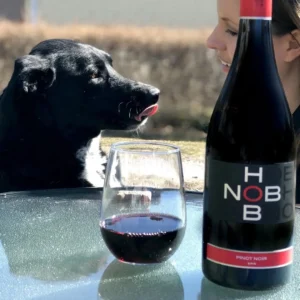
Hobnob Cabernet Sauvignon Red Wine is an example that brings this internationally recognised grape name into the discussion of structured red wine expressions.
Syrah And Shiraz: Dark Fruit and Spiced Character
Syrah, also known as Shiraz, is an important red grape variety associated with France’s Rhône Valley and Australia’s major wine regions.
Although the grape is the same, regional conditions can create noticeably different expressions.
Northern Rhône examples often display black pepper, dark berries, floral notes and savoury characteristics. Australian expressions can show riper fruit, including blackberry and plum, along with spice and sometimes chocolate-like notes.
The difference reflects variations in climate, grape ripeness and winemaking approaches.
Syrah wine and Shiraz wine demonstrate how regional identity can influence the character of an individual grape variety.
Malbec: Deep Colour and Concentrated Fruit
Malbec has its historical roots in France but is now strongly associated with Argentina, particularly the Mendoza region.
It is known for its deep colour, dark fruit character and relatively substantial structure. Common flavour notes include blackberry, plum, blueberry and violet. Some expressions may also reveal cocoa, spice and herbal characteristics.
Argentina’s high-altitude vineyards play an important role in shaping the country’s identity. Sunlight, temperature differences and growing conditions influence grape development and the final flavour profile.
The grape is also cultivated in France, where traditional expressions can show different levels of acidity, tannins and earthy characteristics.
Malbec wine represents an interesting connection between traditional French grape heritage and Argentina’s modern international wine identity.
Portillo Malbec Red Wine is another example that helps illustrate the presence of this variety in the wider international wine landscape.
These grapes represent three distinctive expressions of full-bodied wine. Their depth and structure demonstrate the wide range of characteristics that grape varieties and growing regions can create.
How Winemaking Techniques Influence Different Red Wine Styles
Grape variety explains many of the differences between wines, but the winemaking process adds another layer of character. Even wines produced from the same grape can develop distinct flavour profiles through different techniques.
Understanding these methods provides a clearer picture of how winemakers shape the identity of their wines.
Oak Ageing and Flavour Development
Oak barrels play an important role in the development of many red wines. During maturation, oak can contribute additional aromas and flavours, including vanilla, toast, cedar and spice.
The type of oak, barrel age and duration of maturation influence the final result. New oak often contributes more noticeable flavour, while older barrels generally have a subtler influence.
Different grape varieties provide useful examples of how oak maturation can add complexity and structure.
Fermentation And Grape Skin Contact
Red wine fermentation generally takes place with the grape skins present. This process allows colour compounds, tannins and flavour components to move from the skins into the fermenting liquid.
The length and conditions of skin contact influence the wine’s final structure.
Longer maceration can contribute greater colour extraction and tannin development. Shorter skin contact may produce a lighter style with softer structure.
Stainless Steel Fermentation
Stainless steel tanks offer winemakers greater control over fermentation temperatures and conditions.
Unlike oak barrels, stainless steel does not add woody flavours. This allows the natural fruit characteristics of the grape to remain more prominent.
This technique is often associated with wines where freshness and primary fruit expression are important.
Ageing And Maturation
Red wine ageing allows different elements of wine to develop and integrate over time. Some wines are designed to highlight fresh fruit, while others have the structure to develop more complex characteristics through bottle or barrel maturation.
The grape variety, acidity, tannins and overall balance all influence ageing potential.
These techniques show that grape selection alone does not determine a wine’s final identity. Winemaking decisions also contribute significantly to its character.
Different Red Wine Styles Reflect Global Celebration Traditions
Wine has long been connected with cultural traditions, hospitality and formal occasions in different parts of the world. Its importance varies between societies, but its presence in regional food histories and social customs provides an interesting perspective on global culture.
European wine regions offer some of the clearest examples of this connection.
France has a strong wine heritage closely linked with regional agriculture, local cuisine and generations of winemaking knowledge. Burgundy, Bordeaux and the Rhône Valley each represent different approaches to grape cultivation and wine production. These traditions form an important part of French red wine culture.
Italy has a similarly diverse wine culture. Regions such as Tuscany, Piedmont and Sicily have developed distinctive identities through local grape varieties, traditional food practices and regional craftsmanship. Together, they represent the diversity of Italian red wine traditions.
Spain also has a rich wine heritage. Rioja and Ribera del Duero are recognised for their grape varieties and established ageing traditions. These regions contribute significantly to the identity of Spanish red wine.
These regional identities demonstrate how wine can represent more than a particular flavour profile. It can also reflect geography, agricultural heritage and the customs of a community.
Diwali offers another cultural perspective on celebration. The festival represents light, renewal, family connections and the importance of traditions. Its celebrations bring together regional cuisines, decorative arts, hospitality and diverse cultural influences.
Exploring international wine traditions alongside such festivals creates an opportunity to appreciate the wider relationship between food, heritage and celebration. It also highlights how different cultures express special occasions through their own customs and culinary identities.
This connection between wine culture and celebrations makes the subject relevant beyond individual grape varieties. It provides a broader understanding of how regional traditions become part of cultural experiences.
Exploring Red Wine Styles Across the World's Famous Wine Regions
The diversity of red wine is closely connected with the geographical regions where different grape varieties grow. Climate, soil, altitude and local winemaking traditions all influence the characteristics of regional wines.
Exploring these locations helps explain why international wine styles have such distinctive identities.
Bordeaux, France
Bordeaux is one of the world’s most recognised wine regions. Its wines are commonly associated with Cabernet Sauvignon, Merlot and Cabernet Franc.
The Left Bank is particularly known for Cabernet Sauvignon-led blends, while Merlot plays a major role in many Right Bank wines.
The region demonstrates how grape blending and vineyard conditions contribute to structured and complex expressions.
Burgundy, France
Burgundy is particularly associated with the delicate red grape variety discussed earlier. The region’s varied vineyard locations and classification system contribute to its distinctive wine identity.
Differences in soil, vineyard exposure and local conditions create a wide range of expressions from the same grape variety.
Tuscany, Italy
Tuscany is closely linked with Sangiovese and several important Italian wine traditions.
Chianti, Brunello di Montalcino and Vino Nobile di Montepulciano are among the region’s recognised wine styles.
The region’s Mediterranean climate, landscape and food culture have helped establish its international reputation.
Rioja, Spain
Rioja is one of Spain’s most recognised wine regions. Tempranillo is its leading red grape variety, although other grapes also contribute to regional blends.
Ageing classifications play an important role in Rioja’s wine identity. Different maturation periods influence the development of fruit, spice and savoury characteristics.
Mendoza, Argentina
Mendoza is internationally recognised for its Malbec-based wines. Its high-altitude vineyards and dry growing conditions contribute to the region’s distinctive viticultural environment.
Differences in altitude, soil and climate across Mendoza create varied expressions of the same grape variety.
Conclusion
Celebrations are shaped by traditions, cultural connections and shared experiences. Exploring wine diversity adds another dimension to understanding the global heritage of food and beverages.
As festive occasions bring together different cuisines and cultural influences, understanding these traditions offers a broader appreciation of international food and beverage heritage.
Understanding red wine styles reveals the craftsmanship, regional identity and diversity behind every variety. At Solis Group, we bring together international wine expertise through thoughtful curation and importer partnerships. Connect with us to explore opportunities that support your business growth.
The connection between red wine and Diwali can therefore be explored through cultural diversity, regional food traditions and the wider story of Diwali festive celebrations, without suggesting that alcoholic beverages are necessary for enjoying the festival.
Ultimately, wine diversity is about more than colour, flavour or structure. It reflects the connection between nature, regional identity and human expertise. This is the essence of red wine craftsmanship and its place in global wine traditions.
FAQs
What determines the body of a red wine?
Red wine body depends on factors such as alcohol level, tannin structure, grape composition and flavour concentration. These elements create the overall weight and texture perceived on the palate.
Why does Pinot Noir have lighter tannins?
Pinot Noir has relatively thin grape skins, which contain less tannin than thicker-skinned varieties. Its lighter colour and delicate structure are also linked to its grape characteristics and winemaking methods
How do tannins influence red wine structure?
Tannins create a drying sensation and contribute to a wine's structure and ageing potential. Their intensity depends on grape variety, skin contact, seeds, stems and oak maturation.
Why does Cabernet Sauvignon have a firm structure?
Cabernet Sauvignon has thick grape skins that contribute colour and tannins during fermentation. Its natural acidity and tannin concentration help create its characteristic structured profile.
What makes Merlot different from Malbec?
Merlot generally displays plum, cherry and softer tannin characteristics, while Malbec often shows darker fruit, deeper colour and more pronounced structure. Growing conditions can influence both varieties considerably.
How does climate change red wine flavours?
Cooler climates generally preserve acidity and encourage fresher fruit characteristics, while warmer climates often support greater grape ripeness and concentrated fruit flavours. These differences influence the wine's overall balance and structure.
How does oak ageing change red wine characteristics?
Oak ageing can introduce vanilla, cedar, toast and spice while influencing texture and maturation. The result depends on barrel age, oak origin, exposure time and the wine's original structure.
Why can the same grape produce different wine styles?
Climate, soil, vineyard altitude, grape ripeness and winemaking techniques influence how a variety develops. Consequently, Pinot Noir from Burgundy can express different characteristics from Pinot Noir grown in Oregon.
-
 Rich World of Red Wine Styles Reflect the Spirit of Celebration
-
Irish Whiskey and Diwali Connects Heritage & Festivals
-
Vermouth and Wine Share Similar Roots than Taste
-
Hidden Grain Clues Behind Distinct Vodka Flavour
-
Fins Bois Cognac Delivers Character Without Spotlight
-
Sherry Casks Add Rich Layers to Scotch Whisky Maturation
-
Pale Rose Wine change Impression in Tasting Surprise
-
London Dry Gin Holds Its Classic Appeal than Modern Gin
-
Prestige Cuvée Champagne Showcases Winemaking Vision
-
Pinot Grigio and Sauvignon Blanc Meets Flavour Intensity

-
Christmas Cocktails You Can Make at Home
-
Sound Of Christmas Wine And Cheese?
-
A Fresh Take on New Year’s Resolutions
-
The Art of Smelling Wine Like a True Connoisseur
-
Looking for the Best Wine? Here's Where to Find It!
-
Read This Before You Buy Your Dad a Whisky.
-
Whiskey on the Rocks — Cool Choice or Flavor Mistake?
-
The Art of Pairing Wine with Indian Food
-
The Ingredients & Botanicals That Define Gin
-
Seven Days of Love — Wine for Valentine’s Week






-
Rich World of Red Wine Styles Reflect the Spirit of Celebration
-
Irish Whiskey and Diwali Connects Heritage & Festivals
-
Vermouth and Wine Share Similar Roots than Taste
-
Hidden Grain Clues Behind Distinct Vodka Flavour
-
Sherry Casks Add Rich Layers to Scotch Whisky Maturation
-
Pale Rose Wine change Impression in Tasting Surprise
-
London Dry Gin Holds Its Classic Appeal than Modern Gin
-
Pinot Grigio and Sauvignon Blanc Meets Flavour Intensity
-
Understanding Pink Gin Texture with Different Temperatures
-
International Vodka Day Works Beyond Party Stereotypes