
Craft Beer and Regular Beer gap Starts with Brewing Intent
The comparison between craft beer and regular beer is often reduced to taste alone, but the distinction is built much earlier in the brewing journey. The difference begins at the level of intent, ingredient decisions, and production philosophy.
Craft beer and regular beer differ fundamentally in how they are imagined and produced. Craft beer is shaped by flexibility and creative brewing choices. Regular beer is defined by structured consistency and large-scale uniformity. These differences influence every stage before the beer reaches the glass, making the final experience a reflection of earlier decisions rather than a standalone outcome.
Craft Beer and Regular Beer Difference Begins with Brewing Philosophy
Brewing Philosophy Defines the Entire Direction
Brewing philosophy is the foundation of every beer style. It decides how ingredients are chosen, how processes are managed, and how final character is shaped. This forms the base of craft beer brewing philosophy as well as structured industrial brewing systems.
Craft Beer Philosophy
Craft brewing focuses on expression and variation. Each batch is treated as a space for controlled creativity. Brewers prioritize:
- Flavour individuality over uniform repetition
- Experimentation with ingredients and combinations
- Small-batch attention and hands-on control
- Flexibility in brewing adjustments
The goal is not to replicate a fixed profile but to create a distinct identity in each brew cycle.
Regular Beer Philosophy
Regular beer production follows a structured brewing model focused on stability. The emphasis remains on:
- Consistent taste across all batches
- Predictable brewing outcomes
- Standardized production methods
- Controlled process execution
This ensures the same sensory experience is delivered every time without variation, reflecting the regular beer production process mindset.
Why Philosophy Matters Early
The brewing philosophy decides everything that follows. Even when similar ingredients are used, the intended direction changes the outcome significantly before fermentation even begins.
Ingredient Selection Shapes Beer Identity Before Brewing Starts
Ingredient decisions are one of the earliest and most defining steps in beer creation. The difference between craft and regular beer becomes visible here through beer ingredient selection approaches.
Craft Beer Ingredient Approach
Craft brewing uses ingredient selection as a creative tool. Each element is chosen for its role in flavour development.
Key characteristics include:
- Use of specialty malts to build layered body
- Diverse hop varieties selected for aroma and bitterness variation
- Yeast strains chosen for character-driven fermentation
- Ingredient combinations designed for uniqueness rather than repetition, forming key craft beer ingredient’s identity
These choices allow brewers to shape complexity from the ground up.
Regular Beer Ingredient Approach
Regular beer follows a controlled ingredient model focused on reliability and scalability.
- Ingredients are selected for uniform performance
- Sourcing prioritizes stability across large batches
- Standard malt and hop profiles are commonly used
- Yeast strains are selected for clean and predictable fermentation
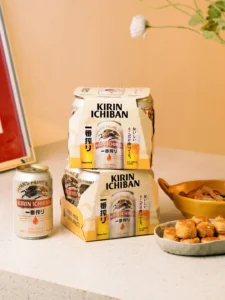
Kirin Ichiban Beer reflects a controlled ingredient philosophy built on consistency and clean fermentation outcomes. The goal is to maintain identical results across production cycles.
Impact on Final Structure
Ingredient decisions directly influence aroma depth, mouthfeel balance, and flavour intensity. These effects are already embedded before brewing advances further.
Water Profile Engineering Creates the Silent Foundation
Water plays a central role in beer formation, often overlooked but extremely influential.
Craft Brewing Water Control
Craft brewers adjust water profiles to support specific flavour directions.
- Water composition may be modified to enhance hop expression
- Mineral balance is tuned for malt richness or crispness
- Small changes are used to influence texture and finish
Water becomes an active part of flavour design.
Regular Brewing Water Consistency
Regular beer production focuses on stable and neutral water characteristics.
- Water is treated for consistency across batches
- Mineral variation is minimized
- Priority is placed on avoiding flavour inconsistency
Why Water Matters Early
Water interacts with all brewing elements from the beginning. Its profile influences extraction, fermentation behaviour, and overall balance.
Yeast Selection and Fermentation Shape Beer Character
Fermentation is where beer identity develops further, but the direction is already set earlier.
Craft Beer Fermentation Approach
Craft brewing uses yeast as a flavour-building component within beer brewing techniques.
- Multiple yeast strains are used for complexity
- Fermentation is closely monitored for flavour development
- Temperature variations may be used intentionally
- Esters and aroma compounds are encouraged for depth
Regular Beer Fermentation Approach
Regular beer fermentation is designed for neutrality and control.
- Yeast strains are selected for clean output
- Fermentation conditions remain tightly regulated
- Flavour influence from yeast is minimized
- Focus remains on consistency across batches
Fermentation’s Role in Identity
Yeast activity creates aromatic compounds that define beer personality. This stage builds on earlier ingredient and water decisions.
Process Control Defines Structure Before Completion
Brewing process control shapes how ingredients interact during production.
Craft Brewing Process Flexibility
Craft brewing allows adaptive control during production.
- Temperature and timing adjustments based on batch behaviour
- Manual intervention for flavour tuning
- Batch-specific decision-making
- Controlled variation for expression
Regular Brewing Process Precision
Regular beer production relies on structured systems.
- Automated process control systems
- Fixed brewing parameters
- Reduced variability across cycles
- High repeatability standards
Process Impact
Process control influences extraction efficiency, flavour balance, and final structure. It determines how ingredients translate into liquid character.
Recipe Design Establishes the Blueprint of Flavour
The recipe is the earliest blueprint that defines beer identity.
Craft Beer Recipe Development
Craft recipes evolve through experimentation.
- Recipes are refined over time
- Seasonal variations may be introduced
- Brewers adjust formulas based on outcomes
- Flexibility remains central to development
Regular Beer Recipe Structure
Regular beer recipes remain fixed for consistency.
- Formulas are locked after development for Beer lager and ale taste
- Changes require extensive validation
- Stability is prioritized over variation
Why Recipe Matters Early
The recipe guides every stage of brewing, ensuring alignment between intention and execution.
Flavour Formation Happens Before the First Sip
Beer flavour is not created at the moment of drinking. It is formed through a chain of early decisions.
Key influencing factors include:
- Ingredient selection strategy
- Water composition and treatment
- Yeast behaviour and fermentation control
- Brewing process precision
- Recipe structure and flexibility
Each layer builds upon the previous one, shaping the final experience long before serving.
Conclusion
The difference between craft beer and regular beer is not limited to taste comparison. It originates in brewing philosophy, ingredient selection, fermentation approach, and process design.
Understanding craft beer and regular beer at a foundational level reveals how early decisions define the final experience. Solis Group works alongside partners to introduce curated selections that reflect quality, heritage, and structure. Start a conversation to see how strategic sourcing can strengthen your business positioning.
By the time beer reaches the glass, its identity has already been fully formed through structured or expressive brewing decisions. Craft beer reflects creative variation, while regular beer reflects controlled consistency. Both approaches represent distinct brewing priorities shaped long before the first sip.
FAQs
What defines craft beer and regular beer at the core?
Craft beer focuses on creative brewing control and variation, while regular beer is built on consistency and repeatability. The difference begins with intent, not taste, shaping every stage before the final pour.
Why does brewing philosophy matter in beer production?
Brewing philosophy determines how ingredients, fermentation, and processes are handled.
It directly influences whether the beer develops unique character or consistent uniformity.
How does ingredient selection impact beer before brewing starts?
Ingredient selection sets the potential flavour range and structure early in the process.
Different sourcing approaches lead to noticeable differences in aroma depth and body.
How does yeast influence beer character?
Yeast produces aroma compounds that define the beer’s personality during fermentation.
Different strains create distinct flavour profiles even with the same base ingredients.
Why is fermentation considered a critical stage?
Fermentation transforms raw inputs into complex flavour and aroma structures.
Control at this stage determines whether the result is expressive or neutral.
How do brewing processes differ between craft and regular beer?
Craft brewing allows flexible adjustments during production for flavour refinement.
Regular brewing follows fixed parameters to ensure consistent output across batches.
Why is recipe design important before brewing begins?
The recipe acts as a blueprint guiding ingredient ratios and process decisions. It defines whether the beer will evolve over time or remain strictly consistent.
When is beer flavour actually created?
Beer flavour is built progressively during ingredient selection, brewing, and fermentation.
By the time it reaches the glass, most of its identity is already fully formed.
-
 Fins Bois Cognac Delivers Character Without Spotlight
 -
Sherry Casks Add Rich Layers to Scotch Whisky Maturation
-
Pale Rose Wine change Impression in Tasting Surprise
-
London Dry Gin Holds Its Classic Appeal than Modern Gin
-
Prestige Cuvée Champagne Showcases Winemaking Vision
-
Pinot Grigio and Sauvignon Blanc Meets Flavour Intensity
-
Understanding Pink Gin Texture with Different Temperatures
-
International Vodka Day Works Beyond Party Stereotypes
-
French Vermouth Styles Hides Herbs in Silky Wine Base
-
Oak Aged Red Wine delivers smoky warm finish







-
Christmas Cocktails You Can Make at Home
-
Sound Of Christmas Wine And Cheese?
-
A Fresh Take on New Year’s Resolutions
-
The Art of Smelling Wine Like a True Connoisseur
-
Looking for the Best Wine? Here's Where to Find It!
-
Read This Before You Buy Your Dad a Whisky.
-
Whiskey on the Rocks — Cool Choice or Flavor Mistake?
-
The Art of Pairing Wine with Indian Food
-
The Ingredients & Botanicals That Define Gin
-
Seven Days of Love — Wine for Valentine’s Week







-
Sherry Casks Add Rich Layers to Scotch Whisky Maturation
-
Pale Rose Wine change Impression in Tasting Surprise
-
London Dry Gin Holds Its Classic Appeal than Modern Gin
-
Pinot Grigio and Sauvignon Blanc Meets Flavour Intensity
-
Understanding Pink Gin Texture with Different Temperatures
-
International Vodka Day Works Beyond Party Stereotypes
-
French Vermouth Styles Hides Herbs in Silky Wine Base
-
Oak Aged Red Wine delivers smoky warm finish
-
Vodka Taste Differ Even When Recipes Match
-
Light and Full-Bodied Sparkling Wines Bring Two Taste Layers