

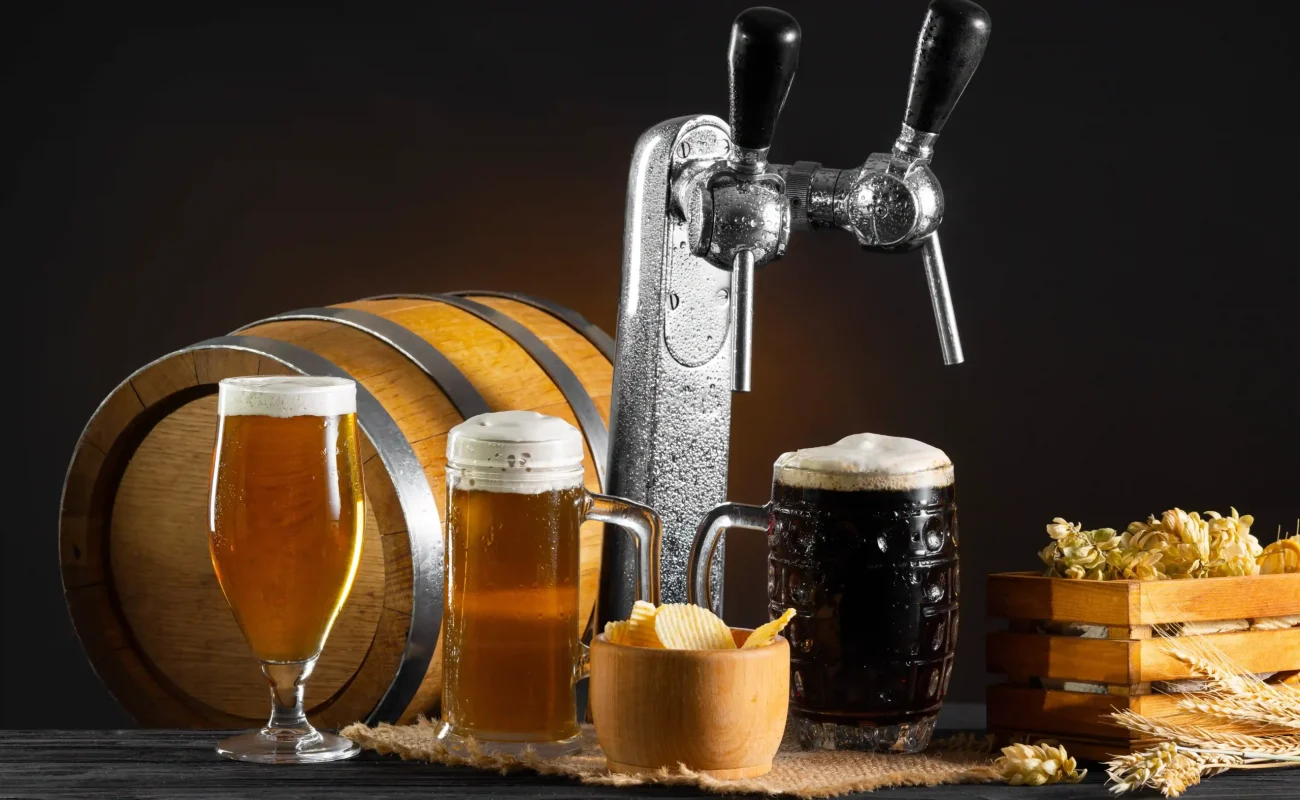
International Beer Day revives Timeless Classic Beers
Every year, International Beer Day brings attention to the culture, craft, and history behind one of the world’s oldest beverages. While trends continue to evolve, classic beers remain central to global appreciation.
In a market driven by constant change, traditional beer styles continue to hold relevance. Their appeal lies in balance, familiarity, and refinement rather than novelty. This makes International Beer Day the right moment to revisit why these timeless styles still connect across generations.
What Defines Classic Beers on International Beer Day
Traditional Brewing Foundations
Classic beers are built on methods refined over centuries. These styles are shaped by regional brewing traditions, where ingredients, climate, and local expertise define the final character.
German lagers, Belgian ales, Czech pilsners, and British porters all reflect distinct brewing identities. These are not passing trends. They are benchmarks that continue to guide modern brewing practices.
Consistency Over Experimentation
Unlike experimental styles, classic beers focus on delivering a consistent experience. The emphasis remains on balance between malt, hops, and yeast.
This consistency builds trust and familiarity, allowing people to return to a known taste profile without variation.
Cultural and Historical Significance
Classic beers are closely tied to social traditions. From local gatherings to global festivals, these styles have always played a role in shared cultural moments.
They represent more than taste. They reflect continuity, craftsmanship, and heritage.
Why International Beer Day Revives Interest in Classic Styles
A Global Moment of Awareness
International Beer Day creates a shared global focus on beer culture. Across regions, there is renewed interest in understanding different styles and their origins.
This awareness often leads people back to classic foundations before exploring newer interpretations.
Shift Toward Authentic Taste
There is a growing preference for clean and balanced flavour profiles. Many are moving away from overly complex or experimental styles.
Classic beers meet this expectation with clarity and structure.
Easy Entry for New Audiences
Traditional styles provide a clear starting point. Their flavours are structured, making them easier to understand and appreciate.
This makes them an important bridge between curiosity and deeper exploration.
Popular Classic Beer Styles Worth Revisiting
Lagers: Clean and Crisp Foundations
Lagers are known for their smooth texture and refined finish. Their lower fermentation temperature creates a clean and polished character.
Styles such as Helles and Vienna lager highlight subtle malt sweetness while maintaining balance. A refined example like Kirin Ichiban Beer reflects this clarity through its smooth and structured profile.
Pilsners: Defined by Precision
Pilsners are recognized for their clarity and sharp bitterness. Originating from Central Europe, they focus on precision without overwhelming the palate. A well-crafted pilsner beer profile balances crisp bitterness with a light malt base.
Differences between Czech and German pilsners highlight subtle variations in hop expression and mouthfeel.
Ales: Balanced and Expressive
Ales offer a wider range of flavours due to warmer fermentation. Pale ales, amber ales, and mild ales each present distinct characteristics while maintaining drinkability. These lagers vs ale beer types show how fermentation influences both aroma and depth.
They highlight expression without losing structure.
Stouts and Porters: Depth with Structure
Stouts and porters are defined by roasted malt characteristics. Notes of cocoa, coffee, and toasted grain create layered complexity.
Despite their richness, well-made versions remain smooth and balanced.

Flavour Appreciation in Classic Beers
Balance as the Core Principle
Classic beers are built on harmony. Malt sweetness, hop bitterness, and yeast character work together to create cohesive beer taste profiles.
This balance is what makes them widely appreciated across different preferences.
Subtle Complexity
The complexity in classic beers unfolds gradually. Layers become noticeable over time rather than all at once.
This makes them suitable for both casual understanding and deeper exploration, often supported by a simple beer tasting guide.
Designed for Comfort and Familiarity
Classic beers are structured to remain approachable. Their profiles avoid overwhelming intensity, making them easy to return to over time.
Classic Beers vs Modern Trends
Tradition and Innovation
Modern brewing introduces bold ingredients and unconventional techniques. While this drives creativity, it also creates contrast with traditional styles.
Classic beers focus on refinement rather than reinvention.
Technique Over Ingredient Novelty
Contemporary brewing often highlights unique ingredients. Classic beers, in contrast, emphasize process precision.
Fermentation control, ingredient balance, and brewing discipline define their quality.
Changing Market Perception
There is growing appreciation for beers that prioritize clarity and drinkability. This shift brings attention back to styles with well-defined beer taste profiles.
How Breweries Are Reintroducing Classic Styles
Revival of Heritage Recipes
Breweries are revisiting traditional recipes with a focus on authenticity. This helps preserve brewing heritage while making it accessible today.
Modern Presentation with Traditional Identity
Branding and packaging have evolved, but the core taste remains unchanged. This balance keeps classic beers relevant without altering their identity.
Educating New Drinkers
There is increased focus on explaining origins and brewing methods. This helps audiences understand elements like the pilsner beer profile and other classic characteristics.
A well-recognized reference such as Kirin Ichiban Beer often helps illustrate how precision and simplicity come together in modern interpretations of traditional brewing.

How to Approach Classic Beers on International Beer Day
Focus on Sensory Details
Pay attention to aroma, texture, and finish. Classic beers reveal quality through subtle details.
Compare Different Styles
Understanding differences between categories builds clarity. Exploring key ale beer types alongside lagers and darker styles enhances perspective.
Learn the Origin Behind Each Style
Regional influence shapes flavour and structure. Knowing the origin adds context to the experience.
Food Pairing with Classic Beer Styles
Lagers and Light Dishes
Lagers complement lighter foods with their clean profile and balanced structure.
Ales and Richer Meals
Ales pair well with dishes that have depth. Their structure supports complex flavours.
Stouts and Intense Flavours
Darker styles align with bold and layered dishes due to their roasted character.
Conclusion
International Beer Day highlights the importance of beer’s origins and its continued evolution.
Classic beers represent balance, heritage, and consistency. In a rapidly changing landscape, they offer something stable and refined.
If your business is exploring how global beverage narratives shape consumer choices, this is the right moment to start meaningful conversations. Solis Group works closely with partners who value heritage, quality, and long-term growth in evolving markets. Reach out to explore how thoughtful curation and strategic collaboration can support your next phase of expansion.
Revisiting these styles is not about looking back. It is about understanding the standards that continue to shape the future of brewing.
FAQs
What makes a beer a classic style?
Classic beer styles are defined by long-standing brewing methods, balanced flavour structure, and regional identity rather than experimentation. They act as benchmarks that modern beers often build upon.
How are lagers different from ales?
Lagers use cold fermentation, resulting in a cleaner and smoother finish. Ales ferment at warmer temperatures, creating more pronounced aroma and flavour variation.
What defines a strong pilsner profile?
A strong pilsner profile is marked by crisp bitterness, light malt backbone, and clear finish.
It delivers precision without overwhelming the palate.
Are classic beers less complex than modern craft beers?
Classic beers offer subtle complexity through balance rather than bold or layered extremes.
Their depth becomes noticeable over time, not in the first sip.
Why are classic beers easier for beginners?
They have structured and predictable flavour profiles that are easier to understand.
This clarity helps new drinkers identify taste differences across styles.
What role does tradition play in beer quality?
Tradition ensures consistency, refined techniques, and proven brewing standards. It reduces variability and builds long-term trust in the final product.
How do breweries modernize classic beer styles?
Breweries update packaging and storytelling while preserving original recipes and techniques. This keeps the style relevant without altering its core identity.
What is the best way to evaluate beer flavours?
Focus on aroma, mouthfeel, and finish rather than just taste intensity. A structured tasting approach reveals balance and hidden nuances.
-
 Craft Beer and Regular Beer gap Starts with Brewing Intent
 -
Rare Cellars Hide Grande Champagne Cognac Stories
-
Light and Full-Bodied Sparkling Wines Bring Two Taste Layers
-
Maceration Time impacts Flavour in Pink Gin Styles
-
Rare Vintage Port Wine Peak Expression of Douro Vineyards
-
Vodka and Wine showed Two Worlds of Aroma
-
Whiskey Colour Spectrum from Pale Gold to Ebony Depths
-
Gewurztraminer White Wine Reveals Floral Spice Magic
-
Pinot Noir and Merlot aroma notes mapped to clear flavours
-
Vermouth styles broken down by taste impact not wine Language









-
Christmas Cocktails You Can Make at Home
-
Sound Of Christmas Wine And Cheese?
-
A Fresh Take on New Year’s Resolutions
-
The Art of Smelling Wine Like a True Connoisseur
-
Looking for the Best Wine? Here's Where to Find It!
-
Whiskey on the Rocks — Cool Choice or Flavor Mistake?
-
Read This Before You Buy Your Dad a Whisky.
-
The Art of Pairing Wine with Indian Food
-
The Ingredients & Botanicals That Define Gin
-
Seven Days of Love — Wine for Valentine’s Week








-
Light and Full-Bodied Sparkling Wines Bring Two Taste Layers
-
Maceration Time impacts Flavour in Pink Gin Styles
-
Rare Vintage Port Wine Peak Expression of Douro Vineyards
-
Vodka and Wine showed Two Worlds of Aroma
-
Whiskey Colour Spectrum from Pale Gold to Ebony Depths
-
Gewurztraminer White Wine Reveals Floral Spice Magic
-
Pinot Noir and Merlot aroma notes mapped to clear flavours
-
Vermouth styles broken down by taste impact not wine Language
-
Gin ABV Clarity Leads to More Confident Gin Selection
-
Vodka Flavour Builds Its Identity by overpowering Notes