
Red wine grapes taste better when tannins do their magic
Ever noticed a dry, gripping feeling after a sip of red wine? That sensation comes from tannins. They are one of the most important elements shaping how a wine feels, tastes, and holds together.
Tannin levels in red wine grapes directly influence three core aspects:
- Texture
- Taste
- Balance
This is why understanding red wine tannin levels helps you move beyond guessing and start choosing wines that match your preference with confidence.
A deeper look at red wine texture and tannins makes every tasting more meaningful.
What Are Tannins in Red Wine Grapes
Tannins are natural compounds found in grape skins, seeds, and stems. During winemaking, these compounds are extracted into the liquid, creating structure and depth.
In simple terms, tannins create that drying, slightly rough sensation on your tongue and gums.
Key points:
- They are not the same as acidity or alcohol
- They add structure rather than sharpness
- They are essential for how a wine develops over time
These compounds, often referred to as grape skins seeds tannins, define how firm or soft a wine feels.
Many people exploring red wine tannin levels confuse tannins with bitterness.
The difference is clear:
- Bitterness is a taste
- Tannins create texture and dryness
Sources of Tannin in Red Wine Grapes
Tannin levels are not random. They depend on both the grape and the way the wine is made.
Grape Components That Contribute Tannins
- Skins: Main source of smooth, structured tannins
- Seeds: Add stronger, more intense tannins
- Stems: Sometimes included to increase structure
These elements together form what experts describe as grape skins seeds tannins in wine structure.
Winemaking Decisions That Affect Tannin Levels
- Longer skin contact increases tannin extraction
- oak aging and tannins work together to add depth and structure
- Fermentation style influences how soft or firm tannins feel
The role of oak aging and tannins explains why some wines feel smoother over time.
What a Red Wine Grapes Tannin Levels Influence Texture
Texture is the first thing tannins impact. It defines how the wine feels across your palate.
- Low tannin wines: Smooth, soft, easy to enjoy
- Medium tannin wines: Balanced, slightly firm, structured
- High tannin wines: Dry, gripping, bold, long-lasting
Understanding high tannin vs low tannin wine helps in identifying these differences quickly.
This is where red wine texture and tannins become easy to recognize even for beginners.
A simple way to understand texture:
- Low tannin feels like silk
- High tannin feels closer to strong black tea
How Tannin Levels Shape Taste in Red Wine Grapes
Tannins do more than affect texture. They also influence how flavour is experienced.
- They balance fruit intensity
- They reduce the perception of sweetness
- They can make flavour feel deeper and more layered
This is where tannins directly impact red wine aroma & flavour, shaping how bold or soft it feels. A structured wine often shows a more complex red wine flavour profile.
Higher tannin levels often create a bold and serious taste profile, while lower levels allow fruit flavour to feel more open and fresher.
How Tannins Create Balance in Red Wine Grapes
Balance is what separates an average wine from a refined one. Tannins play a central role in this harmony.
A well-balanced wine brings together:
- Tannins
- Acidity
- Alcohol
- Fruit character
When comparing high tannin vs low tannin wine, balance becomes easier to understand.
When tannins are too strong, the wine feels harsh. When they are too soft, the wine may feel flat.
Tannin Levels Across Different Red Wine Grapes
Not all red wine grapes produce the same tannin levels. Knowing this helps in making better choices.
High Tannin Red Wine Grapes
- Cabernet Sauvignon
- Nebbiolo
- Syrah
The Cabernet Sauvignon tannin level is often high, giving it a bold and structured profile.
Understanding Cabernet Sauvignon tannin level helps explain its strong aging potential.
Medium Tannin Red Wine Grapes
- Merlot
- Sangiovese
- Tempranillo
The Merlot tannin level sits in the middle, offering balance and softness. This makes Merlot tannin level ideal for those who prefer structure without intensity.
A practical example of this balanced style can be seen in Luz Maria Merlot Red Wine, where tannins feel present yet smooth.
Low Tannin Red Wine Grapes
- Pinot Noir
- Gamay
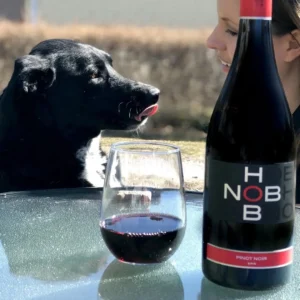
Pinot Noir low tannin red wine is known for its smooth and light feel. Many beginners prefer Pinot Noir low tannin red wine for its easy texture.
A classic expression of this style appears in Ironstone Pinot Noir Red Wine, which highlights softness and approachability.
Why Some Red Wine Grapes Feel More Astringent
Astringency is that drying sensation that makes your mouth feel tight. Several factors influence it:
- Climate: Cooler regions often produce firmer tannins
- Ripeness: Less ripe grapes create sharper tannins
- Harvest timing: Early harvest increases intensity
- Winemaking style: Extraction methods change texture
Even within similar categories, wines like Ironstone Pinot Noir Red Wine may feel softer, while structured examples such as Luz Maria Merlot Red Wine can show a slightly firmer grip.
Tannin Levels and Aging Potential in Red Wine Grapes
Tannins play a key role in how a wine evolves over time.
- Strong tannins soften gradually
- The texture becomes smoother with age
- Flavour integrate and feel more refined
This transformation is closely linked with oak aging and tannins, which enhance structure over time.
Food Pairing and Tannin Levels in Red Wine Grapes
Tannins interact with food in a unique way, especially with protein.
- High tannin wines pair well with rich, protein-based dishes
- Medium tannin wines work with a wide range of meals
- Low tannin wines complement lighter dishes
How to Identify Tannin Levels While Tasting Red Wine Grapes
You can detect tannins with a simple approach:
- Notice the drying feeling on your gums
- Check how long the sensation lasts
- Observe how your mouth reacts after swallowing
Choosing Red Wine Grapes Based on Tannin Preference
Selecting wine becomes easier when you understand tannins:
- Prefer smooth textures → choose low tannin grapes
- Enjoy structure and depth → explore high tannin grapes
- Want balance → medium tannin options work well
Common Myths About Red Wine Grapes and Tannin Levels
Myth 1: Tannins mean poor quality
Reality: Tannins are essential for structure and complexity
Myth 2: All tannic wines taste bitter
Reality: Tannins affect texture more than taste
Myth 3: Older wines have stronger tannins
Reality: Tannins soften and integrate over time
Conclusion
Tannin levels in red wine grapes shape how a wine feels, tastes, and balances itself. Once you understand their role, every tasting becomes more intentional and enjoyable.
Red wine grapes reveal their true character through how they’re understood, not just poured. Solis Group collaborates with businesses looking to refine and scale thoughtfully.
Open to connecting where curated portfolios meet long-term growth.
Instead of focusing only on names, focusing on tannin structure opens a clearer path to discovering wines that truly match your preference.
FAQs
What are tannins in red wine grapes?
Tannins are natural compounds from grape skins, seeds, and stems that create structure.
They produce a drying sensation and shape how the wine feels in your mouth.
How do tannin levels affect wine texture?
Higher tannins create a firm, gripping texture, while lower levels feel smooth. This difference directly impacts how rich or soft the wine feels on the palate.
Do tannins change the taste of red wine?
Tannins don’t add flavour but influence how flavours are perceived and balanced. They can make fruit notes feel deeper, drier, or more structured.
Which red wine grapes have the highest tannins?
Grapes like Cabernet Sauvignon and Nebbiolo are known for high tannin levels. They typically produce bold, structured wines with strong aging potential.
Which red wine grapes are low in tannins?
Pinot Noir and Gamay are naturally lower in tannins. They create softer, smoother wines that are easier to approach.
How do tannins influence wine aging?
Tannins act as a structural backbone that softens over time. This allows the wine to develop smoother texture and integrated flavours.
Can you identify tannins while tasting wine?
Yes, focus on the drying effect on your gums and inner cheeks. The longer and stronger it feels, the higher the tannin level.
How do tannins affect wine balance?
Tannins balance fruit, acidity, and alcohol to create structure. Too much feels harsh, while too little can make the wine feel flat.
-
 Pale Rose Wine change Impression in Tasting Surprise
 -
London Dry Gin Holds Its Classic Appeal than Modern Gin
-
Prestige Cuvée Champagne Showcases Winemaking Vision
-
Pinot Grigio and Sauvignon Blanc Meets Flavour Intensity
-
Understanding Pink Gin Texture with Different Temperatures
-
International Vodka Day Works Beyond Party Stereotypes
-
French Vermouth Styles Hides Herbs in Silky Wine Base
-
Oak Aged Red Wine delivers smoky warm finish
-
Rich Layered Taste Profile Dominates Blanc de Noirs
-
Vodka Taste Differ Even When Recipes Match
-
Christmas Cocktails You Can Make at Home
-
Sound Of Christmas Wine And Cheese?
-
A Fresh Take on New Year’s Resolutions
-
The Art of Smelling Wine Like a True Connoisseur
-
Looking for the Best Wine? Here's Where to Find It!
-
Read This Before You Buy Your Dad a Whisky.
-
Whiskey on the Rocks — Cool Choice or Flavor Mistake?
-
The Art of Pairing Wine with Indian Food
-
The Ingredients & Botanicals That Define Gin
-
Seven Days of Love — Wine for Valentine’s Week




-
Pale Rose Wine change Impression in Tasting Surprise
-
London Dry Gin Holds Its Classic Appeal than Modern Gin
-
Pinot Grigio and Sauvignon Blanc Meets Flavour Intensity
-
Understanding Pink Gin Texture with Different Temperatures
-
International Vodka Day Works Beyond Party Stereotypes
-
French Vermouth Styles Hides Herbs in Silky Wine Base
-
Oak Aged Red Wine delivers smoky warm finish
-
Vodka Taste Differ Even When Recipes Match
-
Light and Full-Bodied Sparkling Wines Bring Two Taste Layers
-
Maceration Time impacts Flavour in Pink Gin Styles