

Sparkling Wine Regions Shape Taste Beyond Just Flavour Notes
Sparkling wine is more than just bubbles in a glass. It is a reflection of place, climate, and craftsmanship. Each region creates a unique identity, shaping how the wine smells, feels, and finishes. Exploring these differences opens a deeper understanding of sparkling wine taste differences and how they evolve globally.
This taste journey takes you through key sparkling wine regions and explains how their flavours differ in a simple, engaging way while exploring sparkling wine flavour profiles across regions.
Why Sparkling Wine Tastes Different Across Regions
Sparkling wine flavour changes from one region to another due to several natural and human factors. Climate plays a major role. Cooler regions often produce wines with higher acidity and fresh citrus notes, while warmer areas bring out riper fruit flavours.
Soil also matters. Chalky soils can create crisp and mineral-driven wines, while clay soils may add weight and depth. Grape varieties further shape taste, as each grape brings its own aroma and texture, influencing types of sparkling wine found worldwide.
Winemaking methods add another layer. Techniques like traditional fermentation or tank processing influence how complex or fresh the final flavour feels, shaping sparkling wine flavour notes in distinct ways.
How Terroir Shapes Sparkling Wine Regions Profiles
Terroir refers to the complete natural environment where grapes grow. It includes soil, weather, altitude, and sunlight. Together, these elements define the personality of sparkling wine.
Higher altitudes often lead to brighter acidity. Regions with more sunlight can produce richer fruit flavours. Rainfall levels also affect grape concentration. These small variations create noticeable sparkling wine taste differences, even when similar grapes are used.
Champagne Style for Crisp Structure with Layered Complexity
Sparkling wines from this style are known for their refined character and detailed flavour layers. Common tasting notes include green apple, citrus, and subtle toasted elements.
The high acidity gives a clean and sharp structure. Fine bubbles enhance texture, making the wine feel smooth yet lively. Aging adds deeper notes such as bread-like aromas and nutty hints, contributing to complex sparkling wine aroma and layered depth often discussed in Champagne vs Prosecco comparisons.
Prosecco Style for Light Body with Fresh Fruit Expression
This style is easy to recognize due to its bright and approachable flavour. Expect notes of pear, apple, and soft floral tones that define the Prosecco wine flavour profile.
The texture is lighter, and the bubbles feel gentle. The overall profile focuses on freshness rather than depth. This makes it distinct from more complex sparkling wines, especially when comparing Champagne vs Prosecco or Prosecco vs Cava styles.
Cava Style for Balanced Flavour with Subtle Earthy Notes
Cava offers a middle ground between freshness and structure. It often carries citrus notes combined with mild herbal or almond-like characteristics that define Cava sparkling wine taste.
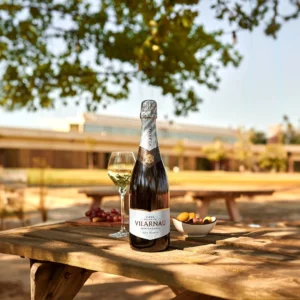
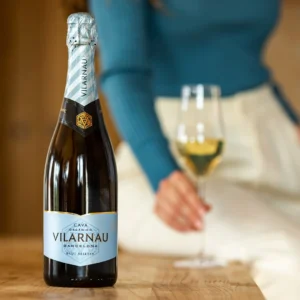
The texture is smooth with a steady acidity. Some versions show deeper flavours due to aging, while others stay light and crisp. This balance becomes clear when exploring Prosecco vs Cava differences in structure and flavour, where expressions like Vilarnau Cava Brut wine reflect this harmony.
Franciacorta Style for Rich Texture with Refined Depth
Franciacorta Style is known for its creamy texture and layered flavours. It often shows notes of peach, toasted bread, and nuts.
Longer aging enhances complexity, giving it a fuller mouthfeel. Despite its richness, it maintains structure through balanced acidity. The result is a polished and elegant flavour experience shaped by refined sparkling wine flavour profiles.
New World Sparkling Wine regions Bold and Fruit-Forward Profiles
Sparkling wines from newer regions tend to highlight fruit intensity. Warmer climates allow grapes to ripen more, leading to flavours like tropical fruit and ripe stone fruits.
These wines often feel rounder and softer compared to those from cooler regions. Innovation in winemaking also adds diversity, influencing evolving types of sparkling wine across global regions.
Cool Climate vs Warm Climate Sparkling Wines Regions
Climate directly shapes how sparkling wine tastes.
Cool climate wines usually have:
- High acidity
- Citrus and green fruit flavours
- Crisp and refreshing finish
Warm climate wines often show:
- Softer acidity
- Riper fruit flavours
- Fuller texture
This contrast explains how climate drives sparkling wine flavour notes and overall experience.
Sparkling Wine Regions Production Methods and Flavour Impact
The way sparkling wine is made changes its flavour significantly.
Traditional method wines develop complex notes like bread, nuts, and creaminess due to aging with yeast. Tank method wines focus on fresh fruit and floral aromas, enhancing sparkling wine aroma and keeping the profile light and simple.
Ancestral styles can feel more rustic, while carbonation methods create straightforward and easy profiles. Each method brings a different tasting experience.
Understanding Flavour Notes Across Sparkling Wine Regions
Sparkling wine flavours can be grouped into three levels.
Primary flavours come from the grapes and include fruit and floral notes.
Secondary flavours develop during fermentation and often include bread-like or yeasty aromas.
Tertiary flavours appear with aging and bring depth, such as nuts or dried fruit.
Texture also plays a role. Some wines feel creamy, while others feel crisp and sharp. Bubble size can change how the wine feels on the palate.
How to Identify Sparkling Wine Regions Characteristics While Tasting
Recognizing regional differences becomes easier with a simple approach.
Start by observing the bubbles and clarity. Then notice the aroma, focusing on fruit, floral, or earthy tones. Taste the wine and pay attention to acidity, body, and texture.
The finish gives clues about complexity. A longer finish often indicates deeper flavour development, while a shorter one suggests a lighter style.
Sparkling Wine Regions and Food Pairing
Different sparkling wine styles align with different types of food.
Crisp styles pair well with light dishes due to their refreshing nature. Fruity styles complement mildly sweet or spiced flavours. Rich and complex styles match better with heavier, Savory meals.
The key is balancing intensity so that neither the food nor the wine feels overpowering.
Common Misconceptions About Sparkling Wine Regions
Many people believe all sparkling wines taste the same. In reality, regional differences create wide variation in flavour.
Another common idea is that only one region produces high-quality sparkling wine. However, many regions offer distinct and well-crafted styles.
Sweetness is also often misunderstood. It does not define quality but simply reflects style.
Choosing Sparkling Wine Regions Based on Flavour Preference
Selecting sparkling wine becomes easier when you understand your taste preference.
If you enjoy crisp and refreshing flavours, look for wines with higher acidity.
If you prefer fruity and aromatic notes, choose styles that highlight fresh fruit.
For deeper and richer profiles, explore wines with longer aging.
This approach helps match the wine to your personal taste rather than relying on labels alone, where options like Vilarnau Cava Brut can align well with balanced flavour preferences.
Emerging Sparkling Wine Regions to Watch
New regions are gaining attention for their unique sparkling wine styles. England is known for its high-acidity wines with clean structure. India is developing fresh and fruit-driven profiles. South America continues to expand with diverse expressions.
These regions show how sparkling wine continues to evolve globally.
Conclusion
Sparkling wine is shaped by its origin, making every region unique. From crisp and mineral-driven styles to rich and layered profiles, the diversity is vast.
Understanding these differences allows a more informed and enjoyable exploration. As sparkling wine preferences continue to evolve, having the right regional mix becomes essential for long-term growth. A well-informed approach can help businesses stand out with depth and credibility.
Solis Group engages with businesses to build thoughtful, market-aware wine portfolios. Reach out to begin a conversation around strengthening your selection with purpose.
Each region offers a distinct taste experience, turning every glass into a journey of discovery.
FAQs
Why do sparkling wines taste different across regions?
Climate, soil, and grape variety shape acidity, fruit intensity, and texture. These factors create distinct regional flavour signatures.
What defines sparkling wine flavour profiles?
Flavour comes from grape type, fermentation method, and aging. Together, they influence fruit notes, texture, and aromatic complexity.
How does climate affect sparkling wine taste?
Cool climates produce crisp acidity and citrus notes, while warm regions develop riper fruit flavours with softer structure.
What is unique about the Prosecco wine flavour profile?
It is typically light, fruit-forward, and floral, with gentle bubbles and a focus on freshness rather than depth.
How does Cava sparkling wine taste differ from others?
Cava offers balanced acidity with subtle earthy and nutty notes, often showing more structure than lighter sparkling styles.
How important is sparkling wine aroma in tasting?
Aroma reveals fermentation and aging influence, helping identify fruit freshness or deeper yeast-driven complexity.
What is the difference between Champagne vs Prosecco?
Champagne is complex with fine bubbles and aging depth, while Prosecco is lighter, fruitier, and more immediate in style.
How does Prosecco vs Cava compare in flavour?
Prosecco is softer and fruit-driven, while Cava is drier, more structured, and often shows subtle Savory notes.
-
 Prestige Cuvée Champagne Showcases Winemaking Vision
 -
Pinot Grigio and Sauvignon Blanc Meets Flavour Intensity
-
Understanding Pink Gin Texture with Different Temperatures
-
International Vodka Day Works Beyond Party Stereotypes
-
French Vermouth Styles Hides Herbs in Silky Wine Base
-
Oak Aged Red Wine delivers smoky warm finish
-
Rich Layered Taste Profile Dominates Blanc de Noirs
-
Vodka Taste Differ Even When Recipes Match
-
Craft Beer and Regular Beer gap Starts with Brewing Intent
-
Rare Cellars Hide Grande Champagne Cognac Stories



-
Christmas Cocktails You Can Make at Home
-
Sound Of Christmas Wine And Cheese?
-
A Fresh Take on New Year’s Resolutions
-
The Art of Smelling Wine Like a True Connoisseur
-
Looking for the Best Wine? Here's Where to Find It!
-
Read This Before You Buy Your Dad a Whisky.
-
Whiskey on the Rocks — Cool Choice or Flavor Mistake?
-
The Art of Pairing Wine with Indian Food
-
The Ingredients & Botanicals That Define Gin
-
Seven Days of Love — Wine for Valentine’s Week







-
Pinot Grigio and Sauvignon Blanc Meets Flavour Intensity
-
Understanding Pink Gin Texture with Different Temperatures
-
International Vodka Day Works Beyond Party Stereotypes
-
French Vermouth Styles Hides Herbs in Silky Wine Base
-
Oak Aged Red Wine delivers smoky warm finish
-
Vodka Taste Differ Even When Recipes Match
-
Light and Full-Bodied Sparkling Wines Bring Two Taste Layers
-
Maceration Time impacts Flavour in Pink Gin Styles
-
Rare Vintage Port Wine Peak Expression of Douro Vineyards
-
Vodka and Wine showed Two Worlds of Aroma