
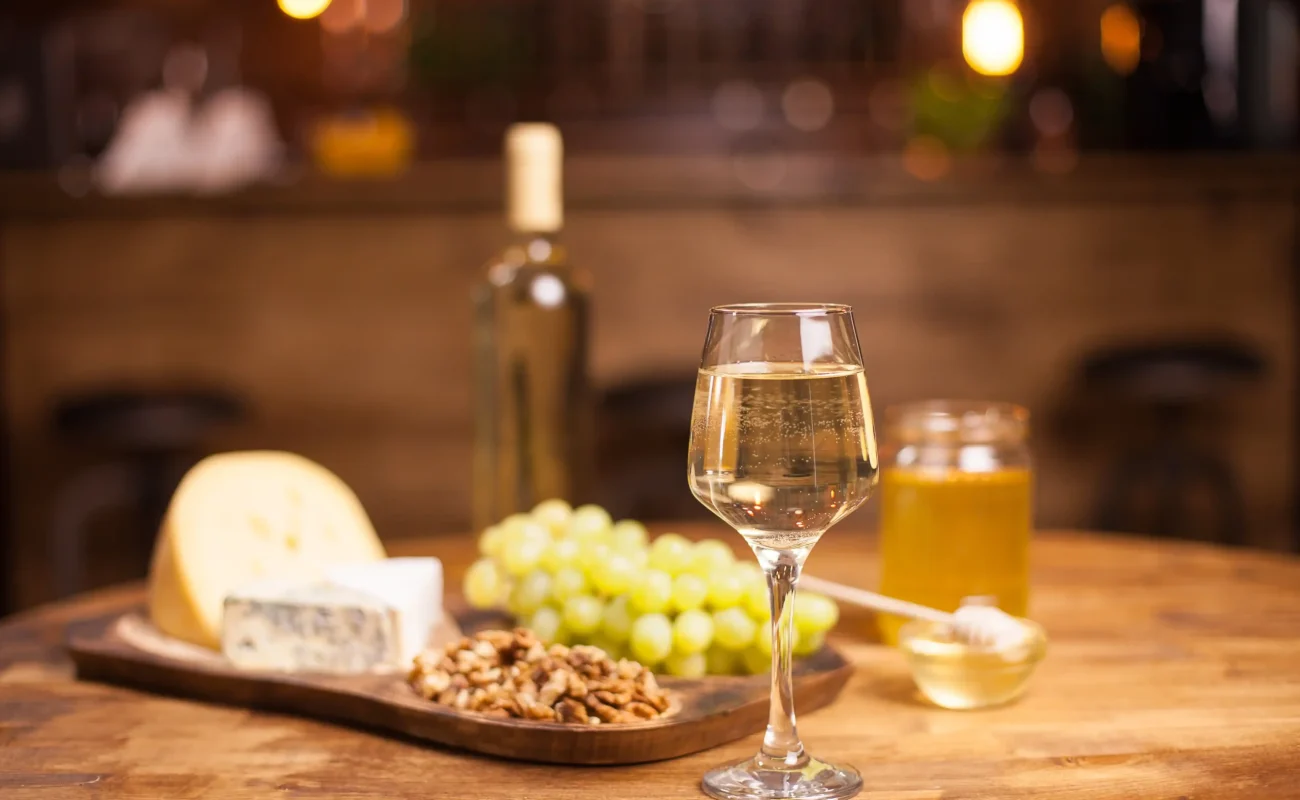
Texture quietly defines white wine bodied styles more than flavour
When people talk about white wine, the conversation often revolves around flavours citrus, apple, tropical fruit, or floral notes. Yet something far more subtle defines the experience.
These bodied styles determine how a wine feels from the first sip to the final finish. They shape whether a wine comes across as refreshing and crisp or rich and enveloping. This is where the real distinction between light-bodied and full-bodied white wine begins, influencing both white wine taste and overall perception.
Understanding White wine bodied styles brings a deeper level of appreciation. It shifts the focus beyond flavour alone and turns tasting into a more complete sensory experience.
White Wine different Bodied Styles
The term “body” describes how a wine feels in the mouth. It is not about colour or sweetness. Instead, it reflects weight, structure, and texture core elements of white wine finish and structure.
A simple way to understand body is by comparing everyday liquids:
- Water feels light and quick
- Milk feels smoother and slightly heavier
- Cream feels thick and rich
White wines follow a similar spectrum. Some feel light and sharp, while others feel dense and layered.
Body also changes how long a wine stays on the palate. Lighter wines disappear quickly, while fuller wines linger and evolve, reinforcing white wine finish and structure.
Light White Wine Bodied Styles
Texture Profile of Light White Wine
Light-bodied white wines feel clean and agile. A classic light-bodied white wine moves quickly across the palate and leaves a sharp, refreshing impression. The finish is usually short and precise.
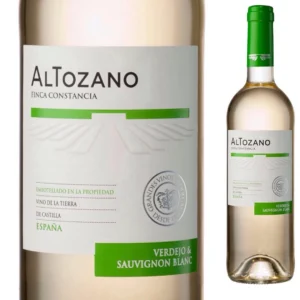
This style often feels vibrant and energetic rather than heavy, much like the profile found in Altozano Verdejo Sauvignon Blanc White Wine.
What Creates a Light Body
Several elements contribute to a lighter texture:
- Higher acidity, which adds sharpness
- Lower alcohol levels, reducing weight
- Minimal influence from oak or aging techniques
Cooler growing conditions and terroir influence on white wine also help grapes retain freshness and brightness.
Signature Sensory Experience
A well-made light-bodied white wine feels refreshing from the first sip. It does not linger heavily, making it feel effortless and easy to revisit, as seen again in Altozano Verdejo Sauvignon Blanc White Wine.
Full White Wine Bodied Styles
Texture Profile of Full White Wine
Full-bodied white wines feel round, smooth, and often creamy. They coat the mouth and create a sense of depth, showcasing a contrasting side of white wine texture.
The finish tends to be longer, allowing flavours and texture to unfold gradually.
What Builds a Fuller Body
A fuller texture develops through several factors:
- Higher alcohol content, which adds weight
- Oak aging, contributing smoothness and structure
- Lees contact, which enhances creaminess
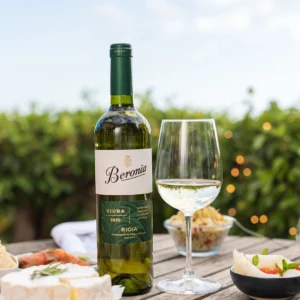
Warmer climates and white wine grape variety selection also influence this richness, often reflected in styles like Beronia Viura White Wine.
Signature Sensory Experience
Full white wines feel slower and more immersive. Each sip builds and expands, creating a layered experience that lingers and enhances white wine taste, a characteristic also found in Beronia Viura White Wine.
White Wine Bodied Styles and the Hidden Shift in Texture
Two white wines can share similar flavours yet feel completely different. This difference comes from texture.
Texture shapes how sweetness is perceived, how acidity is balanced, and how long the wine stays present. It quietly influences the overall impression without being immediately obvious.
For many, this shift is subtle at first. With attention, it becomes the defining factor in understanding white wine styles.
Key Factors Shaping White Wine Bodied Styles
Acidity: The Backbone of Lightness
Acidity gives wine its structure and freshness. Higher acidity creates a sharp, lively sensation that makes wines feel lighter.
Lower acidity softens the experience, contributing to a smoother texture.
Alcohol: The Weight Carrier
Alcohol adds body and warmth. As alcohol levels increase, the wine tends to feel heavier and more rounded.
This is one of the main reasons fuller wines feel more substantial.
Winemaking Techniques
Certain techniques directly influence texture:
- Oak aging adds softness and depth
- Lees contact builds a creamy, almost silky feel
These methods enhance the overall structure without changing the core identity of the wine.
Grape Variety Influence
Different styles emerge from each white wine grape variety, as some naturally produce crisp profiles while others lean toward richness.
This inherent characteristic sets the foundation for body before winemaking even begins, including fortified styles like Tio Pepe Sherry White Wine.
Climate Impact on White Wine
Climate plays a key role in defining texture.
- Cooler regions tend to produce lighter, sharper wines
- Warmer regions often create fuller, richer styles
This variation highlights the terroir influence on white wine, even within the same grape, which is also evident in Tio Pepe Sherry White Wine.
Identifying White Wine Bodied Styles in One Sip
Recognizing body becomes easier with a simple approach:
- First impression: Does it feel sharp or smooth?
- Mid-palate: Does it feel thin or weighty?
- Finish: Does it disappear quickly or linger?
This quick method helps identify texture without overthinking.
White Wine Bodied Styles Across the Spectrum
Light-Bodied Styles
These wines feel crisp and refreshing, often driven by acidity and subtle flavours.
Medium-Bodied Styles
Balanced and versatile, medium-bodied white wines sit between crisp and creamy, offering structure without heaviness.
Full-Bodied Styles
These wines feel rich and structured, often influenced by ripeness and winemaking techniques that enhance texture.
Another group of medium-bodied white wines provides flexibility across different preferences and occasions.
Food Pairing with White Wine
Light Wines with Delicate Dishes
Lighter wines complement subtle textures without overwhelming them. They maintain balance and freshness.
Full Wines with Rich Foods
Fuller wines match heavier textures, creating a more cohesive experience.
Texture Harmony vs Contrast
Pairing can focus on matching weight or creating contrast. Both approaches depend on how texture interacts on the palate.
Common Misconceptions About White Wine Bodied Styles
- Light does not mean simple or less interesting
- Full does not always mean better or more complex
- Colour does not indicate body
- Sweetness and body are not the same
Understanding these distinctions helps avoid confusion.
Choosing Between White Wine Bodied Styles
Texture preference often depends on context.
- Light-bodied styles suit warm settings and casual moments
- Full-bodied styles fit slower, more immersive experiences
Mood, environment, and personal taste all influence the choice.
How Preferences for White Wine Bodied Styles Evolve
Preferences often shift with experience.
Many begin with lighter styles because they feel more approachable. Over time, fuller textures become more appealing as the palate develops.
This progression reflects growing awareness of texture and structure.
Conclusion
Texture is the hidden layer that defines white wine. It shapes how a wine feels, how it evolves, and how it is remembered.
By focusing on texture, the difference between light and full-bodied white wine becomes clearer and more meaningful.
As wine preferences continue to shift toward nuance and texture, businesses have an opportunity to stay ahead with more informed selections. Aligning with the right expertise can help translate this knowledge into real-world impact. Solis Group works closely with partners to bring structure and clarity to wine selection strategies. Connect with us to explore how your portfolio can evolve with insight-led decisions.
A mindful approach to texture transforms every sip into a more complete experience.
FAQs
What defines white wine bodied styles?
White wine bodied styles are defined by texture, weight, and mouthfeel rather than flavour alone. They reflect how the wine feels across the palate from light and sharp to rich and layered.
Does acidity affect wine body?
Yes, higher acidity creates a lighter, sharper sensation that feels crisp and refreshing.
Lower acidity softens the structure, making the wine feel smoother and fuller.
Why do some white wines feel creamy?
Creaminess comes from winemaking techniques like lees contact and oak aging. These processes add texture, making the wine feel round and more structured.
Can two wines have the same taste but different body?
Yes, similar flavour profiles can feel completely different due to texture. Body changes how flavours are perceived and how long they last.
What role does grape variety play in body?
Each grape variety has a natural tendency toward lighter or fuller textures. This baseline structure influences body before any winemaking decisions.
How does climate influence wine body?
Cool climates preserve acidity, leading to lighter-bodied styles. Warm climates increase ripeness, creating richer and fuller textures.
Are medium-bodied white wines important?
Medium-bodied white wines bridge the gap between crisp and rich styles. They offer balance, making them adaptable across different preferences.
Why does texture matter more than flavour over time?
Flavour fades quickly, but texture lingers and shapes memory. It defines the overall experience and influences long-term preference.
-
 Prestige Cuvée Champagne Showcases Winemaking Vision
 -
Pinot Grigio and Sauvignon Blanc Meets Flavour Intensity
-
Understanding Pink Gin Texture with Different Temperatures
-
International Vodka Day Works Beyond Party Stereotypes
-
French Vermouth Styles Hides Herbs in Silky Wine Base
-
Oak Aged Red Wine delivers smoky warm finish
-
Rich Layered Taste Profile Dominates Blanc de Noirs
-
Vodka Taste Differ Even When Recipes Match
-
Craft Beer and Regular Beer gap Starts with Brewing Intent
-
Rare Cellars Hide Grande Champagne Cognac Stories


-
Christmas Cocktails You Can Make at Home
-
Sound Of Christmas Wine And Cheese?
-
A Fresh Take on New Year’s Resolutions
-
The Art of Smelling Wine Like a True Connoisseur
-
Looking for the Best Wine? Here's Where to Find It!
-
Read This Before You Buy Your Dad a Whisky.
-
Whiskey on the Rocks — Cool Choice or Flavor Mistake?
-
The Art of Pairing Wine with Indian Food
-
The Ingredients & Botanicals That Define Gin
-
Seven Days of Love — Wine for Valentine’s Week



-
Pinot Grigio and Sauvignon Blanc Meets Flavour Intensity
-
Understanding Pink Gin Texture with Different Temperatures
-
International Vodka Day Works Beyond Party Stereotypes
-
French Vermouth Styles Hides Herbs in Silky Wine Base
-
Oak Aged Red Wine delivers smoky warm finish
-
Vodka Taste Differ Even When Recipes Match
-
Light and Full-Bodied Sparkling Wines Bring Two Taste Layers
-
Maceration Time impacts Flavour in Pink Gin Styles
-
Rare Vintage Port Wine Peak Expression of Douro Vineyards
-
Vodka and Wine showed Two Worlds of Aroma