
Single Cask Whisky Feels Bolder Than Blends from First Whiff
Aroma plays a defining role in how whisky is experienced. Before any tasting happens, the nose detects layers of character that shape expectations and perception. Some whiskies feel immediately expressive and bold, while others appear softer and more integrated.
This difference is especially noticeable when comparing single cask whisky with blended whisky. Single cask expressions often deliver a sharper, more pronounced aromatic profile, while blends tend to feel smoother and more balanced. The reason behind this contrast lies in craftsmanship, chemistry, and sensory perception not just strength.
What Is a Single Cask Whisky?
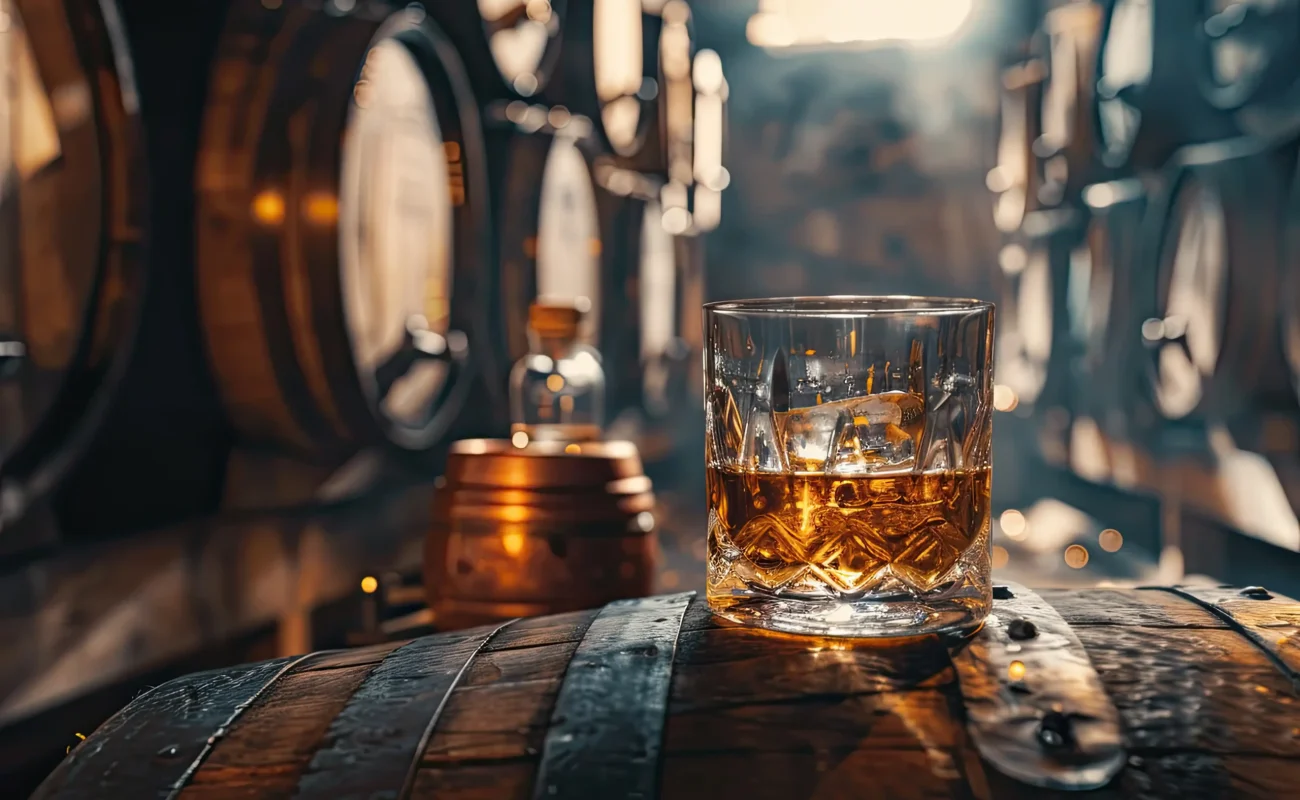
Single cask whisky is drawn from one individual barrel without being mixed with whisky from other casks. Each barrel develops under its own conditions, influenced by factors like wood composition, storage position, and environmental exposure.
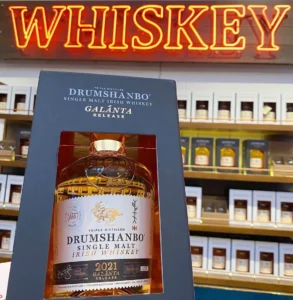
Because no blending occurs, the whisky reflects the full personality of that specific cask. This results in a more distinctive and sometimes intense aromatic profile. Every bottle from a single cask carries subtle variations, making each one a unique sensory snapshot. A good example of this individuality can be observed in expressions like Drumshanbo Galanta Single Malt Irish Whiskey, where the character reflects a focused, singular maturation journey.
What Defines a Blended Whisky?
Blended whisky combines liquid from multiple casks, and sometimes from different distilleries. The goal is to create a consistent and harmonious profile.
Blending involves careful selection and balancing of different aroma components. Strong notes from one cask can be softened by lighter notes from another. This process creates a whisky that feels smooth and approachable, with aromas that are well integrated rather than sharply defined. This balance is often appreciated in styles similar to Fercullen Falls Small Batch Blended Irish Whiskey, where multiple influences come together in harmony.
What Makes Whisky Aroma Feel Intense?
Aroma intensity does not refer to harshness. Instead, it reflects how strongly certain scent compounds are perceived by the nose.
Several factors contribute to this perception:
- Concentration of aromatic compounds
- Clarity of individual notes
- Contrast between different scent layers
- How distinct or blended the aromas feel
A whisky can feel intense because its aromas stand out clearly, not because they are overpowering. These nuances form the foundation of understanding whisky aroma differences.
The Science Behind Aroma Intensity
Volatile Compounds and Their Role
Whisky aroma comes from volatile compounds that evaporate and reach the nose. These include:
- Esters, which create fruity notes
- Phenols, which contribute smoky or earthy tones
- Aldehydes, which add freshness or sharpness
In a single cask, these compounds remain concentrated within one environment. In blends, they are distributed across multiple sources, which reduces sharp peaks.
How the Cask Influences Aroma
Wood and Flavour Extraction
The oak cask plays a central role in shaping aroma. Over time, the whisky absorbs compounds from the wood, such as:
- Vanillin for sweet, vanilla-like notes
- Lactones for creamy or coconut tones
- Tannins for structure and dryness
These elements are key to understanding oak aging whisky flavours.
Microclimate Matters
Each cask matures under slightly different conditions. Temperature shifts, humidity, and warehouse position all affect how the whisky develops.
In a single cask, these conditions can amplify certain aroma characteristics. In blends, these variations are balanced out.

Why Single Cask Whisky Aromas Feel More Intense
Single cask whisky often feels more intense because nothing moderates its natural profile. The aroma compounds remain concentrated and clearly defined.
Key reasons include:
- No dilution of strong notes through blending
- One dominant flavour direction instead of multiple competing ones
- Greater contrast between aroma layers
This creates a profile where individual notes stand out more vividly, shaping a bold whisky flavour profile. Expressions such as Drumshanbo Galanta Single Malt Irish Whiskey highlight how a single source can deliver a focused and expressive aromatic experience.
The Blending Effect is Balance Over Sharpness
Blending is designed to create harmony. When multiple casks are combined, strong or sharp notes are softened by others.
This results in:
- A smoother aromatic experience
- Less abrupt transitions between notes
- Greater consistency across batches
While blends may feel less intense, they often provide a more rounded and cohesive profile, similar to what is experienced in Fercullen Falls Small Batch Blended Irish Whiskey.
How the Nose Interprets Aroma
Contrast and Clarity
The human nose detects contrast more easily than subtle integration. When a whisky presents distinct aroma layers, it feels more expressive.
Single cask whisky often delivers:
- Clear separation between notes
- Noticeable shifts in aroma over time
Blended whisky typically offers:
- Unified aroma structure
- Smooth transitions between scents
Psychological Influence
Perception is also shaped by expectation. Knowing that a whisky comes from a single cask can heighten awareness of its uniqueness, making aromas feel more pronounced.
The Role of Aging in Aroma Development
As whisky matures, evaporation gradually concentrates its compounds. This process enhances aroma intensity over time.
In single casks:
- Aging can create bold, uneven, but expressive profiles
In blends:
- Different maturation stages are combined to achieve balance
These changes reflect broader whisky maturation effects that influence aroma depth.
Texture and Its Link to Aroma
Texture influences how aroma is perceived. A richer, fuller texture can carry aromatic compounds more effectively.
Single cask whisky often feels:
- Fuller in body
- More textured
This can enhance the perception of intensity, even before focusing on specific notes.
Variability vs Consistency
Single cask whisky is defined by variation. Each cask tells its own story, which can result in standout aromatic profiles.
Blended whisky focuses on consistency. The aim is to deliver a familiar experience every time, which naturally reduces extremes in aroma.
Choosing Between Single Cask and Blended Whisky
The choice depends on preference:
Single cask whisky suits those who enjoy:
- Distinct and bold aroma profiles
- Exploration of unique characteristics
- Noticeable variation often associated with single barrel whisky
Blended whisky suits those who prefer:
- Smooth and balanced aromas
- Consistency across experiences
- Integrated flavour profiles
Conclusion
Single cask whisky often feels more intense because it preserves the full expression of one barrel. Its aromas are concentrated, distinct, and sometimes surprising.
Blended whisky, on the other hand, focuses on harmony. By combining multiple casks, it creates a smoother and more unified aromatic experience.
As the market evolves, deeper product knowledge becomes a competitive edge.
Solis Group supports businesses looking to build distinctive and well-informed offerings.
Connecting over shared goals can be the first step forward.
Neither approach is better. They simply offer different ways to experience aroma, shaped by craft, chemistry, and perception. The discussion ultimately returns to single cask vs blended whisky, where intensity and balance define two equally valuable styles.
FAQs
Why does single cask whisky smell stronger?
Single cask whisky retains concentrated aroma compounds from one barrel, making notes more distinct. There is no blending to dilute or soften dominant aromatic elements.
Does blending reduce whisky aroma intensity?
Blending balances multiple casks, which smooths out sharp or dominant notes. This creates a unified aroma but reduces the perception of intensity.
What causes aroma concentration in whisky?
Aroma concentration develops through evaporation and compound buildup during maturation. In single casks, this process remains unaltered, leading to more pronounced scents.
How does oak influence whisky aroma?
Oak releases compounds like vanillin and lactones that shape sweetness and depth. The longer the interaction, the richer and more layered the aroma becomes.
Why do single casks have more distinct aroma layers?
Single casks preserve individual compound separation without blending interference.
This allows the nose to detect clearer transitions between aroma notes.
How does maturation affect whisky aroma?
Maturation enhances aroma through chemical reactions and gradual concentration. Different aging conditions create unique aromatic outcomes in each case.
Why do blended whiskies smell smoother?
Blended whiskies combine multiple profiles to reduce extremes and sharpness. This results in a more cohesive and rounded aromatic experience.
How can you better detect whisky aroma differences?
Use a narrow glass and allow time for the whisky to open up. Focused nosing helps identify clarity, separation, and intensity of notes.
-
 Understanding Pink Gin Texture with Different Temperatures
 -
International Vodka Day Works Beyond Party Stereotypes
-
French Vermouth Styles Hides Herbs in Silky Wine Base
-
Oak Aged Red Wine delivers smoky warm finish
-
Rich Layered Taste Profile Dominates Blanc de Noirs
-
Vodka Taste Differ Even When Recipes Match
-
Craft Beer and Regular Beer gap Starts with Brewing Intent
-
Rare Cellars Hide Grande Champagne Cognac Stories
-
Light and Full-Bodied Sparkling Wines Bring Two Taste Layers
-
Maceration Time impacts Flavour in Pink Gin Styles


-
Christmas Cocktails You Can Make at Home
-
Sound Of Christmas Wine And Cheese?
-
A Fresh Take on New Year’s Resolutions
-
The Art of Smelling Wine Like a True Connoisseur
-
Looking for the Best Wine? Here's Where to Find It!
-
Whiskey on the Rocks — Cool Choice or Flavor Mistake?
-
Read This Before You Buy Your Dad a Whisky.
-
The Art of Pairing Wine with Indian Food
-
The Ingredients & Botanicals That Define Gin
-
Seven Days of Love — Wine for Valentine’s Week







-
Understanding Pink Gin Texture with Different Temperatures
-
International Vodka Day Works Beyond Party Stereotypes
-
French Vermouth Styles Hides Herbs in Silky Wine Base
-
Oak Aged Red Wine delivers smoky warm finish
-
Vodka Taste Differ Even When Recipes Match
-
Light and Full-Bodied Sparkling Wines Bring Two Taste Layers
-
Maceration Time impacts Flavour in Pink Gin Styles
-
Rare Vintage Port Wine Peak Expression of Douro Vineyards
-
Vodka and Wine showed Two Worlds of Aroma
-
Whiskey Colour Spectrum from Pale Gold to Ebony Depths