
Vibrant Notes of Spanish Rose Wine Outperform Other Wine
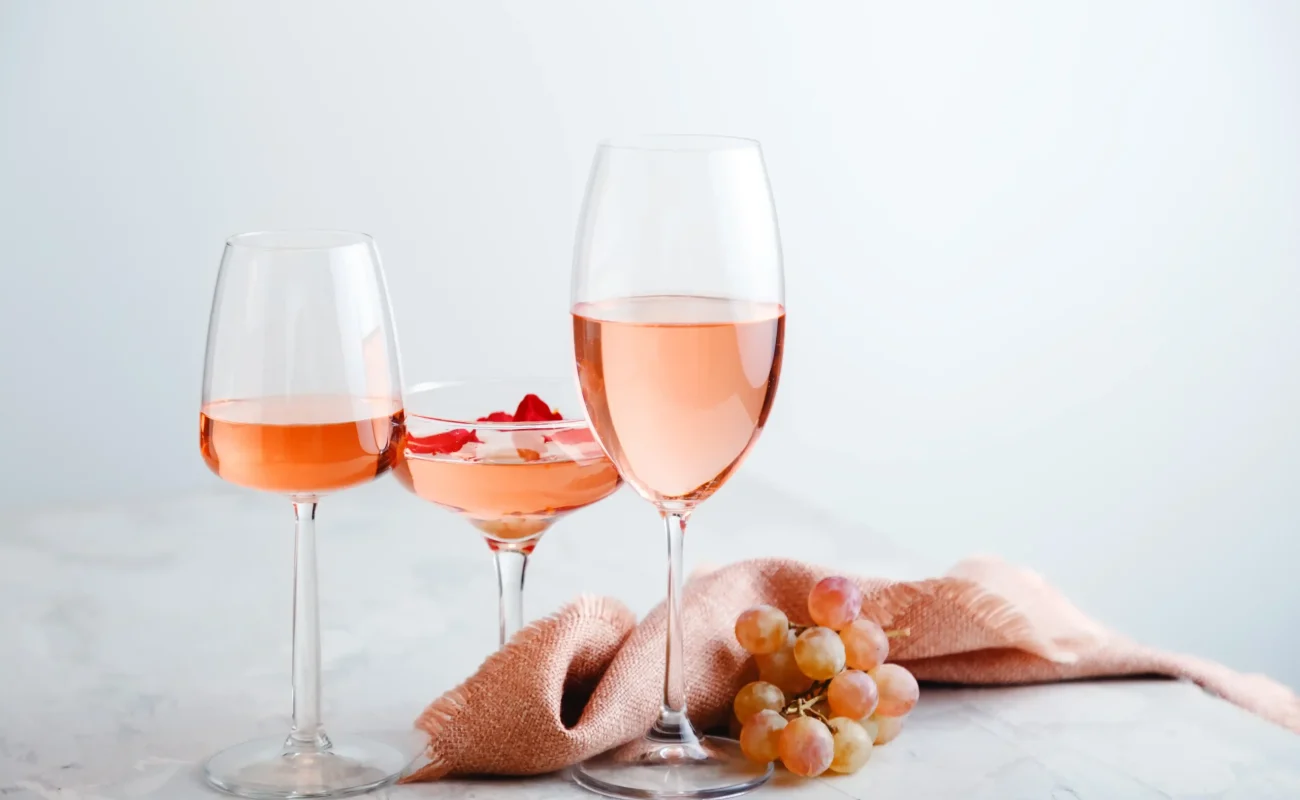
Spanish rose wine is steadily building a strong presence in global wine conversations. Known for their fresh character and expressive notes, these wines offer a vibrant experience that feels both modern and approachable.
As often explored in a Spanish wine guide, rose styles from Spain highlight both tradition and evolving taste preferences. Unlike heavier wine styles, Spanish rose focuses on clarity and liveliness. The result is a wine style that feels refreshing yet flavourful, making it appealing across different preferences.
What Makes Spanish Rose Wine So Vibrant?
The vibrancy of Spanish rose wine comes from its bright fruit notes, crisp texture, and smooth finish. These wines often highlight rose wine Flavours like strawberry, raspberry, and citrus, combined with a subtle floral touch.
The balance between freshness and flavour defines the overall Rose wine taste. Spain’s warm climate plays an important role. It allows grapes to develop ripe fruit notes while maintaining enough freshness to keep the wine lively.
Spanish Rose Wine Regions Known for Excellence
Navarra: A Rose Specialist
Navarra is one of Spain’s most recognized regions for rose wines. It produces fresh, fruit-forward styles that are widely appreciated for their consistency.
Rioja: Elegant Rose Expressions
While Rioja is known for red wines, it also produces refined rose wines. Many enthusiasts explore these through a Rioja rose wine guide to understand their balance and elegance.
Catalonia: Modern and Expressive Styles
Catalonia offers a range of rose wines that feel modern and vibrant. These wines often highlight fruit and freshness in a very approachable way across diverse Spanish wine regions, including sparkling rose styles such as Vilarnau Cava Rose Brut.

Why Spanish Rose Wine Stands Out Among Other Styles
Light Yet Flavourful
They deliver noticeable flavour without heaviness. This balance makes them suitable for a wide range of preferences.
Naturally Refreshing Character
The crisp finish and bright notes enhance the overall rose wine aroma and texture, creating a clean and refined experience.
Versatility Across Occasions
They adapt well to different settings. They feel equally suitable for casual moments and more refined gatherings.
Easy to Approach
The clear and expressive profile makes Spanish rose wines accessible, even for those new to wine.
Spanish Rose Grape Varieties That Define Character
Garnacha: The Foundation of Spanish Rose
Garnacha is widely used in Spanish rose wines. It brings bright berry Flavours and a soft, smooth texture. The expressive Garnacha wine profile helps create rose wines that are both vibrant and approachable, as seen in styles like Altozano Tempranillo Syrah Rose Wine.
Tempranillo: Structure with Freshness
Tempranillo is not limited to red wines. In rose form, it offers gentle fruit notes with a hint of structure. This creates a balanced profile often described through its lighter Tempranillo wine taste.
Bobal: Fresh and Distinct
Bobal is another grape used in Spanish rose wines. It adds freshness along with subtle complexity, giving the wine a unique personality.
Spanish Rose Wine vs Other Popular Wine Styles
Compared to French Rose
When looking at Spanish wine vs French wine, French rose wines are often subtle and delicate. Spanish rose wines tend to show more fruit expression and a slightly fuller feel.
Compared to Italian Rose
In comparisons like Spanish wine vs Italian wine, Italian rose wines can be more acidic and sharper. Spanish rose wines usually offer a smoother and more balanced profile.
Compared to Other Rose Styles
Many rose wines focus either on lightness or flavour. Spanish rose manages to combine both, creating a more complete experience.
The Sensory Experience of Spanish Rose Wine
They offer an immediate sense of freshness. The first impression is bright and inviting. As the wine develops, fruit and floral notes become more noticeable.
The evolving rose wine aroma and texture enhances the overall experience, while the presence of refined rose wine flavours keeps it engaging from start to finish.
When Spanish Rose Wines Fit Best
They work well across different moments. Their light and fresh nature makes them easy to pair with a variety of meals.
Serving them slightly chilled helps bring out their natural vibrancy and enhances both the Tempranillo wine taste and the expressive Garnacha wine profile, as reflected in selections like Altozano Tempranillo Syrah Rose Wine.
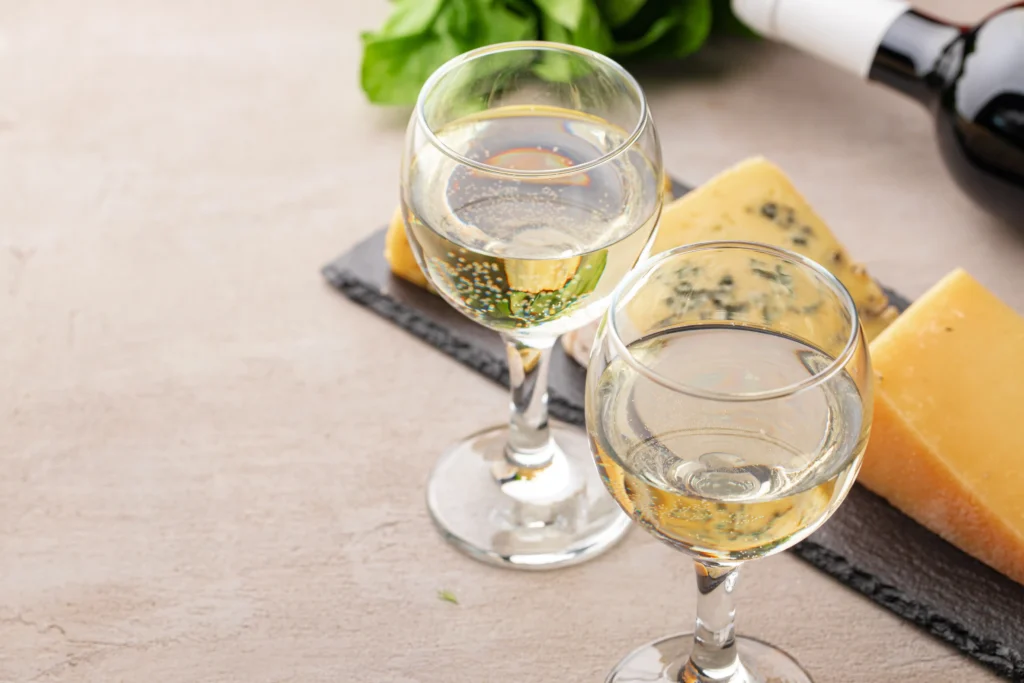
Spanish white wines are known for their freshness, clarity, and expressive character, offering a style that feels both vibrant and refined. Often featuring notes of citrus, green apple, and subtle floral hints, these wines maintain a crisp structure while delivering smooth texture and balance.
Regions across Spain produce diverse white wine styles, from light and mineral-driven to slightly richer and more rounded profiles, making them adaptable to different preferences and occasions.
Common Misconceptions About Spanish Rose Wine
Too Simple
They are often seen as basic. In reality, they offer a balanced and well-crafted experience.
Limited to Warm Weather
While often associated with summer, it can be enjoyed across different seasons due to their versatility.
Less Character Than Red Wines
They provide a different kind of depth. Their appeal lies in freshness and clarity rather than intensity, as explained in many updated Spanish wine guide resources.
Rising Popularity of Spanish Rose Wine
Spanish rose wines are gaining attention among modern wine drinkers. Their approachable style and vibrant profile make them a strong choice for those seeking something fresh and expressive.
This rise is also influenced by global comparisons such as Spanish wine vs French wine and Spanish wine vs Italian wine, where Spanish rose continues to stand out, including sparkling expressions like Vilarnau Cava Rose Brut.
Conclusion
Spanish rose wines stand out for their vibrant notes, refreshing balance, and wide appeal. They offer a style that feels both modern and rooted in tradition.
Spanish wine is gaining attention for its versatility and clear flavour identity across styles.
Solis Group collaborates with businesses to support long-term growth through thoughtful sourcing. For businesses looking to align with this evolving demand, the right sourcing approach can make a meaningful difference.
From evolving styles within Spanish wine regions to refined expressions sometimes discussed alongside Ribera del Duero wines, these wines continue to shape modern preferences.
FAQs
What makes Spanish rose wine vibrant?
Spanish rose stands out for its balance of ripe fruit and crisp freshness. This combination creates a lively profile that feels expressive without being heavy.
How is Spanish rose different from other rose wines?
Spanish rose typically shows stronger fruit expression with a smoother finish. It avoids excessive sharpness while maintaining clarity and freshness.
Which grapes are used in Spanish rose wine?
Garnacha, Tempranillo, and Bobal are commonly used. Each adds a distinct layer, from bright fruit to subtle structure and freshness.
What flavours define Spanish rose wine?
Expect notes of strawberry, raspberry, and citrus with light floral hints. These flavours remain clean and well-balanced throughout the experience.
Is Spanish rose wine light or full-bodied?
Spanish rose is generally light to medium-bodied. It delivers noticeable flavour while keeping a smooth and refreshing texture.
Which regions produce the best Spanish rose wines?
Navarra, Rioja, and Catalonia are key regions. Each offers a different expression, from fruit-forward styles to more refined profiles.
How does Spanish rose compare to French rose?
French rose leans more delicate and subtle. Spanish rose tends to be more expressive with slightly fuller fruit presence.
What defines the texture of Spanish rose wine?
The texture is smooth with a crisp finish. It avoids heaviness while maintaining enough structure to feel complete.
-
 French Vermouth Styles Hides Herbs in Silky Wine Base
 -
Oak Aged Red Wine delivers smoky warm finish
-
Rich Layered Taste Profile Dominates Blanc de Noirs
-
Vodka Taste Differ Even When Recipes Match
-
Craft Beer and Regular Beer gap Starts with Brewing Intent
-
Rare Cellars Hide Grande Champagne Cognac Stories
-
Light and Full-Bodied Sparkling Wines Bring Two Taste Layers
-
Maceration Time impacts Flavour in Pink Gin Styles
-
Rare Vintage Port Wine Peak Expression of Douro Vineyards
-
Vodka and Wine showed Two Worlds of Aroma




-
Christmas Cocktails You Can Make at Home
-
Sound Of Christmas Wine And Cheese?
-
A Fresh Take on New Year’s Resolutions
-
The Art of Smelling Wine Like a True Connoisseur
-
Looking for the Best Wine? Here's Where to Find It!
-
Read This Before You Buy Your Dad a Whisky.
-
Whiskey on the Rocks — Cool Choice or Flavor Mistake?
-
The Art of Pairing Wine with Indian Food
-
The Ingredients & Botanicals That Define Gin
-
Seven Days of Love — Wine for Valentine’s Week








-
French Vermouth Styles Hides Herbs in Silky Wine Base
-
Oak Aged Red Wine delivers smoky warm finish
-
Vodka Taste Differ Even When Recipes Match
-
Light and Full-Bodied Sparkling Wines Bring Two Taste Layers
-
Maceration Time impacts Flavour in Pink Gin Styles
-
Rare Vintage Port Wine Peak Expression of Douro Vineyards
-
Vodka and Wine showed Two Worlds of Aroma
-
Whiskey Colour Spectrum from Pale Gold to Ebony Depths
-
Gewurztraminer White Wine Reveals Floral Spice Magic
-
Pinot Noir and Merlot aroma notes mapped to clear flavours