
Master Spirit Pairing on International Sommelier Day
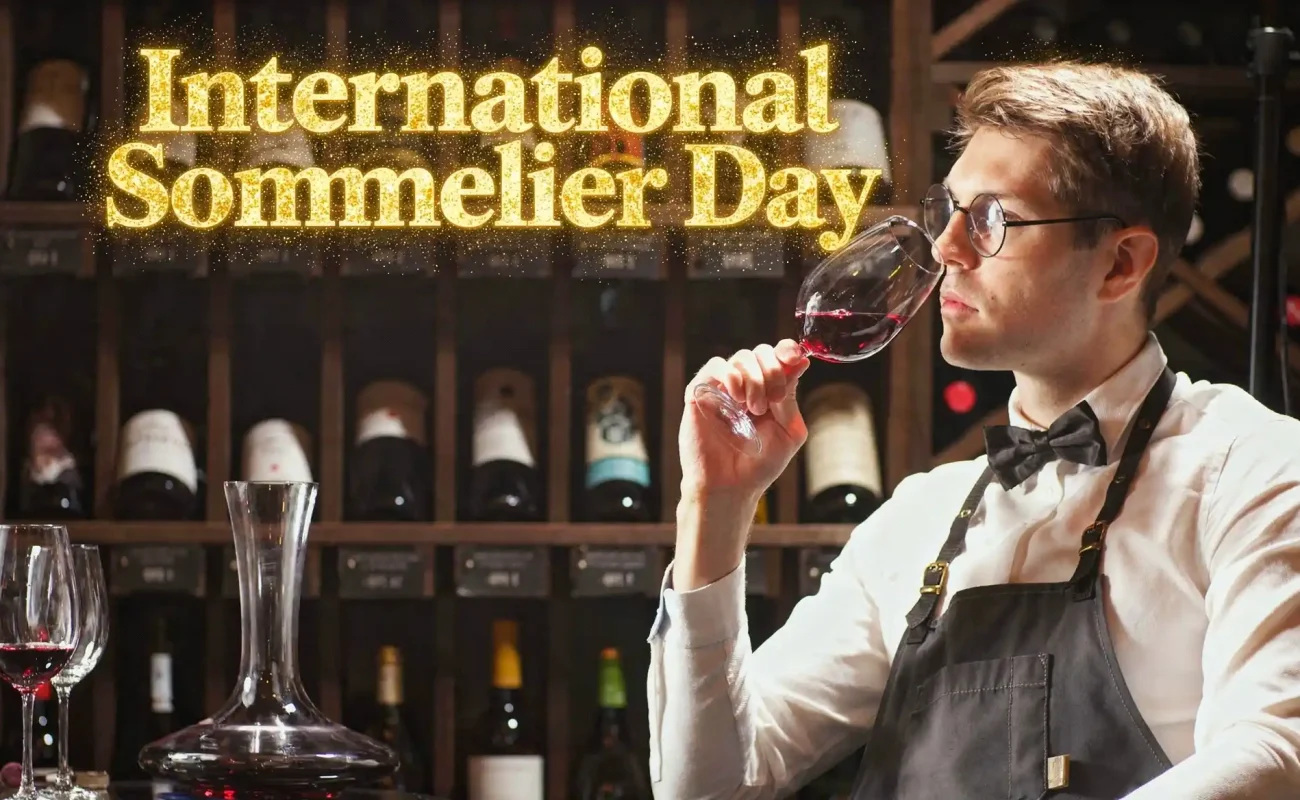
International Sommelier Day is often seen as a celebration of refined taste. In reality, it represents something much deeper. It highlights the skill of understanding Flavours, textures, and how different elements interact on the palate.
For spirit lovers, this day is not only about appreciation. It is about learning how to experience spirits with awareness. A well-trained palate can detect subtle notes, balance intensity, and recognize how pairings can change the entire tasting experience.
This is where food and spirits pairing becomes important. When done right, it transforms a simple sip into a layered sensory experience.
How International Sommelier Day reflects evolving expertise
Traditionally, sommeliers were linked with wine. Today, their expertise extends far beyond that. Modern sommeliers explore spirits, cocktails, and complete tasting experiences.
Their role includes:
- Understanding aroma profiles in depth
- Recognizing balance and structure
- Connecting Flavours with context, such as food or environment
This clearly defines the role of a sommelier in spirits, where knowledge goes beyond serving and moves into deep sensory understanding.
Spirits require even more precision. Their higher intensity means small changes in pairing can create a noticeable impact. This makes knowledge and attention to detail essential.
International Sommelier Day secrets
What really shapes Flavour in every spirit
Every spirit contains a mix of key elements:
- Sweetness
- Bitterness
- Acidity
- Alcohol warmth
Along with these, texture plays a major role. Some spirits feel smooth and round, while others feel sharp or dry. Aromas add another layer, bringing notes like spice, fruit, herbs, or smoke.
A structured tasting notes guide helps in identifying these layers clearly and consistently.
Why your nose controls most of what you taste
A large part of what people call taste comes from aroma. The nose detects complex compounds, which the brain translates into flavour.
Understanding aroma vs taste in spirits allows a deeper connection with each sip and improves evaluation accuracy.
The two pairing styles that change everything
There are two main pairing approaches:
- Balance pairing: Similar Flavours enhance each other
- Contrast pairing: Opposite elements create excitement
Both approaches are valid. The key is knowing when to use each one.
International Sommelier Day Flavour breakdown guide
Whiskey often carries notes of wood, spice, and caramel. Its structure pairs well with bold, rich Flavours that can match its depth. For example, expressions like Drumshanbo Galanta Single Malt Irish Whiskey highlight how layered profiles can interact with equally complex textures.
Gin and its bright botanical personality
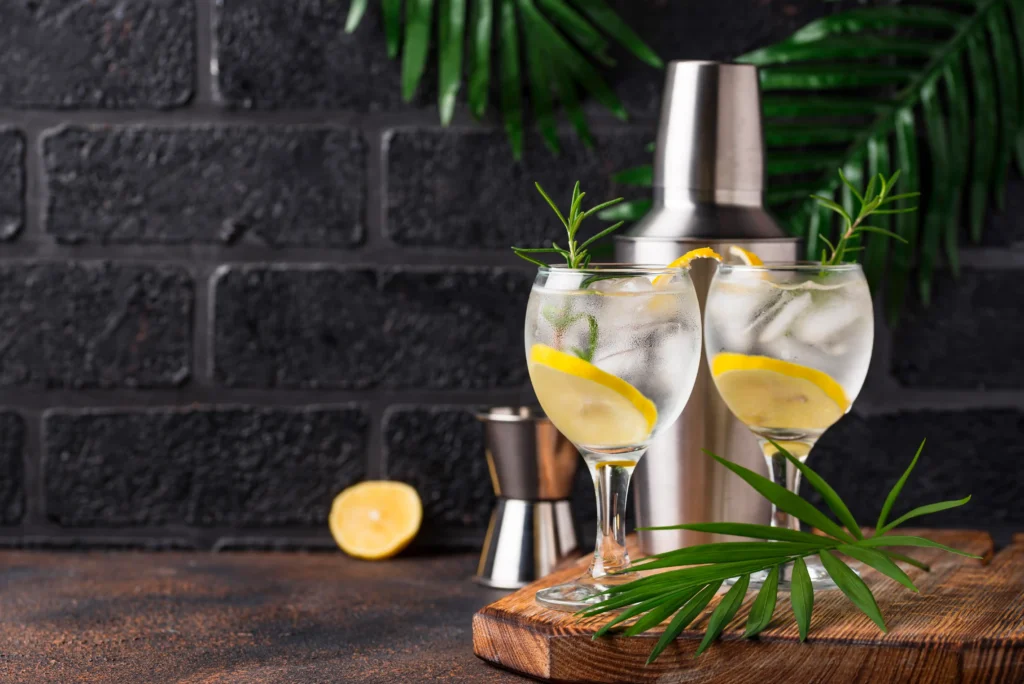
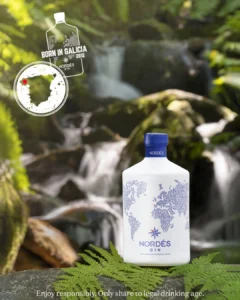
Gin stands out for its botanical character. Herbal and citrus notes make it suitable for lighter, more delicate Flavour profiles. A spirit such as Nordés Gin reflects how subtle aromatics can guide thoughtful pairing choices.
Rum and its wide Flavour spectrum
Rum varies widely. Some styles highlight sweetness, while others show deeper, darker notes. This range allows flexible pairing choices.
Tequila and mezcal with earthy, bold character
These spirits often bring earthy and vegetal tones. Some expressions include a smoky edge, adding complexity to pairing decisions.
Vodka and its subtle yet important structure
Vodka is often seen as neutral, yet its texture matters. It can support and highlight other Flavours without dominating them, as seen in refined examples like Chopin Family Reserve Vodka.
International Sommelier Day bold pairing secrets to explore
Bold pairing is where true exploration begins. It goes beyond safe combinations and introduces unexpected harmony.
Key ideas include:
- Smoke with sweetness to create contrast and depth
- Spice with intensity to build layered warmth
- Bitterness with strong spirits for complex profiles
- Rich textures with sharp spirits to balance heaviness
These approaches reflect advanced sommelier skills and techniques used to build memorable tasting experiences.
Avoid these pairing mistakes that ruin the entire experience
Even experienced enthusiasts can overlook basic errors:
- Pairing delicate Flavours with overpowering spirits
- Ignoring alcohol intensity in relation to food weight
- Relying only on familiar combinations
- Serving spirits at the wrong temperature
Each of these can reduce the overall experience. Awareness helps in making better choices.
Train your palate smarter this International Sommelier Day like a pro
Follow a simple tasting structure that builds clarity
A consistent method improves clarity:
- Observe appearance
- Notice aroma
- Take a small sip
- Focus on mid-palate Flavours
- Pay attention to the finish
These steps align closely with expert tasting methods used in professional evaluation.
Build strong Flavour memory step by step
Comparing similar spirits helps identify differences. Over time, the brain starts recognizing patterns and details.
Practice pairing with purpose, not guesswork
Start with simple combinations. Then explore more complex contrasts. Keep track of what works and what does not.

Create meaningful spirit experiences that stand out
A strong pairing is not only about Flavour. It also involves progression and context.
- Arrange tasting from lighter to stronger profiles
- Consider mood and setting while choosing combinations
- Adjust pairings based on season or climate
- Explore how culture influences Flavour perception
This approach turns tasting into a thoughtful experience rather than a routine activity.
International Sommelier Day mindset curiosity matters more than perfection
There is no single correct way to pair spirits. Personal preference plays a major role. What works for one palate may feel different to another.
International Sommelier Day promotes curiosity. It encourages people to question, explore, and refine their understanding of Flavour.
Learning happens through observation and experimentation, not rigid rules.
Advanced insights every serious spirit lover should know
As understanding grows, more subtle details become important:
- The length of the finish and how it interacts with food
- The effect of dilution on aroma and taste
- Layering Flavours across multiple sips
- Recognizing how a spirit evolves over time
Paying attention to finish length in spirits helps in understanding how Flavours linger and interact over time.
Why International Sommelier Day is about exploration, not rules
International Sommelier Day highlights that there is no fixed formula for perfect pairing. While professional frameworks provide guidance, personal palate plays an equally important role in shaping the experience.
The process encourages curiosity, where trying new combinations leads to deeper understanding over time. Even mismatches are valuable, as they refine judgment and build confidence, turning every tasting into a learning opportunity rather than a rigid exercise.
Conclusion
International Sommelier Day is an opportunity to move beyond surface-level tasting. It invites spirit lovers to engage more deeply with what they experience.
By applying refined sommelier skills and techniques and revisiting food and spirits pairing, every sip becomes more meaningful.
As the wine and spirits landscape evolves, thoughtful sourcing becomes a key differentiator.
Collaborating with an experienced importer like Solis Group can help businesses navigate this space with greater clarity. The right partnerships often shape stronger, more sustainable growth over time.
Over time, this approach builds confidence, awareness, and a stronger connection to the craft behind spirits.
FAQs
What makes spirit pairing different from basic tasting?
Spirit pairing focuses on interaction between Flavors, not just identifying them. It studies how texture, intensity, and finish change when combined.
How do sommeliers evaluate spirits quickly?
They use a structured method: aroma, palate, balance, and finish. This allows fast recognition of depth, flaws, and pairing potential.
Why is aroma more important than taste in spirits?
Aroma carries most flavour signals through the olfactory system. Taste alone detects basics, while aroma reveals complexity and layers.
What is the role of finish in spirit pairing?
Finish shows how long and how well Flavors stay after swallowing. A longer finish can enhance or clash with lingering food Flavors.
How do you balance strong spirits with food?
Match intensity levels so neither element overpowers the other. Use fat, sweetness, or acidity to soften alcohol impact.
What are the two main pairing strategies?
Balance pairing matches similar Flavors for harmony. Contrast pairing uses opposites to create dynamic taste experiences.
How can beginners improve their tasting accuracy?
Focus on identifying single notes before combining Flavors. Repeated comparison builds memory and sharpens recognition.
What is the biggest mistake in spirit pairing?
Ignoring alcohol strength when matching with food. This can overpower subtle Flavors and disrupt balance instantly.
-
 Prestige Cuvée Champagne Showcases Winemaking Vision
 -
Pinot Grigio and Sauvignon Blanc Meets Flavour Intensity
-
Understanding Pink Gin Texture with Different Temperatures
-
International Vodka Day Works Beyond Party Stereotypes
-
French Vermouth Styles Hides Herbs in Silky Wine Base
-
Oak Aged Red Wine delivers smoky warm finish
-
Rich Layered Taste Profile Dominates Blanc de Noirs
-
Vodka Taste Differ Even When Recipes Match
-
Craft Beer and Regular Beer gap Starts with Brewing Intent
-
Rare Cellars Hide Grande Champagne Cognac Stories



-
Christmas Cocktails You Can Make at Home
-
Sound Of Christmas Wine And Cheese?
-
A Fresh Take on New Year’s Resolutions
-
The Art of Smelling Wine Like a True Connoisseur
-
Looking for the Best Wine? Here's Where to Find It!
-
Read This Before You Buy Your Dad a Whisky.
-
Whiskey on the Rocks — Cool Choice or Flavor Mistake?
-
The Art of Pairing Wine with Indian Food
-
The Ingredients & Botanicals That Define Gin
-
Seven Days of Love — Wine for Valentine’s Week




-
Pinot Grigio and Sauvignon Blanc Meets Flavour Intensity
-
Understanding Pink Gin Texture with Different Temperatures
-
International Vodka Day Works Beyond Party Stereotypes
-
French Vermouth Styles Hides Herbs in Silky Wine Base
-
Oak Aged Red Wine delivers smoky warm finish
-
Vodka Taste Differ Even When Recipes Match
-
Light and Full-Bodied Sparkling Wines Bring Two Taste Layers
-
Maceration Time impacts Flavour in Pink Gin Styles
-
Rare Vintage Port Wine Peak Expression of Douro Vineyards
-
Vodka and Wine showed Two Worlds of Aroma