
French Wine Regions Offer Bottles Beyond Popular Choices
Many wine lovers assume higher reputation means better quality. Across French wine regions, that idea does not always hold true.
A wider view of the French regions map shows how strongly geography shapes style. Each region behaves differently based on climate, soil, and long-standing tradition.
This is where wine terroir becomes important. Taste is not built by branding, but by place. Soil composition, weather patterns, and local decisions all shape structure and character.
These wines belong to the world of Old-World wines, where origin defines identity more than winemaking style.
Curious drinkers often follow a French wine guide mindset, focusing on regions instead of labels to understand how differences actually form.
How French Wine Regions Are Structured and Understood
French wine is organized through geography rather than grape variety. This is where French wine labels explained becomes essential for interpretation.
Each region follows a strict system known as the AOC wine system. This system controls origin, grape selection, and production rules, ensuring regional identity stays consistent.
Understanding this structure makes Loire Valley wines easier to interpret, as the region shows clear differences in freshness, acidity, and style across its sub-areas.
Once these foundations are clear, wine tasting France becomes less about guessing and more about reading structure, origin, and climate influence.
Why Certain French Wine Regions Stay Less Recognized
Not all French regions receive equal attention. Some are globally recognized, while others remain quieter despite strong character.
For example, the Burgundy wine region is widely known for its prestige and detailed classification system. However, attention often overshadows other regions with equal depth in different styles.
Reputation does not always reflect diversity. Many lesser-known areas offer equally strong expression, shaped more by tradition than visibility.
Burgundy and Surrounding French Wine Regions Beyond Reputation
Burgundy: Detail Over Generalization
The Burgundy wine region is structured around small geographic divisions. Each area expresses unique variation based on soil and slope.
Understanding Burgundy requires attention to classification and location rather than general assumptions.
Beaujolais: Clarity Beyond Misconceptions
The Beaujolais wine region is often misunderstood as simple or uniform. In reality, it shows strong variation across its sub-regions and demonstrates how geography shapes character.
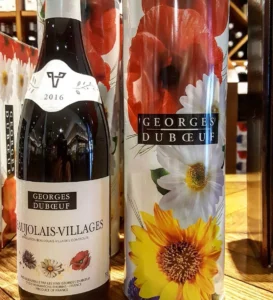
In Beaujolais, Georges Duboeuf Beaujolais Villages Red wine reflects how sub-regional identity shapes expression within the same broader area.
Northern French Wine Regions and Their Style Identity
Loire Valley: Diversity Within One Region
The Loire Valley is one of the most varied regions in France. It produces a wide range of styles shaped by river influence and climate variation.
Alsace: Precision and Grape Expression
Alsace wines are defined by clarity and direct expression. The region emphasizes aromatic structure and distinct grape identity rather than blended complexity.
Southern French Wine Regions and Climate Influence
Rhône Valley: Two Distinct Styles Within One Region
Rhône Valley wines show clear contrast between northern precision and southern blending traditions. Climate plays a key role in shaping structure and expression.
In the Rhône Valley, wines such as Georges Duboeuf Cotes Du Rhone Red Wine show how blending and regional climate influence structure and depth.
Languedoc-Roussillon: Evolving Regional Character
This region has shifted toward more focused quality expression. It shows how tradition and modern interpretation can coexist.
Provence: Balanced and Climate-Shaped Style
Provence reflects Mediterranean conditions through restrained structure and steady balance.
Eastern French Wine Regions That Encourage Exploration
Jura: Small Region with Distinct Identity
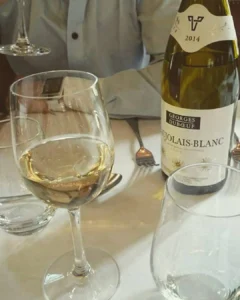
The Jura wine region is known for unusual styles and strong individuality. It produces wines that differ significantly from mainstream expectations, making it a key learning region for understanding variation.
Savoie: Alpine Subtlety and Fresh Structure
Savoie produces light and precise wines shaped by mountain conditions. The focus is on freshness and balance rather than intensity.
Bordeaux and Southwest French Wine Regions
Bordeaux: Blending and Regional Contrast
The Bordeaux wine region is built on blending multiple grape varieties. Structure is defined by balance between different components and soil types.
Southwest France: Strong Regional Identity
Southwest France contains smaller regions with strong identity. Each area reflects local tradition and grape selection shaped by geography.
French Wine Regions That Expand Understanding Beyond Still Wines
Champagne: Structure Through Method
Champagne focuses on acidity, structure, and controlled production methods. It highlights how technique influences final composition.
Corsica: Island Expression of French Winemaking
Corsica presents a distinct profile shaped by island geography. Local conditions and grape varieties create a unique regional identity.
How Curious Drinkers Learn French Wine Regions Effectively
A structured approach helps build understanding across regions.
This includes:
- Comparing regions rather than focusing on single labels
- Observing climate differences
- Studying structure instead of surface taste notes
- Building memory through repetition across regions
A French wine guide approach helps organize this learning process more clearly.
Common Mistakes When Studying French Wine Regions
Many learners rely too heavily on reputation instead of structure.
Some overlook how the AOC wine system defines regional identity and consistency.
Others misunderstand how terroir French wine explains differences between regions, leading to incomplete interpretation.
What Deep Understanding of French Wine Regions Develops
Over time, patterns become easier to recognize across regions.
Learners begin to identify structure based on origin, climate, and classification.
A clearer understanding of French wine labels explained helps decode these patterns more effectively.
This leads to stronger interpretation skills and better regional awareness.
Conclusion
French wine regions operate as a structured system shaped by geography and tradition.
Using tools like the French wine regions map, learners can connect climate, region, and style more clearly.
Knowledge of French regions creates clarity in building a thoughtful portfolio. Solis Group collaborates with businesses aiming to grow with structure and long-term vision.
Exploring aligned partnerships can open new paths forward.
The real outcome is not memorization, but understanding how each region expresses its own identity through structure and place.
FAQs
Why do French wine regions focus more on place than grape?
France prioritizes geography through the AOC wine system. The region defines style more strongly than the grape variety itself.
Which French wine regions are best for understanding terroir?
Loire, Burgundy, and Rhône clearly show how terroir changes taste. They highlight how climate and soil shift structure and balance.
Why is Burgundy so important in French wine regions?
Burgundy is divided into very small vineyard sites with unique identity. Even small location changes create noticeable differences in style.
What makes Loire Valley wines stand out?
Loire Valley wines cover a wide range from crisp whites to light reds. This variety helps learners understand acidity and freshness easily.
How do Alsace wines differ from other French wine regions?
Alsace wines show strong grape expression with clear aromatic structure. They feel direct, precise, and easy to distinguish by variety.
Why is Beaujolais often misunderstood?
Beaujolais wine region is linked to simple styles, but it has depth. Cru villages show structure and strong regional character.
What is unique about Rhône Valley wines?
Rhône Valley wines shift between structured northern styles and blended southern styles.
This contrast shows how climate shapes winemaking approach.
How does AOC system affect French wine regions?
AOC wine system controls where grapes grow and how wine is made. It protects regional identity and keeps style consistent over time.
-
 Understanding Pink Gin Texture with Different Temperatures
 -
International Vodka Day Works Beyond Party Stereotypes
-
French Vermouth Styles Hides Herbs in Silky Wine Base
-
Oak Aged Red Wine delivers smoky warm finish
-
Rich Layered Taste Profile Dominates Blanc de Noirs
-
Vodka Taste Differ Even When Recipes Match
-
Craft Beer and Regular Beer gap Starts with Brewing Intent
-
Rare Cellars Hide Grande Champagne Cognac Stories
-
Light and Full-Bodied Sparkling Wines Bring Two Taste Layers
-
Maceration Time impacts Flavour in Pink Gin Styles



-
Christmas Cocktails You Can Make at Home
-
Sound Of Christmas Wine And Cheese?
-
A Fresh Take on New Year’s Resolutions
-
The Art of Smelling Wine Like a True Connoisseur
-
Looking for the Best Wine? Here's Where to Find It!
-
Whiskey on the Rocks — Cool Choice or Flavor Mistake?
-
Read This Before You Buy Your Dad a Whisky.
-
The Art of Pairing Wine with Indian Food
-
The Ingredients & Botanicals That Define Gin
-
Seven Days of Love — Wine for Valentine’s Week





-
Understanding Pink Gin Texture with Different Temperatures
-
International Vodka Day Works Beyond Party Stereotypes
-
French Vermouth Styles Hides Herbs in Silky Wine Base
-
Oak Aged Red Wine delivers smoky warm finish
-
Vodka Taste Differ Even When Recipes Match
-
Light and Full-Bodied Sparkling Wines Bring Two Taste Layers
-
Maceration Time impacts Flavour in Pink Gin Styles
-
Rare Vintage Port Wine Peak Expression of Douro Vineyards
-
Vodka and Wine showed Two Worlds of Aroma
-
Whiskey Colour Spectrum from Pale Gold to Ebony Depths