
Irish Whiskey and Diwali Connects Heritage & Festivals
Diwali is a time when families come together, homes reflect traditional customs, and generations share meaningful moments. The festival carries stories, values and practices that have shaped Indian culture over many years. Beyond its celebrations, Diwali also highlights the importance of preserving traditions and passing them on to future generations.
Irish whiskey carries a similar connection to heritage through its long-standing distilling traditions. Its identity reflects generations of knowledge, careful craftsmanship and methods that continue to influence its production. From selecting grains to the final stages of maturation, each step reflects the importance of experience and attention to detail.
Although Irish whiskey and Diwali come from different cultural backgrounds, both offer an interesting perspective on heritage and continuity. Exploring their connection helps us understand how traditional craftsmanship and cultural celebrations preserve stories, values and identities across generations.
Irish Whiskey History Reflects Centuries of Distilling Heritage
Irish whiskey has a long history shaped by traditional knowledge and generations of distilling experience. Its development reflects Ireland’s relationship with agriculture; local resources and the skills of distillers who helped establish its identity over time.
The Irish whiskey history and modern era is closely connected to Ireland’s distilling culture. Early production methods developed through practical experience, with distillers refining their techniques as knowledge passed between generations. Over time, these methods became an important part of Ireland’s cultural and industrial heritage.
Several elements contribute to this heritage:
- Traditional distilling knowledge: Generations of experience have shaped the methods used to produce Irish whiskey. Distillers continue to preserve important techniques while adapting to changing production requirements.
- Local agricultural influence: Barley and other grains have played an important role in Ireland’s whiskey-making traditions. Their selection contributes to the character of different whiskey styles.
- Copper pot still traditions: Copper pot stills remain an important part of Irish whiskey production. Their design and operation influence the distillation process and the spirit’s character.
- Maturation practices: Ageing in wooden casks allows the spirit to develop greater complexity over time. The type of wood and previous cask contents can influence its colour, aroma and flavour profile.
Irish whiskey is also known for different production categories, including single malt, single pot still, single grain and blended whiskey. Each category reflects a distinct approach to ingredients and distillation.
These traditions show how Irish whiskey has developed beyond a production category. It represents a craft that carries the influence of history, regional identity and generations of practical knowledge. The continued relevance of Irish whiskey traditions also demonstrates how established production knowledge can remain meaningful across changing generations.
Irish Whiskey Craftsmanship Shapes Its Distinct Character
Irish whiskey craftsmanship plays an important role in defining the spirit’s character. It does not come from a single production stage. Instead, it develops through several connected processes, where each decision influences the final spirit.
Understanding these processes also helps explain why traditional distilling knowledge remains important. The Irish whiskey distilling process involves careful attention to ingredients, fermentation, distillation and maturation.
Grain selection and preparation
Grains provide the foundation of whiskey production. Barley holds a significant place in Irish whiskey traditions, while other grains may also be used depending on the whiskey category.
Malted barley is produced through a controlled process that prepares the grain for fermentation. Unmalted barley is also an important ingredient in traditional Irish single pot still whiskey. The combination of different grains helps create distinctive characteristics.
Mashing and fermentation
After preparation, the grains are processed to extract fermentable sugars. Yeast is then introduced to begin fermentation.
During this stage, yeast converts sugars into alcohol and produces compounds that contribute to the developing aroma and character. The ingredients and fermentation conditions influence the results.
Distillation techniques
Distillation separates and concentrates alcohol from the fermented liquid. Irish whiskey production uses different approaches, including pot still and column still distillation.
Pot still distillation has a particularly strong connection with traditional Irish whiskey. Single pot still whiskey combines malted and unmalted barley, along with other permitted grains.
Different distillation methods create different spirit characteristics. The distiller’s experience helps guide the process and maintain consistency.
Maturation in oak casks
Maturation is another important stage in Irish whiskey production. The spirit develops over time inside wooden casks, where interaction with the wood influences its character.
Previous cask contents, wood type and storage conditions all contribute to the maturation process. These factors can introduce notes associated with vanilla, spice, fruit and toasted wood.
Drumshanbo Single Pot Still Irish Whiskey reflects Ireland’s traditional single pot still style, combining malted and unmalted barley. Its craftsmanship highlights the distinctive character of this historic Irish whiskey category.
Together, these stages demonstrate how Irish whiskey production depends on knowledge, patience and careful decision-making. The different methods used in Irish whiskey maturation also show how time and wood interaction contribute to the final character. Traditional methods provide a foundation, while individual distilleries maintain their own approaches and production identities.
Irish Whiskey Heritage Finds a Cultural Connection with Diwali Traditions
Diwali holds a special place in Indian culture. Its significance extends beyond decorations and festive preparations. The festival represents the victory of light over darkness and is associated with hope, renewal and new beginnings.
Many Diwali customs have been passed down through generations. Families preserve these practices while introducing their own traditions and regional influences. A Diwali celebration in India reflects this combination of shared cultural values and local customs.
This creates an interesting connection between Irish whiskey and Diwali. Both demonstrate how traditions gain meaning through continuity and the efforts of people who preserve them.
There are several shared values worth exploring:
Preserving generational knowledge
Irish whiskey production reflects the experience of distillers who pass their knowledge to future generations. Similarly, Diwali traditions often continue through family customs, stories and shared cultural practices.
Respecting traditional methods
Traditional distilling techniques remain important to Ireland’s whiskey identity. In the same way, many Indian families continue to follow established Diwali customs, including lighting diyas, decorating homes and preparing traditional dishes.
Maintaining cultural identity
Irish whiskey represents an important part of Ireland’s distilling identity. Diwali reflects India’s cultural diversity and the different traditions followed across its regions. This relationship highlights the importance of Indian festive culture in preserving customs that hold meaning for different communities.
Adapting traditions over time
Neither craftsmanship nor culture remains completely unchanged. Distilleries may introduce modern production methods while preserving their traditional identity. Diwali celebrations also evolve as families adapt customs to modern lifestyles.
The connection is not based on a shared history between the two. Instead, it comes from the values they represent. Both offer examples of how traditions can remain meaningful as generations carry them forward. These shared values also help explain the wider significance of Irish whiskey culture beyond its production methods.
Irish Whiskey and Diwali Share the Value of Craftsmanship
Preparation is an important part of both traditional whiskey production and Diwali celebrations. Although the activities are different, each requires planning, attention and an understanding of established practices.
In Irish whiskey production, craftsmanship involves careful decisions at every stage. Grain selection, fermentation, distillation and maturation require experience and consistency. Even small variations in these processes can influence the final character.
Diwali preparations also involve several traditional activities. Families clean and decorate their homes, arrange festive displays, prepare regional dishes and organise gatherings. These activities often involve skills and customs learned from older generations.
The value of craftsmanship becomes visible in different ways:
- Attention to detail: Distillers carefully monitor production stages, while families pay attention to decorations, food preparation and traditional arrangements.
- Patience and consistency: Whiskey maturation takes time, while many traditional Diwali preparations require planning and careful execution.
- Knowledge sharing: Distilling expertise passes between generations, just as family members share recipes, decorative skills and cultural practices.
- Respect for tradition: Both reflect the importance of established methods and the people who keep them alive.
These similarities show that craftsmanship is not limited to manufacturing or production. It can also be seen in everyday cultural practices; family customs and the skills people develop over time.
The Irish whiskey traditions associated with distilling and the customs followed during Diwali both demonstrate how experience and preparation contribute to the preservation of heritage.
Irish Whiskey and Diwali Highlight the Importance of Togetherness
Diwali is widely recognised for bringing families and communities together. It creates opportunities for people to reconnect, share traditions and participate in meaningful cultural activities.
Family gatherings are an important part of the festival. People often travel to meet relatives, exchange greetings and take part in customs that hold personal and cultural significance.
Food also plays an important role in these gatherings. Traditional sweets and regional dishes reflect the diversity of Indian food culture. Recipes are often preserved within families, with different generations contributing their own knowledge and techniques.
Irish whiskey has a different cultural background, but its heritage also reflects the importance of shared knowledge and community identity.
The development of distilling traditions depends on the contributions of many people, including farmers, craftsmen, distillers and those involved in maturation. Their combined experience helps preserve the character of the category.
Looking at these traditions together offers a broader understanding of how cultural identity develops. It is shaped not only by historical events but also by people, shared experiences and the knowledge they pass forward.
Diwali provides an opportunity to appreciate these values within Indian festive culture, while Irish whiskey offers an example of how traditional craftsmanship continues to shape an international spirit category.
Irish Whiskey Global Identity Reflects Cultural Exchange
Irish whiskey has developed an international identity while maintaining its connection with Ireland. Its presence in different markets has introduced new audiences to traditional Irish distilling methods and the stories behind its production.
This growing recognition contributes to its Irish whiskey global identity. Cultural exchange plays an important role in this development. When people explore international products and their origins, they also discover the traditions, skills and regional influences behind them.
Irish whiskey offers several areas of interest for people exploring global spirits heritage:
- Regional identity: Its connection with Ireland gives the category a distinct cultural background.
- Traditional production: Its different whiskey styles demonstrate how ingredients and distillation methods influence the final character.
- Maturation knowledge: Cask selection and ageing practices provide insight into the importance of time and experience.
- Distillery heritage: Individual distilleries preserve their own production knowledge, stories and approaches.
- International appreciation: Its presence across global markets introduces more people to Ireland’s distilling traditions.
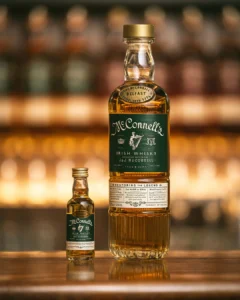
McConnell’s Blended Irish Whiskey represents the heritage of Irish whiskey blending, bringing together malt and grain whiskey. It reflects the traditional blending expertise and craftsmanship associated with Ireland’s whiskey-making culture.
India’s festive season creates an opportunity to explore cultural diversity and international heritage through different perspectives. The growing interest in Irish whiskey in India also forms part of a wider conversation about international spirits and their cultural origins.
Diwali is deeply rooted in Indian traditions, while Irish whiskey represents a distinct part of Ireland’s cultural and industrial history. Understanding both highlights how traditions from different parts of the world can be appreciated without losing their individual identities.
Irish Whiskey Heritage and Diwali Traditions Preserve Stories Across Generations
The connection between Irish whiskey and Diwali is ultimately a story about heritage, craftsmanship and continuity.
Irish whiskey reflects generations of distilling knowledge, traditional production methods and the importance of preserving a distinct cultural identity. Diwali carries its own legacy through family customs, regional practices and values shared across generations.
Although their histories and purposes are different, both demonstrate why traditions continue to matter. They provide a connection to the past while allowing new generations to develop their own understanding and experiences.
At Solis Group, the appreciation of international spirits also involves recognising the craftsmanship, heritage and stories behind different categories. As an importer and curator, Solis Group values the distinct identities that make international spirits part of a wider global heritage.
The Irish whiskey global identity continues to reflect the relationship between traditional production knowledge and international appreciation. Similarly, a Diwali celebration in India carries cultural values that remain meaningful as customs pass from one generation to another.
Conclusion
The connection between Irish whiskey and Diwali offers another perspective on how traditional craftsmanship and cultural values remain relevant across generations. It is a reminder that heritage is not simply something preserved in history. It continues through the knowledge, skills and traditions people carry forward.
Discover how centuries of Irish whiskey history continue to influence its traditions and character. Solis Group connects businesses with international wine and spirit portfolios through expert curation. Reach out to us to discuss potential collaborations and business opportunities.
The appreciation of Irish whiskey craftsmanship also goes beyond the production process. It includes the stories, people and established methods that contribute to its identity. For those exploring Irish whiskey in India, understanding these elements provides a broader view of its place within the world of international spirits.
FAQs
What makes Irish whiskey different from Scotch whisky?
Irish whiskey is produced in Ireland and includes distinct styles such as single pot still, single malt and blended whiskey. Scotch whisky is produced in Scotland, with different regional and production traditions.
What is single pot still Irish whiskey?
Single pot still whiskey is made from a mash of malted and unmalted barley, distilled in pot stills at a single distillery. This combination gives it a distinctive place among Irish whiskey styles.
Why is unmalted barley used in Irish whiskey?
Unmalted barley contributes a distinctive grain character and texture to single pot still whiskey. Its combination with malted barley is a defining feature of this traditional Irish style.
How does triple distillation affect Irish whiskey?
Triple distillation can produce a lighter and smoother spirit by refining the alcohol through three distillation stages. However, not all Irish whiskey is triple-distilled.
How do oak casks influence Irish whiskey flavour?
Oak casks contribute compounds that develop the whiskey's colour, aroma and flavour during maturation. Depending on the wood and previous contents, they can introduce vanilla, spice, dried fruit and toasted notes.
What is the difference between single malt and single pot still Irish whiskey?
Single malt Irish whiskey uses 100% malted barley distilled at one distillery. Single pot still whiskey combines malted and unmalted barley, giving the two styles different grain compositions and characteristics.
What are the four main categories of Irish whiskey?
The four main categories are single malt, single pot still, single grain and blended Irish whiskey. They differ mainly in grain composition, distillation method and whether spirits from different categories are combined.
How does cask selection influence Irish whiskey maturation?
Cask type and previous contents influence the compounds transferred into the spirit during maturation. Ex-bourbon and sherry casks, for example, can contribute different combinations of vanilla, spice, fruit and dried-fruit characteristics.
-
 Rich World of Red Wine Styles Reflect the Spirit of Celebration
-
Irish Whiskey and Diwali Connects Heritage & Festivals
-
Vermouth and Wine Share Similar Roots than Taste
-
Hidden Grain Clues Behind Distinct Vodka Flavour
-
Fins Bois Cognac Delivers Character Without Spotlight
-
Sherry Casks Add Rich Layers to Scotch Whisky Maturation
-
Pale Rose Wine change Impression in Tasting Surprise
-
London Dry Gin Holds Its Classic Appeal than Modern Gin
-
Prestige Cuvée Champagne Showcases Winemaking Vision
-
Pinot Grigio and Sauvignon Blanc Meets Flavour Intensity
-
Christmas Cocktails You Can Make at Home
-
Sound Of Christmas Wine And Cheese?
-
A Fresh Take on New Year’s Resolutions
-
The Art of Smelling Wine Like a True Connoisseur
-
Looking for the Best Wine? Here's Where to Find It!
-
Read This Before You Buy Your Dad a Whisky.
-
Whiskey on the Rocks — Cool Choice or Flavor Mistake?
-
The Art of Pairing Wine with Indian Food
-
The Ingredients & Botanicals That Define Gin
-
Seven Days of Love — Wine for Valentine’s Week




-
Rich World of Red Wine Styles Reflect the Spirit of Celebration
-
Irish Whiskey and Diwali Connects Heritage & Festivals
-
Vermouth and Wine Share Similar Roots than Taste
-
Hidden Grain Clues Behind Distinct Vodka Flavour
-
Sherry Casks Add Rich Layers to Scotch Whisky Maturation
-
Pale Rose Wine change Impression in Tasting Surprise
-
London Dry Gin Holds Its Classic Appeal than Modern Gin
-
Pinot Grigio and Sauvignon Blanc Meets Flavour Intensity
-
Understanding Pink Gin Texture with Different Temperatures
-
International Vodka Day Works Beyond Party Stereotypes