
Mastering your Tasting Instincts Through various Gin Styles
Gin often creates confusion for new tasters because it is treated as a single spirit with one identity.
In reality, gin is a structured category made of distinct styles, each with its own logic, balance, and personality.
The real breakthrough in understanding comes when you stop focusing only on flavour impressions and start recognizing style patterns. This is where tasting instinct begins to develop.
Once gin styles are viewed through structure instead of isolated taste, everything becomes easier to interpret and remember.
Understanding Gin Styles
Gin is not defined by a single taste profile. It is shaped by multiple interpretations of the same base idea juniper-led spirit balanced with botanicals.
Each style changes how that foundation behaves:
- Some emphasize sharpness
- Some soften structure
- Some expand aroma
- Some intensify strength
This is where real tasting awareness begins. Instead of guessing Gin Flavors, you start recognizing patterns.
London Dry Gin
London Dry Gin is the most recognized and foundational style in gin history.
It is known for its dry structure, clear juniper presence, and clean botanical balance. Nothing is added after distillation to soften or sweeten the profile.
Core sensory identity
- Crisp and dry
- Juniper-forward
- Clean citrus edge
- Straight, unaltered structure
This style acts as the reference point for understanding all other gins.
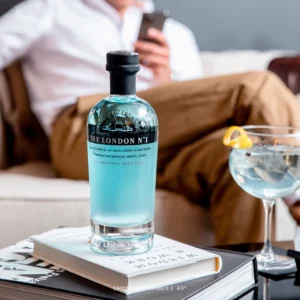
A good example of how this baseline can still feel expressive in a modern way is London No.1 Gin, which keeps the structural clarity of the London Dry idea but adds a more aromatic and layered personality without breaking the core identity.
Old Tom Gin
Old Tom Gin bridges the gap between traditional sharpness and softer modern expressions.
It carries a rounder character and a gentler structure compared to London Dry.
Core sensory identity
- Slightly soft and rounded
- Mild sweetness influence
- Less sharp juniper presence
- Smooth transition on palate
When comparing styles, especially in London Dry vs Old Tom gin, the difference is immediately felt in texture rather than ingredients.
Plymouth Gin
Plymouth Gin stands apart due to its grounded and less aggressive profile.
It does not aim for sharp brightness. Instead, it leans toward earthier tones and smoother structure.
Core sensory identity
- Earth-driven character
- Soft juniper expression
- Mild citrus presence
- Balanced and steady finish
It is often seen as a more rounded interpretation of popular classic gin structure.
New Western Gin
New Western Gin shifts focus away from juniper dominance and explore botanical creativity.
Here, the identity is shaped by ingredients beyond the traditional core, such as floral notes, herbs, or green freshness.
Core sensory identity
- Botanical-forward structure
- Reduced juniper dominance
- Aromatic and expressive profile
- Modern interpretation of gin
This style directly connects with how botanicals affect gin, as each ingredient plays a more visible role in shaping the final character.
A good illustration of this modern shift is Nordés Gin, where the profile leans toward a breezy, aromatic character that feels lighter and more open, showing how far New Western interpretation can move from traditional juniper emphasis while still staying within gin structure.

Navy Strength Gin
Navy Strength Gin represents concentration rather than change in identity.
It keeps the same botanical foundation but increases intensity across all elements.
Core sensory identity
- Strong and concentrated
- Amplified botanical impact
- Warm, full-bodied structure
- Persistent finish
The comparison of Navy Strength vs regular gin highlights how strength affects perception without altering the base identity.
Sloe Gin
Sloe Gin moves away from traditional structure and enters a fruit-influenced category.
It is built on gin but transformed through fruit infusion, creating a softer and more rounded profile.
Core sensory identity
- Fruit-led expression
- Soft and gentle structure
- Low juniper visibility
- Rounded finish
How Gin Styles Build Real Tasting Instinct
Tasting instinct develops when the mind stops analysing isolated Flavors and starts recognizing structure.
Instead of asking what individual notes appear, the focus shifts to:
- Is it sharp or soft?
- Is juniper dominant or subtle?
- Is it traditional or modern?
- Is it light, grounded, or intensified?
This approach is the foundation of practical learning in any gin tasting guide.
Gin Styles Comparison
Every gin style can be understood as a variation from a central reference point:
- London Dry → baseline structure
- Old Tom → softened classic profile
- Plymouth → grounded interpretation
- New Western → botanical-driven evolution
- Navy Strength → intensified expression
- Sloe Gin → fruit transformation
This mental mapping improves recall and builds long-term tasting confidence.
It also helps when exploring gin styles comparison in real tasting scenarios.
A strong example of a bold structural interpretation is Kyro Gin, which brings a Nordic rye-driven backbone that feels heavier and more grounded than most contemporary expressions, showing how base material itself can reshape perceived gin structure.
Common Mistakes in Learning Gin Styles
Understanding gin becomes difficult when approach is unstructured.
Some common issues include:
- Treating gin as a single flavour category
- Focusing only on tasting notes instead of structure
- Misreading smoothness as simplicity
- Ignoring intensity differences
These common gin tasting mistakes slow down instinct development and create confusion between styles.
Role of Flavour Structure in Gin Understanding
Once styles are understood, deeper sensory awareness becomes easier to build.
You begin noticing:
- Gin flavour profile differences across styles
- Subtle spice notes in gin that shift between categories
- The balance between sharp and soft expressions
- How each style builds a unique identity from the same foundation
These elements become easier to interpret when styles are clearly understood.
Conclusion
Gin becomes easier to understand when it is viewed as a structured system instead of a single flavour experience.
Each style represents a different interpretation of the same foundation. Some sharpen it, some soften it, and some completely reshape it.
Understanding gin styles creates clarity not just in tasting, but in building a stronger spirits portfolio.
At Solis Group, we collaborate with partners looking to grow through deeper category insight. Connect with us to explore how structured knowledge can support your business direction.
Once these patterns are recognized, tasting becomes instinctive rather than analytical. That is the real shift from guessing Flavors to recognizing structure instantly.
FAQs
What defines a gin style?
A gin style is defined by how juniper, botanicals, and structure are balanced. It’s not about ingredients alone but how they are expressed.
Why does London Dry gin taste sharper?
London Dry has no added sweetness after distillation, keeping the profile crisp and direct. This makes juniper and citrus feel more pronounced.
How is Old Tom gin different from London Dry?
Old Tom is softer and slightly rounded compared to the sharp dryness of London Dry. The difference is felt more in texture than in ingredients.
What makes New Western gin unique?
New Western gin reduces juniper dominance and highlights other botanicals. The result is a more aromatic and less traditional structure.
Why does Navy Strength gin feel more intense?
Higher alcohol concentration amplifies all Flavors, not just strength. It enhances structure, making botanicals more vivid and persistent.
Is Plymouth gin sweeter than London Dry?
Plymouth gin is not sweeter, but it feels softer due to its earthy and balanced profile. The reduced sharpness creates a smoother perception.
Why do some gins not taste like “classic gin”?
Modern styles reduce juniper emphasis and highlight other elements. This shifts the identity away from traditional expectations.
What is the biggest mistake when tasting gin?
Focusing only on flavour notes instead of structure. This makes it harder to recognize patterns and understand styles.
-
 Understanding Pink Gin Texture with Different Temperatures
 -
International Vodka Day Works Beyond Party Stereotypes
-
French Vermouth Styles Hides Herbs in Silky Wine Base
-
Oak Aged Red Wine delivers smoky warm finish
-
Rich Layered Taste Profile Dominates Blanc de Noirs
-
Vodka Taste Differ Even When Recipes Match
-
Craft Beer and Regular Beer gap Starts with Brewing Intent
-
Rare Cellars Hide Grande Champagne Cognac Stories
-
Light and Full-Bodied Sparkling Wines Bring Two Taste Layers
-
Maceration Time impacts Flavour in Pink Gin Styles


-
Christmas Cocktails You Can Make at Home
-
Sound Of Christmas Wine And Cheese?
-
A Fresh Take on New Year’s Resolutions
-
The Art of Smelling Wine Like a True Connoisseur
-
Looking for the Best Wine? Here's Where to Find It!
-
Whiskey on the Rocks — Cool Choice or Flavor Mistake?
-
Read This Before You Buy Your Dad a Whisky.
-
The Art of Pairing Wine with Indian Food
-
The Ingredients & Botanicals That Define Gin
-
Seven Days of Love — Wine for Valentine’s Week







-
Understanding Pink Gin Texture with Different Temperatures
-
International Vodka Day Works Beyond Party Stereotypes
-
French Vermouth Styles Hides Herbs in Silky Wine Base
-
Oak Aged Red Wine delivers smoky warm finish
-
Vodka Taste Differ Even When Recipes Match
-
Light and Full-Bodied Sparkling Wines Bring Two Taste Layers
-
Maceration Time impacts Flavour in Pink Gin Styles
-
Rare Vintage Port Wine Peak Expression of Douro Vineyards
-
Vodka and Wine showed Two Worlds of Aroma
-
Whiskey Colour Spectrum from Pale Gold to Ebony Depths