
Fins Bois Cognac Delivers Character Without Spotlight
Cognac is often associated with famous names, long ageing, and well-known regions. Yet the character of this French spirit cannot be understood through reputation alone. The land where the grapes grow, the way the spirit is distilled, and the choices made during maturation all help shape its identity. Fins Bois Cognac offers an interesting way to explore these connections.
Fins Bois cru is one of the six recognised Cognac crus, each with its own geographical identity. It is often associated with fresh fruit character and expressive eaux-de-vie, although the final profile varies between producers and individual blends. Understanding this cru means looking beyond familiar labels and paying closer attention to the relationship between place, production, and flavour.
Fins Bois Cognac Has More to Offer Than Its Lesser-Known Reputation
The Cognac growing regions contains several distinct growing areas, known as crus. Each has a recognised geographical identity and contributes to the diversity of Cognac. Fins Bois is one of these areas, yet its name may be less familiar to readers who mainly recognise major Cognac houses or the most widely discussed crus.
Understanding Fins Bois starts with separating reputation from regional character. A cru identifies where the grapes are grown. It does not automatically determine the quality, age, or exact flavour of the finished spirit. Those qualities also depend on production decisions, maturation, and blending.
Where Fins Bois Sits Within the Cognac Region
The Fins Bois terroir is one of the six delimited crus within the Cognac appellation in southwestern France. The six crus are Grande Champagne, Petite Champagne, Borderies, Fins Bois, Bons Bois, and Bois Ordinaires.
These geographical designations help explain the different origins of Cognac eaux-de-vie. They also give enthusiasts a useful starting point when comparing regional styles. However, the boundaries of a cru should not be treated as a promise that every spirit from that area will taste the same.
Fins Bois covers a broad growing area. Its geographical diversity means that local conditions and individual vineyard sites can vary. As a result, the cru is better understood as a regional identity than as a single, fixed flavour profile.
Looking Beyond Reputation to Understand Regional Character
Terroir is a useful concept for understanding regional differences in wine and spirits. It refers to the natural conditions associated with a place, including soil, climate, landscape, and growing conditions. In Cognac, these factors influence the grapes that provide the starting point for distillation.
Terroir does not act alone. The decisions made by growers and distillers also influence the final result. Maturation adds further layers, while blending can bring together eaux-de-vie with different characteristics.
Fins Bois therefore deserves attention as part of a wider story about origin and craftsmanship. Its identity becomes clearer when geography is considered alongside the choices that transform grapes into Cognac.
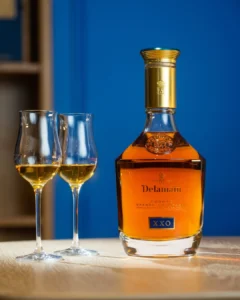
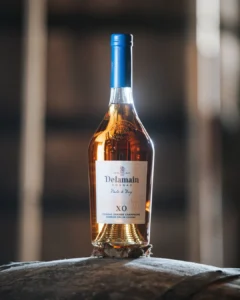
Delamain XXO Grande Champagne Cognac reflects the character of Grande Champagne, the premier cru of the Cognac region, renowned for its chalk-rich soils and eaux-de-vie valued for their ageing potential. Its extended maturation contributes to a developed aromatic profile, where layered fruit notes, gentle spice, and oak influences can create depth and complexity
Fins Bois Cognac and the Land Behind Its Character
The character associated with Fins Bois begins in the vineyard. Soil, climate, grape variety, and growing conditions influence the fruit from which the base wine is made. That wine then becomes the starting point for the distillation process.
Understanding these connections helps explain why Cognac from different crus can develop different characteristics. It also explains why two expressions from the same cru may show noticeable differences.
Understanding the Soils and Landscape of Fins Bois
Fins Bois includes varied landscapes and soil conditions across its broad geographical area. Its soils are not identical from one location to another, so it is misleading to describe the entire cru as if it had one uniform growing environment.
The relationship between soil and grape growing is complex. Soil structure affects factors such as drainage and water availability, while the wider environment influences vine development. These conditions can contribute to differences in the grapes used for Cognac production.
Still, soil alone cannot explain a finished spirit’s flavour. Distillation, maturation, and blending all play important roles. The landscape provides part of the foundation, while the producer’s decisions help shape the final character.
How Climate and Grapes Influence Fins Bois Cognac
Ugni Blanc is the principal grape variety used in Cognac production. It is valued for producing wines suited to distillation. The quality and composition of the base wine matter because the aromas and structure of the finished spirit develop through several stages of production.
Seasonal weather can influence grape ripening, acidity, and the condition of the harvested fruit. Differences between growing seasons may therefore affect the starting material available to a distiller.
These influences are not unique to Fins Bois, but they help explain why regional conditions matter. The grapes establish the foundation for the spirit, while distillation and maturation determine how that foundation develops.
Fruit Notes That Bring Fins Bois Cognac to Life
Fruit is often an important part of the tasting language used to describe Fins Bois eaux-de-vie. Depending on the expression, a taster may notice impressions of fresh orchard fruit, ripe fruit, or other fruit-related aromas.
These descriptions are sensory comparisons rather than ingredients added to the spirit. They help explain how aromas are perceived, but different people may identify different notes in the same Cognac.
Fruit character can also change with maturation. A profile that initially appears fresh and bright may develop more mature fruit impressions as the spirit interacts with oak. The balance between these notes depends on the individual Cognac rather than the cru designation alone.
Freshness, Floral Hints and the Feel of the Spirit
Freshness is a common way to describe a spirit that presents lively, clearly defined aromas. In tasting notes, the term describes an impression rather than a guarantee of a specific chemical composition or production method.
Some Fins Bois expressions may also show floral impressions alongside fruit. These can add another dimension to the aroma, although floral character should not be treated as a defining feature of every Cognac from the region.
Texture matters too. A spirit may feel light, rounded, oily, or full on the palate, depending on its composition and production. Aroma, texture, and finish work together to shape the overall experience, making it important to consider more than one characteristic when describing a Cognac.
Fins Bois Cognac Ageing Oak Shapes Its Character
Ageing adds another dimension to Cognac. After distillation, the spirit matures in oak casks, where time and contact with the wood gradually influence its aroma, colour, texture, and flavour. These changes help explain why two Cognacs from the same cru can develop very different profiles.
For Fins Bois Cognac, the relationship between fruit character and oak influence offers an interesting way to understand maturation. The result depends on the spirit entering the cask, the wood used, the cellar environment, and the decisions made by the producer.
How Oak Maturation Changes Fins Bois Cognac
Oak maturation is not simply a matter of leaving a spirit in a cask for a set number of years. During this period, the spirit interacts with the wood and undergoes gradual chemical changes. These processes can contribute aromas associated with vanilla, spice, toasted wood, and dried fruit.
The cask itself matters. Different types of oak, previous cask use, and the characteristics of the wood can influence the aromas and structure that develop. Cellar conditions also affect the pace and nature of maturation.
As a result, age alone cannot explain the full character of a Fins Bois Cognac. Understanding the producer’s approach to maturation provides a more complete picture of how the spirit develops.
Reading Cognac Age Classifications Correctly
Cognac age classifications provide information about the minimum maturation of the youngest eau-de-vie in a blend. They are useful when comparing expressions, but they do not provide a complete description of flavour or quality.
The familiar classifications include VS, VSOP, and XO, each governed by minimum ageing requirements under Cognac regulations. These classifications should be understood as regulated age categories rather than direct measures of how fruity, smooth, complex, or oak-led a Cognac will taste.
A Fins Bois Cognac’s regional origin and age classification answer different questions. The cru indicates where the grapes were grown, while the age classification indicates a minimum maturation period. Considering both gives readers a clearer understanding of the spirit.
Fins Bois Cognac Compared with Other Cognac Crus
Fins Bois becomes easier to understand when placed alongside the other Cognac crus. Each has a distinct geographical identity, and regional reputation has helped shape the way enthusiasts discuss different Cognac styles.
However, comparisons require care. Descriptions of typical regional characteristics are useful starting points, not rules that apply to every producer or expression. Production methods, maturation, and blending can create considerable variation within and between crus.
Fins Bois and Grande Champagne
Fins Bois vs Grande Champagne is often associated with eaux-de-vie known for their ageing potential. It holds a prominent place in discussions about Cognac, particularly those focused on maturation and established regional styles.
Fins Bois offers a different point of exploration. It is often described in terms of expressive fruit character, although the exact profile depends on the individual spirit. This makes the comparison useful for understanding how regional origin can influence the way a Cognac is described.
Neither cru should be judged through a single characteristic. A meaningful comparison considers the specific expressions, their maturation, and the balance of aromas and flavours rather than relying only on regional reputation.
Fins Bois and Petite Champagne
Petite Champagne is another recognised Cognac cru with its own geographical identity. It is often discussed alongside Grande Champagne because of its place in the traditional understanding of Cognac’s growing regions.
Comparing Petite Champagne with Fins Bois can help enthusiasts explore differences in regional origin and producer style. Yet the tasting experience depends on more than the name of the cru. The age of the eaux-de-vie, cask influence, and blending choices all affect the final profile.
The most useful approach is to compare specific Cognacs and observe their differences. This avoids turning broad regional descriptions into fixed expectations.
Fins Bois and Borderies
Borderies is the smallest of the six Cognac crus and is often associated with distinctive floral and nutty impressions in descriptions of its eaux-de-vie.
Fins Bois, by comparison, is frequently discussed for its fruit-forward character. These general descriptions can help readers understand why enthusiasts pay attention to regional origin, but they do not define every Cognac produced in either area.
A producer may create different styles from the same cru, and blended Cognacs may draw on several geographical sources. The value of this comparison lies in understanding regional diversity rather than declaring one cru better than another.
Understanding All Six Cognac Crus
The Cognac appellation recognises six crus, each representing a defined geographical growing area.
- Grande Champagne: Known for its established reputation and eaux-de-vie often associated with long ageing potential.
- Petite Champagne: A recognised cru frequently discussed alongside Grande Champagne.
- Borderies: The smallest cru, often associated with floral and nutty tasting descriptions.
- Fins Bois: A broad growing area often associated with expressive fruit character.
- Bons Bois: A geographically diverse cru with varied growing conditions.
- Bois Ordinaires: The coastal and island-growing area within the Cognac appellation.
These descriptions offer a starting point for understanding the regions. They should not be treated as a strict ranking or as a guarantee of how every spirit will taste. Each cru contributes to the geographical diversity of Cognac, while producers shape the final character through their individual methods.
Conclusion
Fins Bois Cognac offers a valuable perspective on the relationship between geography and spirit character. Its regional identity helps explain the origins of the grapes, while distillation, oak maturation, and blending shape the final profile.
Discover how the origins and craftsmanship of Fins Bois Cognac shape its place in the world of spirits. Solis Group brings wine and spirits industry knowledge together with a focus on lasting business relationships. Connect with us to discuss opportunities that support your business goals and long-term growth.
For Cognac enthusiasts, exploring Fins Bois is an opportunity to look beyond familiar names and understand the diversity within the Cognac appellation. Its character does not need to compete with another cru to deserve attention. It simply needs to be understood on its own terms.
FAQs
What makes Fins Bois Cognac distinctive?
Fins Bois Cognac is often associated with expressive fruit character and fresh aromas. Its final profile depends on grape-growing conditions, distillation, oak maturation, and blending.
How does Fins Bois terroir influence Cognac?
Fins Bois terroir includes local soils, climate, and growing conditions that influence grape development. Distillation and maturation then shape how those characteristics appear in the finished spirit.
What flavours are found in Fins Bois Cognac?
Fins Bois Cognac may show fresh fruit, ripe fruit, or floral notes, depending on the expression. Oak ageing can add further impressions of vanilla, spice, and dried fruit.
Is Fins Bois Cognac one of the six crus?
Yes, Fins Bois is one of the six recognised Cognac crus in southwestern France. The designation identifies the geographical growing area, not a guaranteed quality level or fixed flavour.
How does Fins Bois differ from Grande Champagne?
Fins Bois is often associated with fruit-forward eaux-de-vie, while Grande Champagne is renowned for its ageing potential. Individual Cognacs can differ considerably because production and maturation also influence their character.
Does oak ageing change Fins Bois Cognac?
Yes, oak maturation can alter the spirit's colour, aroma, texture, and flavour over time. Cask characteristics and cellar conditions help determine the balance between fruit and oak notes.
What is the difference between single-cru and blended Cognac?
Single-cru Cognac uses eaux-de-vie from one designated growing area. Blended Cognac combines eaux-de-vie from different sources to create a particular style and balance.
How does Fins Bois add diversity to Cognac?
Fins Bois contributes a distinct geographical identity and a range of possible flavour profiles to the Cognac appellation. Its variation across producers shows how terroir and craftsmanship work together to shape the spirit.
-
 Fins Bois Cognac Delivers Character Without Spotlight
-
Sherry Casks Add Rich Layers to Scotch Whisky Maturation
-
Pale Rose Wine change Impression in Tasting Surprise
-
London Dry Gin Holds Its Classic Appeal than Modern Gin
-
Prestige Cuvée Champagne Showcases Winemaking Vision
-
Pinot Grigio and Sauvignon Blanc Meets Flavour Intensity
-
Understanding Pink Gin Texture with Different Temperatures
-
International Vodka Day Works Beyond Party Stereotypes
-
French Vermouth Styles Hides Herbs in Silky Wine Base
-
Oak Aged Red Wine delivers smoky warm finish

-
Christmas Cocktails You Can Make at Home
-
Sound Of Christmas Wine And Cheese?
-
A Fresh Take on New Year’s Resolutions
-
The Art of Smelling Wine Like a True Connoisseur
-
Looking for the Best Wine? Here's Where to Find It!
-
Read This Before You Buy Your Dad a Whisky.
-
Whiskey on the Rocks — Cool Choice or Flavor Mistake?
-
The Art of Pairing Wine with Indian Food
-
The Ingredients & Botanicals That Define Gin
-
Seven Days of Love — Wine for Valentine’s Week





-
Sherry Casks Add Rich Layers to Scotch Whisky Maturation
-
Pale Rose Wine change Impression in Tasting Surprise
-
London Dry Gin Holds Its Classic Appeal than Modern Gin
-
Pinot Grigio and Sauvignon Blanc Meets Flavour Intensity
-
Understanding Pink Gin Texture with Different Temperatures
-
International Vodka Day Works Beyond Party Stereotypes
-
French Vermouth Styles Hides Herbs in Silky Wine Base
-
Oak Aged Red Wine delivers smoky warm finish
-
Vodka Taste Differ Even When Recipes Match
-
Light and Full-Bodied Sparkling Wines Bring Two Taste Layers