
London Dry Gin Holds Its Classic Appeal than Modern Gin
Gin has a way of surprising people. Two gins can share similar ingredients yet offer very different aromas, flavours, and finishes. One may lead with crisp juniper and bright citrus. Another may bring forward floral notes, fresh herbs, warm spices, or unusual botanical combinations.
This difference makes gin more interesting than a simple list of ingredients. The way each botanical works with the others can shape the entire flavour profile. Exploring Gin Botanical Flavours reveals how small changes in ingredients and proportions can create distinct sensory experiences.
London Dry Gin remains a classic example of balance and structure. It gives juniper a clear role while allowing other botanicals to add depth. Modern gin styles explore a wider range of flavour expressions. They may highlight citrus, flowers, herbs, or spices in new ways.
Neither approach tells the whole story of gin. The real difference lies in how each style brings its botanicals together. Understanding the Gin Flavour Profile of different styles helps gin lovers recognise familiar flavours, discover new aromas, and appreciate the craft behind each style.
What Makes London Dry Gin Timeless?
London Dry Gin has earned its place as one of the best-known gin styles. Its appeal comes from a clear botanical identity, a dry character, and a balance that does not rely on added flavourings after distillation.
The name can also cause confusion. London Dry Gin does not have to come from London. It refers to a defined style and its production requirements, not a specific place of origin.
Its character comes from the way juniper, citrus, spices, roots, and other botanicals work together. Each ingredient has a role, but the final result should feel balanced rather than crowded. These London Dry Gin Characteristics help explain why the style remains recognisable across different recipes and producers.
Botanical Balance Creates a Classic Gin Profile
A good botanical blend is about more than choosing interesting ingredients. It also depends on their proportions and how their flavours interact. This relationship is central to Gin Botanical Balance, where each ingredient supports the overall profile without taking attention away from the others.
Consider the role of three common botanical groups:
- Juniper: Provides the familiar pine-like, resinous character associated with gin.
- Citrus peel: Adds bright, zesty notes that can lift the overall aroma.
- Roots and spices: Bring earthy, warm, woody, or peppery details that add depth.
Coriander seed, cardamom, orris root, and angelica root may also appear in gin recipes. Each can influence the final result in a different way.
The balance depends on the recipe. Too much emphasis on one botanical may reduce the space available for others. A well-planned blend allows the ingredients to work together.
This is one reason London Dry Gin remains relevant. Its classic character offers a recognisable starting point for understanding botanical flavour.
How Modern Gin Styles Change the Way Botanicals Shine
Modern gin styles take a wider approach to botanical expression. Some remain strongly juniper-led, while others give greater attention to citrus, flowers, herbs, spices, or distinctive ingredient combinations. These Modern Gin Styles and Pink Gin texture demonstrate how gin makers can explore new flavour directions without relying on one fixed botanical formula.
The term modern gin does not describe one single, universally defined legal category. It is a broad way to describe contemporary approaches to gin’s flavour and aroma.
This makes the category varied and interesting. One gin may focus on fresh citrus. Another may highlight delicate floral notes. A third may explore green herbs or warm spices.
The aim is not always to move away from tradition. It can also involve finding a new balance between familiar botanicals.
Citrus Botanicals Bring Brightness and Freshness
Citrus is a common feature in many gin recipes. Lemon peel, orange peel, and grapefruit peel can each add a different type of brightness. The role of Citrus Botanicals in Gin depends on the ingredient, its proportion, and the other botanicals used in the blend.
Lemon peel often brings a sharp, zesty impression. Orange peel can offer a rounder citrus character. Grapefruit may add a fresh aroma with a more pronounced bitter edge.
These differences affect how the gin smells and tastes. Citrus may appear before the juniper, sit alongside it, or become more noticeable towards the finish.
In some modern styles, citrus takes a leading role. The result may feel lively and aromatic, with the pine-like notes of juniper playing a supporting part.
Yet citrus does not belong only to modern gin. London Dry Gin can also feature clear lemon and orange notes. The key difference is how the recipe balances those notes with the rest of the botanicals.
Floral Botanicals Add a Different Layer of Aroma
Floral botanicals can create a softer and more fragrant character. Depending on the recipe, ingredients such as rose, lavender, or other flowers may introduce delicate, perfumed, or fresh notes. Floral Gin Botanicals can change the first impression of a gin without removing its underlying botanical identity.
These aromas can change the first impression of a gin. Instead of immediately noticing pine or spice, the nose may pick up a light floral quality.
Floral notes can also interact with citrus. Lemon and flower aromas may create a bright, delicate profile, while some combinations with herbs can feel greener and more complex.
The balance matters here, too. A floral note does not have to dominate to make a difference. Even a supporting botanical can change the way other aromas are perceived.
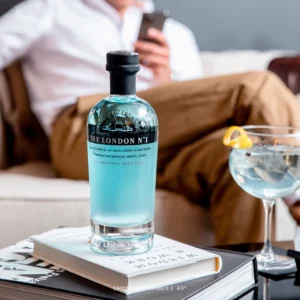
Modern styles often explore these combinations, giving gin makers more ways to shape a distinctive aromatic identity. London No.1 Gin provides a useful reference when exploring how a gin’s identity can be associated with a distinctive aromatic character. Its name also illustrates why the label alone does not tell the whole story. Botanical composition and production choices remain important when understanding a gin’s style.
Herbs and Spices Create More Complex Flavour Profiles
Herbs and spices offer another way to change the character of gin.
Basil, rosemary, and similar herbs can introduce green, leafy, or savoury notes. Cardamom may add a fragrant spice character, while pepper can create a sharper impression. Other spices may contribute warmth and depth.
A well-designed Herbal Gin profile may bring fresh, green, or savoury notes to the foreground. A Spiced Gin profile may instead emphasise pepper, cardamom, warmth, or aromatic depth.
These ingredients can work in different ways. Herbs may make a botanical profile feel fresh and green. Spices can create a more layered aroma. Roots may add earthy or woody notes that help bring the blend together.
Modern gin recipes may place these ingredients at the centre of the experience. Others use them to add detail to a familiar juniper base.
The result depends on the combination, not simply the number of ingredients.
Why Juniper Still Matters in Modern Gin
Juniper remains central to gin’s identity, even as contemporary recipes explore new botanical combinations.
Its pine-like, resinous character gives gin a familiar reference point. Other ingredients can add contrast, lift, depth, or complexity, but juniper helps maintain the spirit’s defining character.
This does not mean every gin needs to taste strongly of pine. The prominence of juniper can vary, and its flavour may become more noticeable when paired with certain ingredients.
How Supporting Botanicals Change Juniper’s Character
Botanicals do not work in isolation. Their aromas interact, and this can change how each ingredient is perceived.
Coriander seed may add citrus-like spice. Citrus peel can brighten the overall profile. Angelica root may provide earthy depth. Cardamom can add fragrant warmth.
Together, these ingredients can make juniper seem sharper, softer, brighter, or more layered.
The botanical blend is therefore more than the sum of its parts. Each ingredient contributes to the overall balance, even when its individual flavour is not easy to identify.
This is one of the most interesting aspects of gin. A familiar ingredient can take on a different character when paired with a new combination of botanicals.
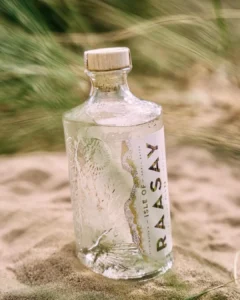
How to Compare London Dry Gin and Modern Gin Through Tasting
A side-by-side comparison can help make botanical differences easier to recognise. The goal is not to choose a winner. It is to understand how each gin expresses its ingredients. Recording Gin Tasting Notes can help readers compare aromas, flavour development, and finishes in a clear and consistent way.
Start With Aroma
Begin by observing each gin separately. Use the same type of glass and similar conditions so the comparison remains fair.
Notice the first aromas that stand out. Look for pine, resin, citrus peel, flowers, herbs, or spices.
Then pause and notice what emerges next. Juniper may become more apparent after the first impression, or a supporting botanical may create a new layer of aroma.
A simple record of these observations can make differences easier to remember.
Notice the Main Flavours
Pay attention to the overall balance rather than trying to identify every ingredient.
Ask yourself which botanical seems most prominent. Does juniper lead the profile? Does citrus appear first? Are herbal or floral notes easy to recognise?
Notice how the flavours develop and whether one ingredient seems to support or compete with another.
There is no need to identify every botanical correctly. Learning to recognise broad flavour families is a useful starting point.
Pay Attention to the Finish
The finish can reveal details that are less noticeable at first.
Look for lingering pine, citrus bitterness, pepper, warmth, floral aromas, or herbal notes. Notice whether the profile stays consistent or changes as the initial flavours fade.
These observations can help explain why two gins with similar opening aromas may still feel quite different overall.
For a practical comparison, Isle of Raasay Gin can serve as a named example to research alongside other gins. Checking the producer’s own description and stated botanicals helps distinguish documented product details from general assumptions about modern gin.
How London Dry Gin and Modern Gin Differ in Classic Cocktails
Gin’s botanical profile can change the character of a cocktail. Other ingredients may soften, highlight, or contrast with the gin’s aromas.
This makes classic cocktails useful examples of how different styles behave in a mixed drink.
Martini: A Clear View of Gin’s Character
A Martini gives the gin a central role alongside dry vermouth and any chosen garnish.
A juniper-forward London Dry Gin can provide a clear botanical foundation, with citrus and spice adding detail. A more floral or citrus-led modern gin can shift the aroma and change the balance of the finished cocktail.
The difference depends on the gin and the recipe. Neither style is automatically the better choice.
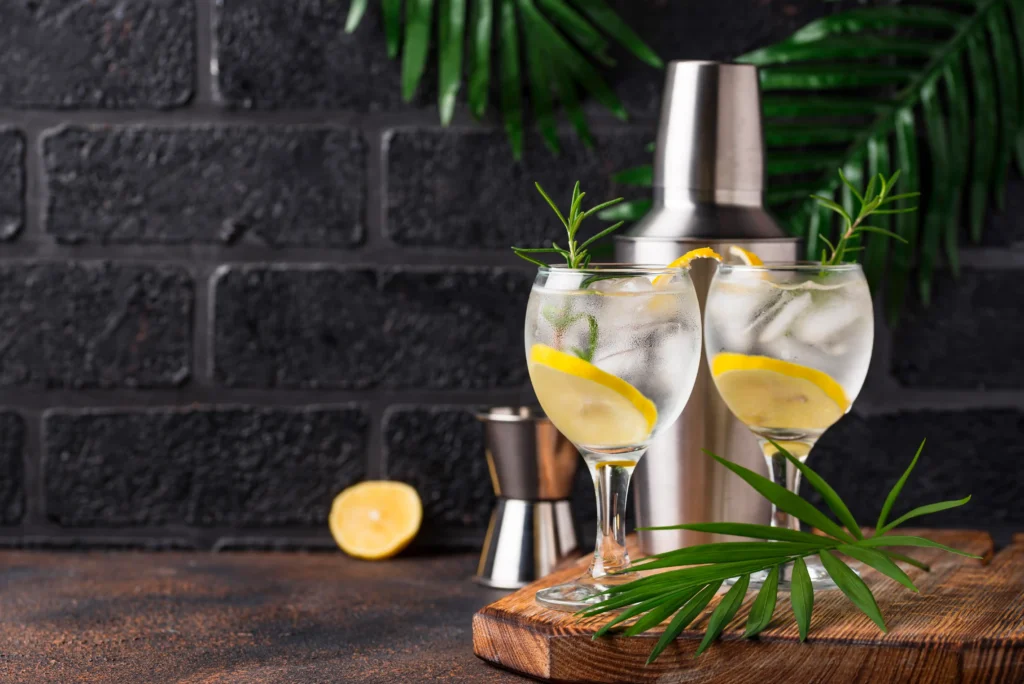
Gin and Tonic: Citrus, Bitterness, and Botanicals
Tonic water brings bitterness, sweetness, and carbonation into the flavour profile. These qualities can interact with the gin’s botanicals in different ways.
Citrus-led gin may create a bright aromatic impression, while a gin with prominent herbs or spices may introduce a different kind of complexity.
Garnish also matters. Citrus peel can reinforce citrus notes, while certain herbs may highlight an existing green or savoury character.
The final result reflects the combination of gin, tonic, dilution, and garnish rather than the gin alone.
Negroni: Balancing Botanical Notes with Bitterness
A Negroni combines gin with bitter and sweet elements. The gin’s botanical profile becomes part of a wider balance.
Juniper-forward gin can maintain a recognisable pine-like character alongside the cocktail’s bitter notes. A more expressive modern gin may introduce additional citrus, herbal, floral, or spice details.
The interaction depends on the particular gin and the other ingredients. A change in the gin can alter the cocktail’s overall flavour without changing its basic structure.
How Distillation Shapes the Way Gin Botanicals Shine
The botanical recipe is important, but it is only one part of gin production. The way ingredients interact with the spirit during distillation also affects the final aroma and flavour. Gin Distillation Methods help determine how aromatic compounds are extracted and how the botanicals come together.
Botanical Selection and Proportion
Every botanical has its own character. The choice of ingredients and their relative proportions help define the final profile.
A recipe with a strong juniper foundation may use citrus and spice to add brightness and depth. Another recipe may place greater emphasis on flowers or herbs while retaining enough juniper to maintain a recognisable gin character.
Small changes can matter. Adjusting the proportion of a botanical may make its aroma more noticeable or change how it interacts with the other ingredients.
More botanicals do not automatically mean greater complexity. A carefully chosen combination can produce a clear and layered profile without a long list of ingredients.
Distillation Methods and Aroma Extraction
Gin makers use different approaches to bring botanical character into the spirit.
In some methods, botanicals are placed in contact with the spirit before or during distillation. In others, alcohol vapour passes through botanicals held in a basket. These approaches are often described as direct maceration and vapour infusion, although production methods can vary.
Each method influences how aromatic compounds are extracted and carried into the final spirit. The result depends on the botanical material, the distillation setup, and the choices made by the distiller.
Neither method automatically produces a better gin. The aim is to achieve the intended flavour profile and maintain a suitable balance between the ingredients.
Conclusion
London Dry Gin and modern gin styles show two ways to approach botanical balance. London Dry follows a defined production style that supports a recognisable juniper-led character. Modern gin covers a wider range of contemporary expressions, from bright citrus and delicate flowers to fresh herbs and warming spices.
Yet the two approaches share an important connection. Both depend on how the botanicals work together. Gin Botanical Flavours become easier to appreciate when you look at the relationship between juniper, citrus, herbs, spices, and floral notes rather than treating every ingredient separately.
Understanding detailed comparison of London Dry Gin and modern gin and the botanical choices that shape their distinctive profiles. Solis Group brings together industry knowledge and importer expertise within India’s premium wine and spirits’ sector. Looking to establish or strengthen your business presence in India? Connect with us to discuss potential trade opportunities.
For gin enthusiasts, understanding these details offers a richer way to explore the category. Rather than seeing classic and modern styles as opposing choices, it is more useful to recognise what each brings to the botanical landscape.
FAQs
What makes London Dry Gin different from modern gin?
London Dry Gin follows strict production rules and typically emphasizes juniper-led flavour, while modern gin styles may give greater prominence to floral, citrus, herbal, or spice botanicals.
Why is juniper important in gin?
Juniper provides gin’s defining botanical character, contributing pine-like, resinous, and subtly peppery notes that help distinguish gin from other botanical spirits.
How do botanicals change gin’s flavour?
Citrus botanicals add bright, zesty notes, floral ingredients bring delicate aromas, and herbs or spices introduce earthy, savoury, peppery, or warming characteristics.
Can modern gin taste less like juniper?
Yes. Some modern gin styles place citrus, floral, or herbal botanicals more prominently, creating a different flavour balance while retaining gin’s essential juniper character.
What defines the London Dry Gin flavour profile?
London Dry Gin generally features a clear juniper presence supported by balanced botanical notes, with citrus, spice, or herbal nuances depending on the recipe.
How does gin aroma affect tasting notes?
Aroma reveals botanical characteristics before tasting, helping identify notes such as pine, lemon peel, coriander, flowers, or spice and anticipate how they may develop on the palate.
Do gin distillation methods affect flavour?
Yes. Different distillation approaches influence how botanical compounds are extracted and retained, affecting the spirit’s aromatic intensity, flavour clarity, and overall balance.
How can you compare two gin styles?
Compare their aroma, juniper intensity, citrus or floral notes, herbal and spice characteristics, texture, and finish to understand how each botanical profile is structured.
-
 Pale Rose Wine change Impression in Tasting Surprise
 -
London Dry Gin Holds Its Classic Appeal than Modern Gin
-
Prestige Cuvée Champagne Showcases Winemaking Vision
-
Pinot Grigio and Sauvignon Blanc Meets Flavour Intensity
-
Understanding Pink Gin Texture with Different Temperatures
-
International Vodka Day Works Beyond Party Stereotypes
-
French Vermouth Styles Hides Herbs in Silky Wine Base
-
Oak Aged Red Wine delivers smoky warm finish
-
Rich Layered Taste Profile Dominates Blanc de Noirs
-
Vodka Taste Differ Even When Recipes Match

-
Christmas Cocktails You Can Make at Home
-
Sound Of Christmas Wine And Cheese?
-
A Fresh Take on New Year’s Resolutions
-
The Art of Smelling Wine Like a True Connoisseur
-
Looking for the Best Wine? Here's Where to Find It!
-
Read This Before You Buy Your Dad a Whisky.
-
Whiskey on the Rocks — Cool Choice or Flavor Mistake?
-
The Art of Pairing Wine with Indian Food
-
The Ingredients & Botanicals That Define Gin
-
Seven Days of Love — Wine for Valentine’s Week






-
Pale Rose Wine change Impression in Tasting Surprise
-
London Dry Gin Holds Its Classic Appeal than Modern Gin
-
Pinot Grigio and Sauvignon Blanc Meets Flavour Intensity
-
Understanding Pink Gin Texture with Different Temperatures
-
International Vodka Day Works Beyond Party Stereotypes
-
French Vermouth Styles Hides Herbs in Silky Wine Base
-
Oak Aged Red Wine delivers smoky warm finish
-
Vodka Taste Differ Even When Recipes Match
-
Light and Full-Bodied Sparkling Wines Bring Two Taste Layers
-
Maceration Time impacts Flavour in Pink Gin Styles