
Pinot Grigio and Sauvignon Blanc Meets Flavour Intensity
Pinot Grigio and Sauvignon Blanc are two of the most familiar crisp white wine styles. Both can offer fresh acidity, dry finishes, and bright fruit notes, yet they can feel very different in the glass.
The main difference comes down to flavour expression. Pinot Grigio often leans toward clean fruit, light texture, and subtle aromas. Sauvignon Blanc usually brings stronger aromas, sharper citrus notes, herbal character, and a more expressive finish.
So, which style suits your palate? The answer depends less on which wine is “better” and more on the flavours, aromas, and texture you enjoy.
Pinot Grigio and Sauvignon Blanc Key Differences
The easiest way to understand these wines is to look beyond their shared crispness.
Pinot Grigio usually offers a clean and streamlined style. Its Pinot Grigio flavour profile can include green apple, pear, lemon, lime, and subtle white peach. The aromas are often moderate, allowing freshness and fruit to lead.
Sauvignon Blanc tends to make a stronger first impression. Its Sauvignon Blanc flavour profile can include grapefruit, lime, passion fruit, gooseberry, fresh herbs, and green notes depending on where the grapes are grown and how the wine is made.
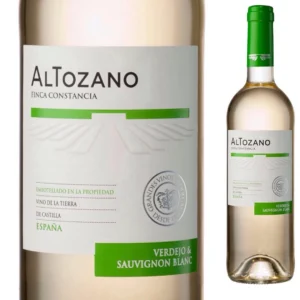
This interplay between environment and grape expression is also echoed in modern blends such as Altozano Verdejo Sauvignon Blanc White Wine, where freshness and aromatic lift reflect broader coastal-inspired winemaking trends.
Both can be dry and refreshing. Both can have noticeable acidity. The difference is mainly in how that freshness is expressed.
In simple terms:
- Pinot Grigio feels clean, light, and restrained.
- Sauvignon Blanc feels aromatic, zesty, and expressive.
- Pinot Grigio often shows subtle fruit.
- Sauvignon Blanc can show stronger fruit and herbal notes.
- Both can work well with fresh foods and seafood.
This makes them useful examples of how two crisp white wines can offer very different tasting experiences.
What Makes Pinot Grigio Taste So Clean and Refreshing?
The Pinot Grigio flavour profile is often built around freshness rather than powerful aroma.
Its character can vary by region and winemaking style, but many examples show a combination of light fruit, fresh acidity, and a clean finish.
Light Fruit Notes Define Pinot Grigio
Common fruit impressions include:
- Green apple
- Pear
- Lemon
- Lime
- White peach
These flavour s are usually not overly rich. Instead, they create a fresh and easy-to-follow profile.
Green apple and pear can give the wine a gentle fruit character, while lemon and lime add brightness. In some styles, white peach can bring a softer fruit note.
The result is a wine that can feel refreshing without becoming overly intense.
Pinot Grigio Acidity Keeps the Wine Crisp
Pinot Grigio acidity is an important part of its style.
Acidity gives wine freshness and structure. It can make the palate feel lively and help prevent the wine from seeming heavy.
This does not mean acidity equals sourness. In a balanced wine, acidity works with fruit, texture, and finish to create a fresh overall impression.
For Pinot Grigio, that freshness often supports its clean and restrained personality.
Subtle Aromas Let the Fruit Lead
Pinot Grigio aroma is generally less forceful than the aroma of Sauvignon Blanc.
You may notice citrus, green fruit, flowers, or mineral-like impressions, depending on the wine.
The aromas tend to support the overall profile rather than dominate it. This is one reason Pinot Grigio can appeal to people who prefer subtle white wines.
Why Sauvignon Blanc Often Feels More Flavour -Intense
The Sauvignon Blanc flavour profile is usually more expressive.
This grape is known for its ability to produce wines with pronounced aromas and bright acidity. Depending on its growing region and winemaking approach, the wine can move from lean and citrus-driven to tropical and fruit-forward.
Strong Aromas Give Sauvignon Blanc More Impact
Sauvignon Blanc aroma can be immediately noticeable.
Common impressions include:
- Grapefruit
- Lime
- Passion fruit
- Gooseberry
- Melon
- Fresh herbs
The exact combination varies between wines. A cooler-grown Sauvignon Blanc may lean toward citrus and green notes, while a warmer style can show riper fruit and tropical character. Gewurztraminer white wine is a new white grape variety associated with deeply aromatic wines that focus on fragrance intensity and layered complexity.
This aromatic range helps explain why Sauvignon Blanc can seem more intense even when it has a similar level of acidity to another crisp white wine.
Sauvignon Blanc Acidity Creates Energy
Sauvignon Blanc acidity is often a major part of its lively style.
High acidity can make citrus flavour s feel brighter and can give the wine a sharp, energetic quality.
However, acidity should not be used as the only way to compare the two wines. Both Pinot Grigio and Sauvignon Blanc can have high acidity.
What changes is the relationship between acidity, aroma, fruit intensity, texture, and finish.
Climate And Winemaking Shape Sauvignon Blanc
Sauvignon Blanc does not have one universal taste.
Growing conditions and winemaking choices can influence its character. Some examples may be lean, citrus-driven, and strongly herbal. Others can show more tropical fruit and a rounder texture.
This variation is important when comparing the two grapes.
The name Sauvignon Blanc tells you the grape variety, but the final flavour also reflects where and how the wine was produced.
Pinot Grigio and Sauvignon Blanc on The Palate
Looking at the wines side by side makes the differences easier to understand.
Fruit Intensity Shows a Clear Contrast
Pinot Grigio often presents fruit in a delicate to moderate way.
Apple, pear, citrus, and white peach may appear without dominating the palate.
Sauvignon Blanc can deliver more pronounced fruit. Citrus may feel sharper, while passion fruit, gooseberry, melon, or tropical notes can create greater intensity.
This does not make one style better. It simply creates a different sensory experience.
Both Wines Can Have High Acidity
A common mistake is to assume one grape automatically has more acidity than the other.
In reality, acidity can vary according to climate, ripeness, region, and winemaking.
Both styles can be fresh and high in acidity.
The more useful distinction is how that acidity interacts with the wine’s other characteristics.
Pinot Grigio often uses acidity to support a clean and light profile. Sauvignon Blanc can combine acidity with stronger citrus, herbal, and aromatic notes.
Body And Texture Can Differ
Pinot Grigio is generally light to medium-bodied with a streamlined texture.
Sauvignon Blanc is also commonly light to medium-bodied, but some examples can feel fuller or more textured.
Factors such as ripeness, alcohol level, winemaking techniques, and region can change the final mouthfeel.
This is why grape variety alone cannot predict every detail of a bottle.
The Finish Reveals Their Personalities
Pinot Grigio often ends with a clean, refreshing finish.
Sauvignon Blanc may leave stronger citrus, herbal, or fruit impressions that remain noticeable for longer.
The finish is especially useful when tasting both wines together because it helps show how their different flavour intensities develop beyond the first sip.
Pinot Grigio and Sauvignon Blanc Aroma Differences in the Glass
Aroma is one of the clearest ways to separate these two wines.
Before tasting, take a moment to smell each wine. The differences may become noticeable before the first sip.
Pinot Grigio Aroma
Typical impressions can include:
- Lemon
- Green apple
- Pear
- White flowers
- Subtle mineral notes
The overall impression is often fresh and understated.
Sauvignon Blanc Aroma
Sauvignon Blanc can show:
- Grapefruit
- Lime
- Passion fruit
- Gooseberry
- Fresh herbs
- Green or grassy notes
Its aromatic profile can be more noticeable and varied.
Why Aroma Changes the Perception of Flavour
Aroma plays a major role in how people experience wine.
Two wines can have similar acidity but feel completely different because one releases more powerful aromas.
A highly aromatic wine can seem more intense because the nose is receiving more noticeable fruit, citrus, floral, or herbal signals.
This is an important point when comparing Pinot Grigio and Sauvignon Blanc.
How Climate Changes Pinot Grigio and Sauvignon Blanc Flavour
The same grape variety can taste different when grown in different conditions.
Climate affects grape ripening, acidity, fruit development, and the balance of flavour s that eventually appear in the wine.
Cooler Conditions Preserve Freshness
Cooler growing conditions generally help grapes retain acidity.
Wines from cooler conditions can show more:
- Citrus
- Green fruit
- Freshness
- Bright acidity
- Leaner fruit character
This can make the resulting wine feel particularly crisp and lively.
Warmer Conditions Encourage Riper Fruit
Warmer conditions can encourage greater fruit ripeness.
Depending on the variety and region, wines can develop:
- Riper fruit
- Softer fruit impressions
- Tropical notes
- Fuller flavour
- More rounded textures
This does not mean every warm-climate wine tastes the same. Vineyard conditions and winemaking decisions also matter.
Why The Same Grape Can Taste Different
Grape variety is only one part of the story.
The final profile can be influenced by:
- Climate
- Soil
- Vineyard location
- Harvest timing
- Winemaking
- Fermentation choices
- Aging methods
That is why Sauvignon Blanc flavour profile and Pinot Grigio flavour profile should be viewed as broad categories rather than fixed formulas.
Pinot Grigio and Sauvignon Blanc for Different Palates
Rather than choosing a universal winner, think about the style you enjoy most.
Choose Pinot Grigio If You Prefer
- Light white wines
- Clean flavours
- Subtle fruit
- Fresh acidity
- Crisp finishes
- Less intense aromas
- Streamlined textures
Pinot Grigio can be a good match for someone who values freshness and restraint.
Choose Sauvignon Blanc If You Prefer
- Stronger aromas
- Bright citrus
- Herbal notes
- Tropical fruit
- More expressive flavour s
- Pronounced acidity
- Longer flavour impressions
Sauvignon Blanc can suit someone who wants more aromatic character and flavour contrast.
Conclusion
Pinot Grigio stands out through clean fruit, freshness, light texture, and restraint.
Sauvignon Blanc makes a stronger impression through pronounced aromas, bright acidity, citrus character, herbal notes, and expressive fruit. Neither style automatically wins.
Pinot Grigio and Sauvignon Blanc show how different expressions can shape the way consumers discover and appreciate white wine. Solis Group works across the wine and spirits industry, connecting quality producers with the right opportunities through an experienced import and curation approach. For businesses looking to explore new wine opportunities or develop stronger industry connections, reach out and start a conversation.
The better choice depends on what you want from a dry white wine. If subtle freshness and clean flavour s appeal to you, Pinot Grigio may be the better fit. If you prefer stronger aromas and more noticeable flavour layers, Sauvignon Blanc may offer more of what you enjoy.
FAQs
Which is more aromatic Pinot Grigio or Sauvignon Blanc?
Sauvignon Blanc is generally more aromatic, with noticeable citrus, tropical, herbal, and green notes. Pinot Grigio is usually more restrained, showing subtle apple, pear, citrus, and floral aromas.
Which tastes lighter Pinot Grigio or Sauvignon Blanc?
Pinot Grigio typically feels lighter and more streamlined on the palate. Sauvignon Blanc can feel slightly fuller because of its stronger fruit, aroma, and flavour expression.
Is Sauvignon Blanc more flavourful than Pinot Grigio?
Sauvignon Blanc often delivers more noticeable flavour intensity through citrus, tropical fruit, and herbal notes. Pinot Grigio tends to emphasize clean fruit, freshness, and a more restrained profile.
Are both Pinot Grigio and Sauvignon Blanc dry?
Yes, both grapes are commonly used to produce dry white wines. Their crisp acidity can create a fresh sensation that should not be mistaken for sweetness.
Why does Sauvignon Blanc smell stronger?
Sauvignon Blanc can produce highly expressive aromas such as grapefruit, passion fruit, gooseberry, herbs, and grass. Its aromatic intensity can make the wine seem more powerful even when acidity levels are similar.
Can Pinot Grigio have tropical fruit flavours?
Some Pinot Grigio styles can show riper fruit characteristics, although tropical notes are generally less prominent. Its profile more commonly centres on pear, green apple, lemon, lime, and white peach.
Does climate change their flavour?
Yes, climate can influence acidity, ripeness, fruit character, and overall texture in both wines.
Cooler conditions often preserve citrus and freshness, while warmer conditions can encourage riper and fuller fruit.
Which should I choose for stronger flavours?
Choose Sauvignon Blanc if you prefer pronounced aromas, bright citrus, herbal notes, and expressive fruit. Choose Pinot Grigio when you prefer cleaner flavours, lighter texture, subtle fruit, and a refreshing finish.
-
 Prestige Cuvée Champagne Showcases Winemaking Vision
 -
Pinot Grigio and Sauvignon Blanc Meets Flavour Intensity
-
Understanding Pink Gin Texture with Different Temperatures
-
International Vodka Day Works Beyond Party Stereotypes
-
French Vermouth Styles Hides Herbs in Silky Wine Base
-
Oak Aged Red Wine delivers smoky warm finish
-
Rich Layered Taste Profile Dominates Blanc de Noirs
-
Vodka Taste Differ Even When Recipes Match
-
Craft Beer and Regular Beer gap Starts with Brewing Intent
-
Rare Cellars Hide Grande Champagne Cognac Stories





-
Christmas Cocktails You Can Make at Home
-
Sound Of Christmas Wine And Cheese?
-
A Fresh Take on New Year’s Resolutions
-
The Art of Smelling Wine Like a True Connoisseur
-
Looking for the Best Wine? Here's Where to Find It!
-
Read This Before You Buy Your Dad a Whisky.
-
Whiskey on the Rocks — Cool Choice or Flavor Mistake?
-
The Art of Pairing Wine with Indian Food
-
The Ingredients & Botanicals That Define Gin
-
Seven Days of Love — Wine for Valentine’s Week






-
Pinot Grigio and Sauvignon Blanc Meets Flavour Intensity
-
Understanding Pink Gin Texture with Different Temperatures
-
International Vodka Day Works Beyond Party Stereotypes
-
French Vermouth Styles Hides Herbs in Silky Wine Base
-
Oak Aged Red Wine delivers smoky warm finish
-
Vodka Taste Differ Even When Recipes Match
-
Light and Full-Bodied Sparkling Wines Bring Two Taste Layers
-
Maceration Time impacts Flavour in Pink Gin Styles
-
Rare Vintage Port Wine Peak Expression of Douro Vineyards
-
Vodka and Wine showed Two Worlds of Aroma