
Gewurztraminer White Wine Reveals Floral Spice Magic
Gewurztraminer white wine is known for one defining trait that separates it from most white wine styles an intense aromatic profile that feels almost layered in waves. Instead of being light and neutral, it delivers a bold combination of floral notes and warm spice that instantly captures attention.
This wine style is widely recognized for its expressive character, where fragrance plays a central role in shaping the tasting experience. It stands out in a category often dominated by crisp or citrus-driven profiles, offering something far more textured and sensory-driven.
For wine enthusiasts who explore aroma-rich styles, Gewurztraminer often becomes a reference point for how expressive white wine can truly be.
What Makes Gewurztraminer White Wine Unique in Style
Gewurztraminer is a white grape variety associated with deeply aromatic wines that focus on fragrance intensity and layered complexity. It is often discussed within broader grape varieties white wine discussions due to its highly distinctive aromatic identity.
Unlike neutral white wines, this style is built around aroma-first structure. The grape naturally develops strong scent compounds that translate directly into the glass, creating a noticeable identity from the very first impression.
The name itself originates from the word “Traminer,” with “Gewurz” meaning spice, which reflects its characteristic aromatic direction. This makes it one of the most distinctive styles in the white wine category.
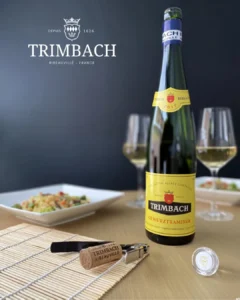
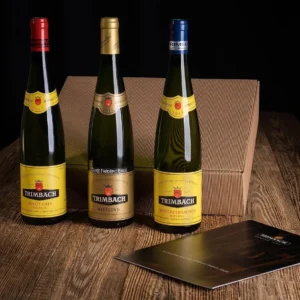
A classic benchmark expression of this style can be seen in Trimbach Gewurztraminer White Wine, known for its structured aromatic clarity and regional character.
Floral Spice Explosion Inside Gewurztraminer White Wine Profile
The defining feature of white wine lies in its signature combination of floral brightness and gentle spice depth. This contrast creates a multi-layered aroma profile that unfolds gradually, closely linked with its gewurztraminer flavour profile.
Floral Character at the Core
The floral layer is often the first impression. It includes soft, perfumed notes that bring a sense of freshness and elegance to the wine profile. These are often described as floral white wine notes that define its aromatic identity.
Common floral impressions include rose-like fragrance and subtle blossom tones that feel naturally expressive. These floral elements give the wine its signature aromatic lift and make it instantly recognizable among other white wine styles.
Warm Spice Undertones
Beneath the floral surface, Gewurztraminer carries a soft spice structure. This is not sharp or overpowering but rather warm and rounded.
Hints of ginger-like warmth and gentle spice tones create depth and balance. This layer adds complexity and keeps the aroma profile evolving as the wine opens.
Fruit-Driven Balance
Supporting the floral and spice layers is a rich fruit profile. The fruit character is often tropical and expressive, with notes that resemble lychee, ripe orchard fruits, and subtle citrus elements.
This fruit backbone ensures that the wine does not feel one-dimensional, adding body and roundness to the overall structure.
Why Gewurztraminer White Wine Has Such Strong Aromatics
The aromatic intensity of Gewurztraminer comes from its natural composition. The grape variety develops higher levels of aromatic compounds compared to many standard white wine grapes.
Several key factors contribute to this:
- Thick grape skin structure, which influences flavour concentration
- Natural aromatic compounds that are highly expressive
- Lower acidity levels that allow aroma to feel more dominant
- Climate influence, especially in cooler growing regions that preserve fragrance
These elements combine to create a wine style where aroma becomes the primary identity.
Texture and Mouthfeel of Gewurztraminer White Wine
Beyond aroma, Gewurztraminer is also known for its distinct texture. It is typically fuller in body compared to many white wines bodied styles.
The mouthfeel tends to feel smooth and slightly rounded, giving a sense of weight on the palate. This texture supports the aromatic intensity, allowing flavours to develop slowly rather than appearing abruptly.
The finish often carries lingering floral and spice impressions, extending the sensory experience beyond the initial sip.
A refined example of this structured texture can also be observed in Trimbach Gewurztraminer White Wine, where balance and aromatic precision are clearly expressed.
Major Regions Producing White Wine Styles
Different regions interpret Gewurztraminer in unique ways, influenced by climate and winemaking approach.
Alsace Region Influence
The Alsace region is widely associated with the most recognized expression of Gewurztraminer. Wines from this area are known for their structured aroma, balance, and clarity of floral spice character.
German Interpretations
In Germany, the style often leans toward lighter structure with a more delicate aromatic expression. The focus remains on fragrance but with a softer overall profile.
Northern Italy Variations
Northern Italian versions can show a drier style with sharper definition between fruit and spice elements, offering a more restrained interpretation.
New World Adaptations
Regions such as California and parts of Australia explore bolder fruit-forward styles, often enhancing tropical notes while maintaining aromatic intensity.
Gewurztraminer White Wine and Food Pairing Harmony
Gewurztraminer is widely appreciated for its ability to interact with diverse culinary styles due to its aromatic depth.
Spiced Cuisine Compatibility
The wine’s natural spice undertone aligns well with flavour-rich dishes that carry heat and complexity. It complements cuisines that use layered spices without overwhelming the palate.
Cheese Pairing Balance
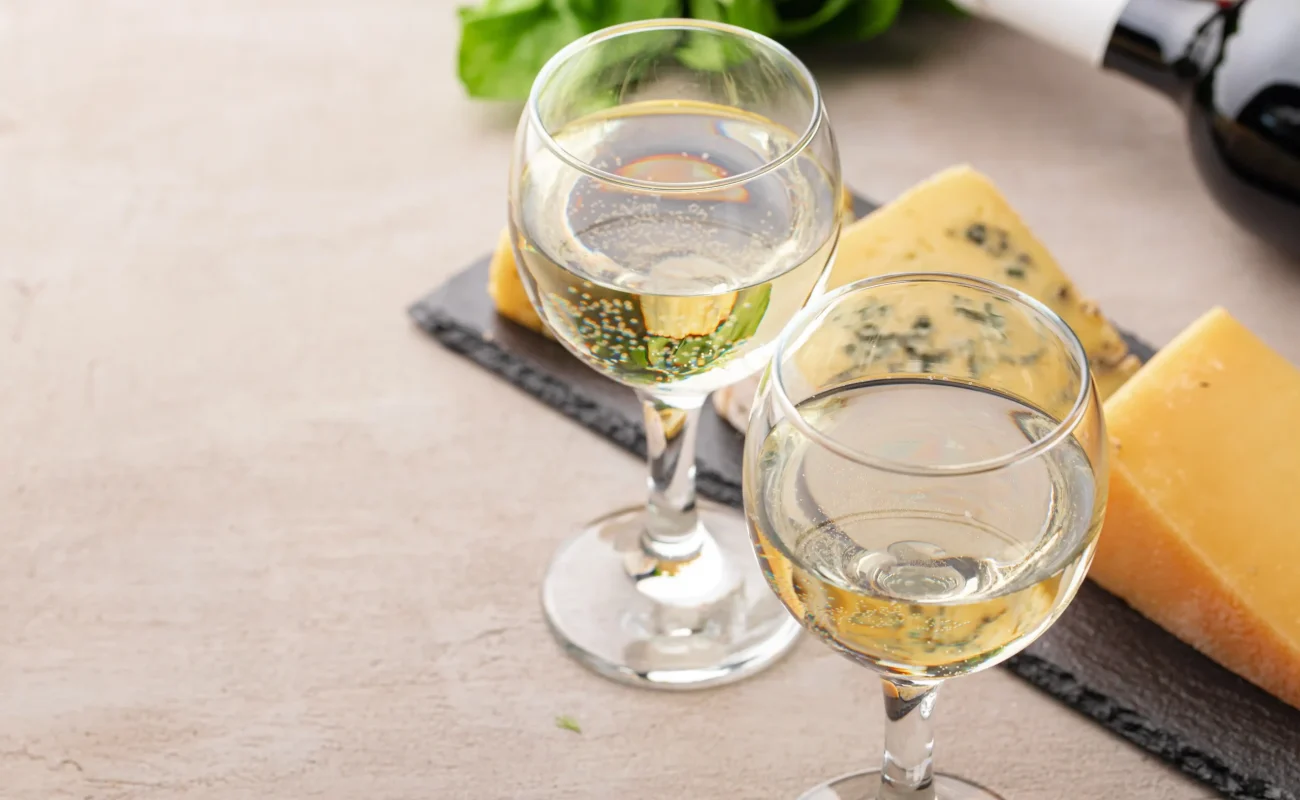
Its aromatic strength pairs effectively with strong-flavoured cheeses, creating contrast between richness and floral freshness.
Savory and Fruity Dishes
The fruit and floral combination allow it to connect with dishes that include sweet and savoury balance, especially those featuring fruit elements or caramelized profiles.
Sweetness Styles Found in Gewurztraminer White Wine
Gewurztraminer exists in multiple style interpretations, ranging from dry to sweet expressions. These variations are often explored in a complete white wine sweetness for understanding style diversity.
Dry versions focus more on spice and structure, while off-dry styles enhance fruit perception. Late harvest expressions emphasize richness and aromatic depth, shifting the balance toward sweetness while retaining floral identity.
Each style changes how the spice and floral layers are perceived, and detailed gewurztraminer tasting notes often highlight these differences clearly.
Serving Style and Sensory Experience Enhancement
The experience of Gewurztraminer is influenced by how it is served and presented.
Cool serving temperatures help maintain aromatic clarity, while appropriate glassware supports aroma concentration. The wine typically performs best when allowed to open gradually, revealing layered complexity over time.
These elements enhance the natural structure without altering its core profile.
Common Misunderstandings About Gewurztraminer White Wine
One common misconception is that Gewurztraminer follows a single flavour pattern. In reality, its expression varies widely depending on region and style.
Another misunderstanding is that it behaves like a standard light white wine. Its aromatic strength and fuller texture place it in a distinct category that does not align with simpler white wine profiles.
It is also often incorrectly associated with a single pairing style, when in fact it adapts across a broad range of culinary contexts.
Why Gewurztraminer White Wine Continues to Stand Out
In modern wine culture, aromatic varieties have gained renewed attention, and Gewurztraminer holds a strong position within this movement.
Its ability to combine floral intensity with spice depth makes it a reference point for expressive white wine design. As consumer interest shifts toward sensory-driven experiences, this style continues to gain relevance across global markets.
Conclusion
Gewurztraminer white wine remains one of the most distinctive styles in the wine category due to its floral spice structure and layered sensory profile.
This guide helps you understand white wine through its structure, aroma, and layered expression. Solis Group focus on bringing clarity between origin, style, and market understanding. Reach out to us for collaboration opportunities built on insight and category understanding.
It moves beyond simplicity, offering complexity that unfolds gradually through aroma, texture, and fruit balance.
FAQs
What defines Gewurztraminer white wine style?
It is defined by intense floral aroma combined with warm spice notes. This makes it one of the most expressive aromatic white wine styles.
Why does Gewurztraminer smell so strong?
It contains high aromatic compounds naturally present in the grape skin. Cool climate growth also helps preserve its powerful fragrance.
What is Gewurztraminer tasting notes like?
It shows rose-like florals, lychee fruit, and gentle spice tones. The profile feels layered rather than linear or sharp.
Is Gewurztraminer a dry or sweet wine?
It can range from dry to off-dry depending on production style. Most versions lean slightly aromatic-sweet rather than fully dry.
What is Gewurztraminer flavour profile known for?
It is known for floral sweetness balanced with spicy undertones. This contrast creates a bold and highly aromatic experience.
Which foods pair best with Gewurztraminer?
It pairs well with spiced dishes and rich flavour-based cuisines. Its aromatic strength balances intense seasoning without losing structure.
What grape varieties white wine is Gewurztraminer compared to?
It is often compared to Riesling for aroma but is less acidic. Compared to Sauvignon Blanc, it is richer and more textured.
What makes Gewurztraminer feel full-bodied?
Lower acidity and thicker grape skin create a round mouthfeel. This results in a smooth, almost oily texture on the palate.
-
 Understanding Pink Gin Texture with Different Temperatures
 -
International Vodka Day Works Beyond Party Stereotypes
-
French Vermouth Styles Hides Herbs in Silky Wine Base
-
Oak Aged Red Wine delivers smoky warm finish
-
Rich Layered Taste Profile Dominates Blanc de Noirs
-
Vodka Taste Differ Even When Recipes Match
-
Craft Beer and Regular Beer gap Starts with Brewing Intent
-
Rare Cellars Hide Grande Champagne Cognac Stories
-
Light and Full-Bodied Sparkling Wines Bring Two Taste Layers
-
Maceration Time impacts Flavour in Pink Gin Styles


-
Christmas Cocktails You Can Make at Home
-
Sound Of Christmas Wine And Cheese?
-
A Fresh Take on New Year’s Resolutions
-
The Art of Smelling Wine Like a True Connoisseur
-
Looking for the Best Wine? Here's Where to Find It!
-
Whiskey on the Rocks — Cool Choice or Flavor Mistake?
-
Read This Before You Buy Your Dad a Whisky.
-
The Art of Pairing Wine with Indian Food
-
The Ingredients & Botanicals That Define Gin
-
Seven Days of Love — Wine for Valentine’s Week







-
Understanding Pink Gin Texture with Different Temperatures
-
International Vodka Day Works Beyond Party Stereotypes
-
French Vermouth Styles Hides Herbs in Silky Wine Base
-
Oak Aged Red Wine delivers smoky warm finish
-
Vodka Taste Differ Even When Recipes Match
-
Light and Full-Bodied Sparkling Wines Bring Two Taste Layers
-
Maceration Time impacts Flavour in Pink Gin Styles
-
Rare Vintage Port Wine Peak Expression of Douro Vineyards
-
Vodka and Wine showed Two Worlds of Aroma
-
Whiskey Colour Spectrum from Pale Gold to Ebony Depths