
Whiskey Colour Spectrum from Pale Gold to Ebony Depths
Whiskey is often evaluated the moment it is poured, even before tasting begins. The colour creates the first impression and shapes expectations instantly. From soft pale gold tones to deep ebony shades, every variation reflects time spent in oak, barrel influence, and aging environment. Understanding this visual range helps decode what sits inside the glass in a simple and structured way.
This guide explains how whiskey colour spectrum develops, what each stage indicates, and how the full spectrum reflects craftsmanship and maturation style.
Understanding The Whiskey Colour Spectrum
The whiskey colour spectrum represents the full range of natural shades formed after distillation and maturation. The spirit begins as a clear liquid and gradually transforms as it interacts with oak barrels over time.
This transformation is not accidental. It depends on wood type, barrel char level, climate, and duration of aging. Each factor contributes to a unique visual identity.
Key visual stages include:
- Light tones from minimal wood contact
- Medium shades from balanced aging
- Dark hues from deep barrel interaction
Pale Gold Whiskey and Its Light Beginning
Pale gold whiskey reflects the earliest visible stage of barrel influence. The colour stays light because the spirit has limited exposure to oak, keeping its appearance delicate and clean.
What Shapes This Colour
- Shorter maturation periods
- Gentle oak extraction
- Light barrel toasting levels
Visual Character
- Soft golden reflection
- Light-bodied appearance
- Subtle aromatic impressions
This stage often represents clarity and freshness before deeper aging begins.
Straw And Light-Yellow Whiskey in Early Development
At this stage, whiskey begins to show mild interaction with wood. The colour slightly deepens, marking the start of transformation.
How Colour Evolves
- Early oak absorption
- Light caramel development
- Gradual tone warming
What It Indicates
- Early complexity formation
- Soft vanilla hints
- Gentle sweetness structure
Golden Whiskey as Balanced Core Stage
Golden tones represent a stable and well-balanced phase in maturation. The spirit and wood interaction reach harmony at this level.
Why Golden Shades Appear
- Controlled aging conditions
- Balanced oxidation process
- Steady wood integration
What The Colour Suggests
- Smooth visual warmth
- Structured character
- Harmonized grain and oak influence
Amber Whiskey and Rising Depth
At this stage, richness becomes more visible whiskey flavour notes are often associated with deeper barrel interaction and stronger character development.
How Amber Colour Forms
- Longer barrel contact
- Higher extraction of wood compounds
- Gradual oxidation inside casks
Sensory Indicators
- Caramel depth increases
- Spiced layers become visible
- Fuller visual density
In certain blended expressions like Scallywag Speyside Blended Malt Scotch Whisky, this amber tone reflects layered maturation complexity without overpowering heaviness.
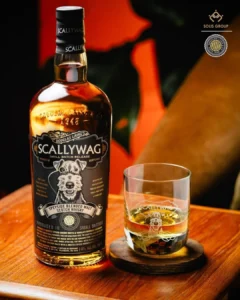
Copper And Dark Amber Whiskey Colour Spectrum with Strong Maturation
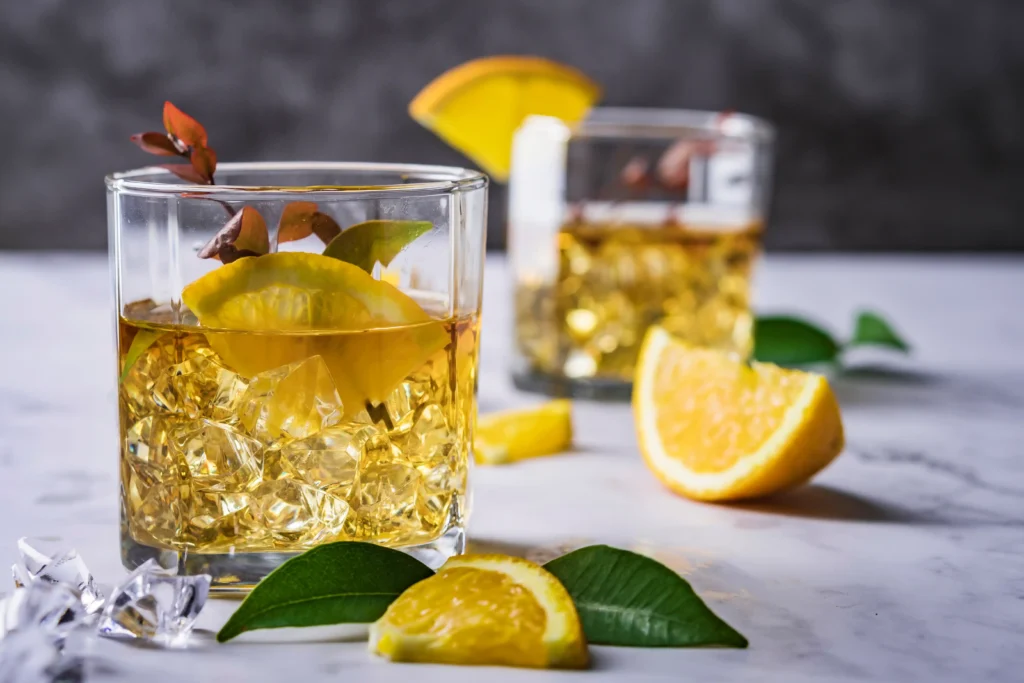
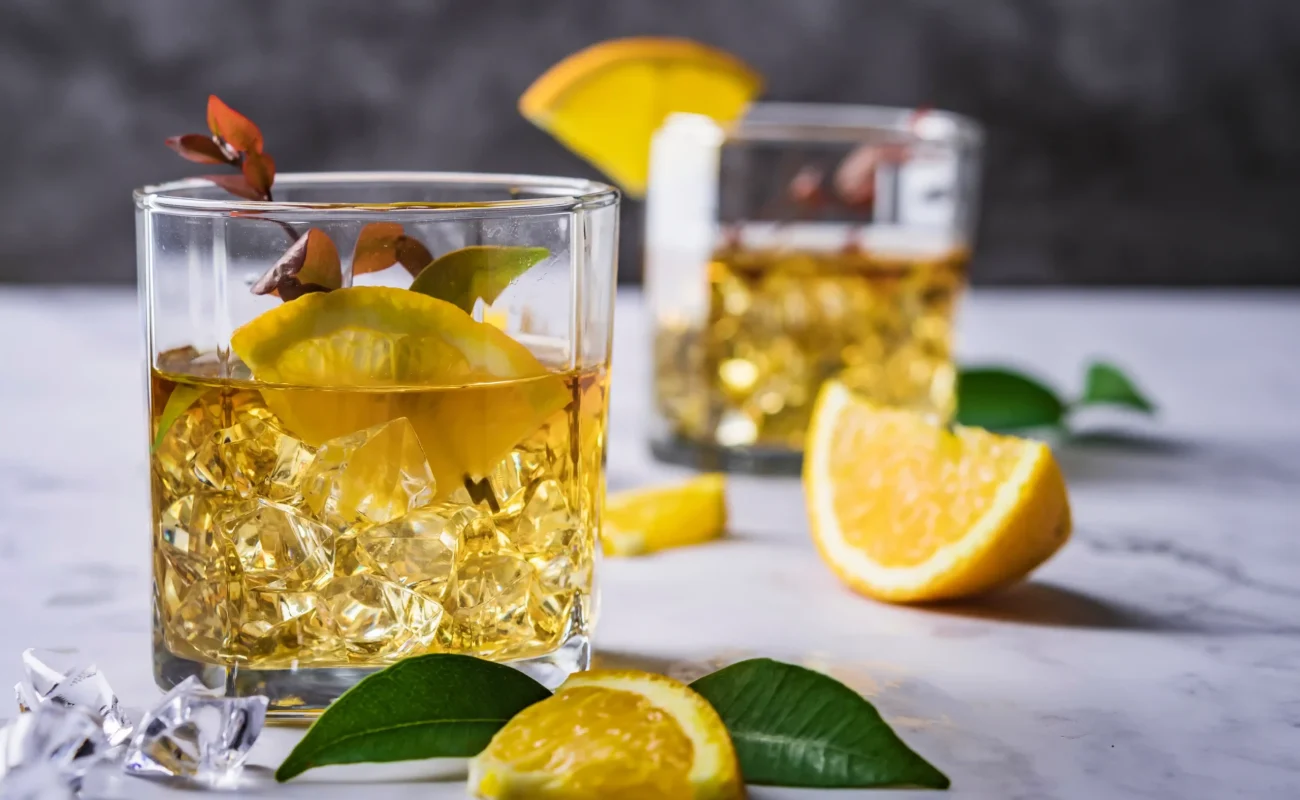
Copper and dark amber shades reflect intensified aging influence. The colour becomes richer as wood compounds deepen over time.
What Drives This Shade
- Extended aging cycles
- Charred oak influence
- Specialty cask finishing
What It Represents
- Dried fruit richness
- Warm spice undertones
- Dense visual body
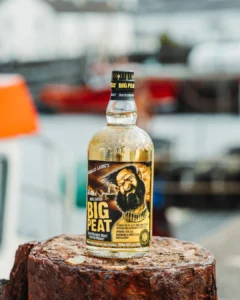
Expressions such as Big Peat Islay Blended Malt Scotch Whisky often show deeper tonal intensity shaped by peat and oak interaction, creating a bold visual profile.
Mahogany Whiskey Colour Spectrum and Deep Extraction Stage
Mahogany whiskey represents a deeper stage of maturation where colour becomes dark, warm, and highly concentrated.
Why Mahogany Appears
- Long aging in oak barrels
- Strong wood-to-spirit interaction
- High extraction of tannins and sugars
Visual Impression
- Deep brown richness
- Chocolate-like undertones
- Strong structural depth
At this level, blends like Scallywag Speyside Blended Malt Scotch Whisky can also show richer mahogany tones depending on cask influence and aging style.
Ebony Whiskey and Maximum Depth Expression
Ebony tones sit at the far end of the spectrum. The whiskey appears nearly black due to extended aging and intense barrel influence.
What Creates Ebony Colour
- Very long maturation
- Heavy charred oak interaction
- Concentrated wood compounds
Visual Traits
- Near-black appearance
- Dense liquid texture
- Strong depth perception in glass
Key Factors Behind Whiskey Colour Spectrum Development
Whiskey colour is shaped through controlled environmental and production elements.
Oak Aging Influence
The oak aging whiskey colour process plays a central role in building tone and depth over time.
Barrel Type and Toast Level
Different oak species and char levels directly influence shade intensity.
Aging Duration and Climate
Longer aging and varying temperatures affect how deeply colour develops.
Cask Finishing Impact
Wine, sherry, or specialty cask finishes add layered tones.
Why Whiskey Colour Spectrum Does Not Define Overall Character
Colour offers visual insight but does not determine full quality or complexity. Light and dark expressions can both carry depth depending on balance and craftsmanship.
Key understanding points:
- Colour is only one visual indicator
- Aging style matters more than shade
- Balance defines overall structure
How Environment Changes Whiskey Appearance
External conditions influence how whiskey colour is perceived.
Lighting Effects
Natural light enhances golden tones while artificial light deepens darker shades.
Glass Shape Influence
Wide or narrow glasses change reflection and visual density.
Viewing Position
Small angle changes can alter perceived tone intensity.
Reading Whiskey Colour Using a Practical Whiskey Colour Guide
A structured whiskey colour guide helps interpret visual cues more clearly.
Simple observation approach:
- Check clarity against neutral background
- Observe tone transition from rim to base
- Note viscosity during swirling
- Identify warmth or depth in shade
This helps understand aging style and barrel influence visually.
Conclusion
Whiskey colour represents a journey shaped by time, oak, and environment. From pale gold beginnings to ebony depth, each stage reflects a different level of maturation and character development.
Understanding the whiskey colour spectrum helps decode craftsmanship beyond the surface. At Solis Group, we engage with evolving spirits landscapes to support informed business decisions. Connect with us to explore how thoughtful curation can align with your growth journey.
Understanding this spectrum allows a clearer reading of what lies inside the glass, turning appearance into a meaningful visual story.
FAQs
What does pale gold whiskey indicate about aging?
Pale gold reflects minimal barrel interaction and shorter maturation periods. It highlights early-stage spirit where oak influence remains light and controlled.
How does straw-coloured whiskey differ from pale gold?
Straw tones show slightly deeper oak contact than pale gold. This stage signals the beginning of flavour structure and mild sweetness development.
Why is golden whiskey considered a balanced stage?
Golden colour forms when spirit and oak reach stable integration. It represents controlled aging with harmony between grain character and wood influence.
What causes whiskey to develop an amber colour?
Amber tones result from extended barrel contact and oxidation. This stage reflects increased extraction of caramelized compounds from oak.
Does darker whiskey always mean older whiskey?
Not necessarily, as colour depends on cask type and char level too. A heavily charred barrel can create darker tones even in shorter aging periods.
What defines copper or dark amber whiskey visually?
These shades indicate intensified wood interaction and deeper extraction. They often show higher concentration of spice and matured structural depth.
How does mahogany whiskey develop its deep tone?
Mahogany colour forms through long-term aging and high tannin extraction. It reflects strong wood influence with dense, concentrated visual richness.
How do barrel types influence whiskey colour differences?
Different oak species and cask histories alter extraction levels significantly. Sherry or wine casks add darker, richer tones compared to standard oak barrels.
-
 Understanding Pink Gin Texture with Different Temperatures
 -
International Vodka Day Works Beyond Party Stereotypes
-
French Vermouth Styles Hides Herbs in Silky Wine Base
-
Oak Aged Red Wine delivers smoky warm finish
-
Rich Layered Taste Profile Dominates Blanc de Noirs
-
Vodka Taste Differ Even When Recipes Match
-
Craft Beer and Regular Beer gap Starts with Brewing Intent
-
Rare Cellars Hide Grande Champagne Cognac Stories
-
Light and Full-Bodied Sparkling Wines Bring Two Taste Layers
-
Maceration Time impacts Flavour in Pink Gin Styles


-
Christmas Cocktails You Can Make at Home
-
Sound Of Christmas Wine And Cheese?
-
A Fresh Take on New Year’s Resolutions
-
The Art of Smelling Wine Like a True Connoisseur
-
Looking for the Best Wine? Here's Where to Find It!
-
Whiskey on the Rocks — Cool Choice or Flavor Mistake?
-
Read This Before You Buy Your Dad a Whisky.
-
The Art of Pairing Wine with Indian Food
-
The Ingredients & Botanicals That Define Gin
-
Seven Days of Love — Wine for Valentine’s Week




-
Understanding Pink Gin Texture with Different Temperatures
-
International Vodka Day Works Beyond Party Stereotypes
-
French Vermouth Styles Hides Herbs in Silky Wine Base
-
Oak Aged Red Wine delivers smoky warm finish
-
Vodka Taste Differ Even When Recipes Match
-
Light and Full-Bodied Sparkling Wines Bring Two Taste Layers
-
Maceration Time impacts Flavour in Pink Gin Styles
-
Rare Vintage Port Wine Peak Expression of Douro Vineyards
-
Vodka and Wine showed Two Worlds of Aroma
-
Whiskey Colour Spectrum from Pale Gold to Ebony Depths