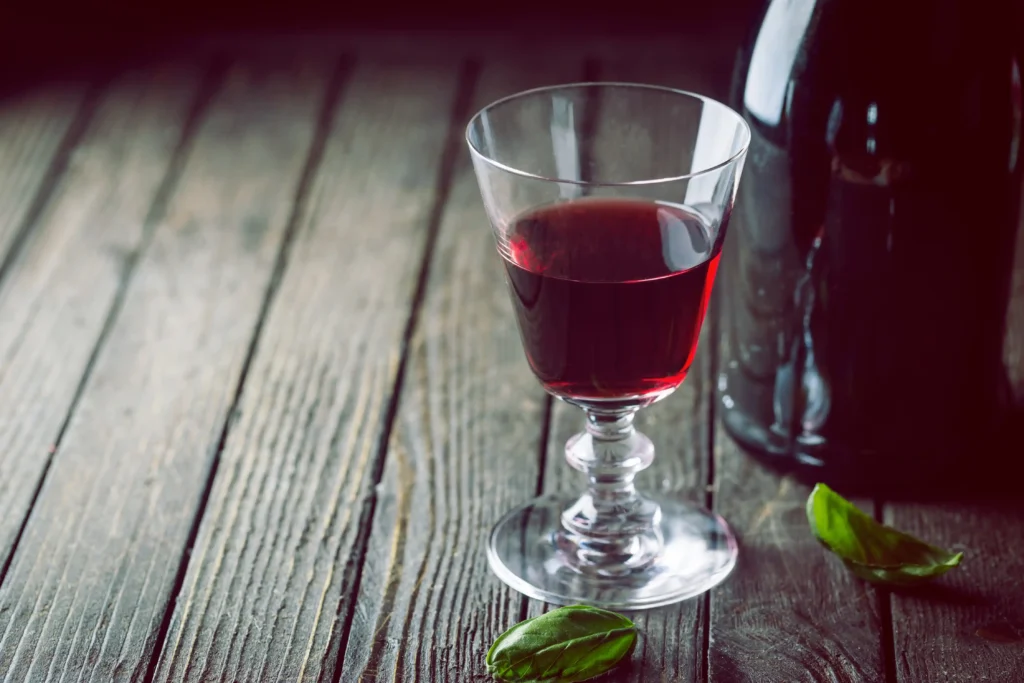


Vermouth styles broken down by taste impact not wine Language
Vermouth is often described using wine-heavy language that feels technical and hard to follow. That confusion usually hides a simple truth: vermouth styles are easy to understand when you focus on taste, texture, and how they behave in a mix.
At its core, vermouth is a fortified wine infused with botanicals like herbs, spices, roots, and peels. What makes one style different from another is not complexity in language, but differences in sweetness, intensity, and flavour direction. This also makes it easier to understand different types of vermouth without diving into technical terms.
This guide works as a simple vermouth taste guide, breaking down popular styles in a clear, practical way so you can recognize them without relying on complicated terminology.
What Defines Popular Vermouth Styles
Every vermouth style is shaped by a few core elements. Once you understand these, everything becomes easier to identify.
- Sweetness Level
This is the biggest differentiator.
- Dry styles have little to no sweetness
- Sweet styles feel round and rich
- Some styles sit between the two
Understanding dry vs sweet vermouth starts from this exact point.
- Flavour Profile
The botanicals create the personality:
- Herbal and green
- Warm and spiced
- Floral and light
- Bitter and sharp
These variations form the base of all vermouth flavour notes your experience.
- Texture and Weight
Some vermouths feel light and crisp, while others feel fuller and smoother.
- Colour Is Not the Main Indicator
Clear, pale, or dark shades often reflect production choices, not just taste. Relying only on colour can lead to wrong assumptions when identifying types of vermouth.
Dry Vermouth Explained in Simple Terms
Dry vermouth is known for its clean and sharp profile.
What It Tastes Like
- Crisp and refreshing
- Light bitterness
- Subtle herbal notes
This is the classic dry vermouth taste profile most people recognize.
How It Feels
- Light-bodied
- Quick finish
- Not sweet
Flavour Cues to Recognize
- Citrus peel
- Fresh herbs
- Slight mineral edge
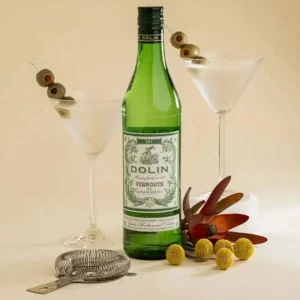
These are key vermouth flavour notes found in dry styles. A well-known reference point for this profile is Dolin Dry Vermouth, which reflects the crisp and herbal direction typical of the style.
When It Works Best
Dry vermouth fits situations where a lighter, cleaner profile is needed. It supports other ingredients instead of dominating them.
Sweet Vermouth Styles Made Easy to Understand
Sweet vermouth brings depth and warmth into the mix.
What It Tastes Like
- Mild sweetness
- Herbal complexity
- Warm spice tones
These are classic sweet vermouth flavour notes that define the style.
How It Feels
- Smooth and rounded
- Fuller body compared to dry styles
Flavour Cues
- Caramel-like notes
- Clove and cinnamon hints
- Dark herbal layers
Where It Fits
Sweet vermouth is often used when a richer, more layered base is needed. It also helps clearly distinguish dry vs sweet vermouth in practical use.
Bianco Vermouth Styles and Their Balanced Profile
Bianco vermouth sits between dry and sweet styles, offering a more approachable balance.
What It Tastes Like
- Light sweetness
- Soft herbal notes
- Gentle floral touch
How It Feels
- Smooth but not heavy
- Balanced and easy
Flavour Cues
- Vanilla
- Light citrus
- Floral hints
This helps clarify the Bianco vermouth meaning in simple terms. A classic expression of this balanced style can be seen in Dolin Blanc Vermouth, known for its soft and slightly sweet profile.
Why It Stands Out
Bianco vermouth is useful when you want something softer than dry but not as deep as sweet styles.

Rosso Vermouth Styles and Their Deeper Character
Rosso vermouth is often grouped with sweet vermouth, but it carries a more intense profile.
What It Tastes Like
- Rich and slightly bitter
- More layered than standard sweet styles
How It Feels
- Fuller and more structured
Flavour Cues
- Cocoa notes
- Dark spices
- Bitter herbs
These deeper layers extend beyond basic sweet vermouth flavour notes.
Where It Fits
Rosso styles work well in stronger mixes where deeper flavours are needed to balance bold ingredients.
Extra Dry Vermouth Styles and Their Sharp Edge
Extra dry vermouth pushes the dry style even further.
What It Tastes Like
- Very low sweetness
- Noticeable bitterness
- Crisp and direct
This is a sharper extension of the dry vermouth taste profile.
How It Feels
- Lean and sharp
- Minimal body
Who Prefers This Style
Those who enjoy clean, no-sweetness profiles often lean toward extra dry styles.
Modern Vermouth Styles Changing Expectations
Recent years have introduced new approaches to vermouth production.
What Is Different
- Use of regional botanicals
- Variation in sweetness levels
- More expressive base wines
How They Taste
- Less predictable
- More diverse in flavour direction
This evolution expands the modern vermouth taste guide beyond traditional styles.
Why They Matter
Modern styles expand the category beyond traditional definitions, offering more choice without changing the basics.
Popular Vermouth Styles Comparison Made Simple
Instead of complex descriptions, this quick comparison makes it easier:
- Dry → crisp, light, slightly bitter
- Extra Dry → sharper, minimal sweetness
- Bianco → soft, lightly sweet, floral
- Sweet → smooth, warm, spiced
- Rosso → deeper, richer, slightly bitter
This simplified view reinforces key vermouth flavour notes across styles.
How to Choose the Right Vermouth Style Easily
Choosing the right style becomes simple when you focus on taste preference.
Based on Flavour Preference
- Prefer fresh and sharp → Dry or Extra Dry
- Prefer smooth and balanced → Bianco
- Prefer rich and deep → Sweet or Rosso
Based on Mix Intensity
- Light mixes → Dry or Bianco
- Stronger profiles → Sweet or Rosso
Based on Overall Experience
- Lighter feel → Dry styles
- Fuller feel → Sweet styles
This approach makes understanding Bianco vermouth meaning and other styles more practical.
Common Mistakes with Vermouth Styles
Understanding what to avoid is just as important.
- Treating all vermouth as identical
- Choosing based only on colour
- Ignoring sweetness level
- Using the wrong style for the desired flavour balance
- Overlooking how much the style influences the final taste
Conclusion
Vermouth styles are not complicated when viewed through the right lens. The key is to focus on how they taste and how they feel, rather than technical descriptions.
A simple approach works best:
- Identify sweetness level
- Notice flavour direction
- Match the style with the desired balance
A deeper grasp of vermouth styles helps shape better product choices and positioning.
Solis Group collaborates with partners to bring thoughtfully selected wine and spirits into evolving markets. Start a conversation to see how your business can expand with the right direction.
Once these basics are clear, vermouth becomes easier to understand and use without confusion.
FAQs
What are the main types of vermouth?
Dry, sweet, Bianco, rosso, and extra dry are the core styles. Each differs mainly in sweetness, flavour depth, and how it balances other ingredients.
How does dry vermouth taste compared to sweet vermouth?
Dry vermouth is crisp, light, and slightly bitter. Sweet vermouth is richer, smoother, and carries warm spice notes.
What makes Bianco vermouth different from other styles?
Bianco sits between dry and sweet, offering light sweetness with floral and vanilla tones. It feels softer without becoming heavy.
Is rosso vermouth the same as sweet vermouth?
Rosso is often categorized as sweet but has deeper, slightly bitter layers. It delivers more intensity and complexity than standard sweet styles.
Does vermouth colour indicate its taste?
Colour gives a rough idea but is not reliable alone. Taste depends more on sweetness and botanical composition than appearance.
When should you use dry vermouth instead of sweet?
Dry vermouth works best when a clean, sharp profile is needed. It keeps drinks light without adding noticeable sweetness.
What defines the flavour notes in vermouth?
Flavour notes come from infused botanicals like herbs, spices, and roots. These create herbal, floral, bitter, or spiced characteristics.
Are modern vermouth styles very different from classic ones?
Modern styles experiment with ingredients and sweetness levels. They expand flavour variety while still following the same basic structure.
-
 French Vermouth Styles Hides Herbs in Silky Wine Base
 -
Oak Aged Red Wine delivers smoky warm finish
-
Rich Layered Taste Profile Dominates Blanc de Noirs
-
Vodka Taste Differ Even When Recipes Match
-
Craft Beer and Regular Beer gap Starts with Brewing Intent
-
Rare Cellars Hide Grande Champagne Cognac Stories
-
Light and Full-Bodied Sparkling Wines Bring Two Taste Layers
-
Maceration Time impacts Flavour in Pink Gin Styles
-
Rare Vintage Port Wine Peak Expression of Douro Vineyards
-
Vodka and Wine showed Two Worlds of Aroma







-
Christmas Cocktails You Can Make at Home
-
Sound Of Christmas Wine And Cheese?
-
A Fresh Take on New Year’s Resolutions
-
The Art of Smelling Wine Like a True Connoisseur
-
Looking for the Best Wine? Here's Where to Find It!
-
Read This Before You Buy Your Dad a Whisky.
-
Whiskey on the Rocks — Cool Choice or Flavor Mistake?
-
The Art of Pairing Wine with Indian Food
-
The Ingredients & Botanicals That Define Gin
-
Seven Days of Love — Wine for Valentine’s Week








-
French Vermouth Styles Hides Herbs in Silky Wine Base
-
Oak Aged Red Wine delivers smoky warm finish
-
Vodka Taste Differ Even When Recipes Match
-
Light and Full-Bodied Sparkling Wines Bring Two Taste Layers
-
Maceration Time impacts Flavour in Pink Gin Styles
-
Rare Vintage Port Wine Peak Expression of Douro Vineyards
-
Vodka and Wine showed Two Worlds of Aroma
-
Whiskey Colour Spectrum from Pale Gold to Ebony Depths
-
Gewurztraminer White Wine Reveals Floral Spice Magic
-
Pinot Noir and Merlot aroma notes mapped to clear flavours