
One Sip Test Reveals Sweet and Dry Vermouth Flavour Gap
Set two glasses next to each other one with sweet vermouth and the other with dry vermouth. A single sip from each instantly shows a clear contrast.
One feels smooth and layered. The other feels light and sharply defined. This contrast shapes how each style is experienced in terms of taste, aroma, and structure.
Grasping the difference between Sweet and Dry Vermouth starts with this simple comparison. Once recognized, every detail becomes easier to identify, especially when exploring vermouth flavour differences and understanding vermouth taste in real tasting situations.
What Is Vermouth and Why Style Matters
Vermouth is a fortified wine infused with a mix of botanicals such as herbs, spices, roots, and citrus elements. These ingredients build its complex identity.
The main factor that separates styles is sweetness. This single element influences flavour intensity, texture, and finish.
Because of this, comparing Sweet and Dry Vermouth becomes essential. It also forms the basis of any structured vermouth tasting guide.
A Simple Way to Compare Sweet and Dry Vermouth
A side-by-side tasting clearly highlights the distinction.
Begin with dry vermouth. The first sip feels crisp, slightly bitter, and herbal. The finish is short and clean.
Next, taste sweet vermouth. It feels fuller, smoother, and gently sweet. The flavours expand across the palate and linger longer.
This quick method makes the contrast obvious. Dry vermouth emphasizes clarity and edge, while sweet vermouth delivers depth and softness core vermouth flavour differences that define the category.
Sweet and Dry Vermouth Key Flavour Differences
Sweetness Level and Its Impact
Sweet vermouth includes added sugar, which creates a rounded and smooth profile.
Dry vermouth contains minimal sugar, resulting in a leaner and sharper taste.
This difference shapes the overall structure. Sweetness adds weight, while dryness enhances precision. Styles like Dolin Rouge Vermouth highlight classic sweet vermouth with a smooth, rounded profile and layered notes of spice, herbs, and subtle sweetness.
Its balanced richness highlights the depth typically found in a well-structured sweet vermouth style.
Botanical Expression in Sweet and Dry Vermouth
Both styles rely on botanicals, yet their expression varies.
Sweet vermouth often leans toward warm and deep notes such as spice and subtle sweetness. This defines the sweet vermouth flavour profile.
Dry vermouth highlights lighter elements like herbs, citrus, and floral tones. This shapes the dry vermouth flavour profile. The result is a contrast between richness and freshness.
Bitterness and Balance
Bitterness is a natural part of vermouth due to key botanicals. In sweet vermouth, sweetness softens this bitterness and creates a balanced feel.
In dry vermouth, bitterness is more noticeable and contributes to a sharper finish. This creates a clear distinction in structure and perception.
Mouthfeel and Texture Differences
Texture influences how each style feels on the palate. Sweet vermouth has a fuller, smoother body with a slightly heavier feel.
Dry vermouth is lighter and more fluid, offering a clean and quick finish. This variation comes mainly from sugar levels and overall composition.
Aroma and First Impression
Aroma plays a key role before tasting even begins. Sweet vermouth tends to show warm, rich scents with hints of spice and depth.
Dry vermouth presents brighter and fresher aromas, often herbal or citrus-driven. These contrasts highlight clear vermouth aroma differences.
These sensory cues also help answer what is vermouth taste like from an aromatic perspective.
When to Choose Sweet and Dry Vermouth
Sweet vermouth suits situations where richness and roundness are needed. Dry vermouth works best when a clean and crisp structure is desired.
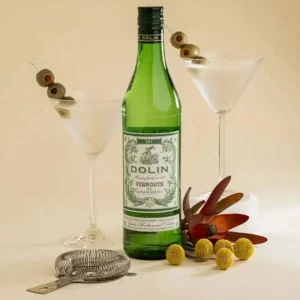
The choice depends on the intended flavour direction, often guided by a well-structured vermouth tasting guide. Classic Styles like Dolin Dry Vermouth illustrate how these styles differ in real tasting contexts. A light, crisp vermouth with delicate herbal and floral notes supported by a clean, dry finish. Its refined profile showcases the clarity and precision expected from a traditional dry vermouth.
Visual Differences Between Sweet and Dry Vermouth
Appearance offers helpful clues about style.
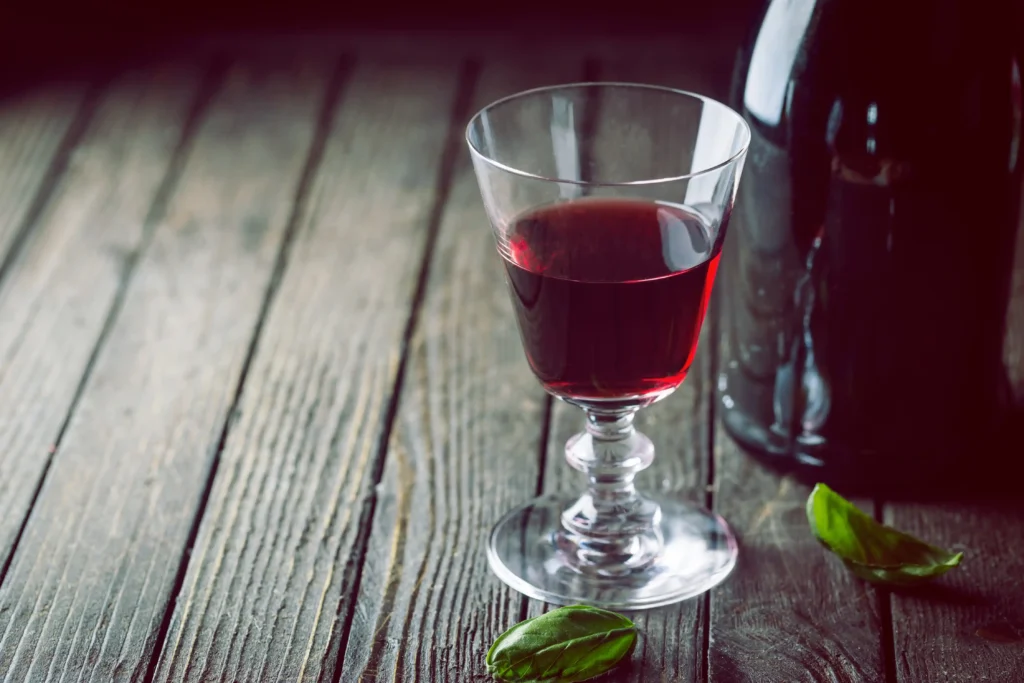
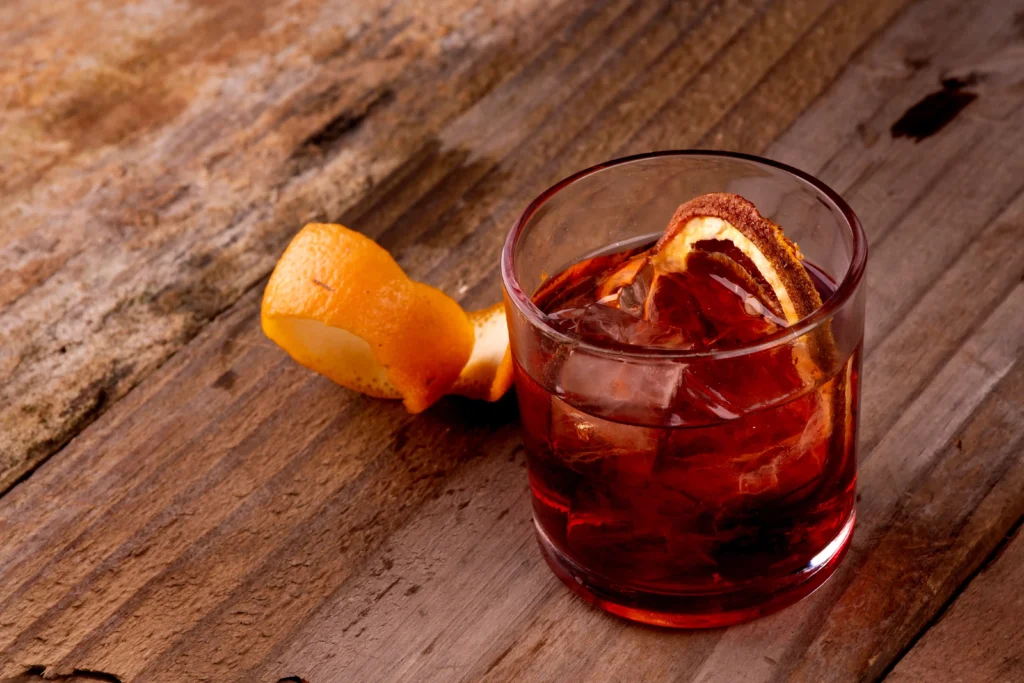
Sweet vermouth is usually darker, ranging from amber to deep red due to caramel or botanical influence. Dry vermouth appears pale and clear, reflecting its lighter and fresher structure.
How Each Style Develops on the Palate
Sweet vermouth begins with a smooth and sweet entry. The middle brings layered spice and herbal notes, followed by a gentle bitter finish.
Dry vermouth starts crisp and direct. The mid-palate reveals herbal vermouth complexity, ending with a clean and slightly bitter finish.
These progressions highlight how structure defines the tasting experience.

Why the Sweet and Dry Vermouth Difference Matters
The difference extends beyond taste and affects how each style interacts with other ingredients.
Sweet vermouth contributes depth and softness, which explains the role of sweet vermouth in cocktails.
Dry vermouth brings clarity and structure, shaping how dry vermouth in cocktails behaves in a mix. Switching between the two changes the balance completely.
Common Misconceptions About Sweet and Dry Vermouth
A common assumption is that all vermouth tastes similar. A simple comparison proves otherwise.
Another belief is that dry vermouth lacks character. In reality, its flavours are more subtle and require attention.
It is also often thought that sweet vermouth only adds sweetness, while it actually contributes depth and complexity.
Conclusion
The difference between Sweet and Dry Vermouth goes far beyond sugar content. It shapes aroma, texture, bitterness, and overall balance.
A single sip makes the contrast clear. Once understood, each style becomes easier to recognize and appreciate.
For businesses exploring refined wine and spirit selections, the right sourcing approach shapes long-term value. Solis Group supports partners with curated portfolios aligned to evolving category demand. Start a conversation that can open pathways to more structured and scalable growth.
Sweet vermouth offers depth and smoothness. Dry vermouth delivers clarity and sharpness, reinforced by distinct vermouth aroma differences.
FAQs
What is the main difference between sweet and dry vermouth?
Sweet vermouth contains added sugar, creating a richer and smoother taste. Dry vermouth has minimal sugar, resulting in a lighter, sharper, and more herbal profile.
How does sweet vermouth taste on the first sip?
It delivers a soft, rounded entry with noticeable sweetness and warm spice notes. The flavour spreads across the palate and lingers with mild bitterness.
How does dry vermouth taste on the first sip?
It feels crisp and direct with herbal and slightly bitter notes upfront. The finish is clean, short, and more structured than sweet vermouth.
Why does dry vermouth feel more bitter?
Without added sugar, bitterness from botanicals remains more exposed. This creates a sharper more defined finish compared to sweet vermouth.
What botanicals stand out in sweet vermouth?
Warm spices like clove, vanilla, and deeper herbal notes are more noticeable. These create a layered and rounded flavour profile.
What botanicals are prominent in dry vermouth?
Lighter elements such as citrus peel, floral notes, and fresh herbs dominate. These give it a brighter and more refreshing character.
Why does sweet vermouth feel thicker than dry vermouth?
Higher sugar content increases viscosity and creates a fuller mouthfeel. Dry vermouth lacks this weight, making it feel lighter and more fluid.
Can sweet and dry vermouth be swapped easily?
Swapping them changes the balance of sweetness, bitterness, and texture. This alters the intended flavour structure rather than making a small adjustment.
-
 Rich Layered Taste Profile Dominates Blanc de Noirs
 -
Vodka Taste Differ Even When Recipes Match
-
Craft Beer and Regular Beer gap Starts with Brewing Intent
-
Rare Cellars Hide Grande Champagne Cognac Stories
-
Light and Full-Bodied Sparkling Wines Bring Two Taste Layers
-
Maceration Time impacts Flavour in Pink Gin Styles
-
Rare Vintage Port Wine Peak Expression of Douro Vineyards
-
Vodka and Wine showed Two Worlds of Aroma
-
Whiskey Colour Spectrum from Pale Gold to Ebony Depths
-
Gewurztraminer White Wine Reveals Floral Spice Magic







-
Christmas Cocktails You Can Make at Home
-
Sound Of Christmas Wine And Cheese?
-
A Fresh Take on New Year’s Resolutions
-
The Art of Smelling Wine Like a True Connoisseur
-
Looking for the Best Wine? Here's Where to Find It!
-
Read This Before You Buy Your Dad a Whisky.
-
Whiskey on the Rocks — Cool Choice or Flavor Mistake?
-
The Art of Pairing Wine with Indian Food
-
The Ingredients & Botanicals That Define Gin
-
Seven Days of Love — Wine for Valentine’s Week






-
Vodka Taste Differ Even When Recipes Match
-
Light and Full-Bodied Sparkling Wines Bring Two Taste Layers
-
Maceration Time impacts Flavour in Pink Gin Styles
-
Rare Vintage Port Wine Peak Expression of Douro Vineyards
-
Vodka and Wine showed Two Worlds of Aroma
-
Whiskey Colour Spectrum from Pale Gold to Ebony Depths
-
Gewurztraminer White Wine Reveals Floral Spice Magic
-
Pinot Noir and Merlot aroma notes mapped to clear flavours
-
Vermouth styles broken down by taste impact not wine Language
-
Gin ABV Clarity Leads to More Confident Gin Selection