
World Malbec Day Honors Malbec Depth Over Reds
Wine lovers often take time to explore what makes certain varieties truly distinctive. World Malbec Day goes beyond a simple date on the calendar it celebrates a wine known for its depth, rich colour, and unmistakable character.
Malbec is often described as darker and bolder than classic red wines, but those words go beyond appearance. They reflect a combination of grape structure, growing conditions, and winemaking choices that together create a distinct sensory experience of Malbec wine. This article explores that uniqueness in depth, focusing on knowledge rather than trends.
Origins Behind Malbec’s Bold Identity on World Malbec Day
Malbec did not begin as a global icon. Its roots lie in southwestern France, particularly in regions where it was traditionally used for blending. In those early days, it contributed colour and structure to wines rather than taking centre stage.
Its transformation began when it found a new home in Argentina. The high-altitude vineyards, intense sunlight, and dry climate allowed the grape to ripen fully. This shift changed everything. Malbec developed deeper colour, richer fruit expression, and a smoother texture shaping its Malbec flavour profile.
Today, World Malbec Day reflects that journey from a supporting role in Europe to a defining varietal recognized worldwide.
The Role of Terroir in Shaping Malbec’s Character
The environment where grapes grow often referred to as terroir plays a major role in defining Malbec’s personality.
In high-altitude regions, cooler nights and intense sunlight help preserve acidity while allowing full ripeness. This leads to wines that are both vibrant and rich.
In contrast, Malbec grown in traditional European regions may show more earthy and structured characteristics.
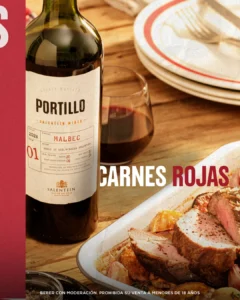
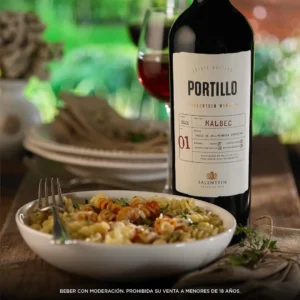
Despite these variations, Malbec consistently retains its core identity: depth, colour, and bold flavour typical of Malbec wine. A well-known expression such as Portillo Malbec Red Wine reflects how these environmental factors translate into approachable yet character-driven styles.
What Makes Malbec Visually Darker Than Classic Red Wines
One of the first things people notice about Malbec is its deep, inky colour. This is not accidental. It comes from high levels of natural pigments found in the grape skins.
Compared to lighter red wines like Pinot Noir, which often show a translucent ruby tone, Malbec appears almost opaque. Even alongside medium-bodied wines like Merlot, Malbec stands out for its intensity.
This darker appearance is influenced by:
- Thick grape skins
- High concentration of colour compounds
- Optimal ripening conditions
The result is a wine that immediately signals depth before it is even tasted.
Why Malbec Tastes Bolder Than Other Red Wines
Malbec’s boldness is most evident in its flavour profile. It leans heavily toward dark fruit characteristics, often expressing notes such as blackberry, plum, and black cherry. These Flavors feel fuller and more concentrated compared to the red fruit tones found in many classic wines.
Beyond fruit, Malbec often carries subtle layers of cocoa, spice, and earthy undertones. These elements add complexity without overwhelming the palate, forming distinct Malbec taste notes.
Another factor is body. Malbec typically feels like a full-bodied red wine, creating a sense of richness. This combination of strong flavour and full texture is what defines its bold nature.
How Malbec Maintains Smoothness
Bold wines are often associated with heaviness, but Malbec offers a different experience. Despite its intensity, it is known for relatively smooth tannins.
Tannins are compounds that create a drying sensation in the mouth. In wines like Cabernet Sauvignon, they can feel firm and structured. Malbec, on the other hand, tends to have softer tannins, which makes it feel more approachable.
This balance intensity without harshness is a key reason why Malbec appeals to a wide range of wine drinkers. It delivers depth while remaining easy to explore.
How Malbec Differs from Other Classic Red Wines in Detail
Understanding Malbec becomes clearer when compared directly with other well-known red wines in a red wine comparison guide.
Malbec vs Cabernet Sauvignon
Cabernet Sauvignon is known for strong tannins and structured aging potential. Malbec is generally softer, with a fruit-forward profile that feels more immediate. While both can be bold, Malbec emphasizes richness over rigidity, making Malbec vs Cabernet Sauvignon an important distinction.
Malbec vs Merlot
Merlot is often smoother and lighter in expression, with softer fruit notes. Malbec, while also smooth, offers deeper colour and more intense dark fruit flavours, giving it a stronger presence in Malbec vs Merlot comparisons.
Malbec vs Pinot Noir
Pinot Noir is delicate, with lighter body and brighter acidity. Malbec stands in contrast with its fuller body, darker appearance, and more concentrated flavours, clearly seen in Malbec vs Pinot Noir differences.
Key Differences Summarized
- Colour: Malbec is noticeably darker
- Flavour: Focus on dark fruits instead of red fruits
- Body: Fuller and richer mouthfeel
- Tannins: Smooth yet present, not overly sharp
- Overall Impression: Bold yet balanced
These differences explain why Malbec holds a unique position among red wines.
Experiencing Malbec Through the Senses
A thoughtful approach to tasting reveals what makes Malbec distinctive:
- Appearance: Deep purple, almost opaque
- Aroma: Ripe dark fruits with hints of spice or cocoa
- Palate: Full-bodied with layered flavours
- Finish: Smooth, often lingering with subtle warmth
Paying attention to these elements helps build a clearer understanding of the wine’s structure and style, including its evolving Malbec flavour profile. Observing examples like Portillo Malbec Red Wine can further illustrate how these traits come together in a balanced expression.
Why World Malbec Day Highlights a Unique Wine Culture
World Malbec Day is more than recognition of a grape. It reflects how a single variety can evolve across regions and gain global appreciation.
Malbec’s rise shows how climate, geography, and craftsmanship can transform a grape into something distinctive. It also highlights the growing interest in wines that combine boldness with approachability.
Rather than focusing on trends, this day encourages deeper awareness and the best way to celebrate Malbec Day through knowledge and appreciation.
Common Misconceptions About Malbec
Despite its popularity, several misunderstandings surround Malbec:
- It is always heavy
- It lacks complexity
- It is like all red wines
Its range and layered Malbec taste notes prove otherwise, especially when viewed through a proper red wine comparison guide.
The Evolving Future of Malbec
Malbec continues to evolve as new regions experiment with growing conditions and techniques. Winemakers are exploring ways to highlight freshness, structure, and subtlety while maintaining the grape’s signature boldness.
As preferences shift toward wines with both character and balance, Malbec remains relevant. Its ability to adapt without losing identity ensures its place in modern wine discussions, especially among those exploring full-bodied red wine styles.
Conclusion
World Malbec Day honours more than a grape it celebrates a wine defined by depth, richness, and distinction.
Malbec’s darker colour and bolder profile are not just surface traits. They reflect a combination of natural characteristics and environmental influences that shape every bottle.
Growth in the wine and spirits industry comes from informed choices and strong partnerships. Solis Group works alongside businesses to provide access to curated selections and dependable import solutions. Reach out to us to start a conversation around your next phase of growth.
Understanding these elements allows for a more meaningful appreciation and offers the best way to celebrate Malbec Day, through awareness, not promotion.
FAQs
Why is Malbec darker than other red wines?
Malbec has thicker grape skins rich in natural pigments, creating its deep purple colour.
This higher pigment concentration makes it visibly darker than most classic red wines.
What makes Malbec taste bolder?
Malbec develops intense dark fruit flavours due to full ripening in sunny climates.
This results in richer, more concentrated taste compared to lighter red varieties.
Is Malbec stronger than Cabernet Sauvignon?
Malbec feels smoother despite its boldness due to softer tannins. Cabernet Sauvignon is more structured, while Malbec focuses on richness and approachability.
How is Malbec different from Merlot?
Malbec offers deeper colour and stronger dark fruit intensity than Merlot. Merlot is softer and lighter, while Malbec delivers more depth and presence.
What are the key flavour notes in Malbec?
Malbec typically shows blackberry, plum, and black cherry flavours. It may also include hints of cocoa, spice, and subtle earthy undertones.
Is Malbec always a full-bodied wine?
Most Malbec wines are full-bodied due to their rich texture and flavour density. However, climate and region can slightly influence how heavy or light it feels.
Why does Malbec grow well in Argentina?
High altitude vineyards provide strong sunlight and cool nights for balanced ripening.
This combination enhances colour, flavour concentration, and overall structure.
What makes Malbec unique among red wines?
Malbec combines deep colour, bold flavour, and smooth texture in one profile.
Few red wines balance intensity and drinkability as consistently as Malbec.
-
 Prestige Cuvée Champagne Showcases Winemaking Vision
 -
Pinot Grigio and Sauvignon Blanc Meets Flavour Intensity
-
Understanding Pink Gin Texture with Different Temperatures
-
International Vodka Day Works Beyond Party Stereotypes
-
French Vermouth Styles Hides Herbs in Silky Wine Base
-
Oak Aged Red Wine delivers smoky warm finish
-
Rich Layered Taste Profile Dominates Blanc de Noirs
-
Vodka Taste Differ Even When Recipes Match
-
Craft Beer and Regular Beer gap Starts with Brewing Intent
-
Rare Cellars Hide Grande Champagne Cognac Stories





-
Christmas Cocktails You Can Make at Home
-
Sound Of Christmas Wine And Cheese?
-
A Fresh Take on New Year’s Resolutions
-
The Art of Smelling Wine Like a True Connoisseur
-
Looking for the Best Wine? Here's Where to Find It!
-
Read This Before You Buy Your Dad a Whisky.
-
Whiskey on the Rocks — Cool Choice or Flavor Mistake?
-
The Art of Pairing Wine with Indian Food
-
The Ingredients & Botanicals That Define Gin
-
Seven Days of Love — Wine for Valentine’s Week






-
Pinot Grigio and Sauvignon Blanc Meets Flavour Intensity
-
Understanding Pink Gin Texture with Different Temperatures
-
International Vodka Day Works Beyond Party Stereotypes
-
French Vermouth Styles Hides Herbs in Silky Wine Base
-
Oak Aged Red Wine delivers smoky warm finish
-
Vodka Taste Differ Even When Recipes Match
-
Light and Full-Bodied Sparkling Wines Bring Two Taste Layers
-
Maceration Time impacts Flavour in Pink Gin Styles
-
Rare Vintage Port Wine Peak Expression of Douro Vineyards
-
Vodka and Wine showed Two Worlds of Aroma