
Italian wine Labels connect you to centuries of wine heritage
Italian wine labels don’t try to simplify things. They don’t shout for attention. Instead, they quietly carry centuries of tradition, regional pride, and human craftsmanship. Every word, every seal, every name on that label exists for a reason shaped long before modern branding took over.
For red wine lovers, understanding Italian labels changes everything. What once looked complex begins to feel deeply meaningful. And what seemed confusing turns into a map one that leads straight into Italy’s cultural and winemaking roots. This is where understanding wine through labels becomes more than a skill it becomes an experience.
Italian Wine Labels and the Weight of History
Italy’s relationship with wine stretches back thousands of years. Long before formal labelling laws existed, wines were identified by place, family, and reputation. Villages became known for specific styles, and those identities slowly found their way onto bottles.
Modern Italian labels still reflect that past.
Unlike standardized systems, Italian labelling evolved region by region. This is why labels feel layered they are. Each one carries traces of medieval trade routes, agricultural traditions, and local pride. When you read an Italian label, you’re not decoding marketing language. You’re reading a continuation of history shaped by the unique wine label language Italy has preserved for generations.
Understanding Italian Wine Labels Through Classification Systems
One of the most defining features of Italian labels is classification. These categories are not marketing tools they exist to protect heritage and ensure authenticity.
DOCG: The Highest Expression of Tradition
Denominazione di Origine Controllata e Garantita (DOCG) represents the strictest standards. Wines under this category follow precise rules tied to geography, grape varieties, and aging methods. These rules are often rooted in practices refined over generations.
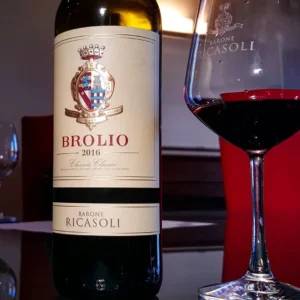
A classic example is Barone Ricasoli Brolio Chianti Classico DOCG Red Wine, where classification reflects not just quality control, but centuries of regional identity and disciplined winemaking traditions.
DOC: Controlled Origin with Strong Regional Identity
Denominazione di Origine Controllata (DOC) wines also follow defined regional guidelines. They reflect established traditions while allowing slightly more flexibility than DOCG.
Wines like Tommasi Valpolicella DOC Red Wine showcase how DOC labelling preserves regional character while maintaining a strong connection to local grape expressions.
IGT: Where Innovation Meets Heritage
Indicazione Geografica Tipica (IGT) allows producers to step outside rigid rules while still honoring regional identity. This category often blends tradition with modern experimentation.
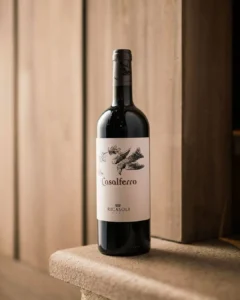
An example is Barone Ricasoli Casalferro IGT Red Wine, which highlights how innovation can exist alongside historical roots without losing authenticity.
Vino da Tavola: Simplicity with Historical Roots
Often overlooked, this category represents Italy’s most basic classification. Yet even here, history plays a role, as many traditional table wines were never formally categorized.
Each classification on Italian wine tells you how tightly a wine is tied to tradition and how that tradition has been preserved.
Decoding the Language on Italian Labels
Italian wine labels speak in their own language literally and culturally. Understanding a few key terms opens the door to deeper appreciation.
- Classico points to historic production zones within a region
- Riserva indicates extended aging following strict rules
- Superiore suggests higher quality standards, often with stricter production criteria, which reflects the deeper Superiore wine meaning
- Rosso simply identifies red wine, yet context expands the true Rosso wine meaning beyond just colour
Unlike many global wines, Italian wines often emphasize place over grape. Instead of telling you what’s inside through familiar varietal names, they invite you to understand where it comes from. These layered definitions are part of the broader system of Italian wine label terms that reveal more than simple descriptions.
Why Italian Wine Labels Focus on Place Over Grape
In Italy, geography is everything.
The country’s landscape is incredibly diverse, with hills, valleys, coastlines, and microclimates shaping how grapes grow. Over centuries, specific regions became known for distinct styles of red wine.
That’s why names like Barolo, Chianti, or Brunello appear prominently on labels. These are not just locations they are identities shaped by soil, climate, and tradition.
Italian labels reflect this philosophy. They assume that understanding the place gives you deeper insight than simply knowing the grape. And for those who take the time to learn, that assumption proves true.
Symbols, Seals, and Hidden Details on Italian Labels
Beyond words, Italian labels include visual cues that reinforce authenticity.
Government seals often appear on higher classifications, confirming adherence to strict production laws. These seals are not decorative they are regulatory markers tied to quality and origin.
Other details also carry meaning:
- Vintage years reflect environmental conditions of a specific season
- Bottling phrases indicate whether the wine was produced and bottled at the same estate
- Consortium markings highlight regional associations that maintain standards
Each small detail adds another layer to the story. Nothing is accidental.
Family Heritage Behind Italian Wine Labels
Many Italian wineries are family-run, with knowledge passed down across generations. This legacy often finds its way onto the label not through flashy branding, but through names that carry history.
A producer’s name on an Italian label can represent decades, sometimes centuries, of experience. These names are tied to land, not just business.
This is where Italian labels feel different. They are not built around trends. They reflect continuity.
Aging and Time as Part of the Label Story
Time plays a central role in Italian red wines, and labels often reveal how it has shaped the wine.
Terms like Riserva are not casual additions. They indicate legally defined aging periods that vary by region and classification. These rules ensure that wines develop according to traditional expectations.
When you read an Italian label, you’re also reading a timeline.
Italian Wine Labels vs Modern Global Labelling Styles
Many modern wine-producing regions focus on clarity and accessibility. Labels highlight grape varieties, flavour notes, and easy-to-understand cues. Italian labels take a different path.
They prioritize heritage over simplicity. Instead of guiding you quickly, they encourage you to slow down and engage. This approach reflects a broader cultural mindset one that values tradition, patience, and regional identity.
Neither approach is right or wrong. But Italian labels offer something unique: a deeper connection to history.
How Italian Wine Labels Enrich the Red Wine Experience
Understanding Italian labels changes how you experience red wine.
It shifts your focus from surface-level details to deeper context. You begin to notice patterns how regions influence structure, how aging affects character, how traditions shape outcomes.
This deeper layer of understanding wine through labels allows each bottle to feel more connected to its origins rather than just its taste.
Each label becomes a story. Each bottle becomes part of a larger narrative that stretches across generations.
Common Misunderstandings About Italian Wine Labels
Even experienced enthusiasts can misread Italian labels. Some common misconceptions include:
- Assuming higher classifications always align with personal preference
- Confusing region names with grape varieties
- Overlooking the importance of vintage variation
- Interpreting terms like Riserva without understanding regional rules
Clarity comes with familiarity. As knowledge grows, labels begin to feel more intuitive.
Conclusion
Italian wine labels do more than identify what’s inside a bottle. They connect you to a lineage of craftsmanship, regional identity, and human dedication.
For red wine lovers, learning to read these labels is not about mastering complexity. It’s about discovering meaning.
Once you begin to understand them, the experience shifts. What once looked dense now feels rich. What once felt distant now feels personal.
When knowledge meets tradition, wine becomes more than a category—it becomes a story worth sharing.
Solis Group partners with businesses looking to translate that story into meaningful market presence. Connect with us to explore thoughtful and sustainable expansion.
And every label becomes what it was always meant to be a bridge between the present moment and centuries of red wine heritage.
FAQs
What do Italian wine labels actually tell you?
They reveal origin, classification, aging rules, and producer identity. Each element reflects tradition, not just product information.
Why do Italian wine labels focus more on region than grape?
Because geography defines flavour, structure, and style in Italian wines. Regions carry historical identity that grapes alone cannot explain.
What is the meaning of DOCG on Italian wine labels?
DOCG confirms strict production rules and verified geographic origin. It represents the highest level of controlled quality and heritage.
How does “Classico” change a wine’s meaning?
It indicates wine from the original historic zone of a region. These areas often produce more consistent and traditional expressions.
What does “Riserva” really indicate on a label?
It means the wine has undergone longer aging than standard versions. This aging follows legal timelines defined by regional regulations.
How can labels help understand wine without tasting it?
They provide clues about structure, aging, and regional characteristics. With knowledge, you can predict style before opening the bottle
What role does the producer’s name play on the label?
It represents lineage, expertise, and consistency across generations. In Italy, producers often define trust more than branding.
Are vintage years important on Italian wine labels?
Yes, they reflect climate conditions affecting grape quality and style. Certain years can significantly influence structure and aging potential.
-
 Understanding Pink Gin Texture with Different Temperatures
 -
International Vodka Day Works Beyond Party Stereotypes
-
French Vermouth Styles Hides Herbs in Silky Wine Base
-
Oak Aged Red Wine delivers smoky warm finish
-
Rich Layered Taste Profile Dominates Blanc de Noirs
-
Vodka Taste Differ Even When Recipes Match
-
Craft Beer and Regular Beer gap Starts with Brewing Intent
-
Rare Cellars Hide Grande Champagne Cognac Stories
-
Light and Full-Bodied Sparkling Wines Bring Two Taste Layers
-
Maceration Time impacts Flavour in Pink Gin Styles









-
Christmas Cocktails You Can Make at Home
-
Sound Of Christmas Wine And Cheese?
-
A Fresh Take on New Year’s Resolutions
-
The Art of Smelling Wine Like a True Connoisseur
-
Looking for the Best Wine? Here's Where to Find It!
-
Whiskey on the Rocks — Cool Choice or Flavor Mistake?
-
Read This Before You Buy Your Dad a Whisky.
-
The Art of Pairing Wine with Indian Food
-
The Ingredients & Botanicals That Define Gin
-
Seven Days of Love — Wine for Valentine’s Week









-
Understanding Pink Gin Texture with Different Temperatures
-
International Vodka Day Works Beyond Party Stereotypes
-
French Vermouth Styles Hides Herbs in Silky Wine Base
-
Oak Aged Red Wine delivers smoky warm finish
-
Vodka Taste Differ Even When Recipes Match
-
Light and Full-Bodied Sparkling Wines Bring Two Taste Layers
-
Maceration Time impacts Flavour in Pink Gin Styles
-
Rare Vintage Port Wine Peak Expression of Douro Vineyards
-
Vodka and Wine showed Two Worlds of Aroma
-
Whiskey Colour Spectrum from Pale Gold to Ebony Depths