
Gin ABV Clarity Leads to More Confident Gin Selection
Many people focus on botanicals when choosing gin, yet one factor quietly shapes the entire experience Gin ABV. It is often seen as just a number on the label, but in reality, it defines how a gin feels, smells, and holds its character.
Understanding this helps shift your perspective from guessing to informed selection. It explains why some gins feel sharp, others smooth, and why certain styles perform differently even when they share similar ingredients, especially when you begin to connect gin alcohol content with structure.
This guide breaks down how Gin ABV works across styles and how production shapes outcomes beyond surface-level interpretation.
What Gin ABV Really Means Beyond the Label
Gin ABV, or alcohol by volume, represents the percentage of alcohol present in the spirit. While most gins start around a standard minimum strength, the variation above that level plays a key role in defining structure.
ABV is not just about strength. It influences how botanicals are carried through the liquid. Higher levels allow aromatic compounds to travel faster, while lower levels create a softer and more restrained profile, directly shaping gin flavour intensity.
This is why two gins with similar ingredients can feel completely different. One may appear bold and sharp, while another feels round and subtle, even if their botanical lists overlap and still maintain strong flavour clarity in gin.
Understanding Gin Styles Through the Lens of Gin ABV
Different gin styles and ABV combinations create distinct experiences, even when the base remains similar.
London Dry Gin
London Dry gin usually sits within a moderate to high ABV range. Its structure is built around clarity and precision, with juniper leading the profile.
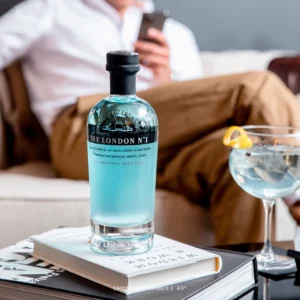
The ABV here supports sharpness and dryness. It ensures that the botanical definition remains intact and does not fade easily. Well-known examples such as London No.1 Gin often reflect this structured balance through their ABV positioning.
Plymouth Gin
Plymouth gin tends to be slightly softer in both profile and ABV perception. While the numbers may not differ drastically, the way alcohol integrates feels smoother.
This creates a rounder experience where the botanicals blend rather than stand apart.
Old Tom Gin
Old Tom gin introduces a gentle sweetness into the equation. The ABV plays a balancing role here, preventing the sweetness from becoming too dominant.
A controlled alcohol level allows both structure and softness to coexist without conflict.
Navy Strength Gin
Navy Strength gin is known for its high ABV. This style carries intensity and depth, with a strong presence that does not dilute easily.
The elevated alcohol content amplifies botanical concentration, making the gin feel powerful and layered.
Contemporary Gin
Modern styles shift focus away from juniper dominance. Citrus, floral, or herbal notes often take the lead.
Here, ABV acts as a carrier. It helps lift delicate notes derived from gin botanicals without overwhelming them, maintaining clarity in more nuanced profiles.
Pink Gin
Pink gin generally leans toward a lower ABV range. Its structure is lighter, often supporting fruit-forward characteristics.
The reduced alcohol presence allows for a softer expression, making the profile feel more accessible and less intense.
Barrel-Aged Gin
Barrel-aged gin introduces another layer of complexity. Wood influence interacts with the spirit, softening edges and adding depth.
The barrel aged gin ABV plays a key role in how these elements integrate. A well-balanced level ensures that neither the oak nor the botanicals dominate the experience.
How Gin Production Affects Alcohol Content
Base Spirit Strength
Every gin begins with a neutral base spirit. The initial strength of this spirit sets the foundation for the final ABV.
A cleaner and higher-strength base allows distillers to adjust alcohol levels with greater precision during later stages.
Distillation Method
The type of still used has a direct impact on alcohol retention. Pot stills often create richer textures, while column stills produce a cleaner and higher-proof spirit.
The number of distillations runs also matters. Multiple distillations can refine the spirit further, influencing both clarity and final ABV as part of broader gin production methods.
Botanical Extraction Techniques
Botanicals can be extracted through soaking or vapor infusion. Each method interacts differently with alcohol.
Higher alcohol levels extract oils more aggressively, leading to stronger flavours. Lower levels create a more delicate extraction, resulting in softer profiles.
Cut Points During Distillation
Distillers separate the spirit into different parts during distillation. The portion selected for the final product affects both purity and alcohol strength.
Precise cut points ensure that only the most balanced section is used, helping maintain a clean and stable ABV.
Dilution Before Bottling
Before bottling, water is added to bring the gin to its final ABV. This step is more than simple adjustment.
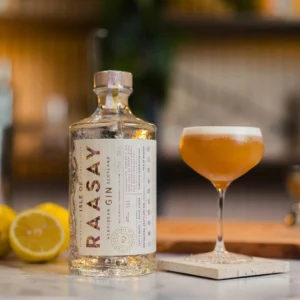
The timing and quality of dilution influence how the spirit settles. Gradual dilution allows the flavours to integrate smoothly, while rushed processes can disrupt balance, impacting gin alcohol content consistency. Structured distillation approaches, similar to those seen in Isle of Raasay Gin, reflect how production precision shapes final ABV outcomes.
Why Higher Gin ABV Does Not Always Mean Better Quality
It is easy to assume that a higher ABV automatically signals a stronger or better gin. In reality, balance matters more than intensity.
Excessive alcohol can overpower botanicals, masking the very elements that define the spirit. A well-crafted gin uses ABV as a structural tool, not as a dominant feature, preserving gin botanicals expression.
Lower or moderate ABV gins often deliver greater clarity. They allow individual notes to stand out without being overshadowed, improving flavour clarity in gin.
Quality lies in how well the alcohol supports the overall profile, not in how high the number goes.
Common Mistakes While Interpreting Gin ABV
One of the most common mistakes is treating ABV as a measure of quality rather than structure. This often leads to choosing gins that feel overpowering rather than balanced.
Another issue is ignoring style differences. Each category of gin operates within its own ABV range, and comparing them directly can be misleading, particularly across different gin styles and ABV expectations.
Many also overlook how dilution changes perception. A gin that feels strong initially may settle into balance, while a lighter one may lose definition quickly.
Understanding this helps avoid these missteps and leads to more informed decisions.
How to Read a Gin Bottle with More Clarity
Reading a gin label becomes easier once ABV is viewed as part of a larger system. It works alongside style, production method, and botanical composition.
Instead of focusing only on the number, consider what that number is supporting. Is it carrying bold botanicals, or maintaining a delicate balance influenced by gin production methods?
This shift in approach transforms ABV from a simple figure into a meaningful indicator of how the gin is built, including how it shapes gin flavour intensity.
Conclusion
Gin ABV is not just a technical detail. It is the framework that holds the entire spirit together.
When understood correctly, it explains differences across styles, highlights the impact of production choices, and guides better selection decisions.
If your business is navigating how structure and Gin ABV shape evolving spirits markets, this is the right time to engage with deeper perspective. Solis Group collaborates with partners who value authenticity, balance, and long-term market relevance. Reach out to explore how thoughtful alignment can support your next stage of growth.
The more you connect ABV with structure, the easier it becomes to recognize what each gin is designed to deliver, including how barrel aged gin ABV differs from other styles.
FAQs
What does Gin ABV indicate?
Gin ABV shows the percentage of alcohol, but more importantly, it defines structure. It affects how aromas lift, how flavours carry, and how the gin feels on the palate.
Does higher ABV mean stronger flavour in gin?
Not always. Higher ABV increases intensity, but balance determines clarity. Poorly balanced high ABV can mask botanicals instead of enhancing them.
What is the typical ABV range for gin styles?
Most gin styles fall between 37.5% and 47%, while Navy Strength goes higher. Each range is designed to support a specific flavour structure and experience.
Why does gin taste different at different ABV levels?
Alcohol acts as a carrier for volatile compounds. Higher levels push aromas faster, while lower levels slow release and create a softer profile.
How does ABV affect gin texture?
Higher ABV creates a firmer, sharper mouthfeel. Lower ABV produces a lighter, smoother texture with less structural intensity.
Does dilution impact high ABV gin differently?
Yes. High ABV gin retains its structure better under dilution. Lower ABV gins can lose definition more quickly when mixed or exposed.
How do production methods influence gin ABV?
Distillation style, cut points, and dilution timing all shape final ABV. These steps control both alcohol level and how flavours integrate.
How should Gin ABV guide selection?
ABV should match the intended experience. It helps determine whether a gin will feel bold, balanced, or light in its overall profile.
-
 Craft Beer and Regular Beer gap Starts with Brewing Intent
 -
Rare Cellars Hide Grande Champagne Cognac Stories
-
Light and Full-Bodied Sparkling Wines Bring Two Taste Layers
-
Maceration Time impacts Flavour in Pink Gin Styles
-
Rare Vintage Port Wine Peak Expression of Douro Vineyards
-
Vodka and Wine showed Two Worlds of Aroma
-
Whiskey Colour Spectrum from Pale Gold to Ebony Depths
-
Gewurztraminer White Wine Reveals Floral Spice Magic
-
Pinot Noir and Merlot aroma notes mapped to clear flavours
-
Vermouth styles broken down by taste impact not wine Language


-
Christmas Cocktails You Can Make at Home
-
Sound Of Christmas Wine And Cheese?
-
A Fresh Take on New Year’s Resolutions
-
The Art of Smelling Wine Like a True Connoisseur
-
Looking for the Best Wine? Here's Where to Find It!
-
Whiskey on the Rocks — Cool Choice or Flavor Mistake?
-
Read This Before You Buy Your Dad a Whisky.
-
The Art of Pairing Wine with Indian Food
-
The Ingredients & Botanicals That Define Gin
-
Seven Days of Love — Wine for Valentine’s Week




-
Light and Full-Bodied Sparkling Wines Bring Two Taste Layers
-
Maceration Time impacts Flavour in Pink Gin Styles
-
Rare Vintage Port Wine Peak Expression of Douro Vineyards
-
Vodka and Wine showed Two Worlds of Aroma
-
Whiskey Colour Spectrum from Pale Gold to Ebony Depths
-
Gewurztraminer White Wine Reveals Floral Spice Magic
-
Pinot Noir and Merlot aroma notes mapped to clear flavours
-
Vermouth styles broken down by taste impact not wine Language
-
Gin ABV Clarity Leads to More Confident Gin Selection
-
Vodka Flavour Builds Its Identity by overpowering Notes