
True vodka quality comes from mastering production process
Vodka is often described as neutral, but that description hides the level of precision required to produce it. What appears simple is actually the result of tightly controlled processes working together in sequence. Each stage plays a role in shaping purity, texture, and balance.
Because vodka does not rely on bold flavours, any flaw becomes more noticeable. This makes production discipline essential. The absence of strong aroma or taste does not mean absence of character it reflects how carefully unwanted elements have been removed while maintaining structure.
Understanding vodka quality begins with recognizing that it is engineered, not accidental.
Vodka Quality Begins with Raw Material Selection
The journey toward refined vodka starts with the selection of raw inputs. These materials define the base from which all other processes develop.
Vodka Raw Materials and Their Role
Different sources create different structural foundations:
- Grain-based inputs tend to produce a lighter and cleaner profile
- Potato-based inputs contribute a fuller and more textured body
- Other agricultural sources introduce subtle differences in smoothness
The importance of vodka ingredients lies in their consistency and purity. Clean raw inputs lead to a more stable fermentation process and reduce the need for heavy correction later.
At this stage, quality is built through careful selection rather than complexity.
Fermentation: The Invisible Stage That Shapes Purity
Fermentation is where transformation begins. Sugars convert into alcohol, but this stage also produces secondary compounds that influence the final structure.
A controlled fermentation environment ensures:
- Stable temperatures
- Predictable yeast activity
- Clean alcohol development
When fermentation is inconsistent, unwanted compounds can form, affecting smoothness and clarity later. These issues often require aggressive correction in later stages, which can reduce overall balance.
Strong vodka quality depends on getting this stage right from the start.
Distillation: The Core of Vodka Production Process
Distillation refines the fermented liquid into a purer spirit by separating desirable and undesirable components.
This stage is central to the vodka production process, as it defines how clean and balanced the spirit becomes.
Column Still vs Pot Still Vodka
Two primary distillation methods influence the outcome:
- Column stills are designed for high purity and consistency
- Pot stills retain more weight and structure
The distinction between column still vs pot still vodka affects how the final spirit feels rather than how strong it appears.
Quality does not come from repeated distillation alone. It comes from precision removing unwanted elements without stripping away the body that gives the spirit its texture.
Filtration: Refining Without Overprocessing
Filtration is used to polish the spirit after distillation. It removes remaining impurities and refines smoothness.
Common methods include carbon filtration and multi-stage systems. While these techniques improve clarity, excessive filtration can flatten the spirit.
The goal is to enhance purity while preserving structure. This balance plays a key role in achieving what is often recognized as best vodka texture.
A well-filtered vodka feels smooth without losing its sense of body.
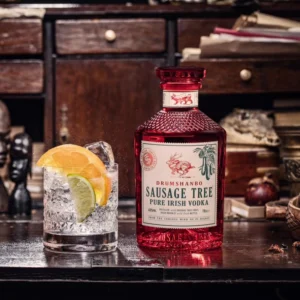
Producers such as Sausage Tree Pure Irish Vodka demonstrate how controlled production and attention to detail can create a refined and consistent profile.
Water Quality and Final Blending Precision
Water is a defining element in vodka production. Since it makes up a large portion of the final product, its composition directly influences texture and balance.
High-quality water should be:
- Clean and consistent
- Balanced in mineral content
- Free from elements that introduce harshness
During blending, water and distilled spirit are combined carefully to maintain stability. This step requires precision, as improper dilution can disrupt the structure achieved in earlier stages.
Understanding Vodka Types and Base Differences
Not all vodkas are structurally identical. The base material used in production creates subtle but important differences.
Grain Vodka vs Potato Vodka
The comparison between grain and potato bases highlights how raw materials shape the final result:
- Grain vodka vs potato vodka reflects differences in weight and mouthfeel
- Grain-based spirits are often lighter and more neutral
- Potato-based spirits tend to be richer and more textured
Rye and corn bases also contribute distinct characteristics:
- Rye vodka introduces a slightly firmer structure
- Corn vodka creates a softer and smoother profile
Examples such Chopin Family Reserve Vodka illustrate how base material selection influences texture and depth without relying on strong flavours.

Small Batch Production and Its Role in Quality Control
Production scale affects how closely each stage can be monitored.
Small Batch Vodka Production
In small batch vodka production, producers can maintain tighter control over:
- Fermentation conditions
- Distillation precision
- Batch consistency
Smaller production volumes allow for careful adjustments and reduce variability. This often leads to a more consistent and refined final product.
Controlled production environments support the development of stable structure and clean profiles.
Vodka Tasting Guide: How Quality Is Evaluated
Evaluating vodka requires a structured sensory approach rather than assumptions.
Appearance
A high-quality vodka appears clear, but clarity alone does not define quality.
Aroma
The aroma should be clean and subtle, without sharp or aggressive alcohol notes.
Mouthfeel
Texture is one of the strongest indicators of quality. A refined vodka feels smooth, balanced, and controlled.
Finish
The finish should be clean and fade evenly, without lingering harshness.
This structured approach forms the basis of a professional vodka tasting guide, focusing on texture and balance rather than flavour intensity.
Column Still vs Pot Still Influence on Texture and Structure
Distillation methods shape how vodka behaves on the palate.
Column still systems produce a cleaner and more neutral structure, while pot still methods retain more weight and character.
The choice between these methods is not about superiority but about achieving a specific balance between purity and texture.
Producers align their distillation approach with the intended structure of the spirit.
What Defines True Vodka Quality Today
Vodka quality is the result of consistency across all production stages rather than excellence in a single step.
Key indicators include:
- Stable fermentation processes
- Precise distillation control
- Balanced filtration techniques
- High-quality water integration
- Accurate and consistent blending
When these elements work together, the result is a spirit that is clean, smooth, and structurally balanced.
Conclusion
Vodka quality is built through discipline and precision at every stage. From raw material selection to final blending, each step contributes to the overall structure.
Understanding vodka in this way shifts attention from external presentation to internal craftsmanship. It highlights that neutrality is not the absence of character, but the result of careful refinement.
For trade professionals looking to strengthen their grasp of vodka quality, Solis Group provides an importer-led perspective grounded in production insight and category awareness.
We work alongside partners who value clarity in sourcing and long-term product understanding. Connect with us to build deeper alignment in spirits expertise and market growth.
True vodka quality is not loud or complex. It is defined by control, consistency, and the ability to remove what is unnecessary while preserving what gives the spirit its balance.
FAQs
What defines vodka quality?
Vodka quality is defined by control across every production stage, not taste intensity or branding. It depends on ingredient purity, fermentation stability, distillation precision, and final balance.
Why are vodka ingredients important?
Vodka ingredients determine the base structure and smoothness of the final spirit.
Clean, consistent raw materials reduce impurities and improve overall refinement.
Does distillation number decide quality?
No, more distillation does not automatically mean better quality. Precision in separating unwanted compounds matters more than repetition.
How does fermentation affect vodka quality?
Fermentation controls how clean the base alcohol becomes before distillation. Poor fermentation creates harsh compounds that reduce smoothness later.
What is the role of filtration in vodka?
Filtration removes residual impurities after distillation and improves smoothness. However, over-filtration can flatten texture and reduce body.
Why is water important in vodka production?
Water makes up most of the final product after dilution. Its mineral balance directly shapes mouthfeel and smoothness.
What is small batch vodka production?
It is controlled production in limited quantities for tighter process monitoring. It helps maintain consistency in fermentation, distillation, and blending.
How can vodka quality be evaluated?
Vodka quality is evaluated through texture, aroma neutrality, and finish cleanliness. Smooth mouthfeel and balanced structure indicate higher refinement.
-
 Rich Layered Taste Profile Dominates Blanc de Noirs
 -
Vodka Taste Differ Even When Recipes Match
-
Craft Beer and Regular Beer gap Starts with Brewing Intent
-
Rare Cellars Hide Grande Champagne Cognac Stories
-
Light and Full-Bodied Sparkling Wines Bring Two Taste Layers
-
Maceration Time impacts Flavour in Pink Gin Styles
-
Rare Vintage Port Wine Peak Expression of Douro Vineyards
-
Vodka and Wine showed Two Worlds of Aroma
-
Whiskey Colour Spectrum from Pale Gold to Ebony Depths
-
Gewurztraminer White Wine Reveals Floral Spice Magic



-
Christmas Cocktails You Can Make at Home
-
Sound Of Christmas Wine And Cheese?
-
A Fresh Take on New Year’s Resolutions
-
The Art of Smelling Wine Like a True Connoisseur
-
Looking for the Best Wine? Here's Where to Find It!
-
Read This Before You Buy Your Dad a Whisky.
-
Whiskey on the Rocks — Cool Choice or Flavor Mistake?
-
The Art of Pairing Wine with Indian Food
-
The Ingredients & Botanicals That Define Gin
-
Seven Days of Love — Wine for Valentine’s Week







-
Vodka Taste Differ Even When Recipes Match
-
Light and Full-Bodied Sparkling Wines Bring Two Taste Layers
-
Maceration Time impacts Flavour in Pink Gin Styles
-
Rare Vintage Port Wine Peak Expression of Douro Vineyards
-
Vodka and Wine showed Two Worlds of Aroma
-
Whiskey Colour Spectrum from Pale Gold to Ebony Depths
-
Gewurztraminer White Wine Reveals Floral Spice Magic
-
Pinot Noir and Merlot aroma notes mapped to clear flavours
-
Vermouth styles broken down by taste impact not wine Language
-
Gin ABV Clarity Leads to More Confident Gin Selection