
Vintage Champagne Taste Younger Than Modern Bottles
In professional tastings, one observation appears again: age does not always dictate freshness in champagne. While modern releases are designed to appear vibrant and approachable from the moment they leave the cellar, certain bottles of vintage champagne even those several decades old can display sharper acidity, clearer fruit definition, and more energetic effervescence than much younger wines.
This phenomenon is not anecdotal. It is grounded in viticulture, production philosophy, and bottle evolution. To understand why this happens, it is necessary to move past assumptions and examine how French champagne is structured to age.
Champagne Freshness Is Structural
In wine evaluation, “young” is not a reference to production year. In champagne, youthfulness is defined by structure. A champagne that tastes young typically demonstrates:
- Elevated but balanced acidity
- Clearly articulated fruit aromas rather than oxidative notes
- Fine, persistent bubbles visible in a proper champagne glass
- A linear, focused palate rather than a broad or softened one
These characteristics are found in the best champagne examples across both modern and aged bottlings. When these structural components remain intact, the wine retains freshness regardless of age.
How Champagne Is Engineered to Age Gracefully
Champagne is inherently different from still wine. The second fermentation inside the champagne bottle creates pressure, acidity, and a protective environment that slows oxidation. Over time, yeast autolysis releases amino acids and polysaccharides, contributing texture without necessarily diminishing freshness.
Historically, many champagne vineyards harvested grapes earlier than modern standards, preserving acidity rather than maximizing ripeness. This decision created wines capable of evolving slowly while maintaining tension. In contrast, some modern styles emphasize immediate balance, which can reduce long-term vibrancy.
This distinction explains why certain older bottles can feel more energetic than modern Non-Vintage Champagne.
Role of Champagne Grapes in Long-Term Freshness
The aging potential of champagne grapes is determined by their acidity, sugar balance, and phenolic composition. Grapes from cooler growing seasons typically exhibit higher acidity, which functions as a natural preservative.
Many renowned vintage bottlings originate from such conditions. These wines were never designed to be expressive early. Instead, they were structured to hold freshness over decades. This structural intent is a key reason why vintage champagne can outperform younger wines in blind tastings.
Modern Champagne Brands and the Shift
Modern champagne brands often prioritize consistency and approachability. Blending multiple harvests ensures a recognizable house style and reliable performance in social contexts such as a champagne party or large public tasting.
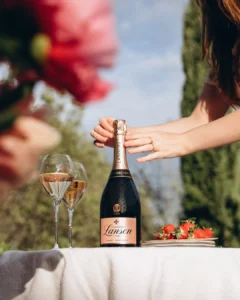
For example, Lanson Le Black Creation Nv Champagne is structured to deliver brightness, clarity, and balance immediately. Its profile reflects contemporary expectations of freshness, but that softness can sometimes make it feel less defined when compared with a tightly structured vintage wine tasted alongside it.
This contrast reflects stylistic evolution rather than quality differences.
Why Storage Preserves Youth Better Than Time
Champagne Bottle age alone does not determine freshness. Storage conditions play a decisive role. When a champagne bottle is kept in a stable, cool, and dark environment, it retains:
- Carbon dioxide pressure
- Acid structure
- Aromatic clarity
This is why older bottles curated for premium champagne gift set collections often present more vitality than younger wines stored under fluctuating conditions. Proper storage allows vintage champagne to retain its structural backbone far longer than commonly expected.
Rosé Champagne as Evidence of Preserved Freshness
High-quality Rosé champagne offers some of the clearest evidence that age does not eliminate freshness. The presence of phenolic compounds from grape skins adds structure and stability, helping preserve fruit definition.
Modern expressions such as Lanson Le Rose Nv Champagne demonstrate how freshness can be emphasized early, while aged rosé vintages—when properly stored—often surprise tasters at professional champagne festival events with their continued precision and energy.
Non-Vintage Champagne Versus Vintage Champagne
Non-Vintage Champagne is designed to be consistent. It performs reliably across years and settings, supporting everything from a formal reception to a celebratory champagne toast.
Vintage champagne, however, is expressive rather than uniform. It reflects a single harvest, vineyard conditions, and production philosophy. When structure is preserved, vintage bottles often show:
- Sharper acidity
- More defined aromatics
- Greater perceived energy
Wines such as Lanson Le White Label Sec Nv Champagne highlight how modern non-vintage styles emphasize balance and versatility, while vintage bottles emphasize endurance and precision.
Vineyard Terroir Shapes Champagne That Stays Fresh
The environment in which champagne grapes are grown has a profound effect on how a bottle ages and maintains freshness. Factors such as soil composition, vineyard slope, sun exposure, and microclimate influence acidity, sugar balance, and aromatic potential. Wines from high-quality champagne vineyards often retain structural integrity longer, enabling vintage champagne to display energy decades later.
Key insights:
- Soil composition: Chalky soils typical of the Champagne region preserve acidity and minerality.
- Climate and harvest timing: Cooler years produce grapes with higher acidity for long-term vibrancy.
- Vineyard management: Pruning, yield control, and canopy exposure affect grape concentration and aging potential.
Understanding terroir explains why some older bottles maintain freshness while others lose their liveliness over time.
Tastings Reveal the Youth Hidden in Vintage Champagne
Blind tastings are essential for assessing the true vitality of a champagne bottle. Experts often find that well-preserved vintage champagne can surpass modern Non-Vintage Champagne in perceived freshness. The evaluation considers acidity, aroma clarity, bubble finesse, and overall balance rather than age alone.
Key for spotting freshness:
- Acidity check: Crispness on the palate indicates retained structural tension.
- Bubble analysis: Fine, persistent effervescence in the champagne glass signals freshness.
- Aromatic profile: Vibrant citrus, apple, or red fruit notes reveal youthfulness.
- Mouthfeel and balance: Integration of lees-derived creaminess with bright acidity defines liveliness.
These tastings highlight why vintages from established champagne brands or champagne vineyards can feel surprisingly youthful, even decades after bottling.
The Champagne Glass and Sensory Perception
The champagne glass influences how freshness is perceived. Proper glassware enhances bubble release, sharpens acidity, and focuses aroma delivery. This sensory amplification often makes vintage champagne feel livelier than expected, particularly in formal tastings where structure is closely evaluated.
Why This Matters in Champagne Culture
The belief that older champagne must taste old oversimplifies the category. Freshness is not erased by time—it is protected by structure. This is why vintage bottles remain central to educational tastings, curated collections, and serious discussion within champagne culture.
From formal evaluations to large-scale champagne festival programs, vintage champagne continues to challenge assumptions about aging and vitality.
Conclusion
Vintage champagne can taste younger than modern bottles because freshness is driven by acidity, grape quality, restrained winemaking, and proper storage—not by release date.
Modern champagne brands excel at accessibility and consistency. Vintage champagne excels at longevity. When preserved correctly, it often delivers more clarity and energy than wines crafted for early smoothness.
In champagne, youth is structural. Age is incidental.
FAQs
Can vintage champagne really taste younger than modern bottles?
Yes, when acidity, structure, and storage are preserved, vintage champagne can feel fresher than modern Non-Vintage Champagne designed for early balance.
What makes champagne taste “young”?
Youth in champagne comes from high acidity, fine effervescence, and clear fruit aromas—not from the bottle’s release date.
Why do some modern champagne bottles taste softer?
Many modern champagne brands prioritize smoothness and consistency, which can reduce sharp acidity and make the wine feel more mature early.
Does storage affect how champagne ages?
Absolutely. Properly stored champagne bottles retain acidity, bubbles, and aroma clarity far longer than poorly stored younger wines.
Are certain champagne grapes better for aging?
Yes, champagne grapes from cooler harvests retain higher acidity, giving wines greater aging potential and long-term freshness.
Can rosé champagne also taste youthful with age?
High-quality Rosé champagne often maintains freshness due to its phenolic structure, especially when stored under stable conditions.
Is non-vintage champagne meant to age?
Non-Vintage Champagne is crafted for consistency and accessibility, not extended aging, though quality examples can still evolve gracefully.
Does the champagne glass affect freshness perception?
Yes, the right champagne glass enhances bubbles and acidity, making both modern and vintage champagne feel more vibrant.
-
 Pale Rose Wine change Impression in Tasting Surprise
 -
London Dry Gin Holds Its Classic Appeal than Modern Gin
-
Prestige Cuvée Champagne Showcases Winemaking Vision
-
Pinot Grigio and Sauvignon Blanc Meets Flavour Intensity
-
Understanding Pink Gin Texture with Different Temperatures
-
International Vodka Day Works Beyond Party Stereotypes
-
French Vermouth Styles Hides Herbs in Silky Wine Base
-
Oak Aged Red Wine delivers smoky warm finish
-
Rich Layered Taste Profile Dominates Blanc de Noirs
-
Vodka Taste Differ Even When Recipes Match
-
Christmas Cocktails You Can Make at Home
-
Sound Of Christmas Wine And Cheese?
-
A Fresh Take on New Year’s Resolutions
-
The Art of Smelling Wine Like a True Connoisseur
-
Looking for the Best Wine? Here's Where to Find It!
-
Read This Before You Buy Your Dad a Whisky.
-
Whiskey on the Rocks — Cool Choice or Flavor Mistake?
-
The Art of Pairing Wine with Indian Food
-
The Ingredients & Botanicals That Define Gin
-
Seven Days of Love — Wine for Valentine’s Week




-
Pale Rose Wine change Impression in Tasting Surprise
-
London Dry Gin Holds Its Classic Appeal than Modern Gin
-
Pinot Grigio and Sauvignon Blanc Meets Flavour Intensity
-
Understanding Pink Gin Texture with Different Temperatures
-
International Vodka Day Works Beyond Party Stereotypes
-
French Vermouth Styles Hides Herbs in Silky Wine Base
-
Oak Aged Red Wine delivers smoky warm finish
-
Vodka Taste Differ Even When Recipes Match
-
Light and Full-Bodied Sparkling Wines Bring Two Taste Layers
-
Maceration Time impacts Flavour in Pink Gin Styles