
Why Your Favourite Gin Might Be the Bad Boy of Spirits
Gin – it’s the spirit that seems all fancy and sophisticated until it unexpectedly gives you a surprising kick. You think you’re just sipping something smooth, and then bam – your favourite gin reveals its mischievous side. It’s like that one friend who looks all put together but always ends up causing a bit of chaos. But don’t worry, we’re here to expose why your go-to gin might be the “bad boy” of the bottle. Spoiler: it’s not always as innocent as it seems!
The Mysterious History of Gin
Gin’s story begins long before it became a staple in modern bars. Its roots can be traced back to 11th-century Europe, where it was originally used for medicinal purposes. The earliest form of gin, known as Jenever, originated in the Netherlands and Belgium. It was a juniper-flavored spirit used as a cure for various ailments. Fast forward to the 17th century, and gin’s popularity exploded in England, where it was enjoyed by people of all classes.
From medicinal elixir to trendy spirit, gin became the drink of choice. By the 1800s, the classic gin and tonic was born, thanks to British soldiers in India who used quinine (an anti-malarial) mixed with gin, creating one of the world’s most iconic cocktails.
Gin Making: The Art Behind Your Favourite Spirit
At its core, gin is made from neutral spirits infused with botanicals, with juniper berries being the star ingredient. But what sets premium gin options apart is the complexity of the botanicals used and the distillation process.
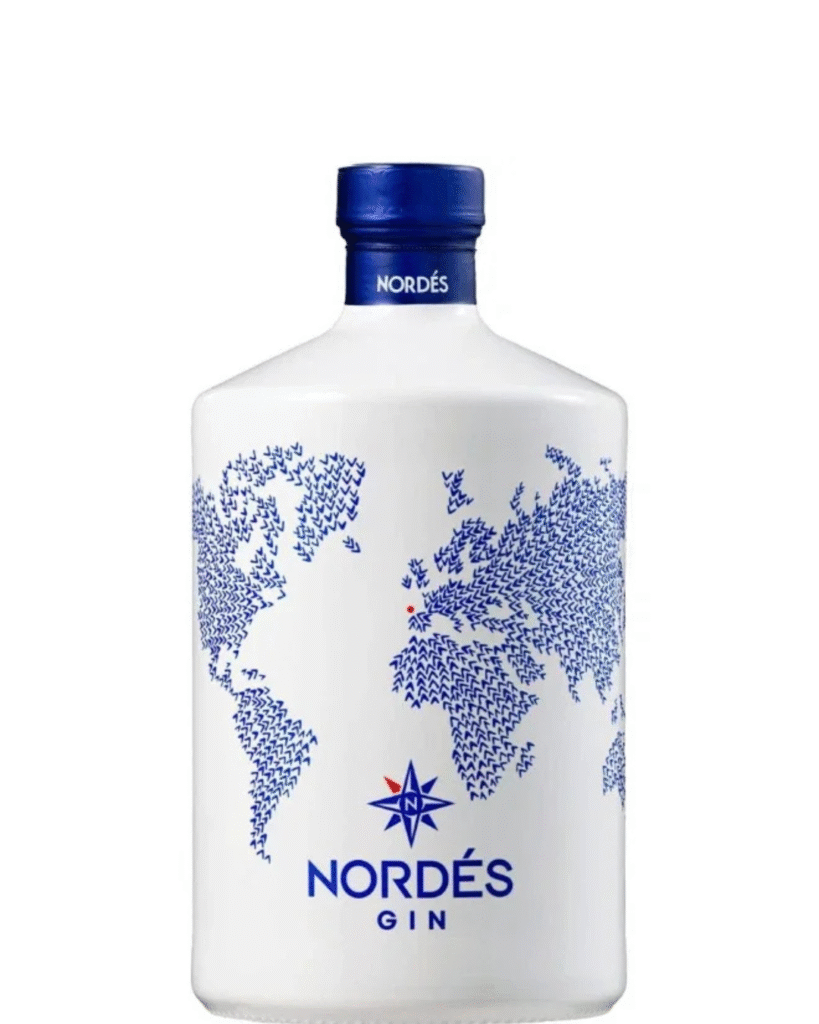
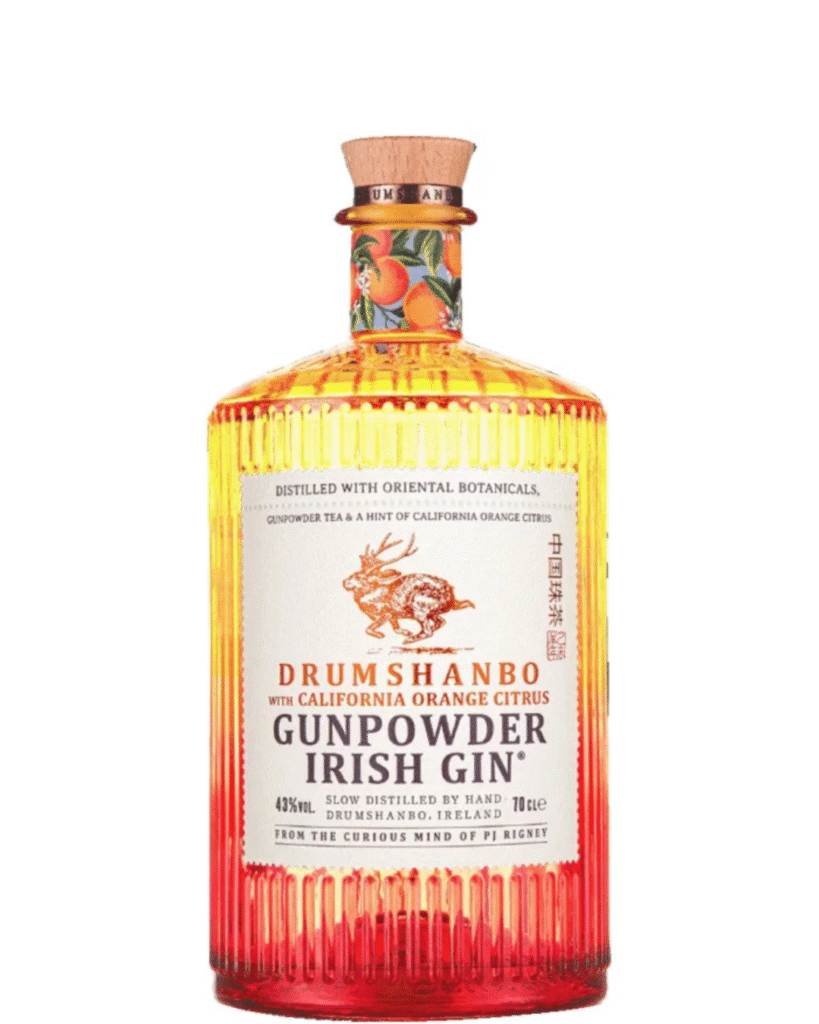
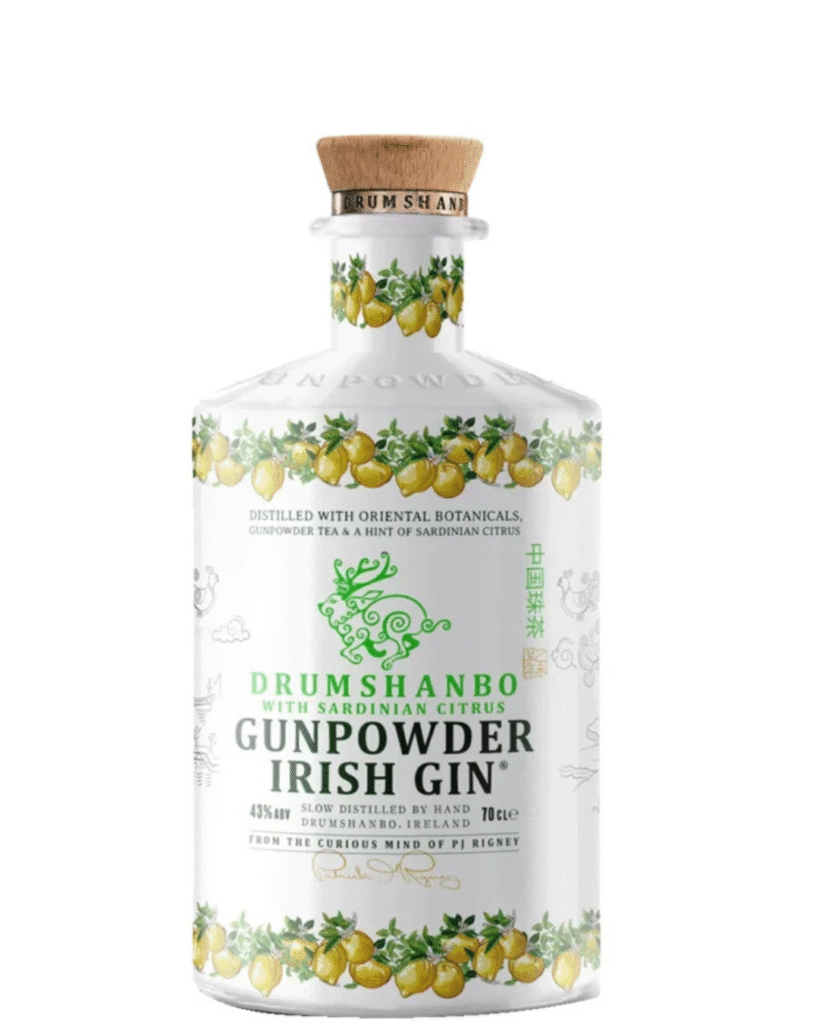
Gin distillers often use a combination of spices, herbs, and fruits to create unique flavors. For instance, Nordés Gin, a Spanish gin, features a mix of 11 botanicals, including Albariño grape, which gives it a unique citrusy flavor. On the other hand, Gunpowder Irish Gin With Sardinian Citrus Ceramic incorporates botanicals like Chinese gunpowder tea and fresh Sardinian citrus, delivering an earthy and zesty twist.
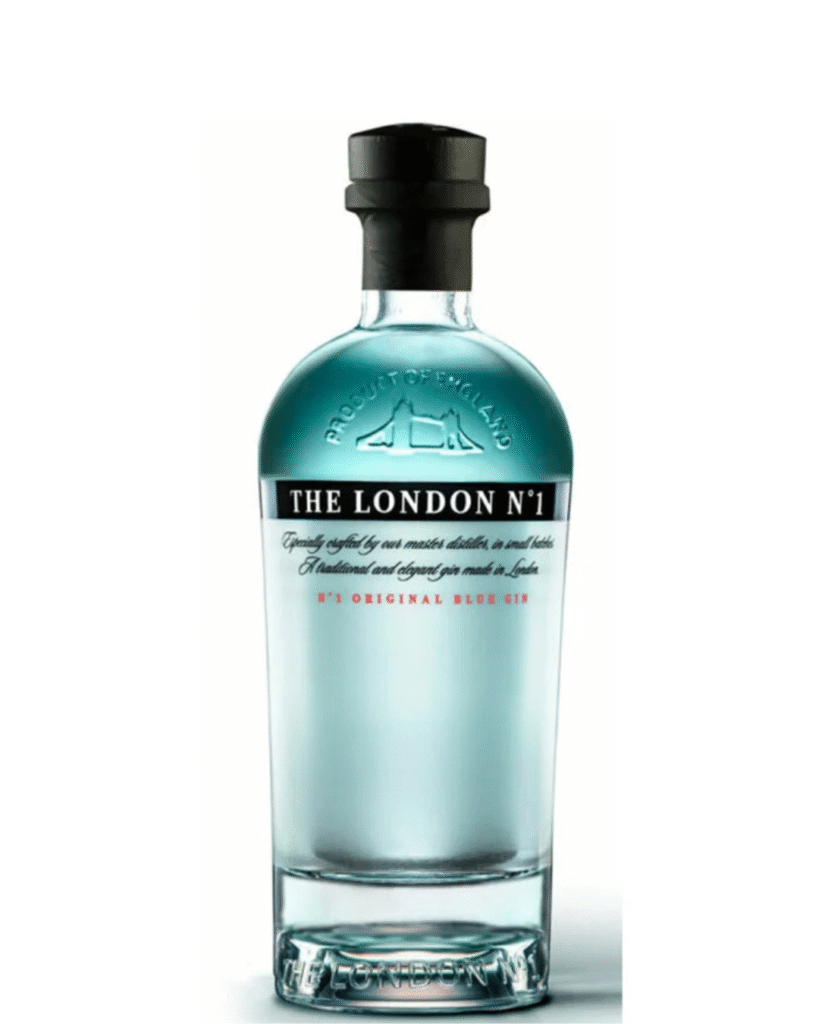
As gin makers get more creative, they add their own signature touch to the distillation process. Some distillers even experiment with aging their gin in wooden casks, adding a distinct amber color and deeper flavors to their products, like London No.1 Gin, known for its complex citrus notes and fine craftsmanship.
The Colour and Types of Gin: More Than Just a Pretty Bottle
Gin comes in a variety of styles, each with its own distinct characteristics. Understanding the types of gin available can make a significant difference in your gin-drinking experience.
- London Dry Gin: This is perhaps the most well-known and traditional style of gin, famous for its juniper-forward taste and dry finish. London No.1 Gin is an excellent example of this category, offering a smooth, balanced flavour that has made it a favourite among gin enthusiasts.
- Old Tom Gin: Sweeter than London Dry, Old Tom gin is often used in classic gin cocktails like the Tom Collins. It has a more rounded flavour, appealing to those who prefer a slightly sweeter gin.
- Plymouth Gin: This gin has a distinct earthy and slightly sweet flavour, produced only in Plymouth, England. Its unique profile sets it apart from the more popular London Dry gins.
- Sloe Gin: A fruit-infused gin made by steeping sloe berries in gin, this type of gin is sweeter and often enjoyed as a dessert drink.
Why Your Favourite Gin Might Be the "Bad Boy" of Spirits
Now, let’s get back to why your favourite gin might be the “bad boy” of spirits. Despite its refined image, gin has a few things going for it that can be surprising to the uninitiated:
- Gin’s Strong Historical Associations: While gin is now enjoyed globally, it’s hard to ignore its checkered past. The Gin Craze in 18th-century England led to the consumption of gin in dangerous quantities, often at the expense of public health and social order. The spirit’s rise to fame in such chaotic times has left it with a bit of a rebellious edge.
- High Alcohol Content: Gin often packs a punch with an alcohol by volume (ABV) ranging from 37.5% to 47%. This makes it one of the stronger spirits on the market, earning it a reputation as a “heavy hitter” in the world of cocktails.
- Variety of Flavours and Botanicals: Gin isn’t just a single flavour profile; it’s an entire universe of botanicals and flavour combinations. From the piney bitterness of juniper to the citrus burst in Gunpowder Irish Gin and the bold tropical notes of Tarsier Gin, gin can be as unpredictable as it is versatile. This can make it a bit intimidating to casual drinkers, as the variety of flavours can sometimes be overwhelming.
- Gin for Mixers: One of the reasons gin has earned its “bad boy” status is because it’s often used as a base spirit in a variety of gin cocktail recipes. Cocktails like the Gin and Tonic, Negroni, and Martini have helped gin solidify its place in the cocktail world. But it’s easy to forget that the high versatility of gin means that it can often be mixed with a host of flavours, making it easy for newcomers to experiment, sometimes with surprising results.
Gin Tasting Notes: What to Expect from Your Favourite Gin
When tasting gin, the key is to pay attention to the balance of flavours. For instance, a classic London Dry Gin like London No.1 Gin might bring forward a sharp, crisp juniper flavour, with subtle citrus notes lingering in the background. On the other hand, a craft gin like Tarsier Gin will likely surprise you with its fresh herbaceous flavours and hints of Southeast Asian spices.
Conclusion
While your favourite gin might appear to be a refined and classic choice, there’s more to the spirit than meets the eye. From its rich history to its high versatility and complexity, gin can sometimes be the “bad boy” of spirits – unpredictable, bold, and full of surprises. Next time you reach for your bottle of Tarsier Gin or Nordés Gin, take a moment to appreciate its rebellious spirit and the endless possibilities it offers. Cheers to enjoying gin in all its vibrant forms!
FAQs
What are the most popular gin types?
The most popular gin types include London Dry Gin, Old Tom Gin, and Plymouth Gin. Each offers a different flavour profile, from the dry, juniper-forward taste to the sweeter, more rounded versions.
What’s the difference between craft gin and regular gin?
Craft gin is made in smaller batches, often using unique botanicals and production techniques. This allows for a more personalized, experimental approach to gin-making.
Can I drink gin straight?
Yes, high-quality gin can be enjoyed neat or on the rocks. If you prefer a more nuanced flavour profile, sipping gin without mixers can allow you to appreciate the botanicals.
What makes a gin premium?
Premium gin is defined by its high-quality ingredients, precise distillation process, and the unique botanicals used. Gins like Nordés Gin and Tarsier Southeast Asian Dry Gin are premium due to their distinctive botanicals and attention to detail in production.
What are the best mixers for gin?
The most classic gin mixer is tonic water, but gin also pairs wonderfully with ginger beer, club soda, and fruit juices like lemon, lime, or grapefruit. For a refreshing twist, try mixing gin with fresh herbs and spices.
What makes gin different from vodka or rum?
The primary difference lies in the botanicals used. While vodka is typically made from grains and distilled to be flavorless, gin is made by infusing botanicals—primarily juniper berries—creating its distinctive flavor profile. Rum is made from sugarcane or molasses and has a sweeter taste.
What’s the proper way to taste gin?
To properly taste gin, start by smelling it to catch its botanical scents, especially juniper. Take a small sip and allow the gin to coat your palate, noticing the flavor progression. Pay attention to the balance of botanicals, sweetness, and spice.
What is pink gin and how is it different?
Pink gin is a variation that often includes additional fruit flavors, such as berries, and sometimes coloring to give it a pink hue. It’s slightly sweeter than traditional gin, making it popular for casual sipping or in fruity cocktails.
Can I mix gin with any other spirits?
While gin is versatile, it typically works best with clear spirits such as vodka or rum in cocktails. Gin-based drinks like a Negroni blend gin with vermouth and Campari, but mixing it with darker spirits is less common due to its distinctive flavor profile.
-
 Spanish White Wine Varieties from Coast to Mountains
 -
Beer Styles Decoded So Enjoy Your Pint on Your Own Terms
-
Reading Red Wine Tasting by Aroma Flavor and Finish
-
Battle of Purity vs Balance in Single Malt and Blended Whisky
-
Anatomy of Vodka Texture Driven by Its Base Ingredients
-
Signature Power of Port Wine Beyond the Fortified Sherry
-
Vermouth’s Botanical Deserves spot on World Vermouth Day
-
International Riesling Day Honors the Iconic Riesling Wine
-
Celebrate Holi with Gin cocktails and Fearless Colours
-
Irish Whiskey rise from Global Lounges to Curated Shelves
-
Christmas Cocktails You Can Make at Home
-
Sound Of Christmas Wine And Cheese?
-
A Fresh Take on New Year’s Resolutions
-
The Art of Smelling Wine Like a True Connoisseur
-
Looking for the Best Wine? Here's Where to Find It!
-
Read This Before You Buy Your Dad a Whisky.
-
The Art of Pairing Wine with Indian Food
-
Whiskey on the Rocks — Cool Choice or Flavor Mistake?
-
The Ingredients & Botanicals That Define Gin
-
Seven Days of Love — Wine for Valentine’s Week





-
Spanish White Wine Varieties from Coast to Mountains
-
Reading Red Wine Tasting by Aroma Flavor and Finish
-
Battle of Purity vs Balance in Single Malt and Blended Whisky
-
Anatomy of Vodka Texture Driven by Its Base Ingredients
-
Signature Power of Port Wine Beyond the Fortified Sherry
-
Vermouth’s Botanical Deserves spot on World Vermouth Day
-
International Riesling Day Honors the Iconic Riesling Wine
-
Celebrate Holi with Gin cocktails and Fearless Colours
-
Irish Whiskey rise from Global Lounges to Curated Shelves
-
Air Steals Bold Character from Single Malt Whiskey Bottles