
How Does Gin Steal Spotlight from Every Other Spirit
If the world’s spirits ever hosted a grand tasting gala, gin would quietly command the room. Not through volume or vanity, but through aroma that crisp, pine-scented whisper of juniper mixed with citrus and spice.
Whiskey ages with pride, vodka hides behind neutrality, rum sings of sugar — but gin? Gin tells stories. It is a language of botanicals, a craft of chemistry, and a culture of constant reinvention.
So, why does gin always steal the spotlight? Let us explore how this versatile spirit continues to fascinate distillers, enthusiasts, and gin bars worldwide.
From Classic Spirit to Creative Canvas
Gin’s resurgence is not a fluke; it is a creative revolution. Around the globe, small batch gin producers are reclaiming craftsmanship, turning local landscapes into liquid art. From Finland to Scotland, distillers now bottle identity, not just flavour.
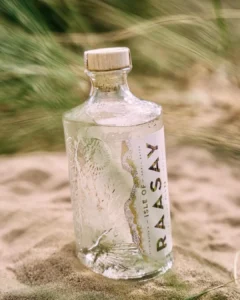
Consider Isle of Raasay Gin distilled on a remote Scottish island using local water and hand-foraged botanicals. It captures the essence of rugged coastlines in a glass proof that the best gin is not about fame but about place.
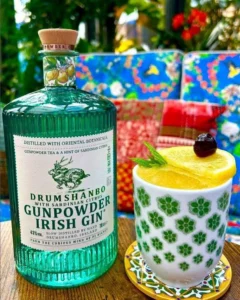
Meanwhile, Irish innovators have redefined citrus expression through Gunpowder Irish Gin with Sardinian Citrus Ceramic, merging tea and rare Mediterranean fruits for one of the most aromatic gin Flavors of the decade.
It is this freedom to experiment, to express that has made gin the artist’s spirit of choice.
What Exactly Is Gin?
Every gin starts with a neutral base spirit. What transforms it into gin is the infusion or distillation of botanicals the plants, roots, and spices that create its unmistakable aroma.
The one rule? Juniper must lead the way. But beyond that, the distiller becomes an artist.
Some Favor coriander and angelica root for spice and depth. Others reach for orris, cardamom, or chamomile for warmth and sweetness.
This is where the magic begins the fusion of science and art.
Take Gunpowder Irish Gin with Sardinian Citrus by pairing gunpowder tea with Sardinian citrus, it redefines freshness. Compare that to Kyro Gin, made from Finnish rye and Nordic herbs bold, clean, and modern.
No two gins are ever the same. Each reflects the choices, climate, and creativity behind its design the reason so many enthusiasts call it the best gin for curious palates.
Why Gin Feels So Alive
Gin’s character lies in its botanical balance. When heated, botanicals release aromatic compounds called terpenes and esters. These shape everything from fragrance to finish.
Juniper contributes α-pinene (that crisp pine scent). Citrus botanicals add limonene (zesty brightness). Spices like cardamom bring cineole (a cool, minty depth).
This molecular symphony explains why fruity gin can taste vibrant and light, while spice-driven versions feel bold and warming. It is also why some gins like Kyro Gin or Isle of Raasay Gin stand out among countless gin brands: they balance complexity with character.
Each distiller’s challenge is to let every botanical speak, but never shout a true mark of mastery.
Exploring Gin’s Many Personalities
There is not just one gin. There are families of gin, each with its own rhythm and aroma.
- London Dry: Crisp, dry, and juniper-forward the classic foundation for any gin cocktail.
- Old Tom: Slightly sweeter, loved for historical recipes and balanced Flavors.
- Plymouth Gin: Earthy, soft, and maritime in tone.
- Contemporary or New Western: Modern, creative, and often floral or fruity like Isle of Raasay Gin, which blends juniper with rhubarb and wild herbs.
- Flavoured and Infused Gins: These embrace modern palates think of pink gin tonic creations, infused with berries or hibiscus for a romantic blush.
Each gin style invites discovery a sensory map for enthusiasts chasing both history and innovation.
How Enthusiasts Decode the Best Gin
True appreciation begins with mindful tasting.
- Observe: Check clarity. A well-made gin should gleam crystal clear, even after chilling.
- Smell: Bring the glass close and inhale gently. Identify the dominant juniper, then explore the hidden orchestra of citrus, spice, or flowers.
- Taste: Let it roll on the tongue. A balanced gin reveals layers from sharp citrus to mellow herbs and peppery warmth.
- Reflect: Note how it finishes. Quality gin does not fade it lingers like memory.
This ritual helps enthusiasts identify quality and depth. A favourite gin does not overwhelm it converses, teaching you how gin Flavors interact like notes in a melody.
From Medicinal Roots to Global Obsession
Gin’s story starts in 17th-century Holland, where how to make gin was first taught by apothecaries crafting jenever as medicine. British soldiers brought it home, and soon, London embraced it with both passion and chaos birthing the infamous “Gin Craze.”
Centuries later, gin has become an emblem of craftsmanship and culture. Gunpowder Irish Gin with Sardinian Citrus Ceramic Gin and Kyro Gin represent how far we have come from curative concoctions to culinary artistry.
This is gin’s greatest transformation: from the doctor’s shelf to the distiller’s imagination.
The Role of Gin in Modern Mixology
Rosé wine is one of the most food-friendly wines, thanks to its versatility:
- Dry Rosé Wine: Pair with grilled seafood, summer salads, or Provençal dishes. Its crisp acidity enhances lighter fare.
- Sweet Rosé Wine: Perfect with fruit tarts, soft cheeses, or spicy dishes where a touch of sweetness balances the heat.
- Sparkling Rosé Wine: Ideal for brunches, canapés, and celebrations—its bubbles refresh the palate between bites.
- Tuscan and Spanish Rosés: Fuller-bodied styles complement Mediterranean cuisine, roasted vegetables, and charcuterie boards.
Rosé wine effortlessly transitions from casual picnics to fine dining, making it a favorite among sommeliers and chefs alike.
Why Gin Feels Like Bottled Joy
Step into any quality gin bar, and you will see why professionals adore it. Gin is a chameleon a spirit that harmonizes rather than dominates.
It is the foundation of timeless classics like the Martini, Negroni, and Gimlet where simplicity meets elegance. Yet it also fuels creativity in contemporary mixes, from fruity gin infusions to the iconic pink gin tonic, now celebrated worldwide for its colour and charm.
Even the best gin in India is now being crafted with local botanicals, proving that gin’s global conversation keeps expanding. From Himalayan herbs to coastal citrus, these emerging gins are adding regional stories to a centuries-old narrative.
The Local Spirit: Craft, Community, and Sustainability
Modern gin is not just about flavour it is about philosophy. Distilleries today emphasize eco-friendly production, using locally grown herbs, recyclable packaging, and energy-efficient distillation.
Small batch gin makers lead the movement, focusing on quality, not quantity. Each batch is an experiment in honesty handmade, hand-measured, and hand-finished.
Brands like Kyro Gin have even turned to local farmers and foragers, proving that community-driven production creates authenticity that no machine can replicate.
It is this connection between land, maker, and drinker that makes every gin experience personal.
Why Enthusiasts Fall in Love with Gin
Gin does not just fill glasses; it fills imaginations. It is both a science and a story. Every sip invites curiosity about its botanicals, its heritage, its people.
Gin appeals to thinkers, explorers, and storytellers. To love gin is to love discovery.
Whether you are comparing the best gin brands from Europe or exploring regional gems like the best gin in India, you are not chasing intoxication you are chasing knowledge.
Gin invites you to learn, to ask why Flavors behave the way they do, and to appreciate how every bottle embodies balance between creativity and control.
The Future of Gin
The next chapter of gin looks greener, bolder, and more imaginative than ever. Distilleries are experimenting with climate-conscious production, digital flavour mapping, and non-alcoholic alternatives that replicate the gin experience without ethanol.
The gin recipe of the future may involve zero waste, hydroponic herbs, or AI-assisted botanical blending proof that the category’s creativity knows no limits.
But no matter how advanced it becomes, gin’s essence remains unchanged: a spirit of craftsmanship, curiosity, and character.
Conclusion
Gin thrives on duality structured yet wild, classic yet rebellious. From the earthy tones of Kyro Gin to the Mediterranean shimmer of Gunpowder Irish Gin with Sardinian Citrus, it is a liquid dialogue between nature and imagination.
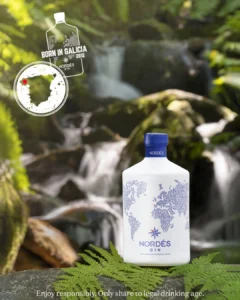
At Solis Group, dive into the world of premium gins from the vibrant Gunpowder Irish Gin with Sardinian Citrus to the coastal charm of Isle of Raasay Gin and the aromatic allure of Nordés Gin. It is no wonder enthusiasts call it the thinking person’s spirit. To understand gin is to understand creativity itself a blend of curiosity, craftsmanship, and chemistry that no other drink quite captures.
And that’s how gin keeps stealing the spotlight one story, one aroma, one perfectly balanced sip at a time.
FAQs
What makes gin unique compared to other clear spirits?
Juniper defines gin, while botanicals build its personality giving rise to hundreds of unique gin Flavors.
What is the secret behind a great gin cocktail?
Balance. The best gin enhances, never overshadows, its companions from citrus to herbs to tonic.
Which are the best gin brands to explore?
Classic names sit alongside rising stars like Kyro Gin, Isle of Raasay Gin, and Gunpowder Irish Gin with Sardinian Citrus Ceramic.
How do I learn how to make gin at home?
Start with understanding distillation and botanicals though legal production requires licensing; gin infusions can be safely recreated for educational purposes.
What defines the best gin in India today?
Local distilleries using indigenous ingredients Himalayan juniper, lemongrass, and citrus — are creating India’s own gin identity.
How do small batch gin producers differ from large-scale brands?
They prioritize craftsmanship, local sourcing, and experimentation over volume each batch tells a unique story.
What is a good fruity gin for beginners?
Look for gins that use berries, citrus, or floral botanicals ideal bases for light, refreshing gin drinks like a pink gin tonic.
Why is gin considered the most versatile spirit?
Because it bridges worlds science and art, tradition, and trend with endless ways to experiment through gin recipes and cocktails.
-
 True Essence of Champagne Comes from Its Grape Varieties
 -
Gin and Tonic Offers Superior Harmony than Cocktails
-
Spanish White Wine Varieties from Coast to Mountains
-
Beer Styles Decoded So Enjoy Your Pint on Your Own Terms
-
Reading Red Wine Tasting by Aroma Flavor and Finish
-
Battle of Purity vs Balance in Single Malt and Blended Whisky
-
Anatomy of Vodka Texture Driven by Its Base Ingredients
-
Signature Power of Port Wine Beyond the Fortified Sherry
-
Vermouth’s Botanical Deserves spot on World Vermouth Day
-
International Riesling Day Honors the Iconic Riesling Wine
-
Christmas Cocktails You Can Make at Home
-
Sound Of Christmas Wine And Cheese?
-
A Fresh Take on New Year’s Resolutions
-
The Art of Smelling Wine Like a True Connoisseur
-
Looking for the Best Wine? Here's Where to Find It!
-
Read This Before You Buy Your Dad a Whisky.
-
The Art of Pairing Wine with Indian Food
-
Whiskey on the Rocks — Cool Choice or Flavor Mistake?
-
The Ingredients & Botanicals That Define Gin
-
Seven Days of Love — Wine for Valentine’s Week





-
Gin and Tonic Offers Superior Harmony than Cocktails
-
Spanish White Wine Varieties from Coast to Mountains
-
Reading Red Wine Tasting by Aroma Flavor and Finish
-
Battle of Purity vs Balance in Single Malt and Blended Whisky
-
Anatomy of Vodka Texture Driven by Its Base Ingredients
-
Signature Power of Port Wine Beyond the Fortified Sherry
-
Vermouth’s Botanical Deserves spot on World Vermouth Day
-
International Riesling Day Honors the Iconic Riesling Wine
-
Celebrate Holi with Gin cocktails and Fearless Colours
-
Irish Whiskey rise from Global Lounges to Curated Shelves