

Irish Whiskey rise from Global Lounges to Curated Shelves
There was a time when Irish whiskey lived comfortably in one lane: heritage, hospitality, and the reassuring weight of tradition. It sat confidently on polished wooden shelves in old pubs and in the cabinets of those who appreciated something smooth after dinner. Respectable. Familiar. Uncomplicated.
Today, however, Irish whiskey has a passport.
It moves through departure lounges where light floods through glass terminals and premium spirits are displayed like objects and art. It reappears thousands of miles away in thoughtfully curated Irish whiskey bars, surrounded by cut-crystal glassware, minimalist trays, and conversations about cask finishes. Somewhere between the runway and the living room, Irish whiskey has quietly repositioned itself not by shouting, but by showing up differently.
This is not simply growth. It is leadership.
Airports as the New Global Stage
Step into any major international airport and you will notice something subtle but powerful. Travel retail is no longer a convenience stop; it is a theatre of aspiration. Shelves are designed with the precision of luxury boutiques. Lighting is deliberate. Packaging matters.
In this space, Irish whiskey brands have evolved from participants to presence.
Airports function as discovery zones. Travelers are in a mindset of exploration. They are open to trying something new, learning a story, or selecting a gift that signals taste and discernment. The setting amplifies perception. A bottle encountered between boarding announcements and passport checks feels global by default.
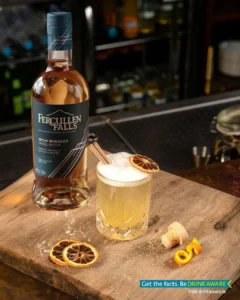
Fercullen Falls Small Batch Blended Irish Whiskey, which often makes its way into travel retail displays, exemplifies a blended Irish whiskey that balances approachability and nuanced flavour. It invites both novice and experienced travellers to engage with something distinctive.
There is also psychology at play. Travel carries a sense of occasion. And occasions tend to elevate choices. In these curated environments, Irish whiskey does not compete as a regional spirit. It stands shoulder to shoulder with long-established luxury categories, confidently occupying premium real estate.
Airports, in this sense, have become global showrooms and best Irish whiskey is no longer just a local tradition; it is an international presence.
A Spirit That Understands Modern Taste
Beyond visibility, there is versatility.
Irish whiskey’s smooth character and layered complexity make it uniquely adaptable to contemporary drinking culture. Modern bartenders those meticulous architects of balance and presentation appreciate spirits that can stretch across styles without losing identity. Irish whiskey types such as single pot still, grain, and blended varieties allow bartenders to experiment creatively while keeping authenticity intact.
It can hold structure in a stirred creation.
It can bring warmth to a citrus-forward blend.
It can stand alone in a tasting glass without demanding theatrics.
This flexibility has allowed good Irish whiskey to become part of a new generation of refined mixed serves the kind that prioritize craft over excess. The emphasis is no longer on volume or bravado. It is on texture, aroma, and storytelling.
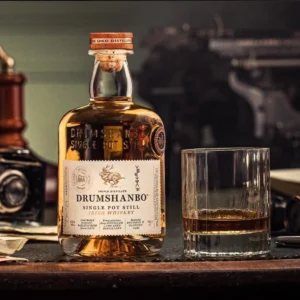
Meanwhile, consumers are becoming more curious. They ask about cask types. They notice aging statements. They compare finishes. They want to understand the difference between a single malt and a blend. Drumshanbo Single Pot Still Irish Whiskey is a perfect example its unique pot still heritage and innovative cask finish give enthusiasts something to discuss and savor. Its Irish whiskey taste is complex yet approachable, inviting exploration without intimidation.
The result is not louder marketing. It is deeper engagement.
Premiumisation Without Pretension
There is a fine line between luxury and intimidation. Irish whiskey has managed to move upward without losing approachability.
Across the category, you can see clear signals of premiumisation:
- More intricate cask finishes.
- Elevated packaging design.
- Transparent production stories.
- Distilleries highlighting sustainability efforts.
- Smaller batch releases that emphasize craftsmanship.
Yet, unlike some categories that lean heavily into exclusivity, triple distilled Irish whiskey retains a welcoming tone. It does not demand expertise to be appreciated. It invites curiosity.
This balance prestige without stiffness is part of what allows it to lead. It feels modern rather than museum-like. It signals refinement without requiring a rulebook.
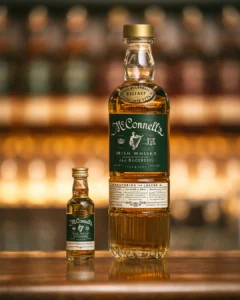
Even approachable blends like Mcconnell’s Blended Irish Whiskey illustrate this perfectly: easy to enjoy, yet layered enough to reward exploration, making it a versatile addition to home bars and curated collections alike.
The Rise of the Sophisticated Home Bar
If airports represent the global stage, the home bar represents intimacy.
In recent years, entertaining at home has evolved from casual hosting to curated experience. Shelves are styled. Glassware is chosen intentionally. Conversations about flavour profiles have replaced generic small talk about “something strong.”
Irish whiskey bars at home have become destinations for taste, conversation, and shared discovery.
Irish whiskey fits seamlessly into this environment.
It suits:
- The host who enjoys explaining the nuances of a sherry cask finish.
- The friend who appreciates smoothness without overwhelming smoke.
- The guest who is whiskey-curious but not yet category-loyal.
The modern home bar is not about excess. It is about selection. And selection implies discernment. Irish whiskey’s expanding portfolio from elegant blends to complex single malts offers depth without clutter.
There is also humour in how this has evolved. The once-dusty bottle tucked behind mismatched glassware has transformed into a centrepiece of conversation. It now sits proudly, sometimes flanked by houseplants and design magazines, as if it has always belonged there.
Innovation as a Quiet Engine
Behind the scenes, distilleries have been busy.
Irish whiskey producers are experimenting with cask finishes that once seemed unconventional: wine barrels, rum casks, port pipes, and beyond. These finishing techniques introduce subtle layers fruit, spice, sweetness that resonate with global tastes.
Innovation is not limited to flavour. Sustainability has become increasingly visible. Grain sourcing, water stewardship, and energy use are no longer afterthoughts. They are integrated into brand narratives because modern consumers care about how products are made, not just how they taste.
This blend of innovation and responsibility strengthens Irish whiskey’s leadership position. It signals forward motion without abandoning tradition.
Competing on the Global Spirits Map
Irish whiskey occupies an interesting middle ground in the global brown spirit’s landscape.
Compared to heavily peated Scotch, Irish whiskey vs Scotch often feels softer.
Compared to bold American styles, it can feel more restrained.
That restraint is not weakness. It is versatility.
Its perceived smoothness makes it accessible to newcomers, while its complexity satisfies seasoned enthusiasts. It can be part of a tasting flight or a thoughtfully constructed mixed serve. It adapts without losing character.
This adaptability has helped it gain traction in diverse markets from North America to Asia to key travel corridors in the Middle East. As global mobility continues to rebound, the spirit’s presence in transit hubs reinforces its identity as internationally relevant.
It does not feel confined to geography. It feels borderless.
Culture, Identity, and Modern Ireland
Irish whiskey’s momentum also mirrors a broader cultural narrative. Modern Ireland projects creativity, design, technology, and global connectivity. The country’s spirits category reflects that same duality: deeply rooted, yet forward-looking.
Heritage remains central. Stories of distillation, craft, and resilience matter. But those stories are now told through contemporary design language and global distribution networks.
Younger consumers are discovering Irish whiskey not as a relic, but as a relevant choice. It appears in design-forward bars, on curated tasting menus, and in social media imagery that emphasizes aesthetics and atmosphere.
The message is subtle but clear: tradition can travel.
Why It Leads Now
Leadership in the spirits world rarely comes from volume alone. It comes from alignment.
Irish whiskey is aligned with:
- A globalized consumer who travels frequently.
- A home entertainer who values curation.
- A bartender who seeks versatility.
- A buyer who appreciates craftsmanship.
- A generation that equates luxury with experience rather than excess.
It appears in departure lounges where global citizens browse thoughtfully. It appears in home bars were hosts curate carefully. It bridges movement and stillness, exploration, and ritual.
And it does so without overstatement.
Conclusion
A traveller pauses in a bright terminal, drawn to a beautifully presented bottle that tells a story of Irish craft. Weeks later, that same spirit sits on a home bar shelf, part of a shared evening conversation among friends.
No aggressive promotion. No dramatic reinvention.
Just quiet confidence traveling well.
Irish whiskey leads not because it shouts the loudest, but because it adapts gracefully to where the modern consumer lives in transit and at home, in public and in private, in moments of discovery and moments of familiarity.
Experience a world of curated spirits selections with Solis Group, where thoughtful curation meets expert guidance for those who value exceptional quality. Connect us to explore our curated offerings.
Departure lounges may signal movement. Home bars may signal comfort.
Irish whiskey, increasingly, belongs to both.
FAQs
What makes Irish whiskey different from other whiskeys?
Irish whiskey is typically triple distilled and known for its smooth, approachable taste, making it versatile for sipping or mixing.
What are the main types of Irish whiskey?
Common types include single malt, single pot still, grain, and blended, each offering unique flavour profiles.
How is Irish whiskey enjoyed at home?
It can be savoured neat, in a refined mixed serve, or as part of a thoughtfully curated home bar collection.
Why is Irish whiskey popular in travel retail?
Airports and global hubs showcase it as a premium, approachable spirit, ideal for gifting or discovering new expressions.
What Flavors define good Irish whiskey?
Notes of vanilla, honey, fruit, and subtle spice are typical, offering balance and complexity without overpowering.
Can Irish whiskey be used in cocktails?
Yes, its smoothness and versatility make it ideal for classic or modern mixed drinks.
What is premiumisation in Irish whiskey?
It refers to the trend of elevated packaging, cask experimentation, and curated experiences that enhance perceived value.
How has Irish whiskey evolved recently?
It has expanded globally, moved into modern bars and home setups, and embraced creative finishes without losing heritage.
-
 Celebrate Holi with Gin cocktails and Fearless Colours
 -
 Irish Whiskey rise from Global Lounges to Curated Shelves
 -
 Your Cognac Obsession Starts when You Discover the Six Crus
 -
 Air Steals Bold Character from Single Malt Whiskey Bottles
 -
 We Ditched Wine this Valentine Week for Pink Gin
 -
 Surprise Your Valentine with Roses and Rosé Champagne
 -
 Wine Turns Valentine Week into a Test of Social Chemistry
 -
 India-EU Free Trade Agreement Signals Big Moment for Imported Wine
 -
 Single Vineyard Wines Follow Place and Blends keeps Balance
 -
 One Cask Decision That Can Ruin or Refine Irish Whiskey
-
 Christmas Cocktails You Can Make at Home
 -
 Sound Of Christmas Wine And Cheese?
 -
 A Fresh Take on New Year’s Resolutions
 -
 The Art of Smelling Wine Like a True Connoisseur
 -
 Looking for the Best Wine? Here's Where to Find It!
 -
 Read This Before You Buy Your Dad a Whisky.
 -
 The Art of Pairing Wine with Indian Food
 -
 Whiskey on the Rocks — Cool Choice or Flavor Mistake?
 -
 The Ingredients & Botanicals That Define Gin
 -
 Seven Days of Love — Wine for Valentine’s Week
-
Celebrate Holi with Gin cocktails and Fearless Colours
-
Irish Whiskey rise from Global Lounges to Curated Shelves
-
Air Steals Bold Character from Single Malt Whiskey Bottles
-
We Ditched Wine this Valentine Week for Pink Gin
-
Wine Turns Valentine Week into a Test of Social Chemistry
-
India-EU Free Trade Agreement Signals Big Moment for Imported Wine
-
Single Vineyard Wines Follow Place and Blends keeps Balance
-
One Cask Decision That Can Ruin or Refine Irish Whiskey
-
 Vermouth Adds Herbal Magic Without Losing Wine’s Essence
 -
 Gin and Vodka Teach How Flavors Can Be Bold Yet Gentle