
What Hidden Meanings Hide Behind Port Wine Labels
Ever turned a Port wine bottle slowly in your hands and wondered what all those fancy words really mean? Between the vintage years, family crests, and cryptic abbreviations, Port labels seem to speak a secret language known only to sommeliers and Portuguese grandmothers.
But here is the truth every label is a little story in disguise. A quiet clue about the wine’s soul, its aging journey, and the people who made it. Today, we will decide that story, one sip (figuratively) at a time.
What Is Port Wine, really?
Before we start reading the fine print, let us answer the classic question: what is Port wine?
Port is a fortified wine from Portugal’s Douro Valley, created by halting fermentation early with grape spirit. This preserves natural sweetness and builds a sturdy structure that can age gracefully for decades. The result? A wine with personality bold, aromatic, and layered like a century-old novel.
The Douro region’s steep terraces and sun-baked soil give Port its signature richness. From there, the wines are aged, blended, and bottled with precision, each label recording a bit of that heritage.
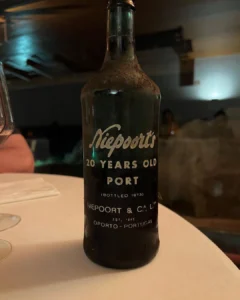
If you have ever admired the craftsmanship of a producer like Niepoort, one of Portugal’s most respected Port houses, you have glimpsed what centuries of winemaking history look like in a single design.
The Producer’s Name — A Family Signature in Ink
The first thing most people notice on a Port label is the name. Sometimes it is bold, sometimes written in elegant cursive, but always proud.
That is not marketing its family legacy. Many of the best wine brands in Portugal, like Graham’s, Taylor’s, and Niepoort, have been run by the same families for generations. When you see that name on a bottle, you are holding the sum of their patience and precision.
Every curve of the lettering and every crest tells you: “We’ve been doing this a long time and we still love it.”
Douro Valley, the Heartbeat of Port
No matter how pretty the label looks, the real authenticity check is one word: Douro.
Every genuine Port wine comes from the Douro Valley a region so steep and dramatic it seems drawn by an artist. Those sun-drenched vineyards carved into mountain terraces are where grapes like Touriga Nacional and Tinta Roriz thrive.
A proper Port label will always say “Douro DOC” or “Porto.” That is not just geography it is a seal of identity. Without that, it is not true Port.
The Age Game — Ruby, Tawny, and LBV Port Wine
Those elegant label terms — Ruby, Tawny, LBV are more than pretty words. They are time markers, revealing how your wine matured and what kind of story it is about to tell.
Ruby Port Wine
Ruby is youthful and vibrant, full of berry and cherry aromas. It is the extrovert of the Port family fresh, lively, and expressive.
Take the Niepoort Ruby Port wine, for example. It is crafted to preserve the fruit’s energy while balancing sweetness and depth. When you see “Ruby” on the label, expect colour, vibrancy, and a little drama in the glass.
Tawny Port Wine
Tawny is the philosopher — calm, wise, and slightly nostalgic. It is aged in oak casks, developing golden-brown hues and Flavors of nuts, caramel, and dried fruit.
A label reading “10-Year-Old Tawny” means the blend averages a decade of age. “20-Year-Old” or “30-Year-Old” steps deeper into history.
A producer like Niepoort, known for its remarkable Tawny Port Red wine, has mastered this balance of age and elegance for centuries.
LBV Port Wine
LBV stands for Late Bottled Vintage a single harvest aged longer in wood but released ready to enjoy.
It is smoother than young Ruby, less complex than Vintage, and just right for enthusiasts who love a balanced expression of fruit and maturity.
Think of Niepoort LBV Port patient, poised, and rich with quiet confidence.
Each of these terms tells a story about time, texture, and tradition. Once you learn the language, every label becomes a tiny autobiography.
The Fine Print — Small Words, Big Meanings
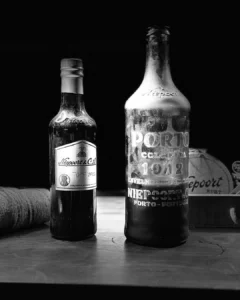
Below the grand names and vintage years lies the fine print and that is where the secrets hide.
- “Matured in Wood” means the wine aged in oak, developing layers of flavour and colour.
- “Bottle Matured” means it aged in glass, preserving freshness and fruitiness.
- ABV (Alcohol by Volume), usually around 19–22%, is not about strength it is about structure. Fortification keeps Port stable and age-worthy.
Even the lot number on the back label can trace the wine back to its origin cellar. Those digits may seem dull, but to a winemaker, they are fingerprints.
The Art of Design When Labels Flirt with History
A Port label is not just information it is a personality dressed in typography.
- Traditional fonts and ornate borders suggest heritage and prestige.
- Modern minimalist labels hint at small-batch or experimental producers.
- Matte paper and gold foil can signal craftsmanship and care.
Producers like Niepoort often blend both worlds marrying old-world charm with bold, modern graphics that appeal to new generations. That is not trendiness; it is storytelling through design.
Port Wine & Cheese — The Pairing Written Between the Lines
Hidden in every label is a hint of pairing potential. Even if it is not printed outright, the style gives it away.
- Ruby Port wine pairs beautifully with creamy cheeses like brie or young gouda.
- Tawny Port wine loves nutty, aged cheeses think cheddar or manchego.
- LBV Port wine finds harmony with semi-hard, slightly tangy cheeses.
When you see those styles on a label, you are really holding a map to the perfect Port wine & cheese evening no sommelier required.
How Aging is a Label’s Soul
Aging statements like “10 Years” or “20 Years” are not just numbers they are emotional timestamps.
They tell you how long the wine has listened to wood and air before it met glass.
Tawnies whisper of decades past. Rubies sing of youth. LBVs hum with quiet balance.
Reading those details helps you understand where the wine sits in its life a kind of vintage GPS for your senses.
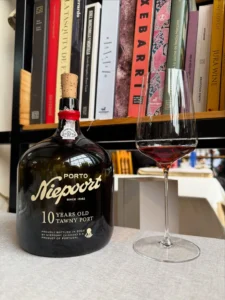
How to Drink Wine (The Port Edition)
Let us talk about how to drink wine without sounding like a textbook.
You do not need a crystal decanter or candlelight. The secret is curiosity.
Pour a small amount, look at the colour, swirl gently, and notice how the aroma blooms.
Every Port style from Niepoort Tawny to Niepoort LBV Port Red wine speaks in scent before flavour.
And the real trick? Listen. Good Port wine does not rush its story; it waits for you to catch up.
Choosing the Best Port Wine — Reading Beyond the Label
So, what makes the best Port wine? It is not just age or fame it is the authenticity.
Look for these on any label:
- Origin: Douro or Porto certified.
- Producer: Reputable names like Niepoort, were family craftsmanship spans generations.
- Style: Tawny, Ruby, or LBV, depending on your preference.
- Aging information: Numbers mean nuance.
The more you read labels, the more you realize you are not choosing wine, you are choosing stories.
The Emotional Side of Labels
A great Port label feels like poetry in miniature. The fonts, the words, even the punctuation each piece is deliberate.
It is how winemakers whisper their history, their weather, their patience.
That is why collectors often keep their Port wine bottles long after the last pour not as trophies, but as time capsules.
Each label is a reminder that patience, artistry, and attention to detail never go out of style.
Conclusion
Every Port wine bottle carries more than a name it carries a narrative. From the rolling vineyards of the Douro to the quiet cellars of producers like Niepoort, each label is an act of storytelling.
At Solis Group, we celebrate the artistry of Niepoort port wines. From the rich, complex Niepoort Tawny Port to the vibrant, bold Niepoort Ruby Port, each bottle reflects exceptional craftsmanship and timeless elegance. Experience the heritage and character that make every sip a journey into true port wine excellence.
So next time you hold one, do not just glance and pour. Read it like a love letter written in Portuguese ink — patient, poetic, and full of meaning. Because understanding what is Port wine is not about drinking it is about decoding history, one elegant label at a time.
FAQs
What is Port wine?
A fortified wine from Portugal’s Douro Valley, known for its sweetness, structure, and long life.
How can you tell a genuine Port wine?
Look for “Douro DOC” or “Porto” on the label, along with Portugal’s official guarantee seal.
What is the difference between Ruby and Tawny Port?
Ruby is fruity and young; Tawny is aged, nutty, and caramel-toned.
What does LBV Port mean?
It stands for Late Bottled Vintage — from one harvest, aged longer, and bottled ready to enjoy.
Why do Port bottles have official seals?
They ensure authenticity, traceability, and government-certified quality.
How to drink wine like Port properly?
Take your time. Observe colour and aroma. Appreciate the craftsmanship, not the quantity.
What is a good example of classic Port producers?
Historic houses like Niepoort, known for Ruby, Tawny, and LBV Ports, represent the region’s timeless expertise.
Which Port wine goes best with cheese?
Ruby for creamy, Tawny for aged, LBV for balanced — a match made in the Douro.
-
 True Essence of Champagne Comes from Its Grape Varieties
 -
Gin and Tonic Offers Superior Harmony than Cocktails
-
Spanish White Wine Varieties from Coast to Mountains
-
Beer Styles Decoded So Enjoy Your Pint on Your Own Terms
-
Reading Red Wine Tasting by Aroma Flavor and Finish
-
Battle of Purity vs Balance in Single Malt and Blended Whisky
-
Anatomy of Vodka Texture Driven by Its Base Ingredients
-
Signature Power of Port Wine Beyond the Fortified Sherry
-
Vermouth’s Botanical Deserves spot on World Vermouth Day
-
International Riesling Day Honors the Iconic Riesling Wine

-
Christmas Cocktails You Can Make at Home
-
Sound Of Christmas Wine And Cheese?
-
A Fresh Take on New Year’s Resolutions
-
The Art of Smelling Wine Like a True Connoisseur
-
Looking for the Best Wine? Here's Where to Find It!
-
Read This Before You Buy Your Dad a Whisky.
-
The Art of Pairing Wine with Indian Food
-
Whiskey on the Rocks — Cool Choice or Flavor Mistake?
-
The Ingredients & Botanicals That Define Gin
-
Seven Days of Love — Wine for Valentine’s Week






-
Gin and Tonic Offers Superior Harmony than Cocktails
-
Spanish White Wine Varieties from Coast to Mountains
-
Reading Red Wine Tasting by Aroma Flavor and Finish
-
Battle of Purity vs Balance in Single Malt and Blended Whisky
-
Anatomy of Vodka Texture Driven by Its Base Ingredients
-
Signature Power of Port Wine Beyond the Fortified Sherry
-
Vermouth’s Botanical Deserves spot on World Vermouth Day
-
International Riesling Day Honors the Iconic Riesling Wine
-
Celebrate Holi with Gin cocktails and Fearless Colours
-
Irish Whiskey rise from Global Lounges to Curated Shelves