

How Do Italian White Wine Varieties Differ from French
White wine is one of those fascinating subjects that can spark endless conversation sometimes elegant, sometimes chaotic, depending on who is holding the white wine glass. And when the conversation turns to Italy and France, you can practically feel centuries of grape-growing tradition humming in the background like a dramatic soundtrack.
These two countries sit side by side on the map, but their white wine varieties, aromas, and personalities are as different as espresso and croissants.
Let us explore those differences in detail with humour, history, terroir talk, and a few well-known wine examples purely for context.
Italy: Where White Wines Are Refreshing & Regionally Rooted
Italy loves diversity in food, in landscapes, and especially in white wine. From crisp alpine grapes to sun-soaked coastal varieties, Italian whites are known for their freshness, their vibrant white wine flavour, and their unmistakable personality.
They are generally:
- citrus-forward
- mineral-driven
- refreshing
- subtly aromatic
- excellent for thoughtful white wine pairing
Pinot Grigio — Italy’s Fresh-Faced Favourite
Pinot Grigio is famously easy-going, bright, and clean. A great real-world example is the Ilauri Tavo Pinot Grigio DOC White Wine, known for representing the classic Italian style: citrus-led aromas, green apple freshness, and that crisp finish people often associate with Italy’s most iconic white wine type.
Common aroma notes:
- lemon
- white flowers
- pear
- soft minerality
It is the uncomplicated friend everyone appreciates.
Gavi (Cortese) — Italy’s Polished Gem
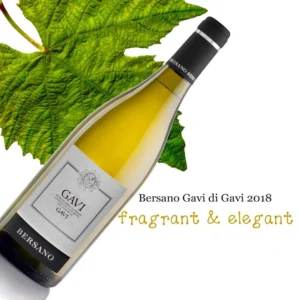
Refined yet refreshing, Gavi always brings elegance. A notable example of this regional character is Bersano Gavi Di Gavi White Wine, which illustrates the style’s signature:
- clean citrus
- white peach
- delicate formality
- gentle minerality
It sits comfortably in the category of whites that feel balanced, calm, and naturally graceful.
Verdicchio — Almond-Kissed Sophistication
Verdicchio often surprises newcomers with its complexity. It brings:
- lemon
- crushed herbs
- almond
- fresh acidity
It is a deliciously understated grape that rewards slow, attentive white wine tasting.
Vermentino — The Salty Breeze of the Coast
Italian Vermentino tastes like sunshine meeting ocean air:
- lime
- herbs
- sea spray
- floral notes
If wines could tell beach stories, this would be the narrator.
Fiano — The Deep Thinker
Fiano tends to be fuller, richer, and more textured than many Italian whites — ideal for fans of layered aromas such as:
- honey
- toasted nuts
- warm florals
It often appeals to those curious about more structured white wine varieties.
France: White Wines with Artistry
French winemaking philosophy often revolves around terroir the idea that soil, climate, and geography play major roles in the final aroma and texture of the wine.
French whites are commonly:
- expressive
- structured
- aromatic
- regionally precise
- intentionally layered
If Italian whites are lively conversation, French whites are eloquent essays.
Chardonnay — The Multi-Personality Classic
French Chardonnay is famously versatile and expressive.
Take Hobnob Chardonnay White Wine, for example — a modern expression showcasing the grape’s ability to shift between crisp fruit notes and rounder, smoother textures.
Chardonnay can display:
- citrus
- green apple
- stone fruit
- mineral tones
- occasional creaminess
It bends to the will of the region, climate, and winemaking style.
Sauvignon Blanc (Loire) — Zesty & Herbaceous
French Sauvignon Blanc is vivid, grassy, and aromatic — offering:
- lime
- gooseberry
- herbs
- clean minerality
It is the energetic type of white wine that captures attention without becoming overpowering.
Alsace Whites — Aromatic Masterpieces
Alsace is known for expressive whites with personality.
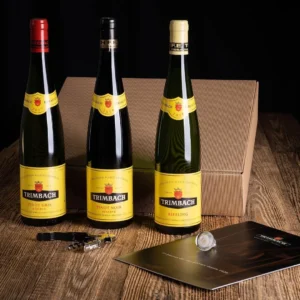
The region’s character is beautifully showcased in wines like Trimbach Riesling White Wine, which is often admired for:
- bright acidity
- stone fruit
- citrus
- mineral complexity
Alsace wines invite you to explore layers of aroma and texture with curious intention
Sémillon — Quiet Luxury
Sémillon adds soft roundness, warmth, and structure, especially when blended.
Expect:
- gentle florals
- mild honey
- smooth texture
It is calm, elegant, and subtly complex.
What Actually Makes Their White Wines Different
Italy and France may share a border, but when it comes to white wine varieties, they practically live on different planets. Italy prefers brightness, spontaneity, and regional personality. France prefers structure, complexity, and terroir philosophy that could inspire a 600-page textbook. Let us break this down thoroughly.
Flavour & Aroma Profiles
Italy’s Signature Personality
Italian whites tend to taste like sunshine filtered through citrus orchards. They Favor:
- Lemon and lime zest (think of the refreshing profile of Ilauri Tavo Pinot Grigio DOC White Wine)
- Green apple crunch
- Fresh herbs like basil or thyme
- Gentle minerality, especially from regions near the coast or higher elevations
- Subdued florals that whisper instead of shout
Italian whites work hard to be refreshing. They are rarely loud, and they almost always show off a purity of fruit that feels clean and lively.
A wine like Bersano Gavi Di Gavi White Wine is an excellent example of this clarity — its floral lift and citrus backbone reflect that Italian “less is more” aromatics philosophy.
France’s Signature Expression
French whites, on the other hand, often embrace richer, layered expressions—like the grape equivalent of a well-structured novel.
Expect:
- White peach, pear, apricot
- Complex florals like acacia or honeysuckle
- Pronounced minerality, especially in regions like Chablis and Alsace
- Botanical notes, depending on climate
French wines deliver layers. One moment you are smelling citrus; the next, you are sensing stone fruit or wet river stone.
Take Hobnob Chardonnay White Wine as a stylistic example: it reflects how Chardonnay can shift from fresh orchard fruit to rounder, more textured expressions depending on regional influence.
And in Alsace, the aromatic drama is even more vivid. A wine like Trimbach Riesling White Wine demonstrates sharp citrus, deep minerality, and a focused aroma profile that evolves with air.
In short:
- Italy = refreshing clarity
- France = aromatic storytelling
Both beautiful. Both distinct.
Body & Texture Differences — Light vs. Layered
Now let us talk about how these wines feel in the mouth because texture is a major part of the Italian-French divide.
Italy’s Lighter, Cleaner Feel
Most Italian whites lean toward:
- light, crisp textures
- medium-bodied finesse
- clean, linear structure
They glide across the palate like silk or linen—smooth, fresh, and very easy to interpret.
Even Italy’s richer whites, like Fiano or volcanic-region wines, often maintain a sense of balance and brightness rather than heaviness.
France’s Expanded Textural Range
French whites run the full spectrum:
- light and racy (like many Loire wines)
- medium-bodied with minerality (common in Burgundy)
- full-bodied and complex (seen in certain Chardonnay and Alsace whites)
Depending on oak influence (or complete lack thereof), French whites can shift dramatically:
- Stainless steel → crisp, vibrant
- Neutral oak → gentle roundness
- New oak → rich, layered, textured
This gives French whites an incredible flexibility they can be feather-light, moderately structured, or confidently full-bodied.
Winemaking Traditions
Italian and French winemakers approach white wine like two chefs with different culinary philosophies.
Italy: Freshness Above All
Italy’s winemaking often emphasizes:
- Stainless-steel fermentation to protect freshness
- Cooler fermentation temperatures for crisp aromatics
- Minimal oak (with exceptions)
- Focus on preserving acidity
- Grape purity rather than added texture
The goal? Whites that feel bright, immediate, and naturally expressive of their grapes.
This approach is why Italian whites like Ilauri Tavo Pinot Grigio DOC White Wine feel so crisp and clean they showcase the grape itself, not layers of winemaking influence.
France: Terroir & Technique Intertwined
France views white wine as the intersection of:
- grape
- soil
- climate
- craftsmanship
Winemakers may use oak or not use oak, but the choice is deliberate not stylistic for its own sake.
Their techniques may include:
- Extended lees contact (adds texture, nuttiness, or creaminess)
- Oak aging for structure
- Precision blending
- Terroir-specific methods unique to each region
For example, regions that produce wines like Hobnob Chardonnay White Wine may lean into oak or steel depending on the desired texture. Meanwhile, producers like those behind Trimbach Riesling White Wine rely on steel and lees aging to highlight aromatic clarity and mineral tension.
France uses technique to accentuate terroir; Italy uses technique to protect freshness.
Both are valid just different wines.
Food Pairing Approaches
Pairing food with wine is not just a hobby in these countries it is a cultural cornerstone.
Italy: Regional Harmony
Italian food and wine often grow up side by side.
So Italian whites tend to:
- Complement regional cuisine naturally
- Highlight clean Flavors
- Refresh the palate
- Balance acidity
Pinot Grigio pairs effortlessly with northern Italian dishes because they evolved together.
Gavi matches lighter Mediterranean Flavors due to its structure and citrus brightness.
It is like nature planned it that way.
France: Structure Meets Cuisine
French food pairing relies more on balancing structural components:
- acidity
- aroma
- texture
- weight
For example:
- Loire Sauvignon Blanc complements herbal dishes due to its grassy aromas
- Burgundy Chardonnay suits creamy dishes due to its rounder body
- Alsace whites match aromatic or spicy foods because they mirror those characteristics
French whites often feel like they were engineered for culinary precision the wine does not just accompany the dish; it dialogues with it.
Choosing the Best White Wine Style for You
Selecting the ideal white wine style is not about “good” or “better” it is about what resonates with your preferences, your sensory style, and your curiosity. Here is a deeper guide to help shape your white wine selection.
Choose Italian Whites If You Prefer
Bright, Refreshing Aromas
Italian whites often evoke:
- lemon
- lime
- subtle florals
- crisp green fruit
Ideal for those who enjoy wines that feel invigorating rather than layered.
Clean, Zesty Flavors
Pinot Grigio, Gavi, Vermentino, and Trebbiano are known for their clean profiles.
Subtle Aromatic Complexity
They do not overwhelm your nose — instead, they build a calm, balanced profile that unfolds gently.
Straightforward Mineral Texture
Italy’s volcanic and coastal soils create a dryness and minerality that feels refreshing and grounded.
Italian whites are perfect for people who appreciate finesse and purity.
Choose French Whites If You Prefer
Layers of Aroma & Character
French whites are great for those who enjoy:
- orchard fruits
- florals
- herbs
- stone minerality
They often reveal new aromatic elements with every swirl.
A Wider Range of Texture
From light Loire whites to full-bodied Chardonnays, France spans the entire textural spectrum.
Terroir-Driven Nuance
If you find joy in tasting how geography impacts flavour, French whites offer endless education.
Wines That Encourage Slow Exploration
Many French whites evolve beautifully as they sit in the glass, offering new layers every few minutes.
Not Sure Yet? Let the Examples Guide You
- If you appreciate the refreshing simplicity found in Ilauri Tavo Pinot Grigio DOC White Wine, then Italian whites may speak your language.
- If you enjoy the poised elegance shown by Bersano Gavi Di Gavi White Wine, Italian whites with minerality may suit you.
- If you lean toward the textured, balanced style echoed by Hobnob Chardonnay White Wine, then certain French-influenced Chardonnays might appeal to you.
- If you enjoy the aromatic sharpness and minerality shown in Trimbach Riesling White Wine, then Alsace whites may be your sensory soulmate.
You Do not Have to Pick a Side
Italian whites are energetic and clean; French whites are structured and expressive.
Both offer rich learning experiences for anyone curious about white wine types, aromas, and culture.
You might love:
- Italian whites for their refreshing brightness
- French whites for their layered depth
Or you might enjoy both depending on the mood. There is no competition here only discovery.
Conclusion
Italy and France each offer a world of distinct white wine traditions.
Italian whites sparkle with freshness, minerality, and subtle charm.
French whites deliver expressive aromas, textured bodies, and depth shaped by centuries of terroir-focused techniques.
At Solis Group the crisp profile of Ilauri Tavo Pinot Grigio DOC White Wine to the elegant structure of Bersano Gavi Di Gavi White Wine, and from the expressive style of Hobnob Chardonnay White Wine to the refined minerality of Trimbach Riesling White Wine, these wines demonstrate just how diverse white wine craftsmanship can be without suggesting consumption or encouraging purchasing, simply acknowledging their stylistic identity in the world of white wine varieties.
Both countries bring something beautiful to the glass—aroma, character, and heritage worth appreciating thoughtfully and responsibly.
FAQs
What makes Italian white wines different from French whites?
Italian whites are generally crisp, citrusy, and mineral-driven, focusing on freshness. French whites are more layered, expressive, and terroir-focused, with complex aromas and textures.
Are Italian whites always light-bodied?
Most Italian whites are light to medium-bodied, but grapes like Fiano or volcanic-region varieties can produce fuller-bodied wines. Italy emphasizes freshness rather than weight.
Why do French whites have more aromatic complexity?
French winemakers highlight terroir and often use techniques like lees aging or oak influence, which deepen aroma and flavour layers. Regions like Alsace and Burgundy are especially expressive.
What are some iconic Italian white wine varieties?
Popular Italian whites include Pinot Grigio, Gavi (Cortese), Vermentino, Fiano, and Verdicchio, known for their freshness, citrus, and minerality.
Which French white wines are most renowned?
Chardonnay from Burgundy, Sauvignon Blanc from the Loire, Alsace Riesling, and Sémillon from Bordeaux are classic French whites celebrated for their structure and aromatic depth.
How does terroir influence white wine flavour?
Soil, climate, and geography shape aroma, acidity, and texture, giving wines from the same grape different personalities in Italy and France. Terroir is especially critical in French winemaking.
Are Italian or French whites better for food pairing?
Both pair well with food, but Italy focuses on regional harmony, while French wines balance structure and aromatics to complement specific dishes.
Which white wines are easiest for beginners?
Italian Pinot Grigio and French Sauvignon Blanc are approachable, with clear, fresh Flavors and moderate complexity, making them ideal starting points for tasting exploration.
-
 Celebrate Holi with Gin cocktails and Fearless Colours
 -
 Irish Whiskey rise from Global Lounges to Curated Shelves
 -
 Your Cognac Obsession Starts when You Discover the Six Crus
 -
 Air Steals Bold Character from Single Malt Whiskey Bottles
 -
 We Ditched Wine this Valentine Week for Pink Gin
 -
 Surprise Your Valentine with Roses and Rosé Champagne
 -
 Wine Turns Valentine Week into a Test of Social Chemistry
 -
 India-EU Free Trade Agreement Signals Big Moment for Imported Wine
 -
 Single Vineyard Wines Follow Place and Blends keeps Balance
 -
 One Cask Decision That Can Ruin or Refine Irish Whiskey
-
 Christmas Cocktails You Can Make at Home
 -
 Sound Of Christmas Wine And Cheese?
 -
 A Fresh Take on New Year’s Resolutions
 -
 The Art of Smelling Wine Like a True Connoisseur
 -
 Looking for the Best Wine? Here's Where to Find It!
 -
 Read This Before You Buy Your Dad a Whisky.
 -
 The Art of Pairing Wine with Indian Food
 -
 Whiskey on the Rocks — Cool Choice or Flavor Mistake?
 -
 The Ingredients & Botanicals That Define Gin
 -
 Seven Days of Love — Wine for Valentine’s Week
-
Celebrate Holi with Gin cocktails and Fearless Colours
-
Irish Whiskey rise from Global Lounges to Curated Shelves
-
Air Steals Bold Character from Single Malt Whiskey Bottles
-
We Ditched Wine this Valentine Week for Pink Gin
-
Wine Turns Valentine Week into a Test of Social Chemistry
-
India-EU Free Trade Agreement Signals Big Moment for Imported Wine
-
Single Vineyard Wines Follow Place and Blends keeps Balance
-
One Cask Decision That Can Ruin or Refine Irish Whiskey
-
 Vermouth Adds Herbal Magic Without Losing Wine’s Essence
 -
 Gin and Vodka Teach How Flavors Can Be Bold Yet Gentle