

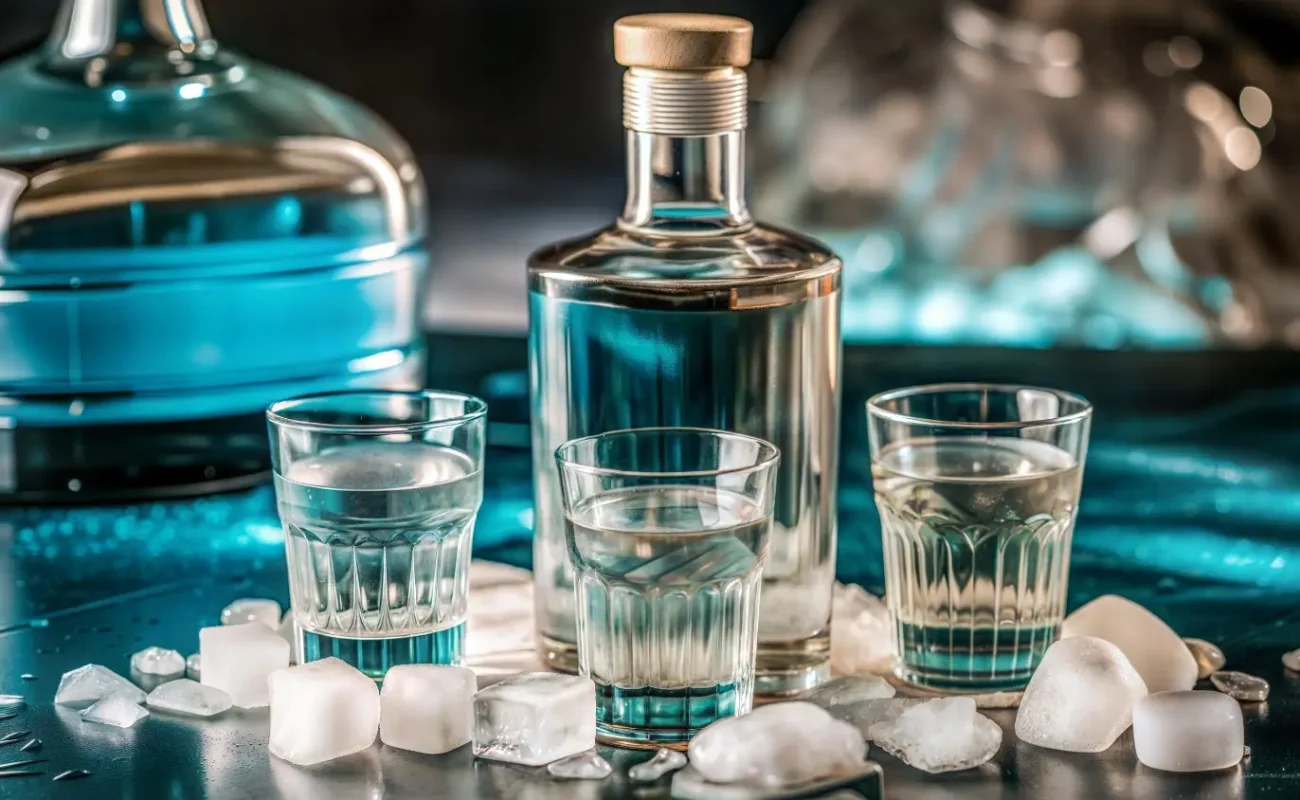
Anatomy of Vodka Texture Driven by Its Base Ingredients
Vodka is often described as a neutral spirit clear, clean, and largely indistinguishable from one brand to another. This perception, while widespread, oversimplifies a far more nuanced reality. Beneath its transparent appearance lies a spectrum of subtle yet significant differences that influence how vodka feels on the palate.
To truly understand vodka texture, one must go beyond the idea of neutrality and explore its structure and sensory depth. Rather than bold Flavors, vodka expresses itself through texture, weight, and mouthfeel. These characteristics are not accidental; they are shaped from the very beginning of the production process starting with the base ingredient.
Whether derived from grains, potatoes, fruits, or sugar sources, the raw material essentially what vodka made from plays a decisive role in defining the tactile experience of the final spirit. This is why even among best vodka brands; noticeable differences can exist.
What Is Mouthfeel in Vodka?
Mouthfeel refers to the physical sensations a liquid creates in the mouth. In vodka, where strong Flavors are intentionally minimized, these sensations become the primary differentiator.
Common descriptors include:
- Creamy – smooth, dense, and coating
- Silky – refined, soft, and flowing
- Oily – slightly viscous with a lingering presence
- Thin – light, sharp, and quick to dissipate
These tactile impressions shape the overall experience of a vodka drink, even in the absence of pronounced flavour.
Key Scientific Factors
Several microscopic elements contribute to these sensations:
- Glycerol: Adds smoothness and viscosity
- Congeners: Trace compounds that influence body and texture
- Fatty acids and oils: Derived from raw materials
- Water composition: Minerals subtly alter smoothness
- Ethanol structure: Impacts perceived heat and sharpness
Together, these components create the framework for vodka’s mouthfeel, which becomes more evident when comparing types of vodka.
The Role of Base Ingredients
Vodka can be produced from nearly any fermentable material. Common bases include:
- Grains (wheat, rye, corn, barley)
- Potatoes
- Fruits (such as grapes or apples)
- Sugar sources (like molasses or sugarcane)
Each base brings a unique chemical composition different starches, sugars, proteins, and lipids which influences fermentation outcomes and, ultimately, the texture of the distilled spirit.
This diversity explains why vodka texture can vary widely depending on the raw material used.
Grain-Based Vodkas
Grain vodkas are among the most widely produced, valued for their balance and versatility.
Wheat Vodka
Wheat tends to produce a soft and gently rounded texture. This makes it a common foundation for many premium vodka expressions that emphasize smoothness.
Rye Vodka
Rye introduces a crisper and more structured texture, often preferred in classic preparations like the vodka martini.
Corn Vodka
Corn-based vodkas are typically fuller and slightly sweeter in texture, contributing to a more substantial mouthfeel.
Barley Vodka
Barley creates a moderate body with faint malty undertones, offering balance and subtle depth.
Potato Vodkas
Signature Characteristics
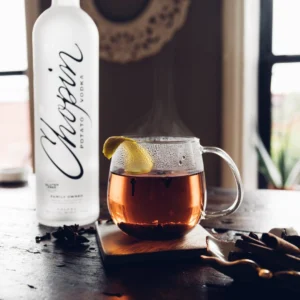
Potato-based vodkas are often associated with a rich, creamy, and viscous mouthfeel, making them stand out among different types of vodka. A well-known example is Chopin Potato Vodka, often cited for its pronounced texture.
Why Potatoes Create Thickness
Potatoes are high in starch, which during fermentation can lead to increased production of glycerol and other compounds that enhance viscosity.
Perception vs Reality
While potato vodkas may feel heavier, this does not necessarily mean they are stronger in flavour. The distinction lies primarily in texture. In more refined expressions such as Chopin Family Reserve Vodka, this creaminess is often further elevated through careful production
Fruit-Based Vodkas
Grape-Based Vodkas
Those made from grapes often exhibit a silky, refined vodka texture, sometimes used in innovative profiles such as mango chilli vodka infusions.
Apple and Other Fruit Bases
Fruit-based vodkas are typically crisp and delicate, offering a lighter body and clean finish.
Sugarcane and Molasses Vodkas
Texture Profile
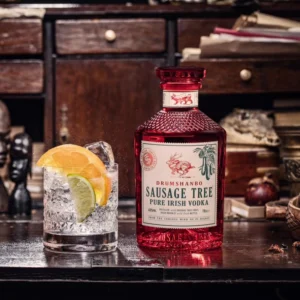
Vodkas derived from sugarcane or molasses often display a rounded, slightly syrupy texture, contributing to what many describe as an amazing vodka experience. An example of a distinct base-driven spirit is Sausage Tree Pure Irish Vodka, which highlights how alternative raw materials can influence mouthfeel.
Fermentation Influence
Sugar-based fermentations produce fewer heavy byproducts, helping maintain clarity while achieving a soft mouthfeel.
How Fermentation Amplifies Texture
The fermentation stage is where much of the textural foundation is established.
- Yeast selection influences glycerol production
- Temperature affects compound development
- Duration impacts richness or lightness
These variables can differentiate standard spirits from truly premium vodka expressions.
Distillation: Refining or Stripping Texture
Column vs Pot Distillation
- Column distillation produces a cleaner, lighter spirit
- Pot distillation retains more body and texture
Number of Distillations
More distillation increases purity but may reduce mouthfeel, which is why not all best vodka brands pursue extreme refinement.
Filtration: The Texture Shaper
Charcoal Filtration
Removes impurities, resulting in a lighter, crisper texture.
Alternative Methods
Less aggressive filtration preserves more body and complexity.
Water: The Silent Contributor
Water used in dilution affects:
- Smoothness
- Weight
- Overall integration
Its role is often overlooked, even among well-known imported vodka brands
A Framework for Evaluating Vodka Texture
Observational Techniques
- Swirl and observe viscosity
- Note how it spreads across the palate
- Evaluate the finish
Comparative Approach
Side-by-side tasting reveals differences in:
- Body
- Smoothness
- Finish
This is especially useful when exploring bases behind vodka made from different ingredients.
Common Myths Debunked
- “All vodka is the same”
- “More distillation equals better quality”
- “Base ingredients don’t matter”
These myths persist despite clear differences across types of vodka.
Texture and Application in Mixed Drinks
Even in mixed formats, texture matters:
- Fuller vodkas add depth
- Lighter ones enhance freshness
This is evident across various best vodka cocktails, where balance depends on mouthfeel as much as flavour.
Creative variations vodka from different region blends further highlight how texture interacts with added elements.
Conclusion
Vodka may be subtle, but it is far from uniform. Its texture whether creamy, crisp, silky, or light is shaped by decisions made at every stage of production.
Understanding vodka from a structural perspective reveals that it is not just a neutral spirit, but a carefully crafted liquid defined by its origins.
As an importer of curated wines and spirits, Solis Group engages with partners seeking to elevate their beverage selections through reliable sourcing and expertise. Connect with us to explore opportunities.
Whether explored on its own or within best vodka cocktails, recognizing these differences allows for a more informed and refined appreciation of this remarkably versatile spirit one that continues to evolve into what many now consider truly amazing vodka.
FAQs
Does the base ingredient really affect vodka texture?
Yes, the raw material plays a key role in shaping mouthfeel. Different starches, sugars, and compounds influence how smooth, creamy, or crisp the vodka feels.
Why do some vodkas feel thicker than others?
Thickness often comes from glycerol and residual compounds formed during fermentation. Ingredients like potatoes tend to produce a more viscous, fuller-bodied texture.
Is grain vodka lighter than potato vodka?
Generally, grain-based vodkas feel lighter and cleaner on the palate. Potato-based versions are usually richer and creamier in comparison.
Does distillation change mouthfeel?
Yes, higher levels of distillation remove more compounds, making vodka smoother but often lighter. Fewer distillations can retain more body and texture.
Can filtration affect how vodka feels?
Filtration refines the spirit by removing impurities, which can make it cleaner and crisper. Minimal filtration may preserve more weight and texture.
What role does water play in vodka texture?
Water used for dilution impacts smoothness and structure. Mineral content can subtly enhance or soften the overall mouthfeel.
Are fruit-based vodkas lighter in texture?
Yes, fruit-based vodkas are typically more delicate and crisper. They tend to have a lighter body and a quicker, cleaner finish.
How can you identify vodka texture while tasting?
Pay attention to how it coats your tongue and how long it lingers. A fuller vodka feels heavier and smoother, while a lighter one fades quickly.
-
 Anatomy of Vodka Texture Driven by Its Base Ingredients
 -
 Signature Power of Port Wine Beyond the Fortified Sherry
 -
 Vermouth’s Botanical Deserves spot on World Vermouth Day
 -
 International Riesling Day Honors the Iconic Riesling Wine
 -
 Celebrate Holi with Gin cocktails and Fearless Colours
 -
 Irish Whiskey rise from Global Lounges to Curated Shelves
 -
 Your Cognac Obsession Starts when You Discover the Six Crus
 -
 Air Steals Bold Character from Single Malt Whiskey Bottles
 -
 We Ditched Wine this Valentine Week for Pink Gin
 -
 Surprise Your Valentine with Roses and Rosé Champagne
-
 Christmas Cocktails You Can Make at Home
 -
 Sound Of Christmas Wine And Cheese?
 -
 A Fresh Take on New Year’s Resolutions
 -
 The Art of Smelling Wine Like a True Connoisseur
 -
 Looking for the Best Wine? Here's Where to Find It!
 -
 Read This Before You Buy Your Dad a Whisky.
 -
 The Art of Pairing Wine with Indian Food
 -
 Whiskey on the Rocks — Cool Choice or Flavor Mistake?
 -
 The Ingredients & Botanicals That Define Gin
 -
 Seven Days of Love — Wine for Valentine’s Week
-
Anatomy of Vodka Texture Driven by Its Base Ingredients
-
Signature Power of Port Wine Beyond the Fortified Sherry
-
Vermouth’s Botanical Deserves spot on World Vermouth Day
-
International Riesling Day Honors the Iconic Riesling Wine
-
Celebrate Holi with Gin cocktails and Fearless Colours
-
Irish Whiskey rise from Global Lounges to Curated Shelves
-
Air Steals Bold Character from Single Malt Whiskey Bottles
-
We Ditched Wine this Valentine Week for Pink Gin
-
 Wine Turns Valentine Week into a Test of Social Chemistry
 -
 India-EU Free Trade Agreement Signals Big Moment for Imported Wine