

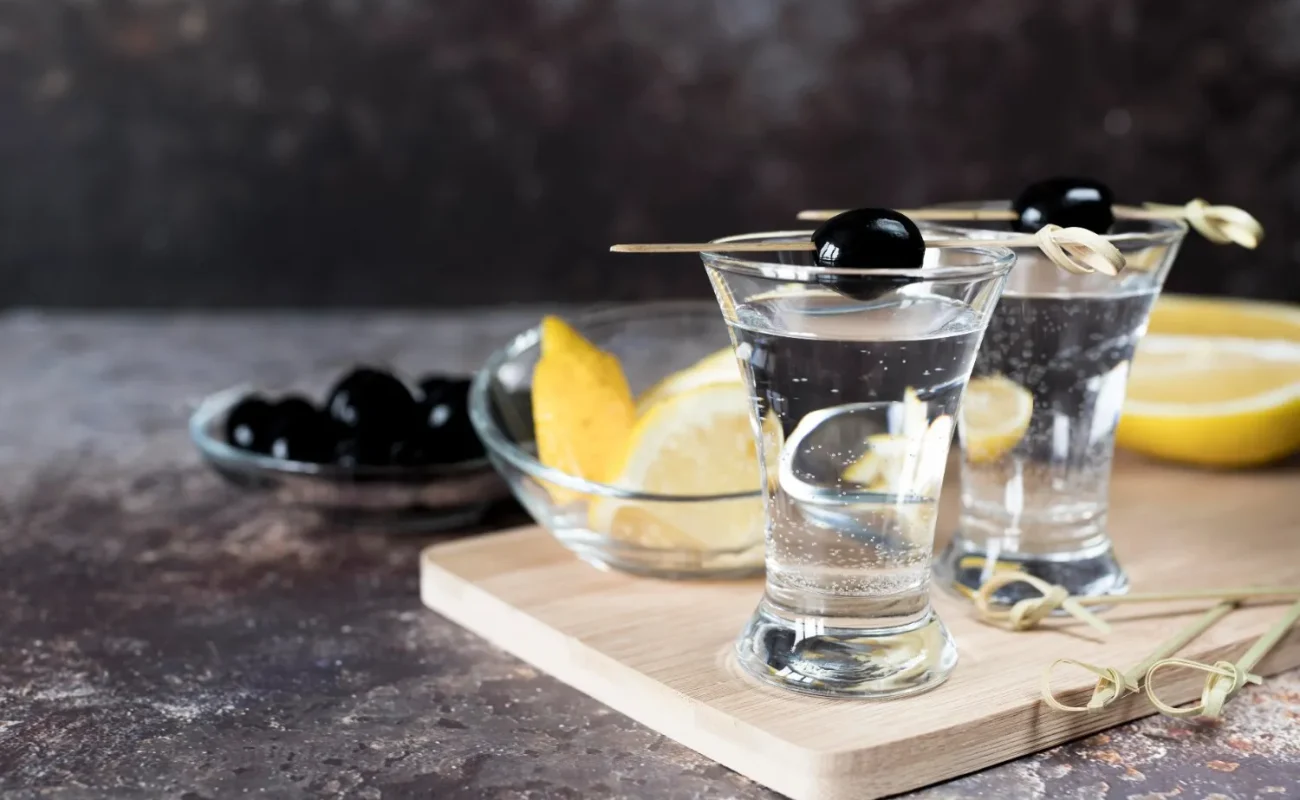
Gin and Vodka Teach How Flavors Can Be Bold Yet Gentle
Gin and vodka may look similar in a glass, but they are fundamentally different. Gin delivers layers of aroma and flavour, with juniper and other botanicals creating complexity in every sip. Vodka is smooth and neutral, emphasizing purity and blending seamlessly with mixers. Understanding these differences requires a deep dive into gin history, production methods, flavour profiles, and cocktail applications, especially when exploring gin cocktails or the best vodka cocktails.
Core Differences in Character
Gin is expressive and layered, offering a unique aromatic experience. Its flavour evolves with each sip, starting with juniper, moving through citrus, herbs, and sometimes exotic botanicals. Gin engages both nose and palate, creating a gin drink that rewards attention and exploration.
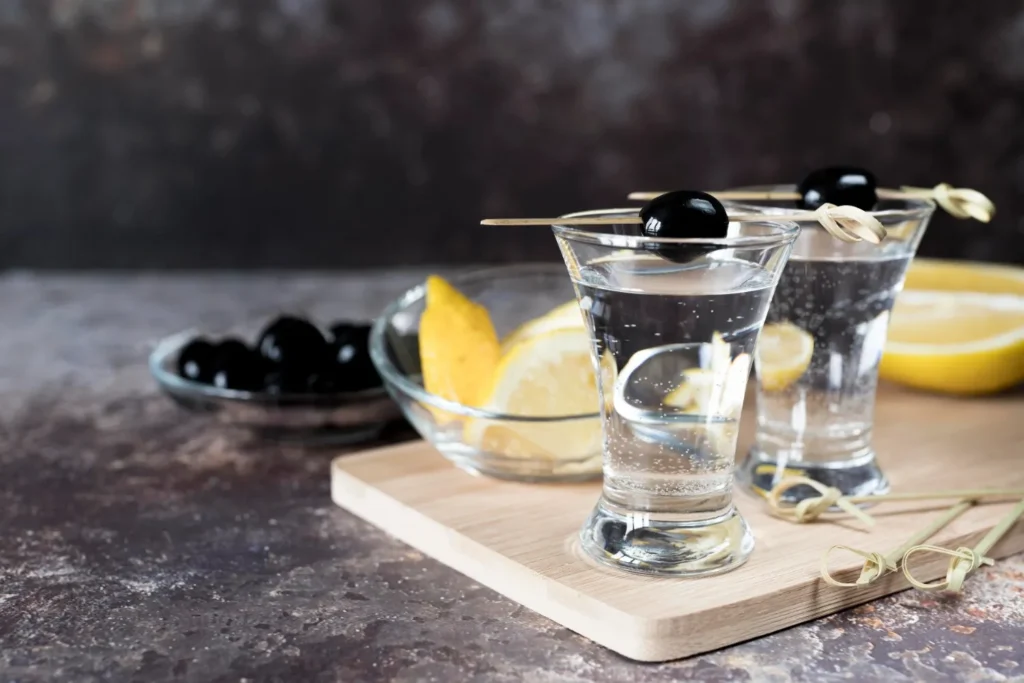
Vodka is neutral and smooth. Its subtlety allows mixers and garnishes to take centre stage. Vodka emphasizes balance and consistency rather than complexity, making it versatile across cocktail styles. For example, a vodka martini highlights the spirit’s purity while allowing subtle mixers to shine.
How Personality Shows in the Glass
- Gin delivers multi-dimensional flavours, evolving aroma and taste with every sip.
- Vodka provides consistency and neutrality, supporting other ingredients in cocktails.
- Choice reflects both taste preference and desired drinking experience with Gin and vodka.
The History of Gin
Gin originated in Europe as a juniper-based spirit, first distilled for medicinal use. Over centuries, distillers added botanicals such as coriander, angelica root, and citrus peels to create complex flavour profiles.
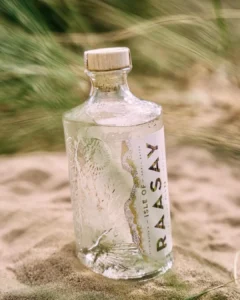
The 18th century Gin Craze in England highlighted both its popularity and social impact. Cheap, mass-produced gin became ubiquitous, sparking regulation, public debate, and experimentation with flavours. Today, Gin brands like Nordés Gin, Gunpowder Irish Gin with Sardinian Citrus Ceramic, and Isle of Raasay Gin showcase a range of styles, from floral and citrus-forward to herbal and spiced, reflecting both gin history and modern innovation.
Botanical Evolution Over Time
- Juniper remains the defining flavour in any gin drink.
- Secondary botanicals shape aroma, mouthfeel, and complexity.
- Each batch, including Nordés Gin and Isle of Raasay Gin, represents a distiller’s approach to botanicals.
The History of Vodka
Vodka emerged in Eastern Europe as a neutral, distilled spirit. Its base vodka made from grains, potatoes, or fruit—is distilled and filtered multiple times for purity. Traditional craftsmanship is emphasized in craft vodka, while modern brands focus on smoothness and balance.
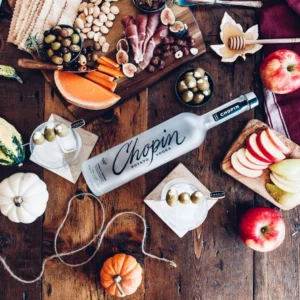
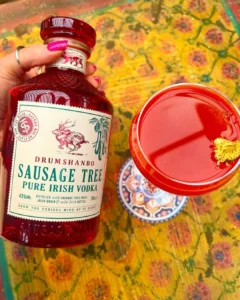
Among best vodka brands, notable examples include Sausage Tree Pure Irish Vodka, Chopin Potato Vodka, and Chopin Family Reserve Vodka, which highlight the impact of base ingredients and distillation method on flavour and texture. Vodka’s neutrality allows it to integrate seamlessly with other flavours, making it ideal for a vodka martini or other best vodka cocktails.
Why Neutrality is a Strength
- Smoothness and minimal flavour allow maximum versatility.
- Base ingredients, such as in Chopin Potato Vodka, shape subtle flavour nuances.
- Neutrality makes vodka a foundation for mixing, emphasizing balance.
Ingredients – Complexity vs Simplicity
Gin – Multi-Layered Botanicals
Gin’s complexity comes from its botanical blend. Juniper forms the backbone, while coriander, citrus, and herbs add depth and aroma. Small changes in ratios create distinct profiles. Spirits like Gunpowder Irish Gin with Sardinian Citrus Ceramic demonstrate how citrus can enhance botanical expression, producing a vibrant, aromatic gin experience.
Vodka – Minimalist Mastery
Vodka relies on simplicity: grain, potato, fruit, water, and yeast. Purity and smoothness are key. Many craft vodka producers, like Sausage Tree Pure Irish Vodka or Chopin Family Reserve Vodka, focus on clean, neutral flavours while allowing the subtle character of the base ingredient to shine.
How Ingredients Define Experience
- Gin offers evolving, aromatic flavours; vodka emphasizes neutrality.
- Botanical selection influences complexity in gins like Isle of Raasay Gin.
- Base ingredient selection impacts flavour and mouthfeel in Gin and vodka.
Distillation – Crafting Complexity vs Ensuring Purity
Gin Distillation Techniques
Gin distillation emphasizes botanical extraction. Steeping or vapor infusion pulls out essential oils, aroma, and flavour. Spirits like Nordés Gin demonstrate the importance of careful botanical balance, while Gunpowder Irish Gin with Sardinian Citrus Ceramic uses citrus infusion to elevate the drinking experience in gin cocktails.
Vodka Distillation Techniques
Vodka distillation focuses on purity and smoothness. Multiple distillations and filtration produce a neutral, consistent spirit, ideal for cocktails such as a vodka martini. Distilleries producing Chopin Family Reserve Vodka or Sausage Tree Pure Irish Vodka emphasize repeated distillation to achieve exceptional smoothness.
Production Impact on Flavour
- Gin distillation enhances aroma and botanical depth.
- Vodka distillation ensures smoothness, neutrality, and versatility.
- Distillation style affects how spirits interact in cocktails and tasting experiences.
Flavour Profiles and Sensory Differences
Gin is aromatic and complex, with flavours evolving from juniper to herbs, citrus, and spices. Spirits like Isle of Raasay Gin highlight subtle floral and herbal layers, rewarding careful tasting.
Vodka is neutral and smooth, allowing mouthfeel and texture to dominate. Spirits like Chopin Potato Vodka or Sausage Tree Pure Irish Vodka emphasize balance and purity, making them ideal for mixing in best vodka cocktails or serving as a vodka martini.
Sensory Evaluation Tips
- Smell affects perception: gin aromas are prominent; vodka is subtle.
- Taste progression: gin evolves with each sip; vodka maintains a steady profile.
- Mouthfeel: gin can be sharp or crisp; vodka is round and smooth.
Cocktail Applications
Gin works best in drinks emphasizing botanical complexity, such as martinis, gin & tonics, or specialty cocktails in a gin bar. Garnishes and mixers can enhance aromatic depth. Notable spirits like Nordés Gin or Gunpowder Irish Gin with Sardinian Citrus Ceramic perform exceptionally in aromatic cocktails.
Vodka excels in versatile cocktails, including classics like the vodka martini or modern recipes featuring fruit, citrus, or herbs. Chopin Family Reserve Vodka and Sausage Tree Pure Irish Vodka exemplify spirits that integrate seamlessly in cocktails.
Mixing and Tasting Insights
- Gin shines in aromatic, layered drinks.
- Vodka supports balanced, versatile cocktails.
- Ice, garnish, and temperature adjustments reveal subtle differences in flavour and aroma.
Palate Preferences and Personality Trends
Gin appeals to those seeking complexity, aroma, and sensory adventure. Vodka appeals to those valuing smoothness, balance, and adaptability. Popularity of specific Gin brands or best vodka brands often influences tasting preferences in cocktail culture.
Understanding Your Spirit Preference
- Bold palates Favor gin; restrained palates Favor vodka.
- Preference for gin cocktails vs vodka martini may reflect individual taste style.
- Exposure and experimentation with spirits like Isle of Raasay Gin or Chopin Potato Vodka can evolve personal preferences.
Historical and Cultural Significance
Gin and vodka have a long history of botanical experimentation, from medicinal origins to social phenomena. But Vodka emphasizes neutrality, versatility, and global reach, demonstrated by craft vodka and renowned brands like Sausage Tree Pure Irish Vodka or Chopin Family Reserve Vodka. Both spirits have shaped modern bar culture, cocktail traditions, and mixology practices.
Why History Matters in Tasting
- Knowledge of gin history enhances appreciation for gin cocktails.
- Understanding the base of vodka made from grains or potatoes clarifies flavour differences.
- Both spirits influence contemporary bar trends and cocktail creativity.
Conclusion
Gin and vodka represent opposite ends of clear spirits. Gin is aromatic, complex, and layered, ideal for gin drinks and creative gin cocktails using spirits like Nordés Gin or Gunpowder Irish Gin with Sardinian Citrus Ceramic. Vodka is neutral, smooth, and versatile, perfect for a vodka martini, best vodka cocktails, or mixing with Chopin Potato Vodka and Sausage Tree Pure Irish Vodka.
Understanding production, ingredients, and flavour profile allows enthusiasts to make informed choices, experiment with cocktails, and appreciate the best gin brands or best vodka brands. Both spirits have unique histories, characteristics, and applications, and mastering their differences is essential for anyone serious about spirits.
FAQs
What is the main flavour difference between gin and vodka?
Gin is botanical and aromatic, delivering layers of flavour on the palate. Vodka is neutral and smooth, allowing mixers and garnishes to shine.
Why do botanicals matter in gin?
Botanicals like juniper, citrus, and herbs create aroma and depth. They give gin its signature complexity and multi-layered taste.
How does vodka’s base ingredient influence its taste?
Vodka made from grains, potatoes, or fruits has subtle texture differences. The base effects smoothness, mouthfeel, and perceived purity in cocktails.
How does distillation affect gin’s flavour?
Botanical oils are extracted through steeping or vapor infusion. Distillation balances aroma intensity with smoothness, shaping the spirit’s character.
Why is vodka ideal for mixed drinks?
Vodka’s neutrality avoids overpowering other ingredients in cocktails. It provides a smooth, consistent base for creative mixology.
How do gin and vodka behave differently in cocktails?
Gin dominates aromatic drinks with layered botanical Flavors. Vodka blends invisibly, highlighting citrus, herbs, or other mixers.
What makes a gin martini different from a vodka martini?
A gin martini emphasizes juniper and botanical complexity. A vodka martini prioritizes smoothness and balance with minimal flavour interference.
Can distillation change a vodka’s neutrality?
Yes, multiple distillations and filtration enhance smoothness and purity. Despite this, vodka remains subtle, letting mixers define the flavour.
-
 Celebrate Holi with Gin cocktails and Fearless Colours
 -
 Irish Whiskey rise from Global Lounges to Curated Shelves
 -
 Your Cognac Obsession Starts when You Discover the Six Crus
 -
 Air Steals Bold Character from Single Malt Whiskey Bottles
 -
 We Ditched Wine this Valentine Week for Pink Gin
 -
 Surprise Your Valentine with Roses and Rosé Champagne
 -
 Wine Turns Valentine Week into a Test of Social Chemistry
 -
 India-EU Free Trade Agreement Signals Big Moment for Imported Wine
 -
 Single Vineyard Wines Follow Place and Blends keeps Balance
 -
 One Cask Decision That Can Ruin or Refine Irish Whiskey
-
 Christmas Cocktails You Can Make at Home
 -
 Sound Of Christmas Wine And Cheese?
 -
 A Fresh Take on New Year’s Resolutions
 -
 The Art of Smelling Wine Like a True Connoisseur
 -
 Looking for the Best Wine? Here's Where to Find It!
 -
 Read This Before You Buy Your Dad a Whisky.
 -
 The Art of Pairing Wine with Indian Food
 -
 Whiskey on the Rocks — Cool Choice or Flavor Mistake?
 -
 The Ingredients & Botanicals That Define Gin
 -
 Seven Days of Love — Wine for Valentine’s Week
-
Celebrate Holi with Gin cocktails and Fearless Colours
-
Irish Whiskey rise from Global Lounges to Curated Shelves
-
Air Steals Bold Character from Single Malt Whiskey Bottles
-
We Ditched Wine this Valentine Week for Pink Gin
-
Wine Turns Valentine Week into a Test of Social Chemistry
-
India-EU Free Trade Agreement Signals Big Moment for Imported Wine
-
Single Vineyard Wines Follow Place and Blends keeps Balance
-
One Cask Decision That Can Ruin or Refine Irish Whiskey
-
 Vermouth Adds Herbal Magic Without Losing Wine’s Essence
 -
 Gin and Vodka Teach How Flavors Can Be Bold Yet Gentle