
Port wine Grapes Varieties Behind Its Unique Identity
Port wine is known for its deep colour, rich fruit character and layered aromas. But what gives this Portuguese wine its distinctive personality? One important answer lies in the grapes used during production. Each grape variety brings its own qualities, from dark fruit flavours and floral aromas to freshness, acidity and firm structure.
The Douro Valley in northern Portugal is the home of Port wine production. Its vineyards grow several native grape varieties that have been part of local winemaking for generations. Some grapes bring intense colour and concentrated fruit. Others add freshness, balance and aromatic depth. Together, these Port wine grape varieties create a complex profile that makes Port wine stand out.
The choice of grapes also affects the final style of Port wine. Their natural characteristics influence the wine’s colour, texture, aroma and ability to develop with age. Understanding these varieties offers a closer look at the traditions and decisions behind Port wine production.
Why Do Different Grapes Matter in Port Wine Production?
Grape selection plays a major role in shaping the character of Port wine. Each variety has a different balance of natural sugar, acidity, tannins, colour compounds and aromatic qualities. These elements influence the way the finished wine looks, smells and tastes.
Some grapes are known for their deep colour and concentrated fruit. Others bring fresh acidity or softer tannins. A grape with strong floral aromas can also add another layer to the overall profile. These differences make grape selection an important part of traditional Port wine production.
How Grape Varieties Shape Port Wine Flavours and Aromas
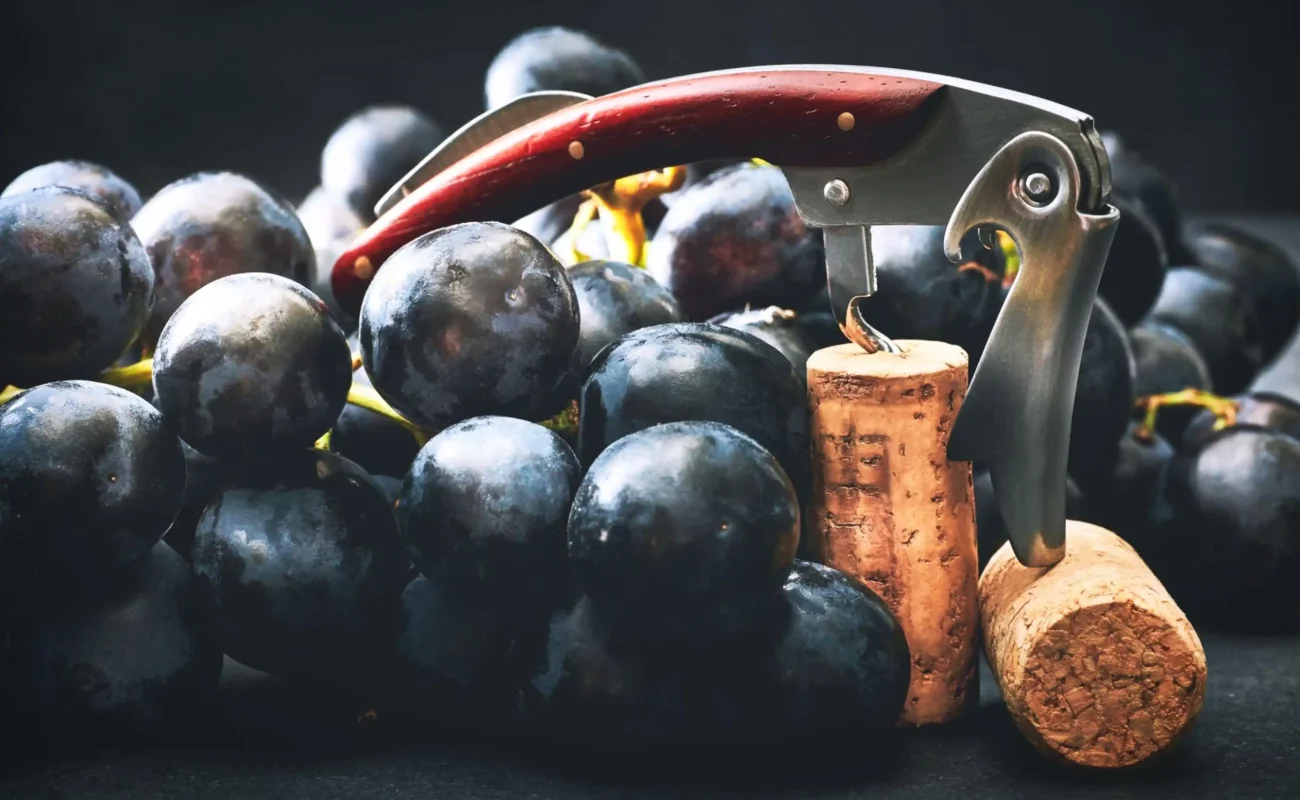
The flavour of Port wine begins with the natural qualities of its grapes. Dark-skinned varieties often contribute notes of blackberry, plum, black cherry and other ripe fruits. Some also bring floral hints, such as violet. These aromas can add depth and character to the finished wine.
The growing conditions also affect the flavour found in each grape. Sunlight, soil, water availability and harvest timing all influence ripeness and fruit development. As a result, the same grape variety can show different characteristics across vineyards and growing seasons.
The Role of Grapes in Port Wine Colour and Structure
Grape skins contain natural pigments that help give red Port wines their colour. Varieties with high levels of colour compounds can contribute deeper purple and ruby shades. The length and method of skin contact during winemaking also influence the final colour.
Tannins are another important part of grape structure. They come mainly from grape skins, seeds and stems. Tannins can create a firm or slightly drying feeling in the wine’s texture. Acidity, meanwhile, brings freshness and helps balance concentrated fruit flavours.
The relationship between colour, tannins and acidity helps shape the overall structure of Port wine. Different grape varieties contribute these qualities in different amounts.
Why Port Wine Producers Blend Different Grape Varieties
Traditional Port wine production often involves blending several grape varieties. This approach allows producers to combine different qualities and create a more balanced profile.
One grape may provide deep colour and strong fruit concentration. Another may contribute floral aromas, while a third adds freshness or structure. Together, they can create greater complexity than a single variety may offer on its own.
Blending also allows producers to work with the natural differences between vineyard sites and harvests. The aim is to bring individual grape characteristics together in a way that supports the intended style of Port wine.
Important Port Wine Grape Varieties That Shape Unique Flavours
The Douro Valley is home to many native grape varieties. However, five red varieties have a particularly important place in traditional Port wine production. Touriga Nacional, Touriga Franca, Tinta Roriz, Tinta Barroca and Tinto Cão each bring different qualities to the blend.
Understanding their individual characteristics helps explain why Port wine can have such a wide range of aromas, flavours and textures.
Touriga Nacional – The Grape Behind Deep Colour and Rich Fruit
Touriga Nacional is one of Portugal’s most recognised red grape varieties. It has a strong reputation in the Douro Valley because of its ability to produce grapes with concentrated colour, rich fruit character and firm structure.
Its flavour profile often includes blackberry, black plum and dark cherry. Floral notes, especially violet, can also appear. These qualities give Touriga Nacional an expressive aromatic character. Touriga Nacional grapes are particularly valued for their ability to contribute both colour intensity and aromatic depth.
One of its most important contributions is colour intensity. Its dark skins contain high levels of natural pigments, which help create the deep shades often associated with Ruby and Vintage Port. The grape also provides tannins that support the wine’s structure.
Touriga Franca – Adding Floral Notes and Elegant Fruit
Touriga Franca is another major grape variety in the Douro Valley. It is widely used in traditional Port blends and is valued for its aromatic qualities, balanced structure and reliable performance in the region’s vineyards.
Compared with Touriga Nacional, Touriga Franca often shows a softer and more approachable fruit profile. Its aromas can include red berries, black fruit and floral notes. These characteristics help create a more layered aromatic profile. Touriga Franca grapes are also valued for their ability to contribute elegance and aromatic detail to traditional blends.
The grape also plays an important role in blending. Its fruit qualities can complement the concentrated character of Touriga Nacional. This combination helps bring different aromatic and structural elements together.
Tinta Roriz – Bringing Structure and Balanced Fruit Character
Tinta Roriz is the Portuguese name for Tempranillo, a red grape variety widely grown in Spain and Portugal. It is also known as Aragonez in other Portuguese wine regions.
In the Douro Valley, Tinta Roriz is an important grape for both Port and other regional wines. It is valued for its fruit character, tannins and ability to contribute structure to a blend.
Its flavour profile can include red cherry, plum and darker berry notes. Depending on growing conditions and ripeness, it may also show hints of spice. These qualities provide a different dimension compared with the more intensely floral character of Touriga Nacional.
Tinta Roriz in Port wine brings a useful balance of fruit, acidity and tannin. Its natural structure helps give a blend shape and depth. This is especially valuable when combined with varieties that provide stronger colour or softer fruit characteristics.
Tinta Barroca – Contributing Rich Fruit and Rounded Character
Tinta Barroca is a traditional Portuguese red grape variety with a long history in the Douro Valley. It is known for its ability to produce grapes with good natural sugar levels and generous fruit characteristics.
Its flavour profile often includes ripe plum, blackberry and other dark fruit notes. These characteristics can give Port wine a rich and rounded fruit impression. Tinta Barroca grapes are especially recognised for their generous fruit character and contribution to the overall richness of traditional blends.
Tinta Barroca is also known for its ability to accumulate sugar as the grapes ripen. This quality is relevant to Port production, where the natural sugar content of grapes plays an important role in the winemaking process.
The variety can contribute a fuller and softer impression to a blend. Its fruit character can complement grapes with firmer tannins and stronger structural qualities. This allows producers to combine richness with balance.
Tinto Cão – Bringing Freshness and Fine Structure
Tinto Cão is a traditional Portuguese red grape variety that has an important place in the Douro Valley. Its name translates to “red dog” in Portuguese, and it is recognised for its role in classic regional blends.
Unlike some varieties known mainly for concentrated fruit and high sugar levels, Tinto Cão is valued for its freshness and structural qualities. It can contribute good acidity and firm tannins, helping balance richer grape varieties. Tinto Cão grapes can also add subtle aromatic detail to blends through their delicate fruit and herbal characteristics.
Its aromatic profile can include red fruit, subtle floral notes and delicate herbal hints. These qualities add another layer of complexity to a blend without overpowering the characteristics of other grapes.
How Different Port wine Grape Varieties Influence Styles
Grape varieties help establish the foundation of Port wine, but the final style also depends on winemaking and ageing. Ruby, Tawny and Vintage Port are different expressions of the region’s winemaking traditions.
Ruby Port and Its Focus on Fruit Character
Ruby Port is known for its deep colour and fruit-forward character. Its style places importance on retaining much of the wine’s youthful fruit expression.
Grape varieties with concentrated colour and rich fruit qualities play an important role in this style. Touriga Nacional and Touriga Franca, for example, can contribute dark fruit flavours and aromatic depth.
The ageing process also matters. Ruby Port generally has less exposure to oxygen than Tawny Port, which helps preserve its colour and fruit characteristics. Niepoort Ruby Port Red Wine provides an example of this fruit-focused Port style, where the characteristics of the wine are presented through a Ruby expression.
Tawny Port and Its Evolving Aromatic Profile
Tawny Port develops a different character through extended ageing in wooden casks. Over time, exposure to oxygen changes the wine’s colour and aromatic profile.
Its appearance can gradually move from deeper red shades towards amber and tawny tones. Its aromas may develop notes of dried fruit, nuts, caramel and spices.
These characteristics are not simply the direct result of a particular grape variety. They develop through the interaction of the original wine, oxygen and time in the cask.
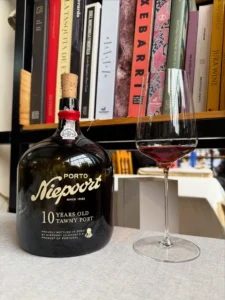
The grape varieties still matter because they provide the original fruit, acidity and structure on which the ageing process works. Niepoort Tawny Port Red Wine offers an example of this style, where extended wood ageing plays an important role in shaping its evolving colour and aromatic character.
Vintage Port and the Importance of Grape Quality
Vintage Port is associated with exceptional harvests and has a strong connection with the quality of the grapes selected. It is generally produced from grapes harvested during a single declared vintage.
The selection of suitable grape varieties and vineyard sites is important in creating the desired concentration, structure and ageing potential.
Touriga Nacional, Touriga Franca, Tinta Roriz, Tinta Barroca and Tinto Cão can all contribute to traditional blends. Their different qualities help create depth and complexity.
Vintage Port is also known for its ability to develop over many years in the bottle. Its evolution depends on the original wine structure, grape quality and ageing conditions.
How Douro Valley Port wine Grape Varieties Are Influenced by Growing Conditions
The grape varieties used in Port wine production do not develop in isolation. Their growing environment has a major effect on their natural qualities. The Douro Valley has a distinctive landscape, climate and soil structure that influence how its grapes grow and ripen.
The Influence of Douro Valley Soil on Grape Development
Schist is one of the most characteristic soil types in the Douro Valley. It is a type of rock that breaks into thin layers and forms an important part of the region’s vineyard landscape.
Schist soils can allow vine roots to grow deep into the ground. They also influence water availability, which is important in a region that experiences hot and dry summers.
Different soil conditions can affect vine growth and grape development. As a result, grape varieties grown in separate vineyard locations may show differences in concentration, ripeness and overall character.
The relationship between soil and grape quality is complex. Soil type works alongside climate, vineyard position and farming practices to shape the final fruit.
What Makes Port wine Grape Varieties Special for Port Wine Production?
Portugal has a rich collection of native grape varieties. Many have developed through generations of cultivation and are closely connected to the country’s regional wine traditions.
The Douro Valley is particularly important because its vineyards contain a wide range of indigenous varieties suited to the region’s growing conditions. These Portuguese grape varieties have become an important part of Port wine’s identity.
One notable feature is the variety of characteristics found within a relatively small geographical region. Some grapes offer intense fruit and colour, while others bring freshness, floral aromas or firm structure.
Portuguese grape varieties also reflect the importance of traditional blending. Rather than depending on a single grape to provide every quality, producers can use several varieties to build a more complete profile.
Some grapes, such as Tinta Roriz, are also grown in other wine-producing regions. However, their expression can change with local climate, soil and vineyard practices. This makes the Douro Valley’s native grape combinations an important part of its distinct wine heritage.
How to Identify the Flavour Contributions of Different Port Wine Grapes
Understanding the flavour characteristics of individual grape varieties makes it easier to recognise their role in Port wine. Although the final profile depends on several production factors, certain associations can help readers understand the differences.
Dark fruit notes: Touriga Nacional is often linked with blackberry, black plum and dark cherry. These qualities contribute to the rich fruit character found in many Port blends.
Red fruit notes: Touriga Franca and Tinta Roriz can contribute red berry, cherry and plum characteristics. These notes add variety to the overall fruit profile.
Floral aromas: Touriga Nacional is known for violet-like aromas, while Touriga Franca can also bring floral complexity. These characteristics add aromatic detail to the blend.
Freshness and acidity: Tinto Cão is valued for its acidity and structural qualities. These elements can help balance the concentrated fruit character of other varieties.
Body and rounded fruit: Tinta Barroca can contribute generous fruit characteristics and a fuller impression. Its qualities can work well with grapes that offer firmer tannins.
These Port wine flavours are not fixed rules. The final aroma and flavour of Port wine depend on grape maturity, vineyard conditions, fermentation, blending and ageing. A single variety can show different characteristics across different growing seasons and production methods.
Conclusion
The grapes used in Port wine production each bring a different quality to the final blend. Touriga Nacional contributes deep colour and concentrated fruit, while Touriga Franca adds aromatic detail and elegant fruit characteristics. Tinta Roriz brings structure, Tinta Barroca offers generous fruit, and Tinto Cão contributes freshness and balance.
These varieties show why grape selection is such an important part of traditional Port production. Their individual characteristics work together to create a wine with depth, complexity and a distinctive regional identity.
Understand how each Port wine grape variety contributes to the depth, balance and complexity of this Portuguese wine style. At Solis Group, we build relationships with producers and partners across the global wine and spirits industry. Reach out to discuss potential collaborations and new avenues for business growth.
Understanding these grapes provides a better appreciation of what makes Port wine distinctive. Behind every blend is a combination of local varieties, growing conditions and careful winemaking decisions.
FAQs
Which grapes are used in Port wine production?
Port wine is made mainly from native Portuguese red grape varieties, including Touriga Nacional, Touriga Franca, Tinta Roriz, Tinta Barroca and Tinto Cão. Each contributes distinct qualities such as fruit intensity, floral aromas, tannins, colour and freshness.
Why is Touriga Nacional important in Port wine?
Touriga Nacional provides deep colour, firm tannins and concentrated dark-fruit flavours, including blackberry and plum. Its structure and aromatic intensity help create depth and ageing potential in Port blends.
What does Touriga Franca add to Port wine?
Touriga Franca contributes red and dark fruit aromas, floral notes and balance to traditional Port blends. Its adaptability across the Douro Valley also makes it valuable for maintaining consistency in different vineyard conditions.
How does Tinta Roriz influence Port wine?
Tinta Roriz adds cherry, plum and dark-berry flavours, supported by firm tannins and natural acidity. These qualities help balance richer grape varieties and give the blend structure.
Why is Tinto Cão used in Port blends?
Tinto Cão contributes freshness, acidity and firm tannins, helping balance the richness of other grapes. Its small berries and thick skins also support concentrated colour and structure despite its naturally low yields.
Are all Port wine grapes grown in the Douro Valley?
Traditional Port production relies on grapes grown in Portugal's Douro Demarcated Region. Its steep slopes, schist-rich soils and varied vineyard elevations influence how different grape varieties develop.
How do grape varieties affect Port wine flavours?
Grape varieties determine much of a Port's fruit character, floral aromas, acidity, tannins and colour. Blending varieties with different strengths creates a more layered and balanced flavour profile.
Do Ruby and Tawny Port use different grapes?
Both styles can use similar traditional Douro grape varieties, but their ageing methods create different profiles. Ruby Port retains more fresh fruit character, while extended wood ageing gives Tawny Port dried-fruit, nutty and caramel-like notes.
-
 Polish Potato Vodka Stands Apart in the World of Spirits
-
Port wine Grapes Varieties Behind Its Unique Identity
-
Botanical Choices Create Layers in Pink Gin Profiles
-
Champagne Grape Varieties Character Behind Every Blend
-
Rich World of Red Wine Styles Reflect the Spirit of Celebration
-
Irish Whiskey and Diwali Connects Heritage & Festivals
-
Vermouth and Wine Share Similar Roots than Taste
-
Hidden Grain Clues Behind Distinct Vodka Flavour
-
Fins Bois Cognac Delivers Character Without Spotlight
-
Sherry Casks Add Rich Layers to Scotch Whisky Maturation


-
Christmas Cocktails You Can Make at Home
-
Sound Of Christmas Wine And Cheese?
-
A Fresh Take on New Year’s Resolutions
-
The Art of Smelling Wine Like a True Connoisseur
-
Looking for the Best Wine? Here's Where to Find It!
-
Read This Before You Buy Your Dad a Whisky.
-
The Art of Pairing Wine with Indian Food
-
Whiskey on the Rocks — Cool Choice or Flavor Mistake?
-
The Ingredients & Botanicals That Define Gin
-
Seven Days of Love — Wine for Valentine’s Week







-
Polish Potato Vodka Stands Apart in the World of Spirits
-
Port wine Grapes Varieties Behind Its Unique Identity
-
Botanical Choices Create Layers in Pink Gin Profiles
-
Rich World of Red Wine Styles Reflect the Spirit of Celebration
-
Irish Whiskey and Diwali Connects Heritage & Festivals
-
Vermouth and Wine Share Similar Roots than Taste
-
Hidden Grain Clues Behind Distinct Vodka Flavour
-
Sherry Casks Add Rich Layers to Scotch Whisky Maturation
-
Pale Rose Wine change Impression in Tasting Surprise
-
London Dry Gin Holds Its Classic Appeal than Modern Gin