
Air Steals Bold Character from Single Malt Whiskey Bottles
There is a quiet moment every whiskey lover remembers.
You open a fresh bottle of single malt whiskey for the first time. The aroma rises instantly. Rich. Deep. Full of personality. Every note feels alive and confident. This is the experience people expect when they explore what many consider the best single malt whiskey, carefully crafted and matured to express its fullest character.
Months later, you pour from the same bottle again.
The whiskey is still good. But something has changed. The aroma feels softer. The Flavors feels calmer. The bold character that once stood proudly now speaks more gently, even in carefully stored whiskey bottles designed to protect their contents.
What happened?
Nothing dramatic. Nothing sudden. Air happened.
Air is the silent guest that enters every whiskey bottle after opening. It does not rush. It does not announce itself. But over time, it slowly reshapes the whiskey’s original character.
Understanding this process helps you protect the true personality of your whiskey from the first pour to the last, whether it is a rare release, a premium single malt, or a thoughtfully matured expression.
Opening Single Malt Whiskey Starts the Freshness Clock
A sealed bottle of single malt whiskey is like a protected time capsule.
Inside the bottle, the whiskey remains stable. Its Flavors stay balanced. Its aroma stays locked in place. This stability can last for many years without significant change, especially in carefully matured expressions like an aged single malt.
But opening the bottle breaks that protected environment.
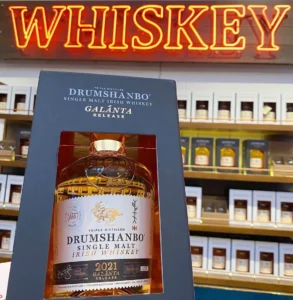
The moment air enters; oxygen begins interacting with the whiskey. This interaction starts immediately, even though the effects take time to notice. This applies equally across different single malt whiskey types, each with its own unique Flavors profile and sensitivity. For example, a distinctive Irish expression like Drumshanbo Galanta Single Malt Irish Whiskey can showcase vibrant fruit and spice notes when first opened, but these delicate characteristics naturally soften over time with air exposure.
It is like opening a jar of freshly ground coffee. The aroma is strongest at first. Over time, the intensity slowly fades.
The same gentle transformation begins inside your whiskey bottle.
Why Single Malt Whiskey Contains Fragile Flavour Compounds
Single malt whiskey is not a simple liquid. It is built from hundreds of Flavors compounds created during fermentation, distillation, and maturation. This complexity is one reason enthusiasts often explore the differences in whisky vs whiskey, appreciating regional styles and traditions.
These compounds create the notes people love, such as:
- Fresh fruit tones
- Warm vanilla sweetness
- Gentle spice layers
- Smoky or earthy depth
- Long, comforting finishes
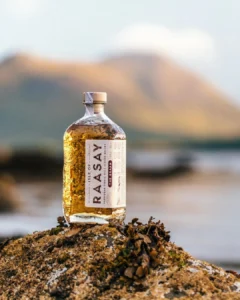
This is especially true for a traditional Scotch single malt whiskey, where regional character and barrel aging create distinct personalities. Coastal-influenced whiskies like Isle of Raasay Single Malt Scotch Whisky often carry subtle maritime and smoky elements that contribute to their unique identity, and these layered aromas benefit greatly from careful storage after opening.
Each compound plays a role in creating the whiskey’s personality.
However, many of these compounds are delicate. Oxygen slowly interacts with them. Some fade. Some soften. Some disappear entirely.
This does not ruin the whiskey. But it slowly changes how expressive it feels.
How Oxygen Changes Single Malt Whiskey Flavour Over Time
Oxygen causes a natural process called oxidation.
Oxidation slowly alters certain Flavors compounds. This leads to gradual changes in aroma, taste, and finish. Even carefully produced spirits, including some forms of small batch whiskey, experience similar changes after exposure.
The most noticeable changes include:
Softer aroma
The bold scent becomes less intense over time.
Reduced brightness
Fresh and lively notes fade first because they are more fragile.
Less complexity
Some layers become less noticeable, making the whiskey feel simpler.
Shorter finish
The Flavors may not linger if it once did, whether enjoyed neat or as whiskey on the rocks. These changes happen slowly. Often so slowly that people only notice when comparing fresh and older pours.
Why Air Exposure Inside Single Malt Whiskey Bottles Matters
The amount of air inside the bottle plays a major role. When the bottle is full, there is very little air inside. This limits oxygen exposure. As the whiskey level drops, the air space increases.
More air means more oxygen interaction.
This is why the last portion of a bottle may taste slightly different than the first. This applies whether the bottle contains a collectible release, an everyday favourite, or even whiskey later used in whiskey cocktail recipes where aroma still matters.
It is not because the whiskey is damaged. It is because oxygen has had more space and time to interact with it.
Proper Storage Helps Protect Single Malt Whiskey Freshness
Time matters, but storage matters even more.
Whiskey stored in stable, cool, and dark conditions maintains its character much longer. This is especially important for rare or imported whisky, which may travel long distances before reaching collectors and enthusiasts.
Exposure to heat, sunlight, or temperature fluctuations can accelerate changes.
Even small habits, such as sealing the bottle properly after each use, help preserve the original profile. Consistency is the key. The more stable the environment, the slower the change.
Signs Your Single Malt Whiskey Is Slowly Losing Character
These changes are usually gentle and gradual.
Common signs include:
- Aroma feels softer
- Flavour feels less layered
- Finish feels shorter
- Overall character feels calmer
The whiskey still offers an enjoyable experience. But the boldness of a freshly opened bottle may be slightly reduced. This is a natural process, not a defect.
Single Malt Whiskey Experts Preserve Authentic Experience
Places known for exceptional whiskey programs understand that preserving single malt whiskey character is essential for delivering a consistent experience. They manage storage carefully, monitor bottle levels, and ensure every pour reflects the original profile created by the distillery. This attention to detail helps maintain aroma, balance, and depth, allowing the whiskey to express itself fully over time.
Importers like Solis Group support this commitment to quality by sourcing and supplying premium single malt selections with a focus on authenticity and proper handling. Their role extends beyond supply, helping partners maintain the integrity of each bottle throughout its journey. For those seeking to strengthen their whiskey programs and preserve true single malt character, connect with us for meaningful opportunities grounded in quality, trust, and long-term excellence.
Simple Ways to Preserve Single Malt Whiskey Flavour Longer
Protecting your whiskey does not require complicated steps. Simple awareness makes a meaningful difference.
Helpful habits include:
- Closing the bottle tightly after use
- Storing the bottle upright
- Keeping it in a cool, stable place
- Avoiding direct sunlight
- Being mindful of long-term air exposure
These small actions help slow the natural changes caused by oxygen.
Conclusion
Every bottle of single malt whiskey carries a story shaped by time, craft, and patience.
Air becomes part of that story once the bottle is opened. It works slowly. Quietly. Gently reshaping the character over time.
By understanding this process and storing whiskey with care, you help preserve its original personality longer.
From the first pour to the last, protecting the whiskey ensures its character continues to speak clearly just as it was meant to.
FAQs
Does single malt whiskey lose Flavors after opening?
Yes, air exposure slowly softens aroma and Flavors over time. The whiskey remains usable, but its original intensity may reduce gradually.
How long does single malt whiskey stay fresh after opening?
It can maintain good character for many months if stored properly. Less air exposure and stable storage help preserve freshness longer.
Why does single malt whiskey taste different months later?
Oxygen interacts with delicate Flavors compounds inside the bottle. This slow process reduces aroma strength and overall complexity.
Does the amount of whiskey leave in the bottle matter?
Yes, more empty space means more air inside the bottle. Increased oxygen exposure speeds up gradual Flavors changes.
Is it safe to use single malt whiskey after long storage?
Yes, single malt whiskey remains stable for long periods. The main change affects Flavors depth, not its overall stability.
What is the best way to store single malt whiskey after opening?
Store the bottle upright in a cool, dark, and stable place. Always close it tightly to limit air exposure.
Does opening the bottle frequently affect freshness?
Yes, frequent opening allows fresh oxygen to enter repeatedly. This accelerates slow changes in aroma and Flavors.
Can proper storage slow down Flavors loss in single malt whiskey?
Yes, careful storage reduces oxygen exposure and preserves character. Simple habits help maintain aroma, balance, and overall quality longer.
-
 Prestige Cuvée Champagne Showcases Winemaking Vision
 -
Pinot Grigio and Sauvignon Blanc Meets Flavour Intensity
-
Understanding Pink Gin Texture with Different Temperatures
-
International Vodka Day Works Beyond Party Stereotypes
-
French Vermouth Styles Hides Herbs in Silky Wine Base
-
Oak Aged Red Wine delivers smoky warm finish
-
Rich Layered Taste Profile Dominates Blanc de Noirs
-
Vodka Taste Differ Even When Recipes Match
-
Craft Beer and Regular Beer gap Starts with Brewing Intent
-
Rare Cellars Hide Grande Champagne Cognac Stories


-
Christmas Cocktails You Can Make at Home
-
Sound Of Christmas Wine And Cheese?
-
A Fresh Take on New Year’s Resolutions
-
The Art of Smelling Wine Like a True Connoisseur
-
Looking for the Best Wine? Here's Where to Find It!
-
Read This Before You Buy Your Dad a Whisky.
-
Whiskey on the Rocks — Cool Choice or Flavor Mistake?
-
The Art of Pairing Wine with Indian Food
-
The Ingredients & Botanicals That Define Gin
-
Seven Days of Love — Wine for Valentine’s Week







-
Pinot Grigio and Sauvignon Blanc Meets Flavour Intensity
-
Understanding Pink Gin Texture with Different Temperatures
-
International Vodka Day Works Beyond Party Stereotypes
-
French Vermouth Styles Hides Herbs in Silky Wine Base
-
Oak Aged Red Wine delivers smoky warm finish
-
Vodka Taste Differ Even When Recipes Match
-
Light and Full-Bodied Sparkling Wines Bring Two Taste Layers
-
Maceration Time impacts Flavour in Pink Gin Styles
-
Rare Vintage Port Wine Peak Expression of Douro Vineyards
-
Vodka and Wine showed Two Worlds of Aroma